Steps
- 1
Freeze the beef for about 45 minutes before slicing — it firms up just enough to cut paper-thin without it falling apart.
- 2
Grate the pear, garlic, and ginger until they're nearly a paste.
- 3
Whisk the soy sauce and brown sugar together until the sugar fully dissolves, then stir in the sesame oil, pear, garlic, and ginger.
- 4
Toss the sliced beef in the marinade, making sure every piece is coated.
- 5
Cover and refrigerate at least 1 hour, up to overnight.
- 6
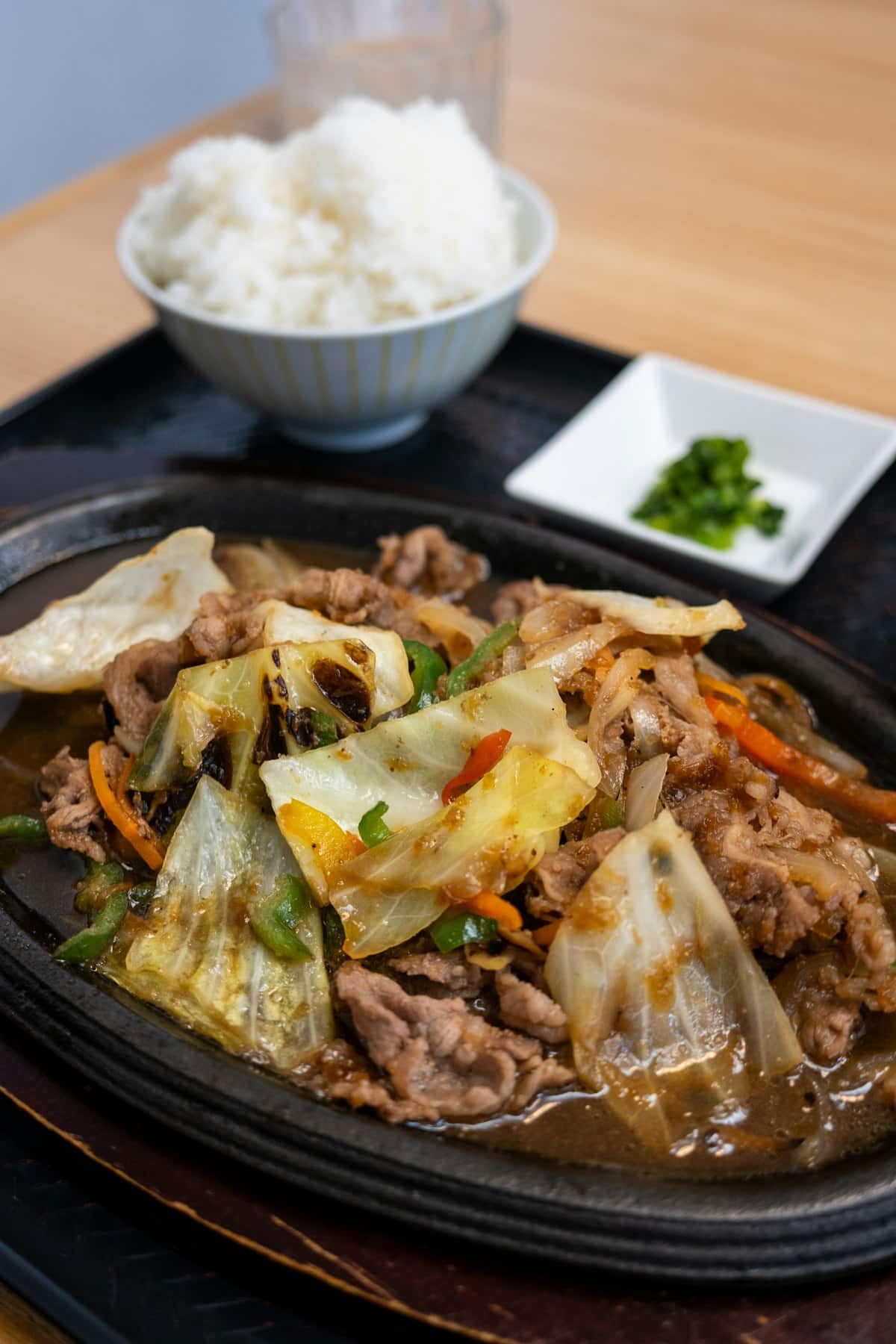
Heat a pan or grill until it's genuinely hot before the meat goes anywhere near it.
- 7
Cook the beef in batches so it sears instead of steaming — a crowded pan just gives you gray, boiled-looking meat.
- 8
Add the onion and green onion for the last minute or two, just enough to soften without going limp.
- 9
Finish with a scatter of sesame seeds and serve over rice.
Did you know — Korean culture
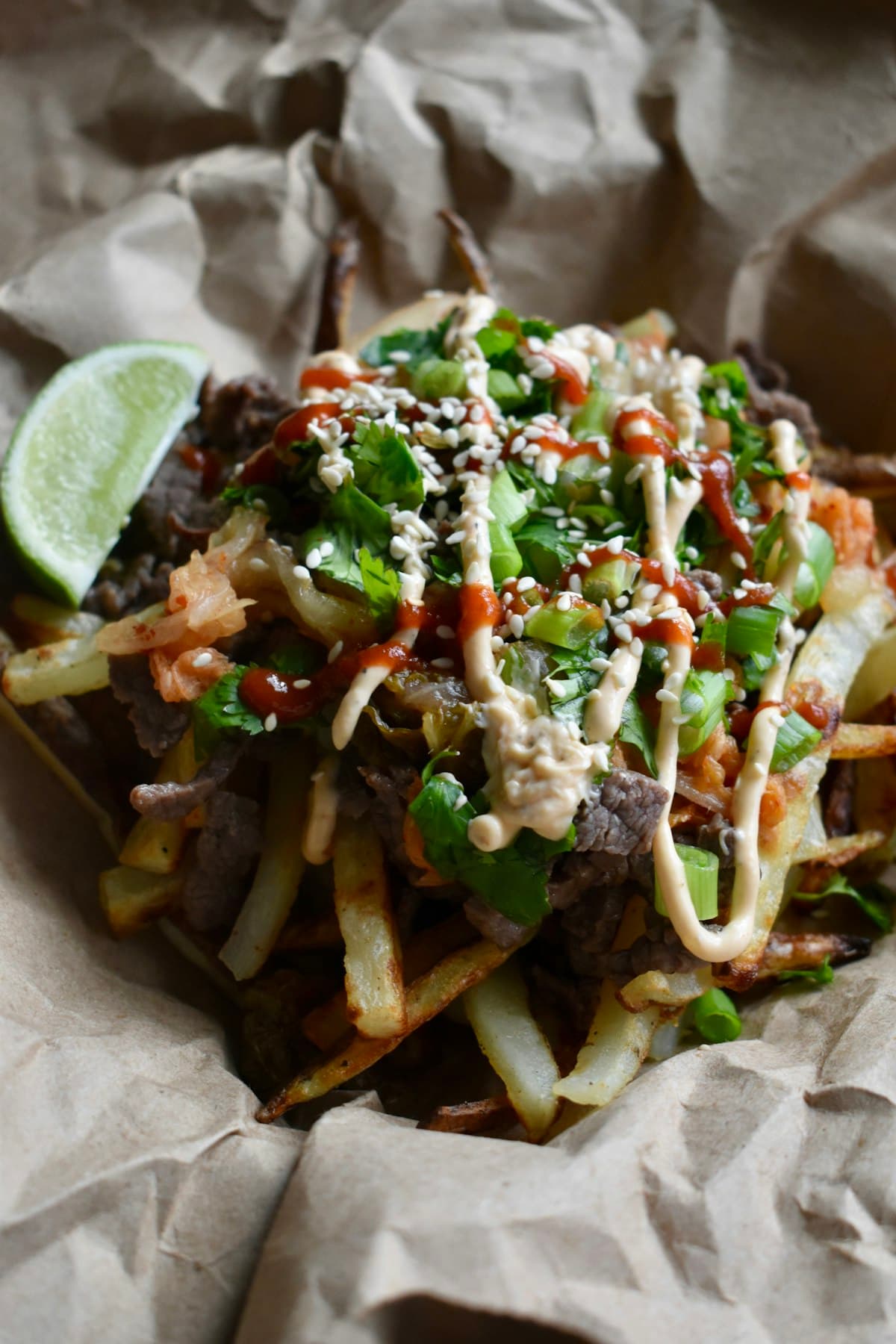
Bulgogi's biggest global moment didn't happen in a restaurant. In 2008, chef Roy Choi parked a truck in Los Angeles selling bulgogi in Korean-Mexican tacos, and lines wrapped around the block. Kogi BBQ is widely credited with kicking off the whole modern food-truck boom in America — and with putting the word "bulgogi" on menus from Amsterdam to Auckland.
Bulgogi means "fire meat" — bul is fire, gogi is meat — and somewhere along the way that got lost in translation into "the sweet beef stir-fry at Korean restaurants." Real bulgogi is grilled or seared hot and fast, not simmered soft in a pool of its own sauce.
The pear is doing actual work here, not just adding sweetness. It contains an enzyme that breaks down the beef's proteins, which is why a good bulgogi marinade tenderizes meat that would otherwise need a much fattier cut. Skip the pear and swap in extra sugar, and you'll notice the difference in texture, not just taste.
Freezing the beef briefly before slicing is the step people skip and then wonder why their slices come out thick and uneven. Twenty minutes too long and you've got beef jerky prep instead — forty-five minutes is close enough that a kitchen timer earns its keep here.
The cut, and why it matters more than the marinade
Ribeye is the traditional choice and still the best — the fat marbling melts into the marinade sugars and gives you the char people actually want. Sirloin is the sensible everyday alternative. Chuck works if it is sliced thin enough.
What does not work is a lean, thick cut. Bulgogi is cooked hot and fast; a thick slice cannot cook through in that window without drying out.
Getting it thin: freeze the beef for 30–60 minutes until firm but not solid, then slice against the grain as thin as you can manage — 2–3mm. Or buy it pre-sliced from a Korean grocer, where it is sold specifically for this and labelled bulgogi-gam.
What the marinade is actually doing
Soy sauce — salt and umami, and the base everything else sits in.
Asian pear — this is the ingredient that separates real bulgogi from beef in soy sauce. It contains enzymes that genuinely tenderise the meat, and it brings a clean sweetness that sugar alone cannot.
Sugar or syrup — for balance and, critically, for browning. The caramelising sugar is what gives bulgogi its char.
Sesame oil — added for aroma, and it belongs in the marinade rather than the pan, where it would burn.
Garlic, onion, scallion, black pepper — the aromatic backbone. Grated onion does some tenderising too.
Marinating time — and why longer is not better
30 minutes is enough for thin slices to take on flavour. 2–4 hours is the sweet spot. Overnight is fine but not better.
Beyond about 12 hours the pear enzymes go too far and the texture turns mushy and slightly mealy. This is the opposite of the usual marinade rule and it is the mistake people make when they think they are being thorough.
If you want to prep further ahead, freeze the beef in its marinade. It marinates as it thaws and the enzymes are inactive while frozen.
Cooking it: heat, and not crowding the pan
Bulgogi wants a very hot pan and a thin layer of meat. Crowd it and the beef releases liquid faster than it evaporates, and you end up boiling grey meat in its own marinade instead of searing it.
Cook in batches. Two minutes a batch. Let the pan come back up to temperature between them.
Lift the beef out of the marinade rather than tipping the whole bowl in — the excess liquid is what floods the pan. Reduce the leftover marinade separately for a minute if you want it as a sauce.
On a grill, a perforated plate or foil tray stops the thin slices falling through.
Storing, and what to do with leftovers
Marinated raw: 2 days in the fridge, 3 months frozen.
Cooked: 3–4 days refrigerated. It reheats well in a hot pan — microwaving makes it rubbery.
Leftover bulgogi is arguably better than the first serving. Put it over rice as bulgogi deopbap, roll it into kimbap, or fold it into fried rice.
What to serve with bulgogi
- Ssam — lettuce or perilla leaves with ssamjang, which is how it is most often eaten
- Rice, plain and short-grain
- Napa cabbage kimchi — the acidity is the point against rich, sweet beef
- A soup — doenjang jjigae is the classic partner
- Japchae if you are feeding people properly
Troubleshooting
Meat turned out chewy, not tender? Probably sliced too thick, or cooked in a crowded pan that steamed instead of seared. Bulgogi wants thin cuts and a hot, mostly-empty pan.
Marinade tastes too sweet on its own? That's normal — it's meant to balance out once it's cooked onto the beef and mixed with rice, not eaten as a sauce by itself.
No Asian pear available? A ripe Bosc or Anjou pear gets you most of the way there. Kiwi also has a similar tenderizing enzyme in a pinch, though the flavor shifts more than pear does.
Common questions
What cut of beef is best for bulgogi?
Ribeye, sliced very thin against the grain. The marbling is what gives you the char and keeps it from drying out over high heat. Sirloin is a good everyday alternative, and pre-sliced bulgogi beef from a Korean grocer saves the work entirely.
How long should bulgogi marinate?
Two to four hours is ideal, and 30 minutes is genuinely enough for thin slices. Avoid going much past 12 hours — the enzymes in the Asian pear keep working and eventually turn the texture mushy. Longer is not better here.
Can I make bulgogi without Asian pear?
Yes, though you lose both the tenderising and a clean sweetness that sugar does not replicate. Grated apple or kiwi are the usual substitutes — kiwi is very strong, so use half as much and cut the marinating time. Grated onion also helps.
Can you freeze bulgogi?
Yes, and freezing it raw in its marinade is the best way to prep ahead. It marinates as it thaws, and the enzymes are inactive while frozen so it cannot over-tenderise. Three months is a safe limit.
Why is my bulgogi watery instead of charred?
The pan was crowded or not hot enough. Thin beef releases liquid fast; if there is too much in the pan at once it boils rather than sears. Cook in small batches over high heat and lift the meat out of the marinade rather than pouring it all in.
Recommended products
- Cast iron sizzle plate
- Korean soy sauce (jinjang)
More to cook
All Meat & BBQ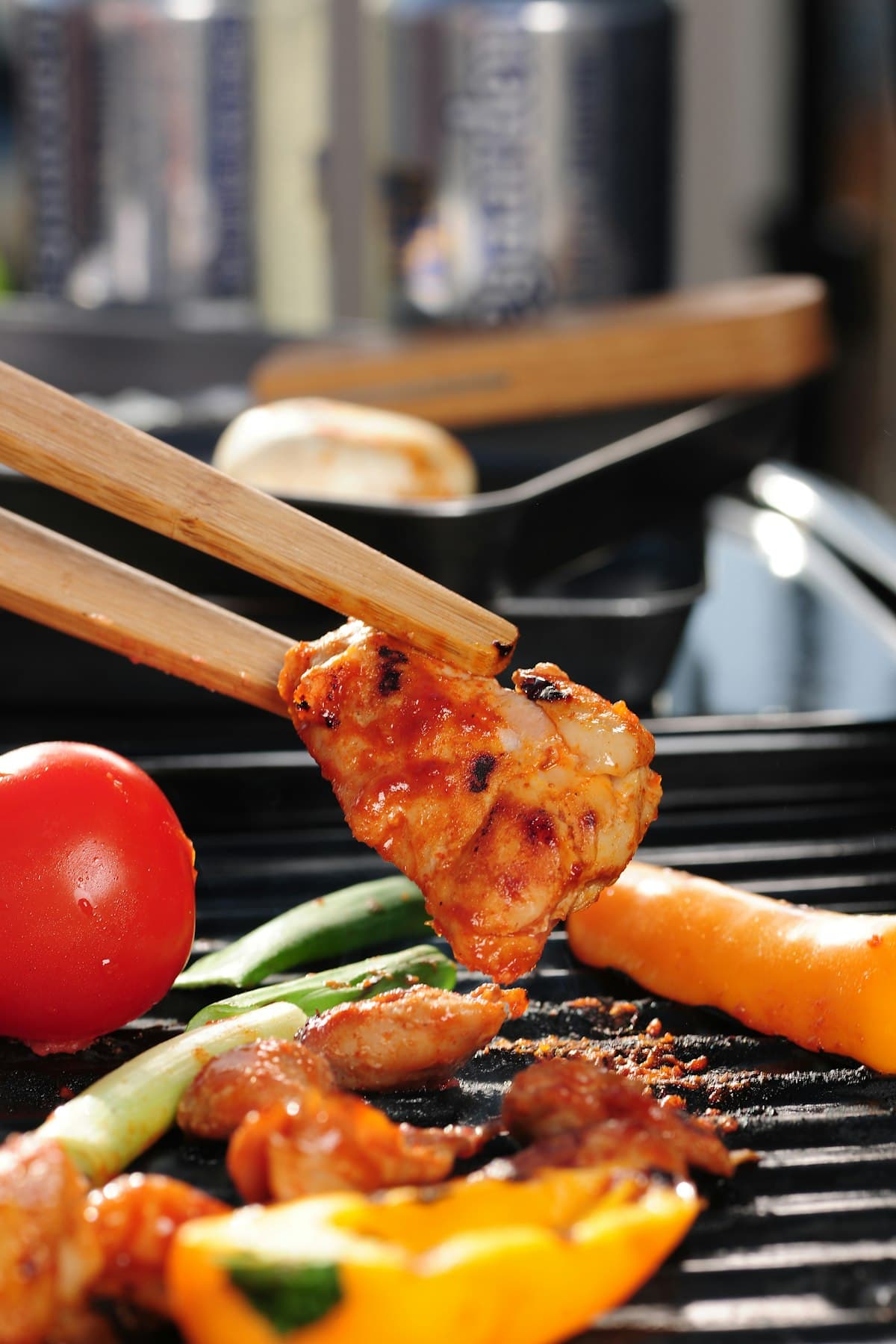
Dak Bulgogi (Chicken Bulgogi)
The marinade ratio and high-heat sear behind dak bulgogi, and why chicken thigh holds up better here than breast.
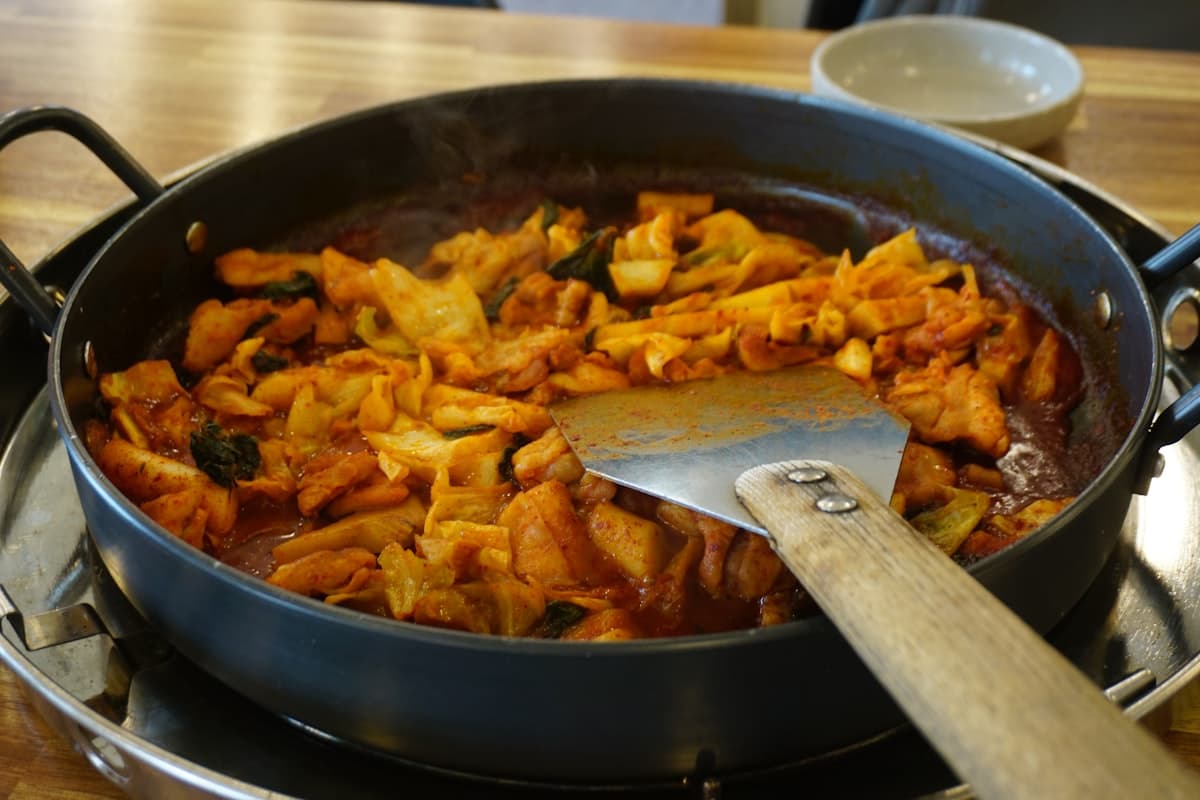
Dak Galbi (Spicy Stir-Fried Chicken)
The gochujang marinade and tabletop-griddle technique behind Chuncheon-style dak galbi, plus why the rice-frying finish is non-negotiable.
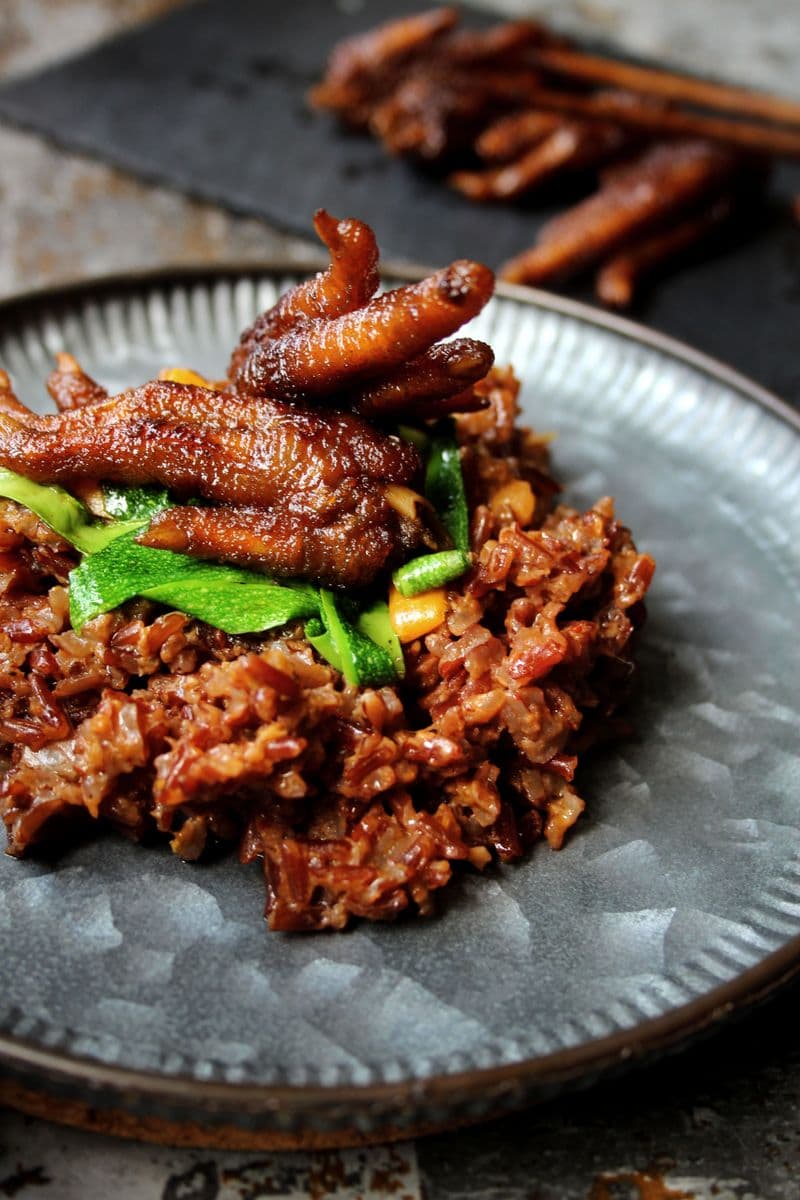
Dakbal (Spicy Chicken Feet)
Why a pre-boil before the spicy braise is essential for chicken feet, and how deboning (or not) changes the finished texture.