Steps
- 1
Turn the intestines inside out if not already done, and scrub thoroughly with flour and coarse salt to remove residue and odor.
- 2
Rinse repeatedly under cold water until the water runs clear.
- 3
Par-boil the cleaned intestines with rice wine, ginger, and green onion for 10-15 minutes to tenderize and remove any remaining smell.
- 4
Drain and let cool slightly, then cut into bite-sized pieces if desired.
- 5
Heat a grill or heavy pan until very hot.
- 6
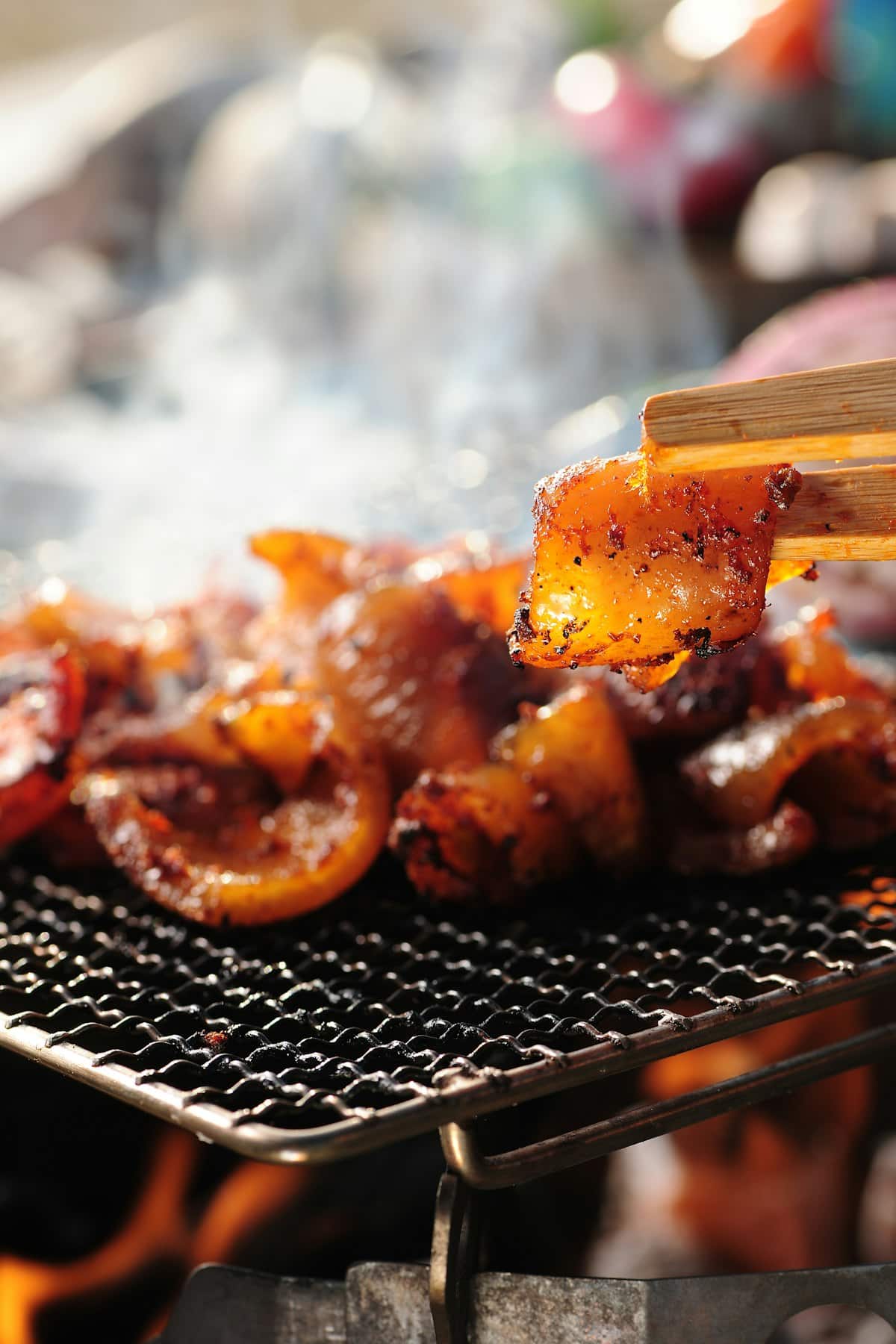
Grill the intestines over high heat, along with the sliced onion, until crisp and charred in spots, 8-10 minutes.
- 7
Serve with a perilla oil and salt-pepper dip.
Did you know — Korean culture
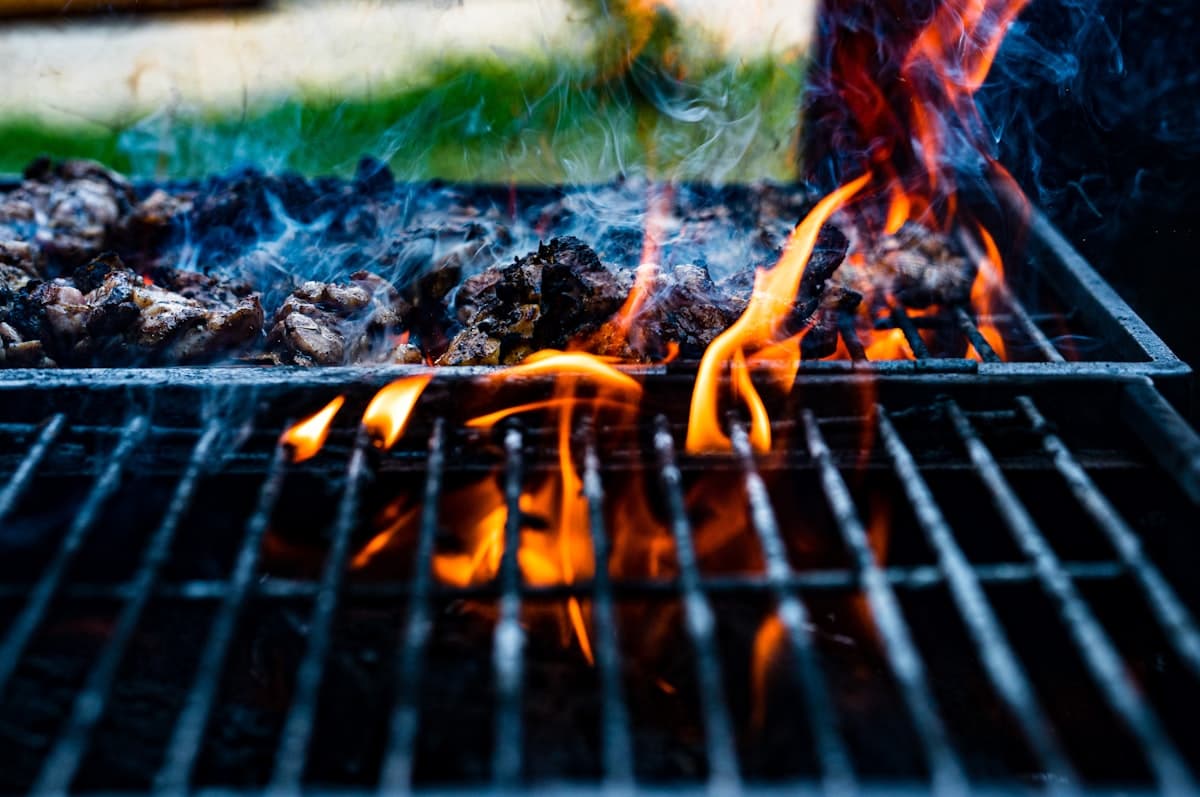
Grilled offal like gopchang became a fixture of Korean drinking culture partly out of necessity. In the lean postwar decades, intestines and other cuts were cheap where prime beef wasn't, and small charcoal grill spots built a whole category of anju (food eaten alongside drinks) around them. What started as an affordable way to eat meat is now often priced as a specialty item in its own right.
The cleaning step is what actually determines whether gopchang gui turns out good or unpleasant — this isn't a cut you can rinse once and move past. Turning the intestines inside out and scrubbing with flour and coarse salt physically strips away residue and much of the strong smell raw intestine can carry, and it needs to be repeated with several rinses, not done once and called finished.
Par-boiling before grilling does double duty: it finishes tenderizing the intestines so the high heat of the grill doesn't just toughen them further, and it clears out any smell the initial scrub didn't fully remove. Skipping straight to the grill after only a light clean is the most common reason gopchang gui turns out chewy and off-smelling instead of crisp and clean-tasting.
Grilled intestines became a fixture of Korean drinking culture largely for economic reasons. In the lean postwar decades, offal cuts like gopchang were cheap in a way prime beef wasn't, and small charcoal grill spots built an entire category of anju — food meant to accompany drinks — around them. What started as an affordable way to stretch meat is now, in a reversal, often priced as a specialty cut in its own right.
Troubleshooting
Smell or off-flavor still noticeable after grilling? The cleaning step needs more attention, not the grilling — repeat the flour-and-salt scrub with several thorough rinses before you even get to par-boiling.
Intestines turning rubbery instead of crisp? They need genuinely high, direct heat at the grilling stage — a lukewarm pan will toughen them instead of crisping the exterior.
Cooking unevenly? Cut the par-boiled intestines into similarly sized pieces before grilling so they crisp at the same rate.
Recommended products
- Tabletop grill plate
- Perilla oil
More to cook
All Meat & BBQ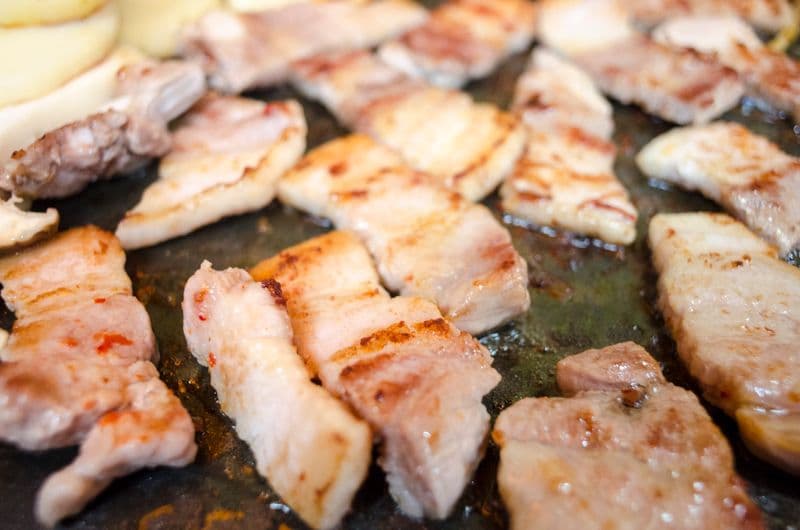
Heuk Dwaeji Gui (Jeju Black Pork BBQ)
Why thick-cut pork belly needs a slower grill and a rest before slicing, and how salt-only seasoning lets the meat itself carry the dish.
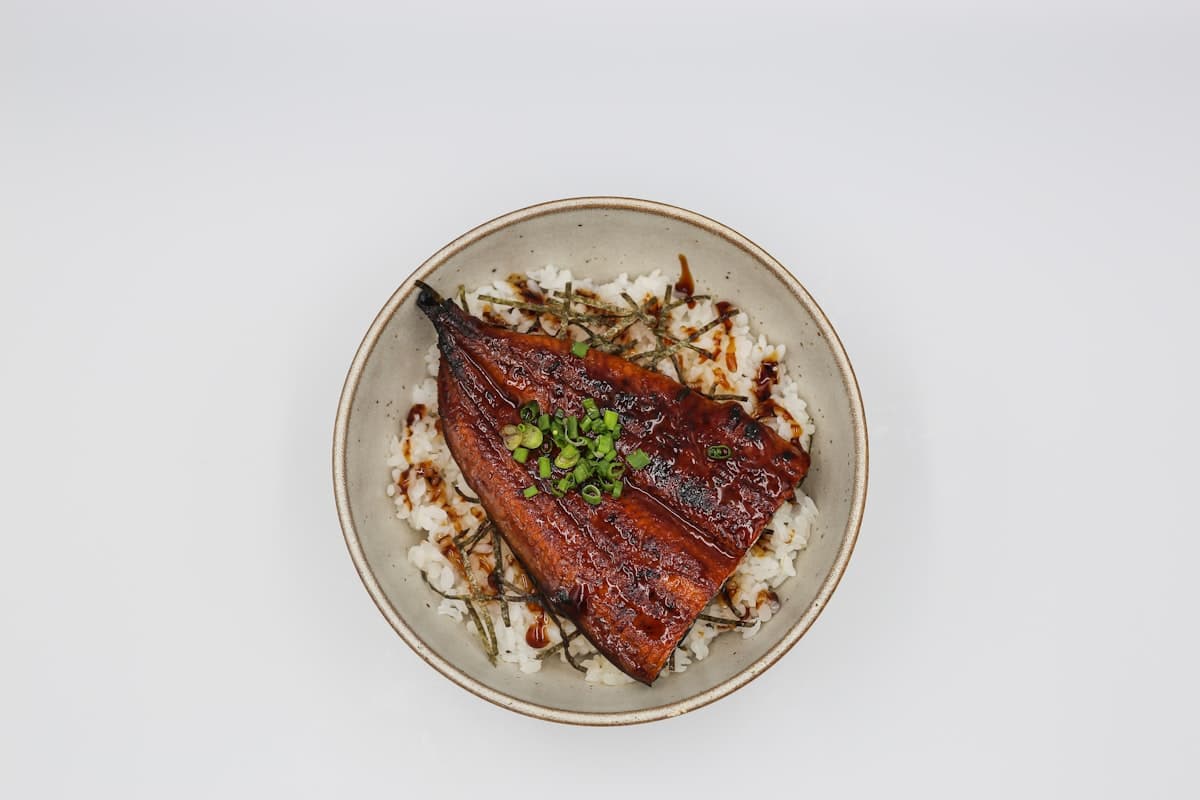
Jangeo Gui (Grilled Eel)
The layered-glazing technique behind jangeo gui's deep lacquered finish, and why one thick coat of sauce never works as well as several thin ones.
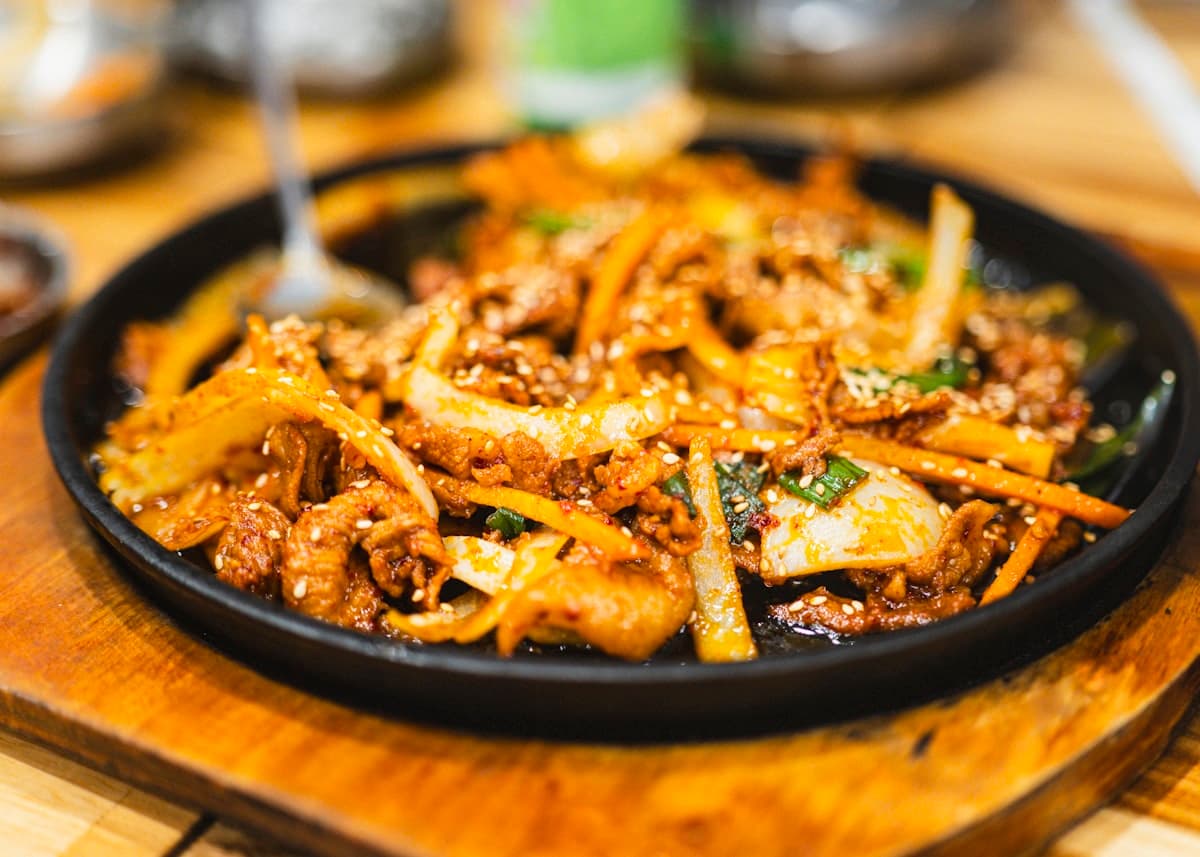
Jeyuk Bokkeum (Spicy Stir-Fried Pork)
The marinade timing and high-heat stir-fry technique behind jeyuk bokkeum, and why thin-sliced pork shoulder works better than pork belly.