Steps
- 1
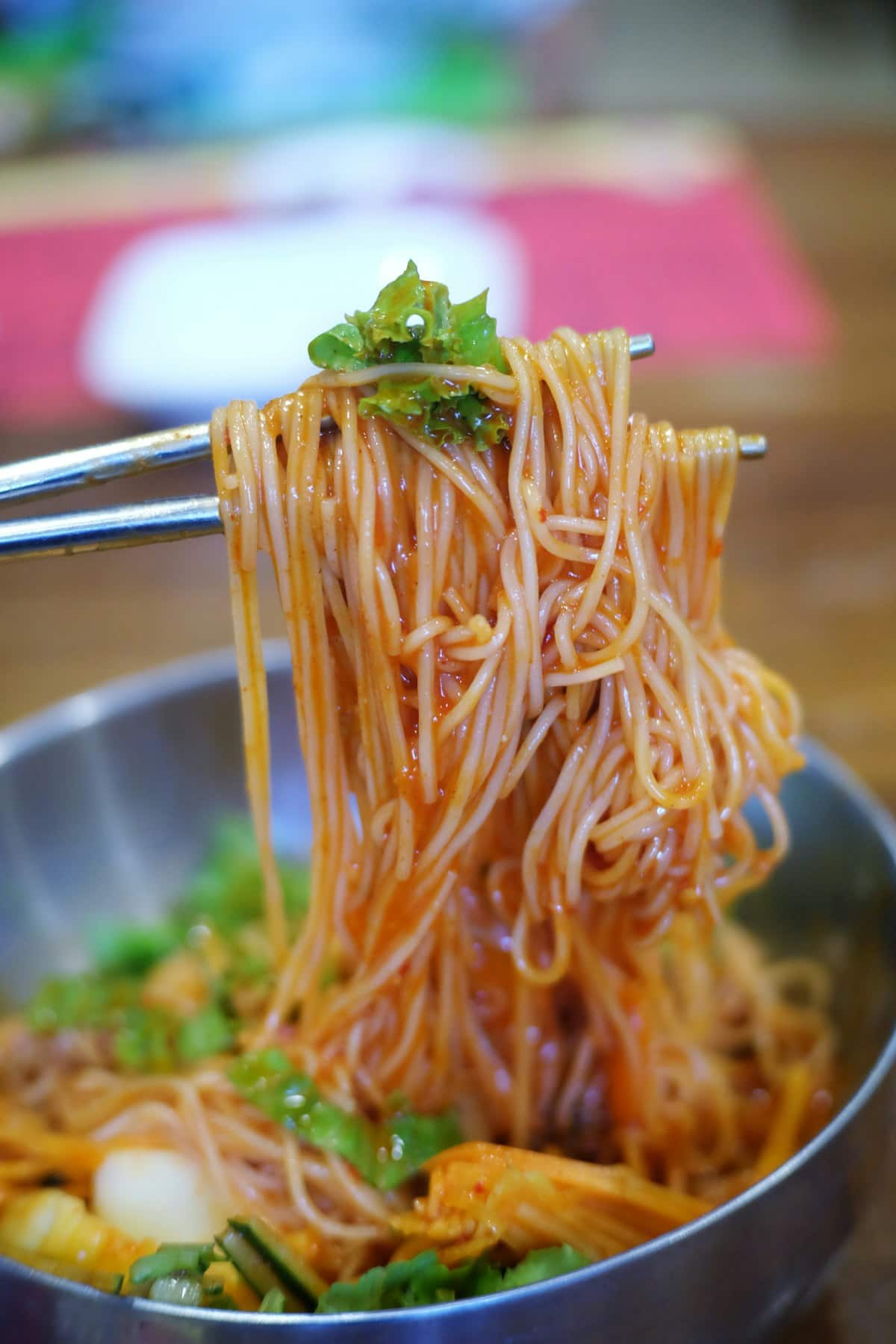
Whisk together gochujang, gochugaru, soy sauce, sugar, vinegar, sesame oil, and garlic into a sauce.
- 2
Bring a pot of water to a boil and cook the somyeon according to package time, usually just 1-2 minutes — these noodles cook fast.
- 3
Drain and immediately rinse under cold running water, rubbing the strands gently to remove surface starch.
- 4
Rinse again in ice water until completely cold, then drain well.
- 5
Toss the noodles directly with the sauce until every strand is coated.
- 6
Top with cucumber, kimchi, egg, and sesame seeds.
- 7
Serve immediately, mixing at the table.
Did you know — Korean culture
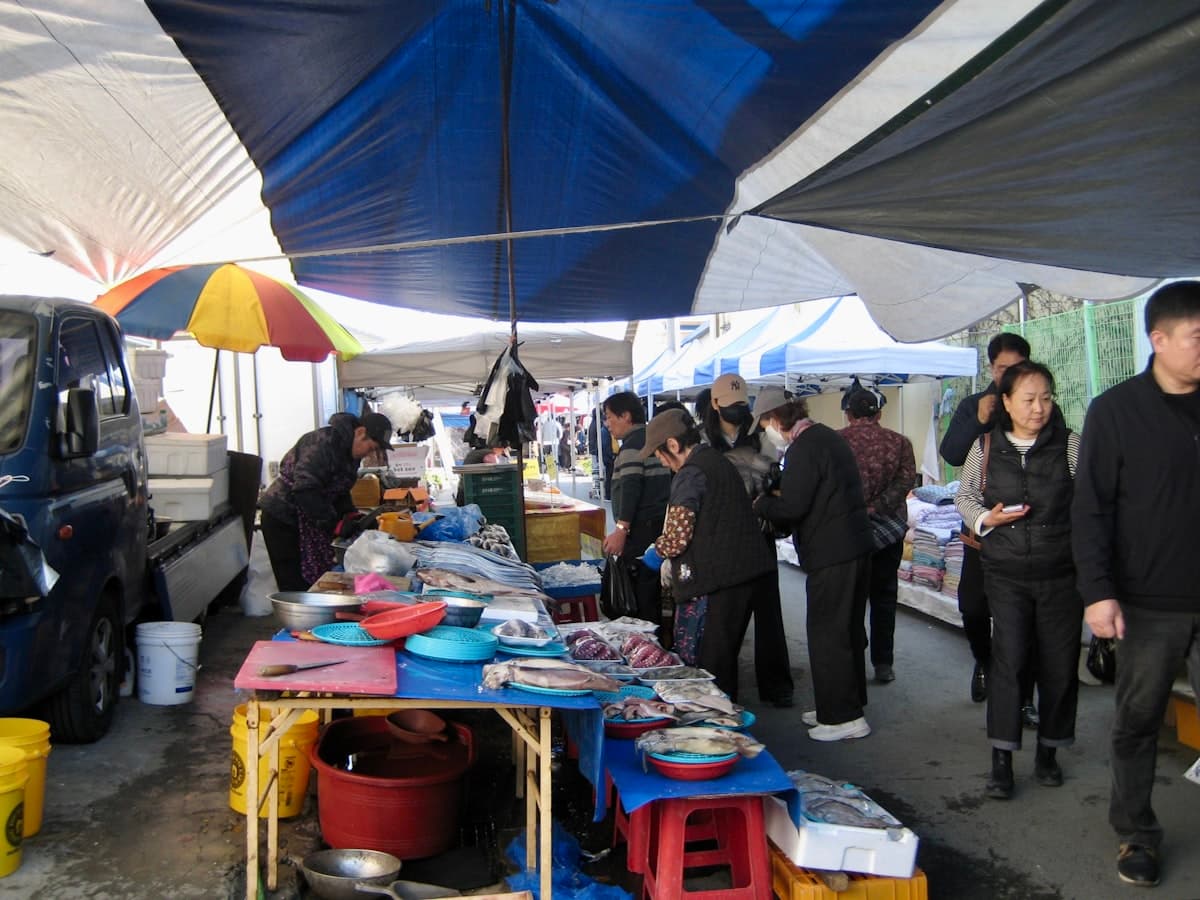
Bibim guksu is built around somyeon, one of the thinnest wheat noodles in Korean cooking, chosen specifically because thin noodles absorb the spicy dressing fast without needing to be cooked in it. It became a defining dish of Korean summer for the opposite reason samgyetang did — instead of fighting heat with heat, bibim guksu leans into cold, fast, no-cook assembly, which is why market stalls sell bowls of it through the hottest months rather than treating it as a year-round staple.
Somyeon is chosen for this dish specifically because it's thin. Thicker noodles don't pick up a raw, no-cook sauce the same way — the sauce just sits on the surface instead of clinging — while thin strands soak the gochujang mixture into nearly every bite within seconds of tossing.
Rinsing matters even more here than in most noodle dishes, since there's no hot broth to hide starchy or clumped noodles. Cold water rinsing, twice, strips the surface starch and firms the noodles back up so the finished dish has bite instead of turning into a gummy tangle.
Bibim guksu became a defining dish of Korean summer for close to the opposite reason samgyetang did. Instead of fighting heat with heat, bibim guksu leans fully into cold, fast, no-cook assembly — which is why market stalls and home kitchens lean on it through the hottest months specifically, rather than treating it as a year-round staple the way rice or stew dishes tend to be.
Troubleshooting
Noodles clumping together? Not rinsed enough after cooking. Keep rinsing under running water until it runs clear, then finish in ice water.
Sauce not clinging to the noodles? Make sure the noodles are well-drained before tossing — leftover water dilutes the sauce and keeps it from coating evenly.
Dish tastes one-note spicy? The vinegar and sugar are there to balance the heat — don't skip them even if the ratio looks small compared to the gochujang.
Recommended products
- Somyeon (thin wheat noodles)
- Large mixing bowl
More to cook
All Rice & Noodles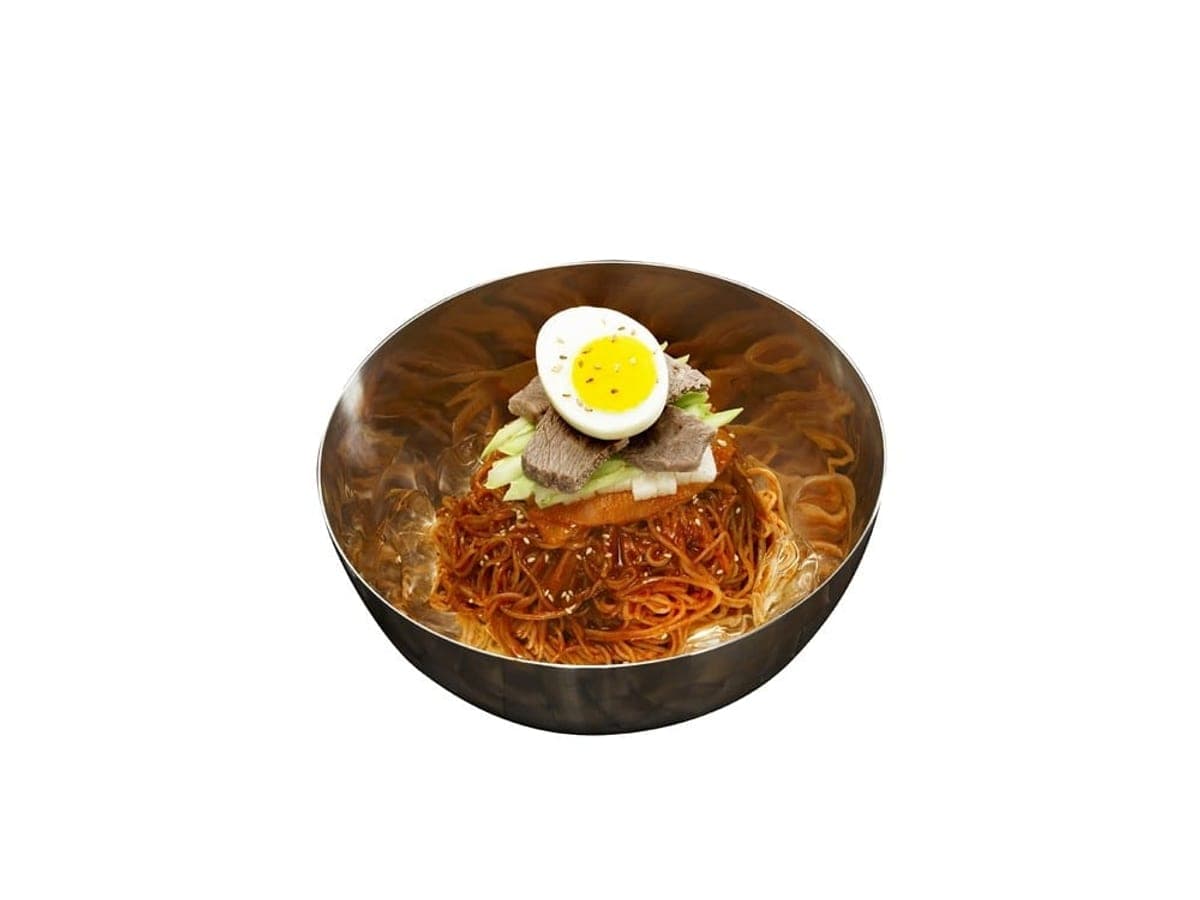
Bibim Naengmyeon (Spicy Cold Buckwheat Noodles)
Why bibim naengmyeon noodles need a hard cold-water scrub rather than a rinse, and how the sauce is built thick enough to coat noodles that carry no broth.
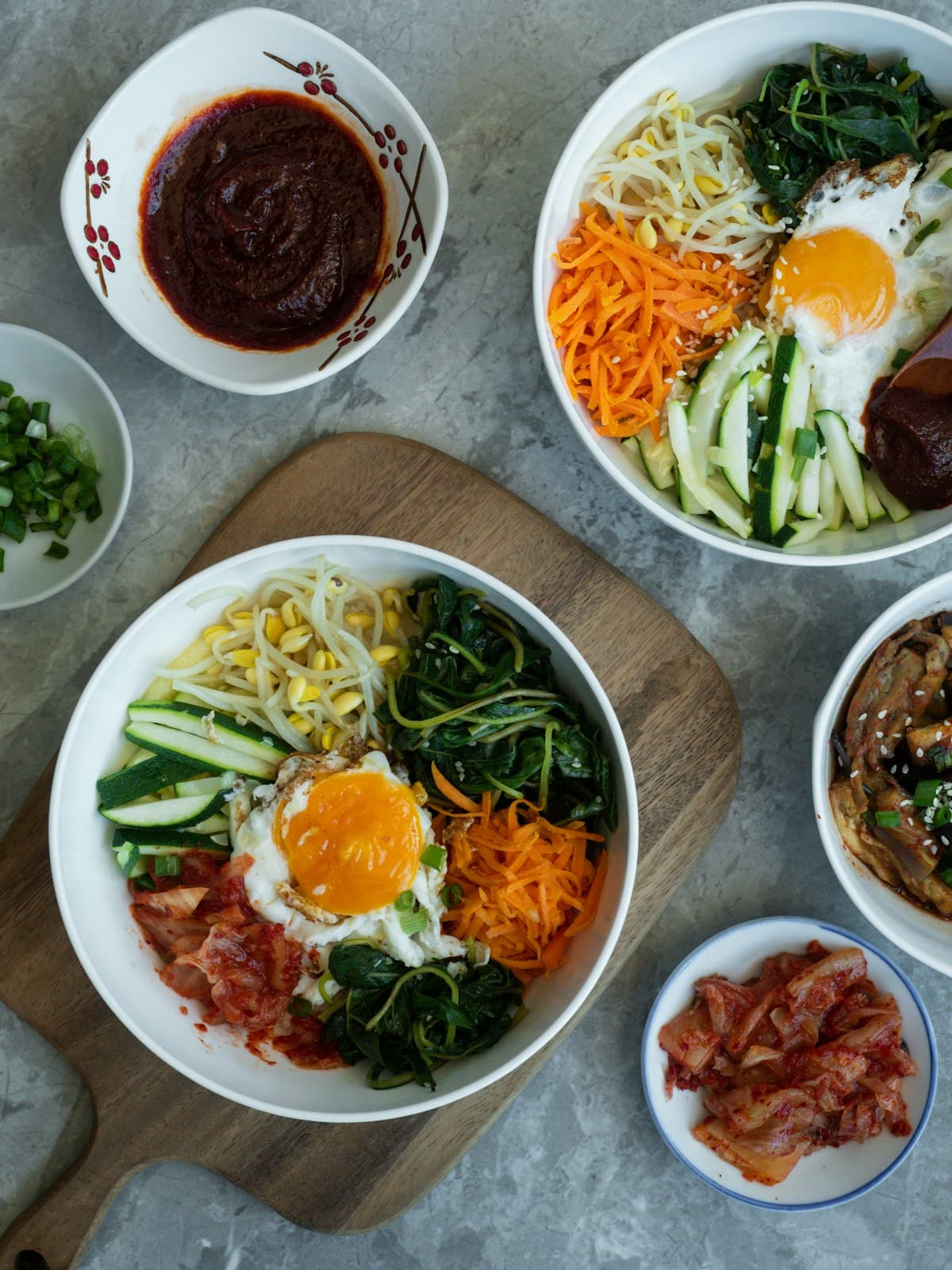
Bibimbap (Korean Mixed Rice Bowl)
The real technique behind bibimbap — five namul cooked separately, a gochujang sauce that actually balances, and the color logic most recipes skip.
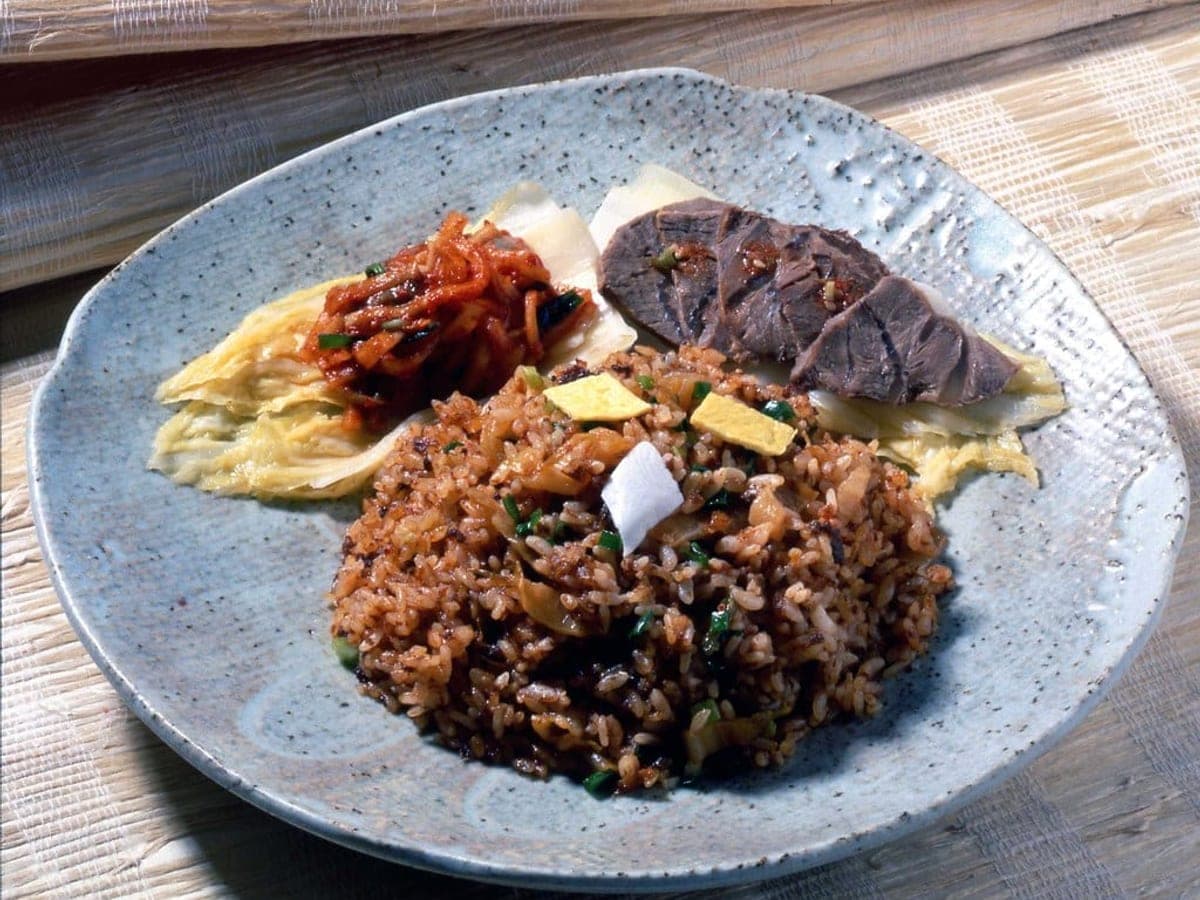
Bokkeumbap (Korean Fried Rice)
Why day-old refrigerated rice fries and fresh rice steams, and the order ingredients hit the pan so nothing ends up soggy.