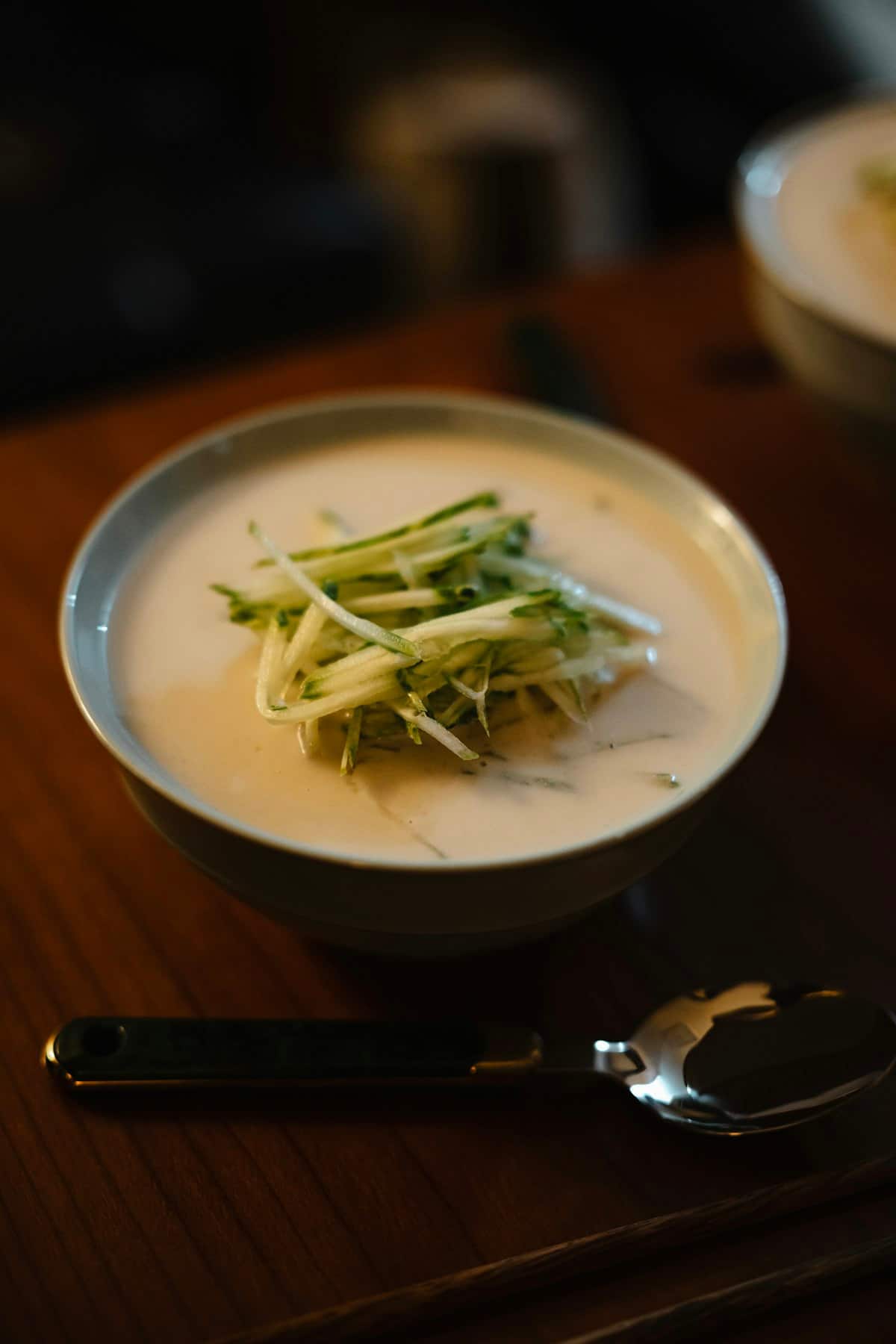
Steps
- 1
Drain the soaked soybeans and boil them in fresh water for 15-20 minutes, until fully tender.
- 2
Drain again, then blend the cooked soybeans with 4 cups fresh water until completely smooth.
- 3
Strain the blended mixture through a fine cloth or sieve to remove any remaining bean skins or grit.
- 4
Season the strained soy milk with salt or sugar to taste, then chill thoroughly.
- 5
Boil the noodles according to package time, usually 3-4 minutes.
- 6
Rinse the noodles immediately under cold water, then again in ice water, until completely cold.
- 7
Divide the noodles between two bowls and pour the chilled soy milk over them.
- 8
Top with cucumber, egg, sesame seeds, and a few ice cubes.
Did you know — Korean culture
Kongguksu's soy milk base traces back to Korean Buddhist temple cooking, where monks needed a filling, protein-rich meal without using any meat or animal products. Soybeans, already a staple, got blended into a milky broth as a plant-based substitute for the animal-based stocks used elsewhere in Korean cooking, and the dish eventually spread well beyond temple kitchens into everyday summer eating. There's also a long-running regional debate baked into the recipe: some households season the broth with salt, others with sugar, and neither side considers the question settled.
Straining the blended soy milk isn't optional if you want the smooth, silky texture kongguksu is known for. Even a powerful blender leaves behind fine bits of bean skin, and skipping the strain leaves a gritty broth that undercuts the whole point of a dish built around a perfectly smooth, creamy liquid.
A real overnight soak for the dried soybeans matters more here than in most bean recipes, since these beans get blended raw-cooked into the broth itself rather than simmered into a stew where texture matters less. Under-soaked beans blend into a grainier, less silky base no amount of straining fully fixes.
Kongguksu's soy milk base traces back to Korean Buddhist temple cooking, where monks needed a filling, protein-rich meal without using any meat or animal products. Soybeans, already a staple, got blended into a milky broth as a plant-based substitute for animal-based stocks, and the dish eventually spread well beyond temple kitchens into everyday summer eating. There's also a long-running regional debate baked into the recipe: some households season the broth with salt, others with sugar, and neither side considers the question settled.
Troubleshooting
Broth grainy instead of smooth? The straining step probably wasn't thorough enough — push the mixture through a fine cloth, not just a coarse strainer, and don't rush it.
Noodles clumping together? Not rinsed enough after boiling. Rinse under running water until it runs clear, then finish in ice water.
Broth tastes bland? Season more assertively than feels natural — a mild soy milk base needs real salt (or sugar) to taste like something once it's poured cold over noodles.
Recommended products
- High-powered blender
- Fine straining cloth
More to cook
All Rice & Noodles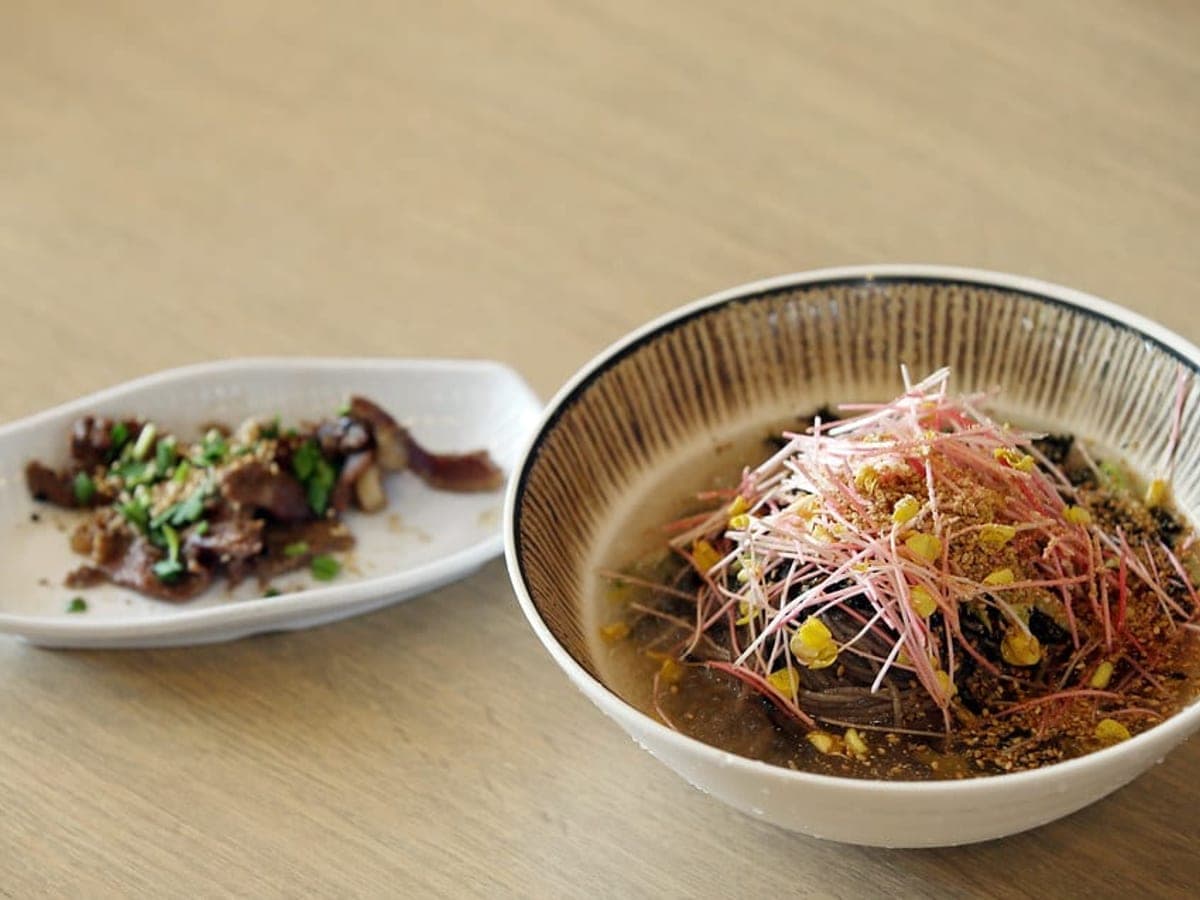
Makguksu (Chilled Buckwheat Noodles)
Why makguksu is dressed rather than drowned, and how the buckwheat noodles are rinsed hard so the sauce clings instead of sliding straight off.
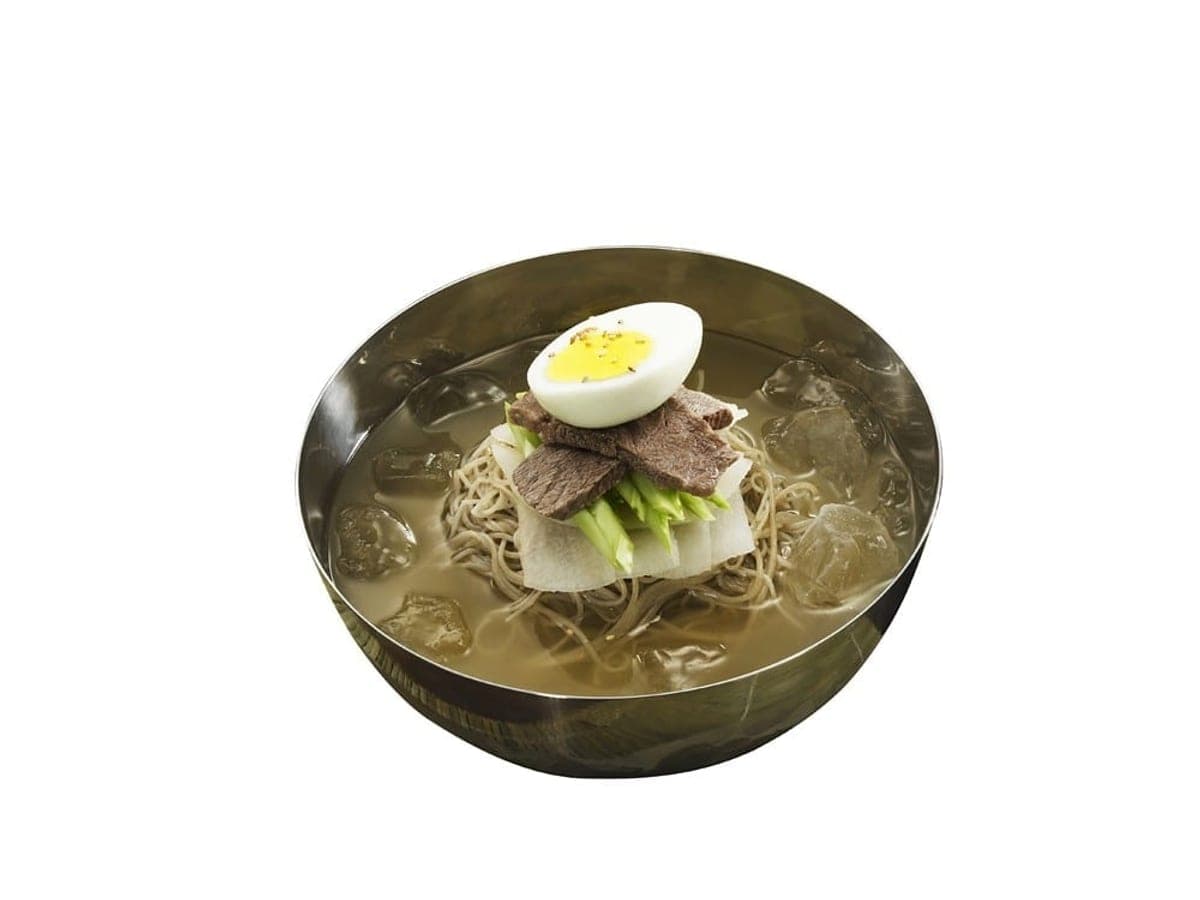
Mul Naengmyeon (Chilled Buckwheat Noodle Soup)
How the broth for mul naengmyeon is chilled to a slush rather than merely cold, and why the noodles are cut at the table instead of before serving.
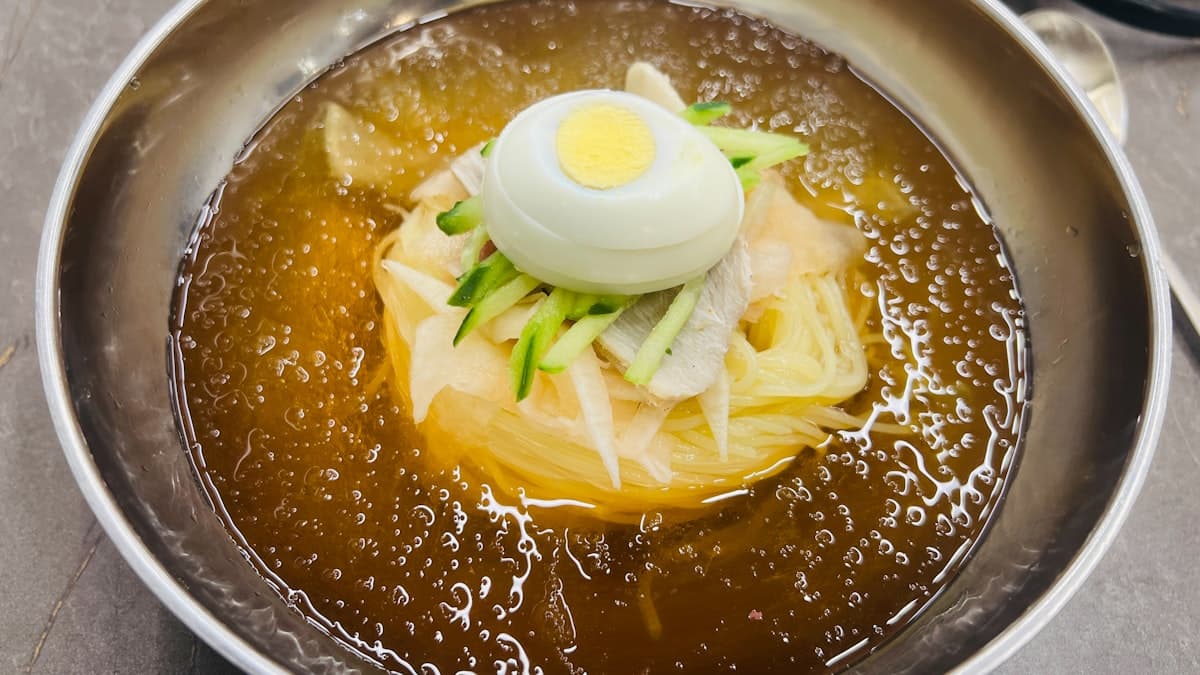
Naengmyeon (Korean Cold Noodles)
Why buckwheat noodles only work cold, not hot, and the icy broth technique behind Pyongyang-style naengmyeon.