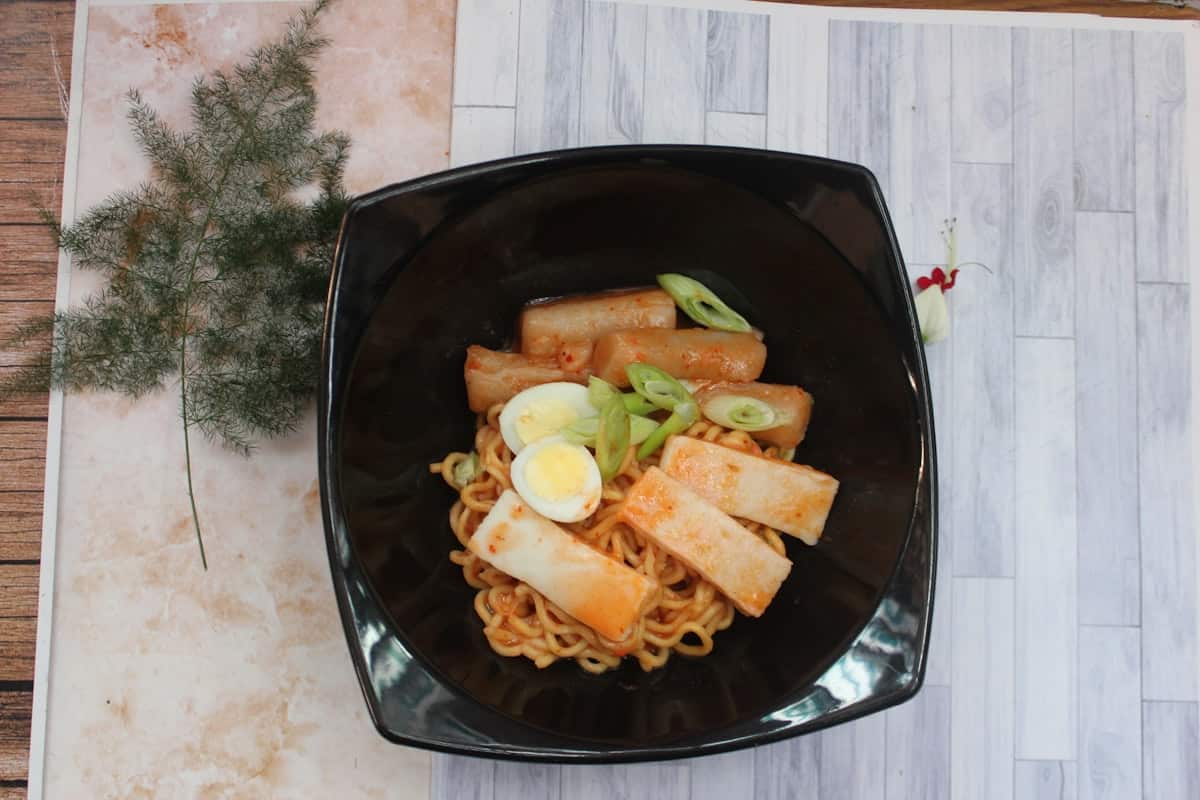
Steps
- 1
Whisk together gochujang, gochugaru, soy sauce, sugar, vinegar, sesame oil, and garlic into a sauce.
- 2
Bring a pot of water to a boil and cook the jjolmyeon noodles according to package time, usually 4-5 minutes — these are thicker than most noodles, so don't rush them.
- 3
Drain and rinse thoroughly under cold running water, rubbing the strands to remove surface starch.
- 4
Rinse again in ice water, longer than you would for a thinner noodle, until completely cold and firm.
- 5
Toss the noodles with the sauce until every strand is coated.
- 6
Top with cucumber, cabbage, egg, and sesame seeds.
- 7
Serve immediately, mixed at the table.
Did you know — Korean culture
Jjolmyeon is said to have started as a mistake. In 1970s Iksan, a noodle factory supplying naengmyeon (cold buckwheat noodle) restaurants reportedly used a thicker-gauge extrusion nozzle meant for a different noodle by accident, producing unusually thick, chewy wheat noodles instead of the thin ones ordered. Rather than scrap the batch, a nearby restaurant tossed them in spicy sauce and served them anyway — customers liked the unexpected chew, and jjolmyeon became its own dish instead of a factory error.
Jjolmyeon noodles are noticeably thicker and denser than most Korean wheat noodles, and that changes the rinsing math. A quick rinse that's plenty for thin somyeon isn't enough here — these need a longer, more thorough cold-water shock to firm all the way through and lose their surface starch, or the sauce ends up sliding off instead of clinging.
Because the noodles are already so chewy on their own, the sauce doesn't need much help building texture — its whole job is flavor. That's why this sauce leans slightly sweeter and more vinegar-forward than a typical gochujang mix, balancing the noodle's dense bite rather than trying to add more of its own.
Jjolmyeon is said to have started as a mistake. In 1970s Iksan, a noodle factory supplying naengmyeon (cold buckwheat noodle) restaurants reportedly used a thicker-gauge extrusion nozzle meant for a different noodle by accident, producing unusually thick, chewy wheat noodles instead of the thin ones ordered. Rather than scrap the batch, a nearby restaurant tossed them in spicy sauce and served them anyway — customers liked the unexpected chew, and jjolmyeon became its own dish instead of a factory error.
Jjolmyeon's chew comes from the same starch-noodle family that gives jjajangmyeon its heft, though the two dishes could not be further apart in flavour — one is cold, sharp and sour, the other warm and deeply savoury.
Troubleshooting
Noodles still starchy-tasting after rinsing? Give them more time under cold running water than you'd think necessary — jjolmyeon's thickness means it holds onto surface starch longer than thin noodles do.
Sauce sliding off instead of coating the noodles? The noodles probably weren't rinsed and drained thoroughly enough — any leftover water dilutes the sauce right off the strands.
Dish tasting too dense or one-note? Don't skip the vinegar and sugar — they're doing real balancing work against the noodle's heavy chew, more than in a typical bibim-style dish.
Recommended products
- Jjolmyeon noodles
- Large mixing bowl
More to cook
All Rice & Noodles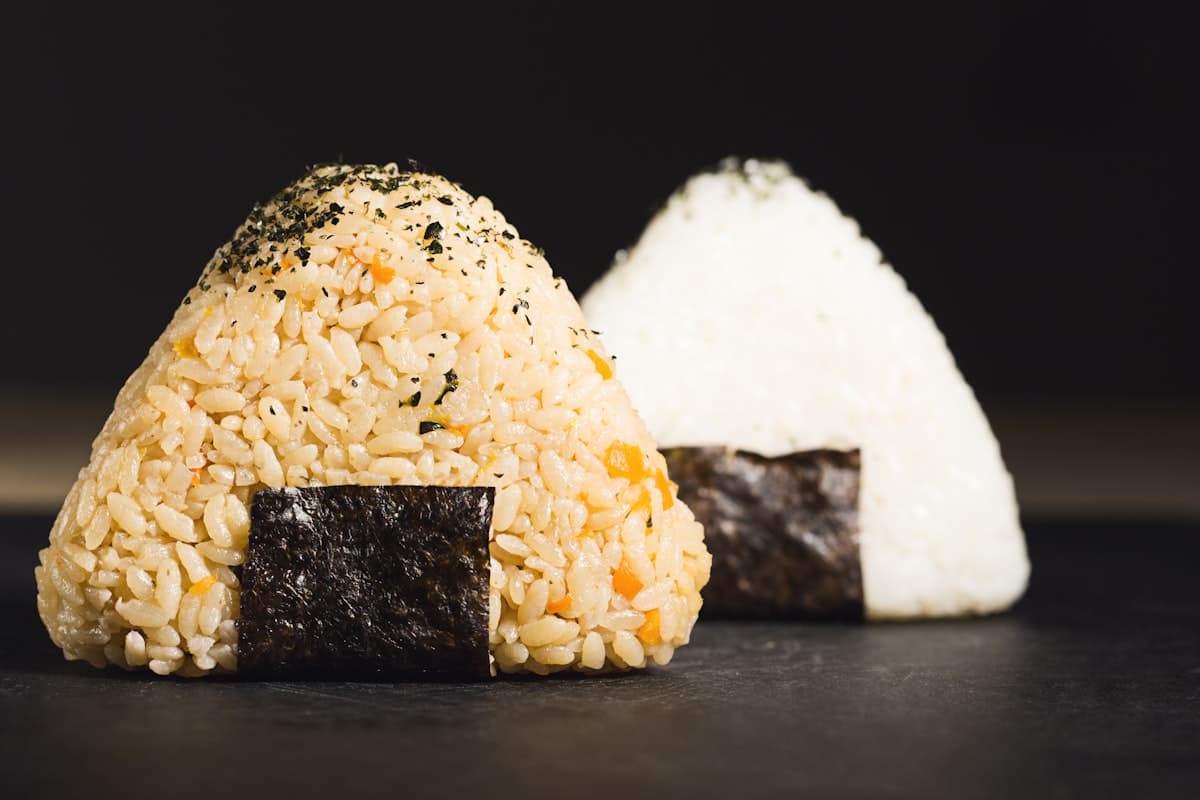
Jumeokbap (Seasoned Rice Balls)
The warm-rice mixing technique behind jumeokbap, and why packing it while hot matters more than any specific filling choice.
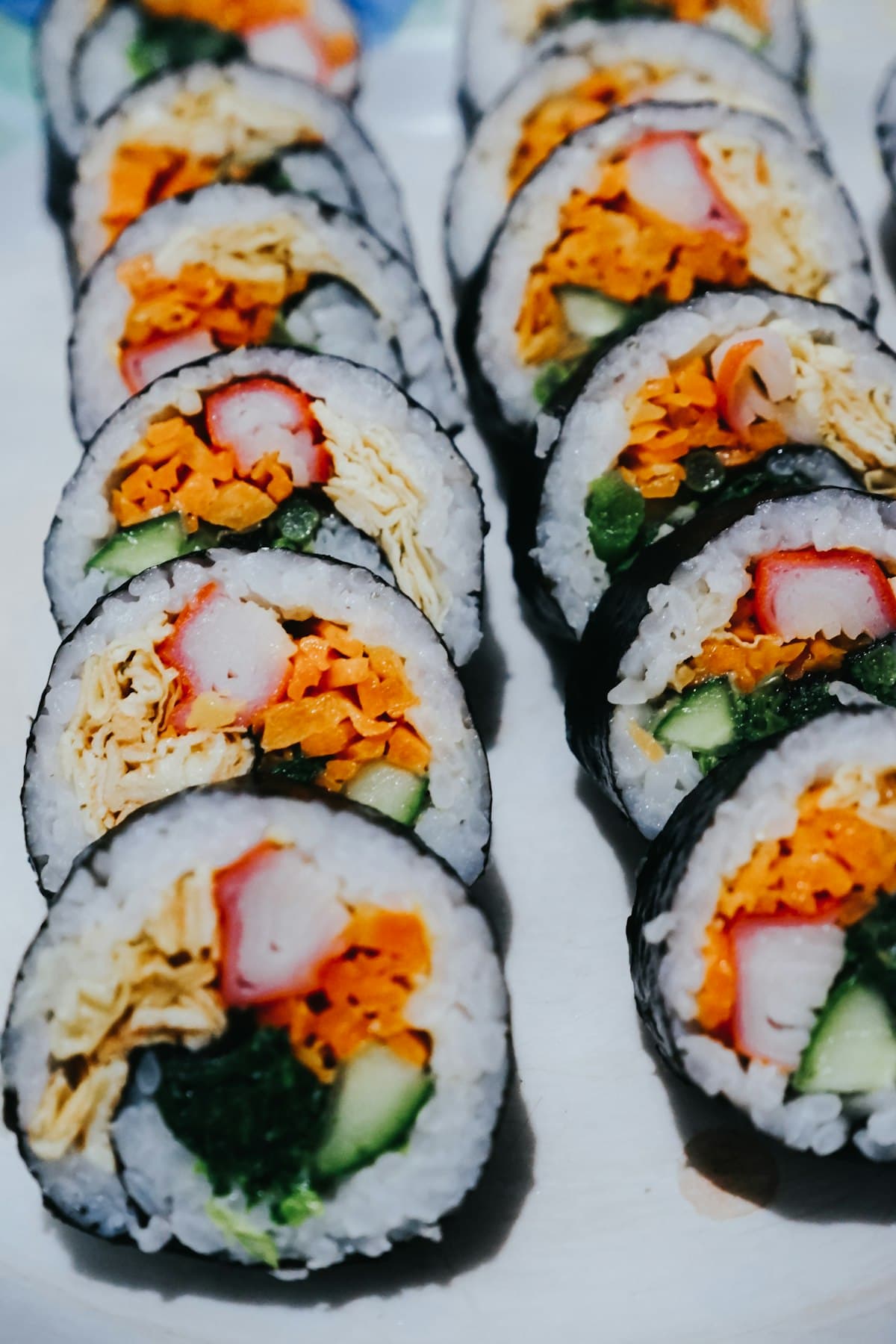
Kimbap (Korean Seaweed Rice Rolls)
Why kimbap isn't 'Korean sushi' — the sesame-seasoned rice, the cooked fillings, and the rolling technique that keeps every slice tight.
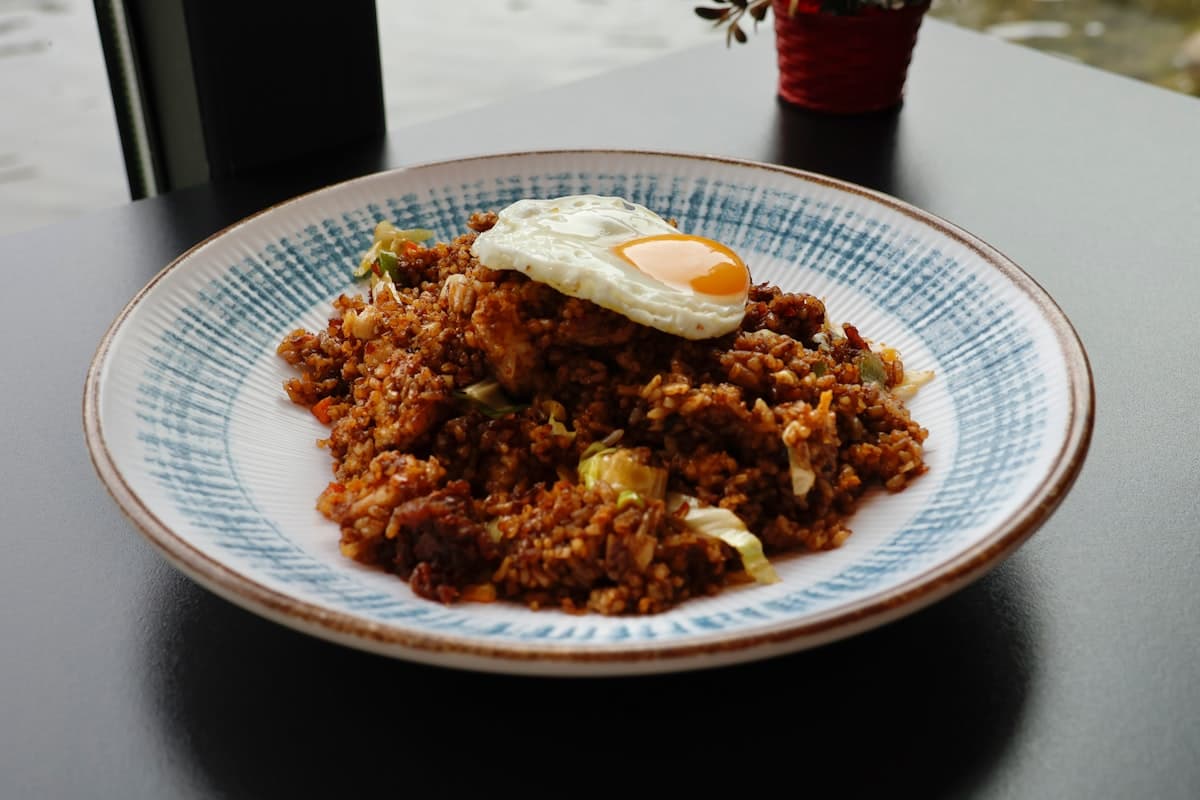
Kimchi Bokkeumbap (Kimchi Fried Rice)
Why kimchi bokkeumbap wants old, over-fermented kimchi specifically, and the high-heat technique that keeps the rice from turning mushy.