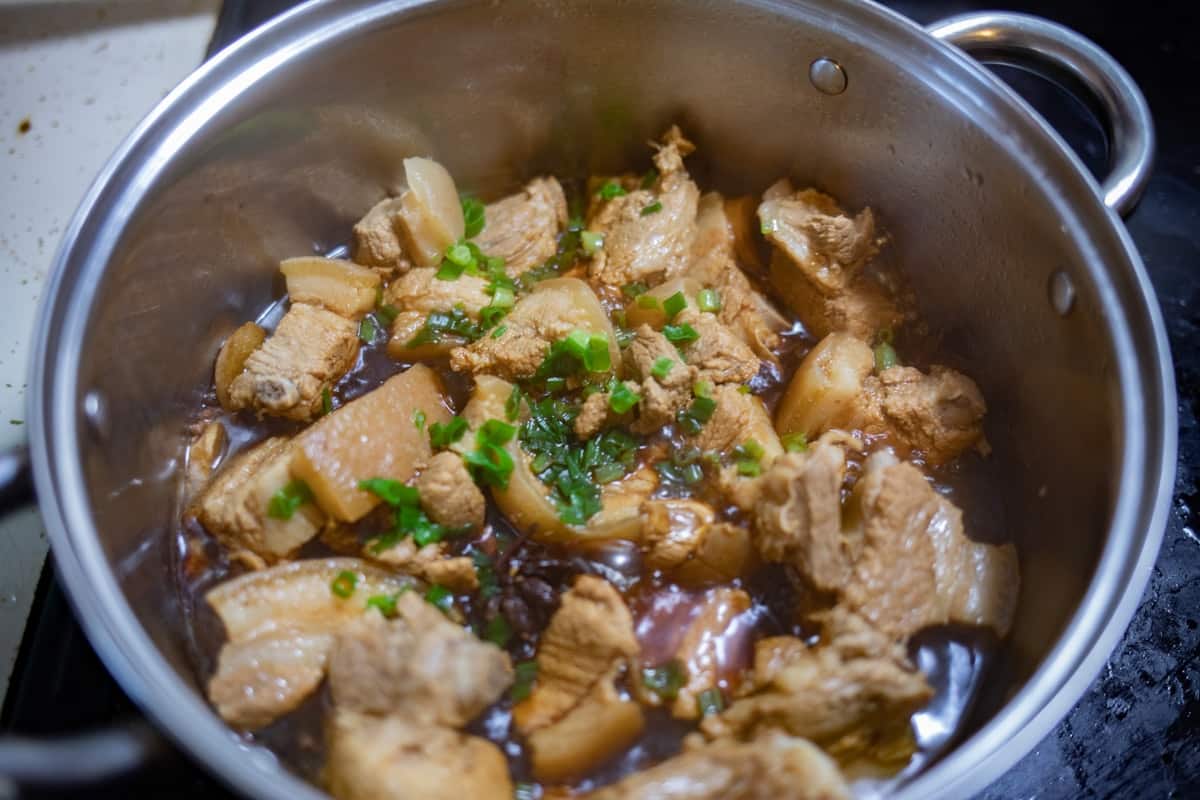
Meat & BBQ
Jjimdak (Andong Braised Chicken with Glass Noodles)
By Suku · · Updated
Prep
20 min
Cook
35 min
Servings
4
Steps
- 1
Parboil the chicken briefly in boiling water, then drain and rinse to remove surface fat and impurities.
- 2
Whisk together soy sauce, brown sugar, gochujang, garlic, and ginger into a sauce.
- 3
Combine the chicken, sauce, and water in a wide pot and bring to a boil.
- 4
Reduce to a simmer and cook 10 minutes.
- 5
Add the potato, carrot, onion, and mushrooms, and simmer another 15-20 minutes until the chicken and potato are tender.
- 6
Add the soaked glass noodles in the last 5-7 minutes, stirring them into the sauce until they turn glossy and tender.
- 7
Finish with green onion and a drizzle of sesame oil.
Did you know — Korean culture
Jjimdak has a specific, traceable birthplace: Andong's Gujeong Market, sometime in the late 1970s to early 1980s, now nicknamed "Jjimdak Alley" for the cluster of restaurants that grew up around it. As the story goes, local vendors were losing customers to the newly arriving Western-style fried chicken franchises and needed something cheaper and more distinctly their own — soy-braising chicken with vegetables and glass noodles was the answer, and it became one of the clearest examples of a dish invented directly in response to fast-food competition rather than handed down from older tradition.
The glass noodles go in last for a reason that's easy to get backwards. Dangmyeon cooks fast once it's already soaked, and dropped in too early it turns mushy and starchy, clouding the sauce. Adding it in the final few minutes, after the chicken and vegetables are already most of the way done, is what keeps the noodles distinctly chewy rather than soft and waterlogged.
Parboiling the chicken before the real braise starts follows the same logic as most of this site's other bone-in braises — it clears surface blood and impurities that would otherwise cloud the sauce and leave a faint off-flavor underneath the soy and gochujang.
Jjimdak has a specific, traceable birthplace: Andong's Gujeong Market, sometime in the late 1970s to early 1980s, now nicknamed "Jjimdak Alley" for the cluster of restaurants that grew up around it. Local vendors were reportedly losing customers to newly arriving Western-style fried chicken franchises and needed something cheaper and more distinctly their own — soy-braising chicken with vegetables and glass noodles was the answer, making it one of the clearer examples of a dish invented directly in response to fast-food competition rather than handed down from older tradition.
A soy braise, not a spicy stew
Jjimdak is often assumed to be spicy because it comes from Andong and looks dark, but the base is soy sauce, sugar and aromatics — savoury-sweet rather than hot. Whole dried chilies go in for a background warmth that you can scale up or leave out entirely.
This makes it one of the more approachable Korean dishes for people who don't want heat, and it is genuinely good food for children.
The sauce should end up glossy and reduced, coating everything, not sitting as thin broth.
Chicken, noodles and vegetables
Bone-in chicken, cut into pieces. The bones matter — they give the sauce body over the braise. A whole chicken cut up, or thighs and drumsticks, both work. Boneless breast does not.
Rinse or briefly parboil the chicken first to remove blood and scum, the same principle as gamjatang. It gives a cleaner sauce.
Dangmyeon — sweet potato glass noodles, the same as japchae — soaked in warm water beforehand and added near the end. They soak up sauce and are most people's favourite part.
Potato, carrot, onion, scallion, cut large. Potato also thickens the sauce as its starch releases.
Order and timing
The sequence is what keeps everything from turning to mush:
- Chicken and sauce, 20 minutes — bones start giving up flavour
- Potato and carrot, 15 minutes
- Onion and cabbage, 5 minutes
- Soaked noodles, last 3–5 minutes, no longer
About 45 minutes total.
Noodles added too early absorb everything and turn the dish claggy — they keep swelling in the residual heat, so pull the pan slightly before they look done.
Adjusting the sauce
Too salty? More sugar and a splash of water; soy sauce brands vary enormously in salt.
Too thin? Take the lid off and raise the heat for the last few minutes. The potato starch will help.
Too sweet? A splash of soy and a little black pepper.
For gloss, a spoonful of jocheong or syrup in the last few minutes rather than more sugar earlier — sugar added early just dissolves in and sweetens.
Taste before the noodles go in. They will absorb a lot and dilute the seasoning.
Storing and reheating
3 days refrigerated. The chicken and vegetables hold up well.
The noodles do not. They keep absorbing and turn soft and bloated. If you know you will have leftovers, cook and add noodles per portion rather than all at once.
Reheat on the stove with a splash of water.
Freezing: the chicken and sauce freeze fine for a month; leave noodles and potato out.
What to serve with jjimdak
- Rice, essential — the sauce is intense and is meant to go over it
- Kimchi and pickled radish
- A light banchan or two — sigeumchi namul
- Nothing heavy. It is a one-pot meal for a table.
Troubleshooting
Noodles gummy and clumped instead of chewy? They went in too early, or weren't soaked enough beforehand. Soak dangmyeon a full 20 minutes, and add it only in the last 5-7 minutes of cooking.
Sauce tastes flat despite plenty of soy sauce? The gochujang is there for a reason — it adds a savory depth soy sauce and sugar alone don't cover. Don't skip it even though the quantity looks small.
Chicken tough after the full simmer time? Bone-in pieces vary — give it a few more minutes and check for tenderness at the joint rather than committing to a fixed clock.
Common questions
Is jjimdak spicy?
Not inherently. The base is soy sauce and sugar — savoury-sweet rather than hot. Dried chilies add a background warmth that you can increase or leave out entirely, which makes it one of the more approachable Korean dishes.
What noodles go in jjimdak?
Dangmyeon — sweet potato glass noodles, the same as in japchae. Soak them in warm water first and add them in the last three to five minutes, or they absorb all the sauce and go bloated.
Can I use boneless chicken for jjimdak?
Bone-in is much better. The bones give the sauce body over the braise and the meat stays moist. Boneless thigh is an acceptable compromise; breast dries out.
Why is my jjimdak sauce watery?
Take the lid off and raise the heat for the last few minutes to reduce it. The potato helps thicken as its starch releases. Adding the noodles too early also dilutes it, since they release starch and absorb seasoning.
What is Andong jjimdak?
The version from Andong, in North Gyeongsang province, which is where the dish is most associated. It's the same soy-braised chicken with glass noodles and vegetables, and the name is now used fairly loosely for the dish in general.
Recommended products
- Dangmyeon (Korean glass noodles)
- Wide braising pot
More to cook
All Meat & BBQ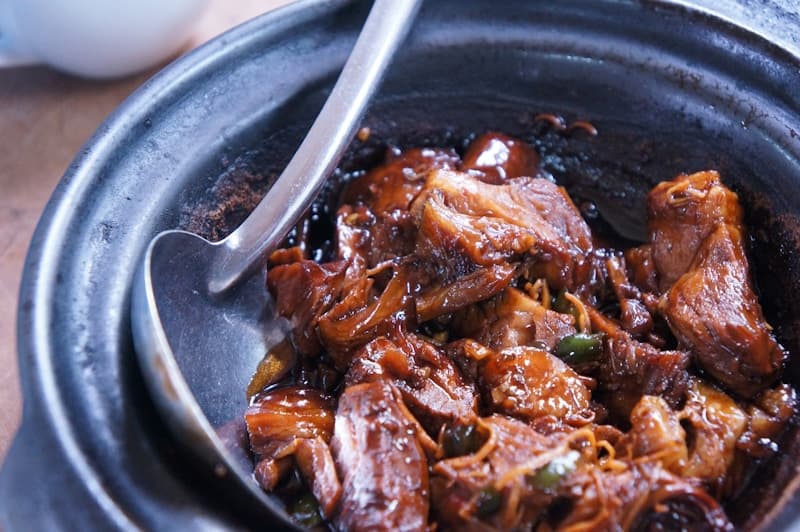
Kalbi Jjim (Braised Short Ribs)
The soaking and simmering technique that turns tough short ribs tender and glossy, plus why the braising liquid needs a second reduction.
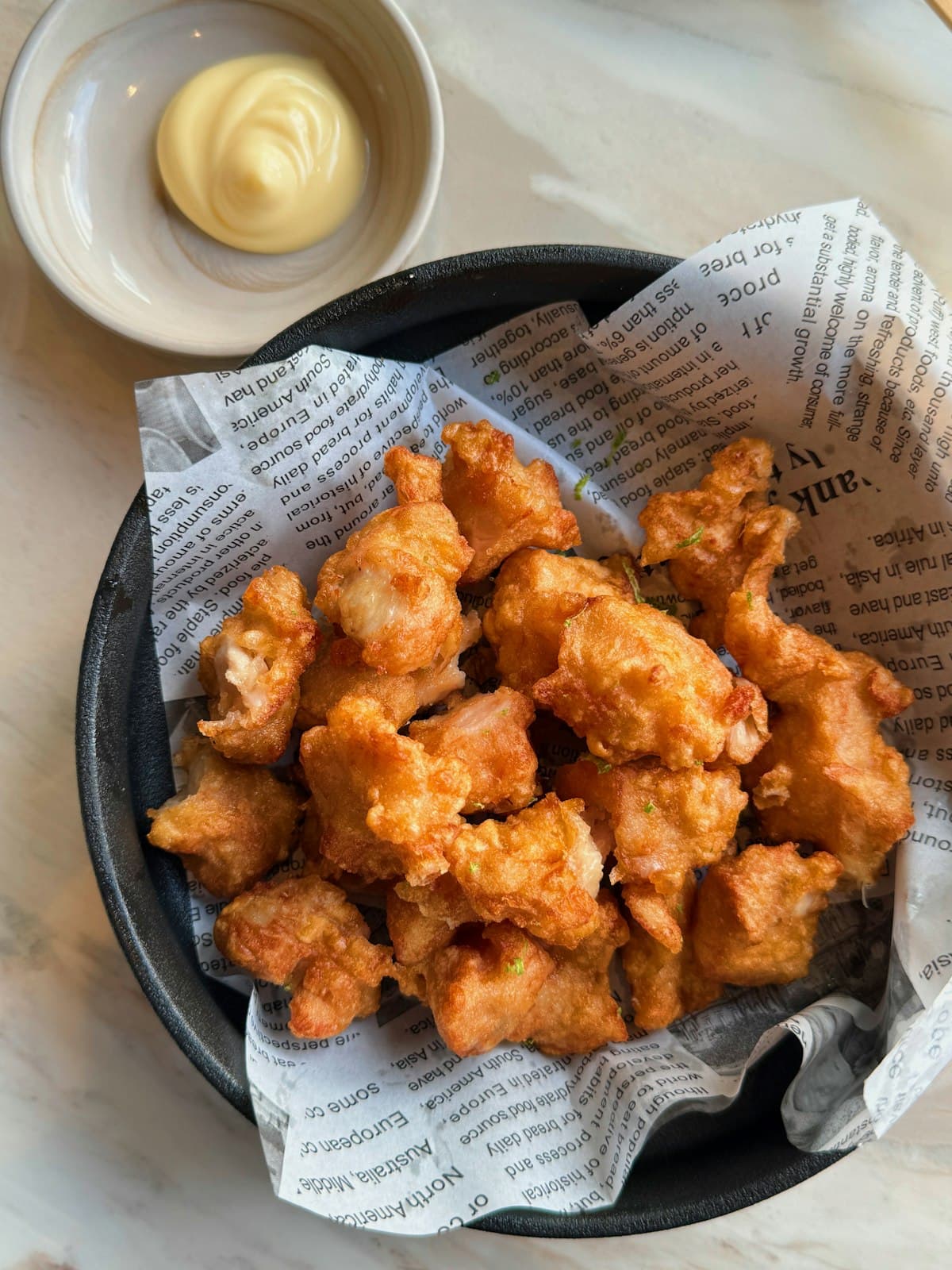
Korean Fried Chicken (Yangnyeom Chicken)
The double-fry technique that makes Korean fried chicken stay crispy under sauce, plus the sweet-spicy yangnyeom glaze most home versions get wrong.
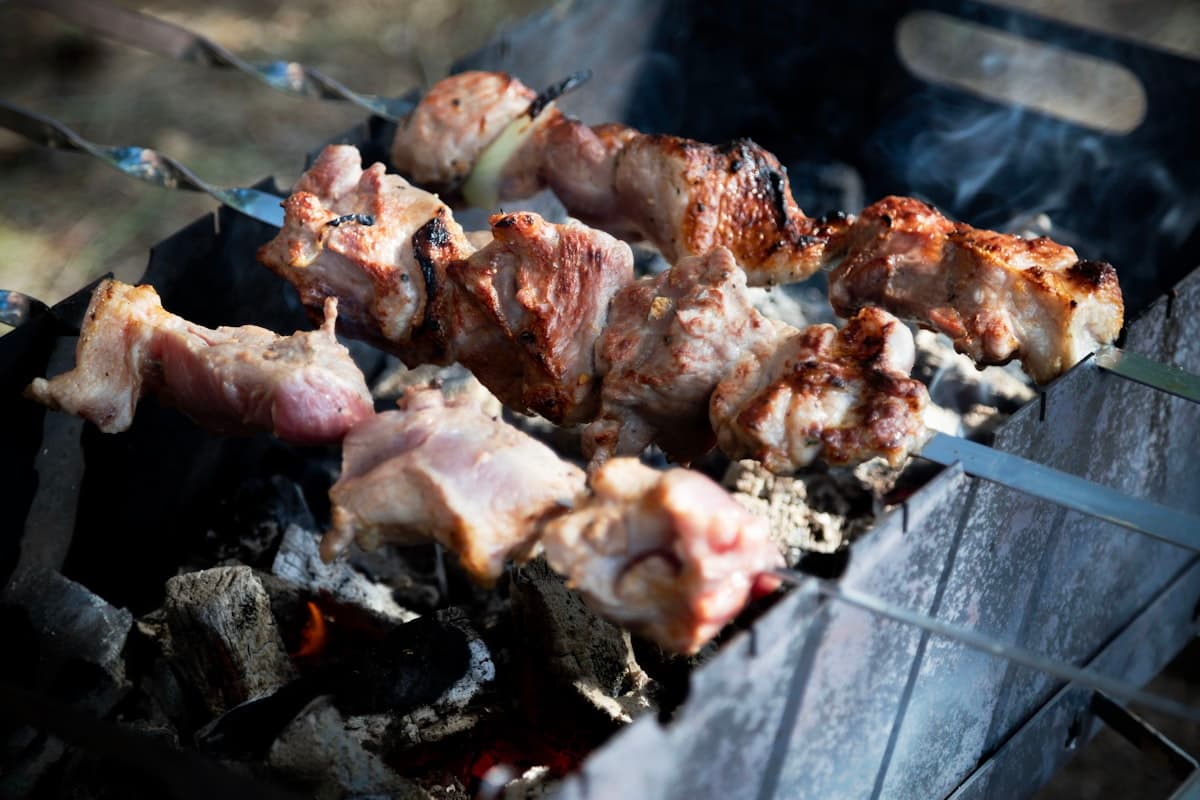
Maekjeok (Skewered Marinated Pork)
The soy-and-garlic marinade behind maekjeok, one of the oldest named dishes in Korean history, and the skewer technique that keeps it from drying out.