Desserts & Drinks
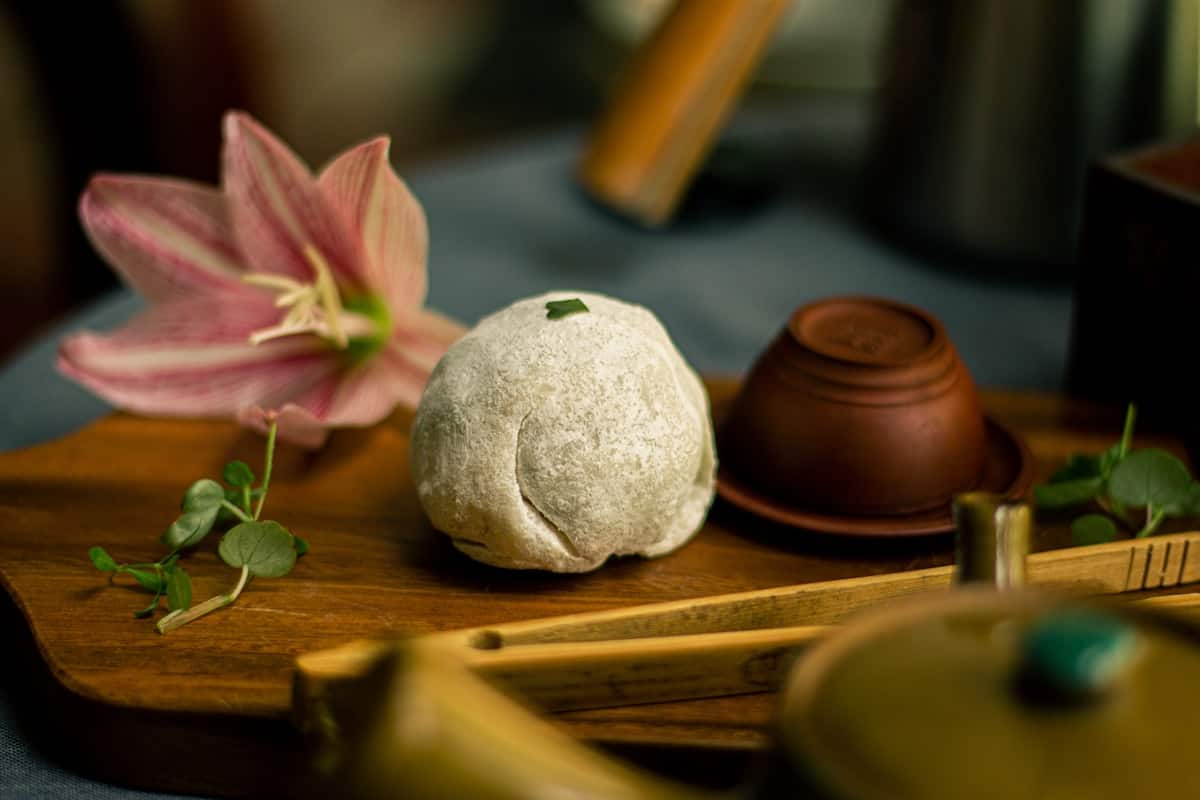
Chapssaltteok (Sweet Rice Cake with Filling)
By Suku ·
Prep
40 min
Cook
20 min
Servings
8
Steps
- 1
Divide the chilled red bean paste into 8 small balls and set aside.
- 2
Whisk glutinous rice flour, sugar, and water together into a smooth batter.
- 3
Steam the batter over boiling water, covered, for 15-20 minutes, until fully translucent and cooked through.
- 4
Let the cooked dough cool just enough to handle, then knead briefly on a starch-dusted surface until smooth and elastic.
- 5
Divide the dough into 8 pieces.
- 6
Flatten each piece, place a ball of red bean paste in the center, and gather the edges to seal completely.
- 7
Roll the filled rice cakes in starch to coat and prevent sticking.
Did you know — Korean culture
Chapssaltteok is a close cousin of Japanese daifuku mochi, and the resemblance isn't a coincidence — both come from the same glutinous rice flour tradition and the same basic technique of pounding sticky rice dough around a sweet filling. The main difference tends to be the filling itself: sweetened red bean paste is the most common choice in both, but Korean versions also lean on things like chestnut or injeolmi-style bean powder.
Steaming the batter until it's fully translucent, not just set, is what gives chapssaltteok its signature chew — an undercooked center stays gummy and starchy rather than smooth and stretchy. The dough should look glossy and uniform all the way through before it comes off the heat.
The filling needs to be properly chilled before wrapping, not warm or at room temperature. Warm filling is soft and hard to shape into a clean ball, and it makes sealing the rice cake dough around it far messier, since the dough is already delicate and sticky at that stage.
Chapssaltteok is a close cousin of Japanese daifuku mochi, both built on the same glutinous rice flour tradition and the same technique of wrapping sticky rice dough around a sweet filling. Sweetened red bean paste is the most common filling in both, though Korean versions also draw on chestnut paste or injeolmi-style toasted bean powder.
Troubleshooting
Rice cake gummy instead of chewy? The batter wasn't steamed long enough — it should look fully translucent and glossy, not milky or opaque, before you take it off the heat.
Filling leaking out while wrapping? The bean paste is probably too warm and soft — chill it thoroughly first so it holds its shape as a ball.
Dough sticking to everything? Keep both your hands and the work surface well-dusted with starch — the dough is naturally very sticky right after steaming.
Recommended products
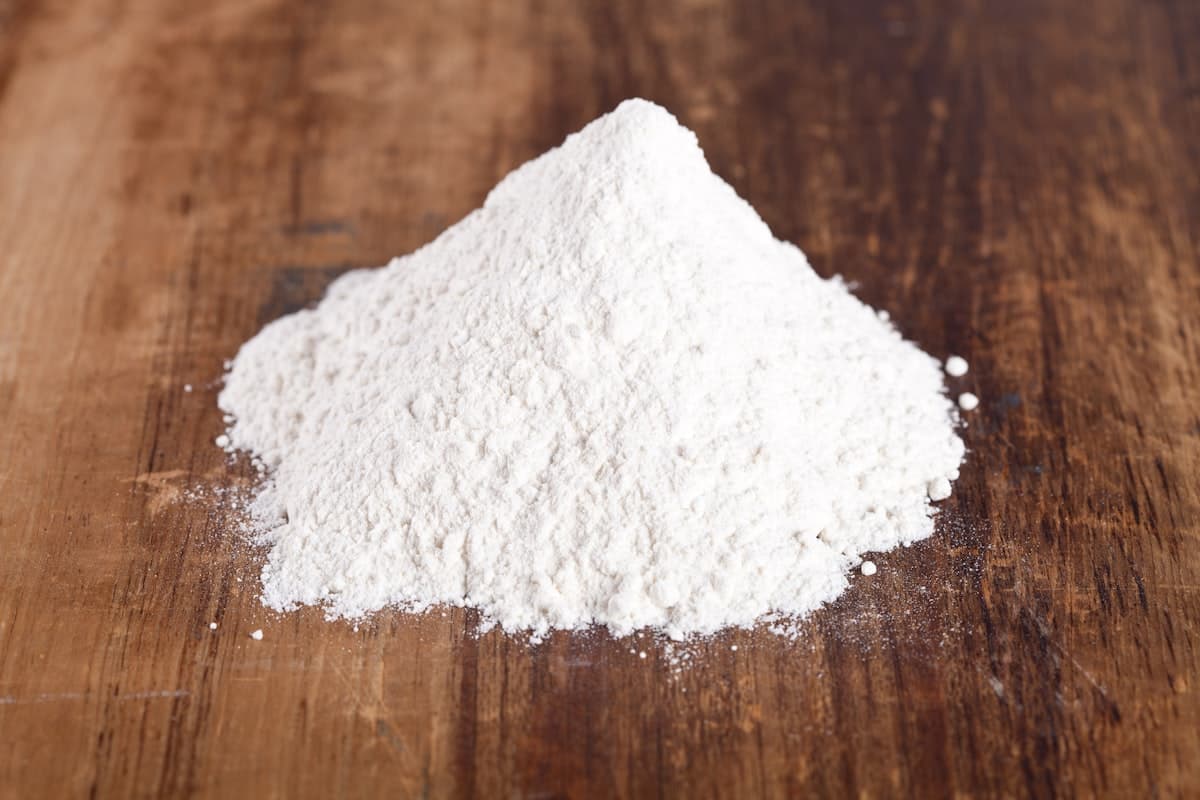
- Glutinous rice flour
- Steamer basket
More to cook
All Desserts & Drinks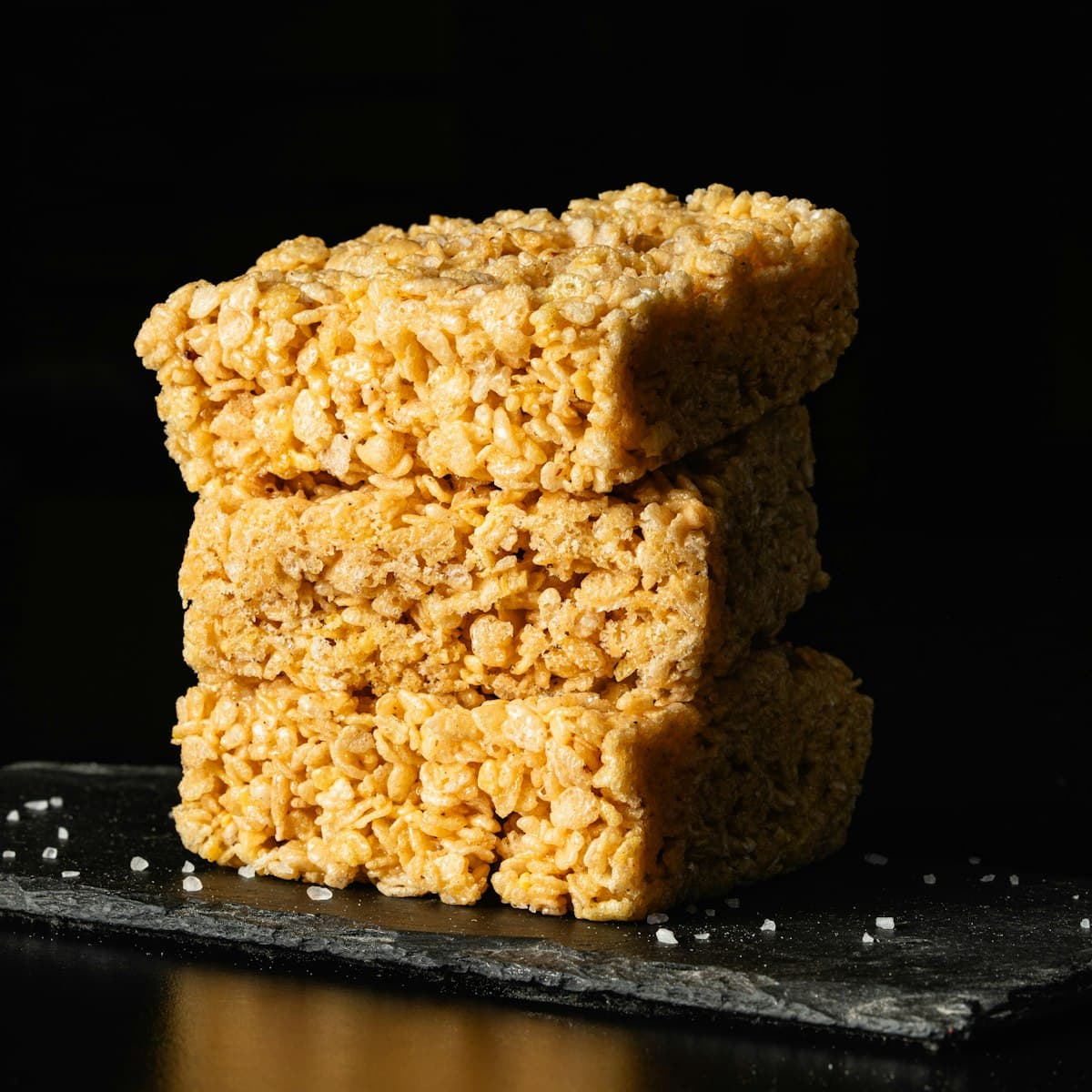
Gangjeong (Puffed Rice Candy)
The syrup temperature behind gangjeong's clean set, and why working fast once the syrup is ready matters more than any other step.
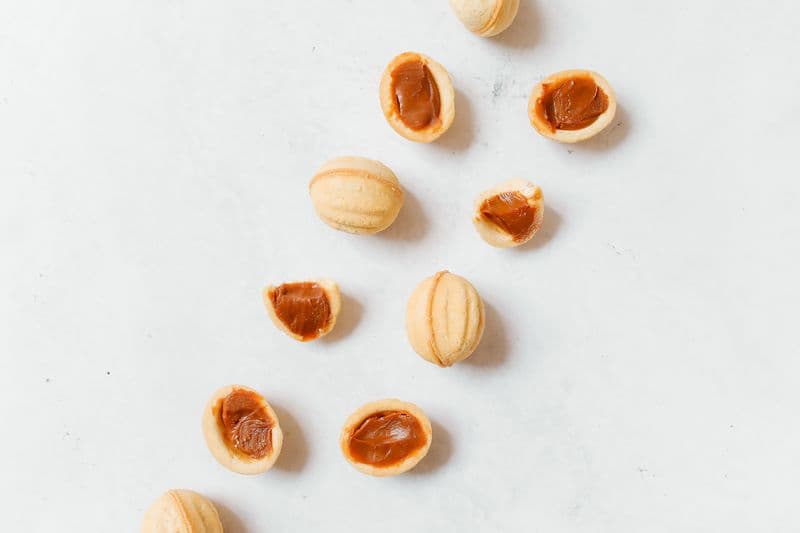
Hodu-gwaja (Walnut-Shaped Cakes)
Why the batter needs to be thin and the mold genuinely hot before filling, and how overfilling is what causes leaks and uneven shells.
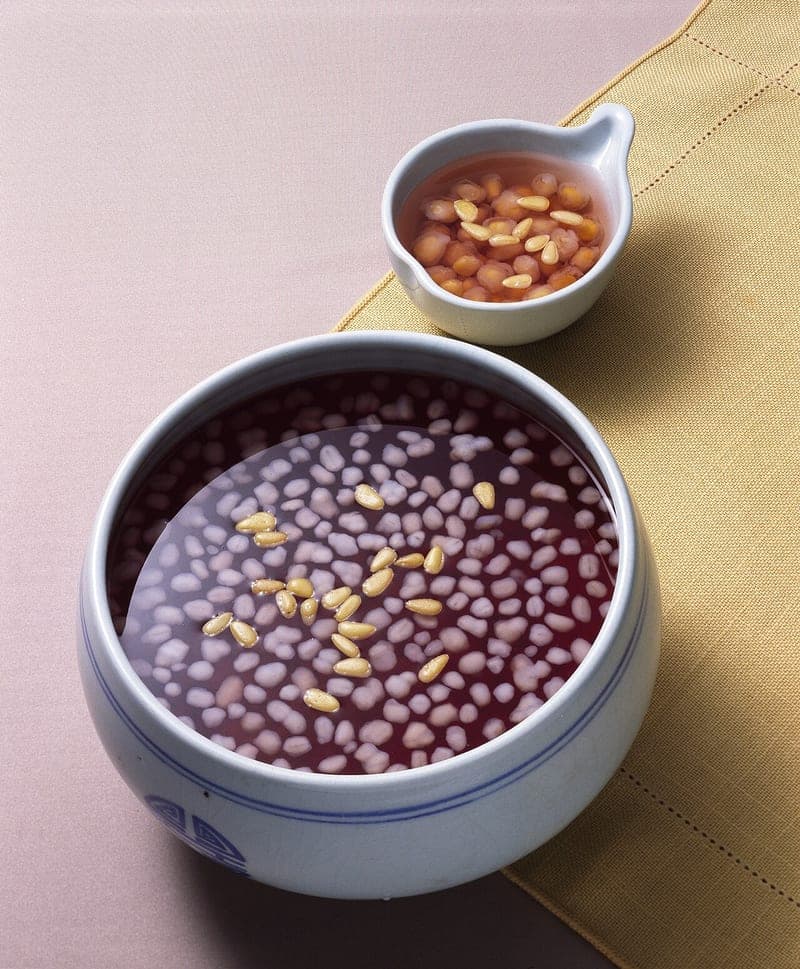
Hwachae (Fruit Punch)
How to build a traditional Korean summer punch, why omija is steeped in cold water rather than hot, and what the floating pine nuts are actually for.