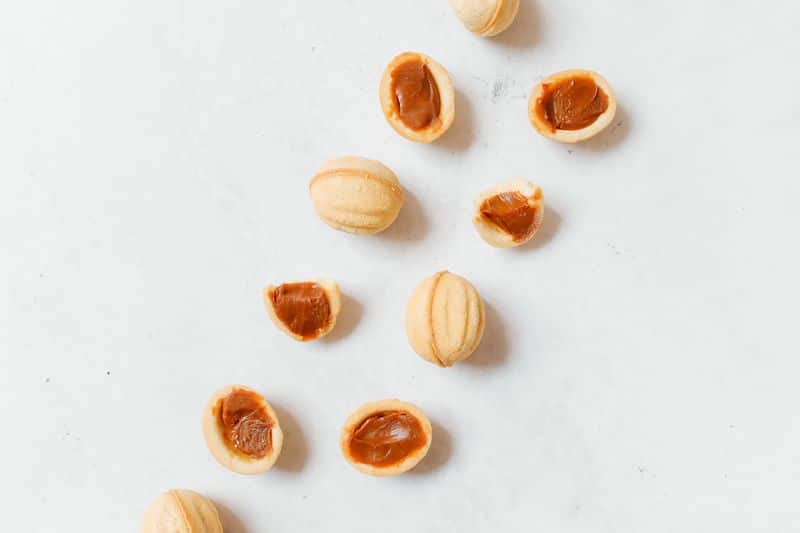
Steps
- 1
Whisk together flour, sugar, and baking powder.
- 2
In a separate bowl, whisk eggs, milk, and melted butter.
- 3
Combine the wet and dry ingredients into a thin, smooth batter.
- 4
Mix the red bean paste with chopped walnuts.
- 5
Heat a walnut-shaped cake mold (or an aebleskiver pan as a substitute) and grease well.
- 6
Fill each mold cavity about a third full with batter.
- 7
Add a small spoonful of the bean paste-walnut filling to the center.
- 8
Top with a bit more batter to just cover the filling.
- 9
Cook on low-medium heat, closing the mold or flipping halfway, until golden on both sides.
Did you know — Korean culture
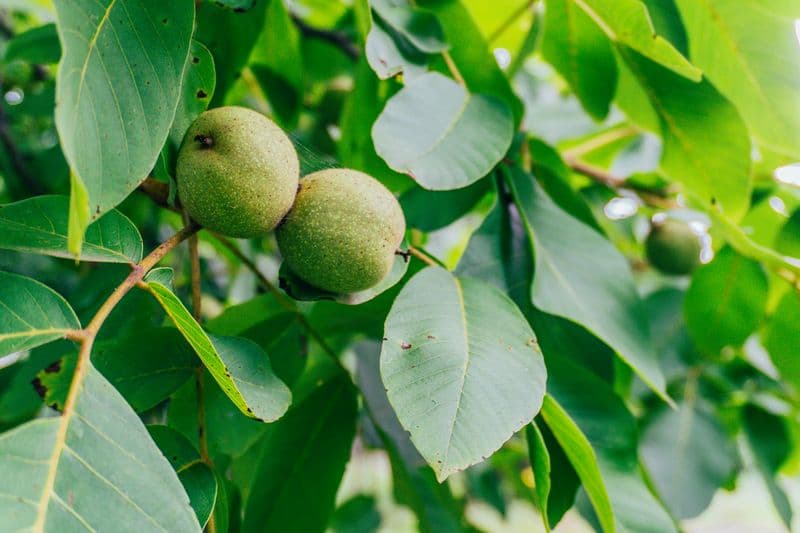
Hodu-gwaja originated in Cheonan, a Korean city known for its walnut orchards, and became one of the country's most recognizable regional snacks — sold at train stations and rest stops nationwide specifically because it travels well without refrigeration.
A thin batter matters more here than it does in most baked goods, because the mold has to fully seal around the filling to form the walnut shape. Thick batter doesn't flow evenly into the mold's ridges, which leaves the shells lumpy and unevenly shaped instead of smooth.
Getting the mold genuinely hot before the batter goes in is what sets the shell fast enough to hold its shape once the filling and top layer of batter are added — a lukewarm mold lets everything spread and merge instead of holding the distinct walnut form.
Not overfilling is the other common failure point: too much bean paste and the filling pushes through the batter as it cooks, leaving a leaky, misshapen cake instead of a clean, filled shell. A small spoonful, just enough to be a distinct pocket in the center, is enough.
Hodu-gwaja originated in Cheonan, a Korean city known for walnut orchards, and became one of the most recognizable regional snack foods in the country — sold at train stations and rest stops nationwide specifically because it travels well and doesn't need refrigeration.
Troubleshooting
Filling leaking out during cooking? The mold was probably overfilled — use less bean paste per cake and make sure the top layer of batter fully covers it.
Shells uneven or lumpy? The batter was likely too thick — thin it slightly with more milk if it isn't flowing smoothly into the mold.
Cakes sticking to the mold? It wasn't greased enough, or wasn't hot enough when the batter went in — both matter for a clean release.
Recommended products
- Walnut cake mold
- Sweet red bean paste
More to cook
All Desserts & Drinks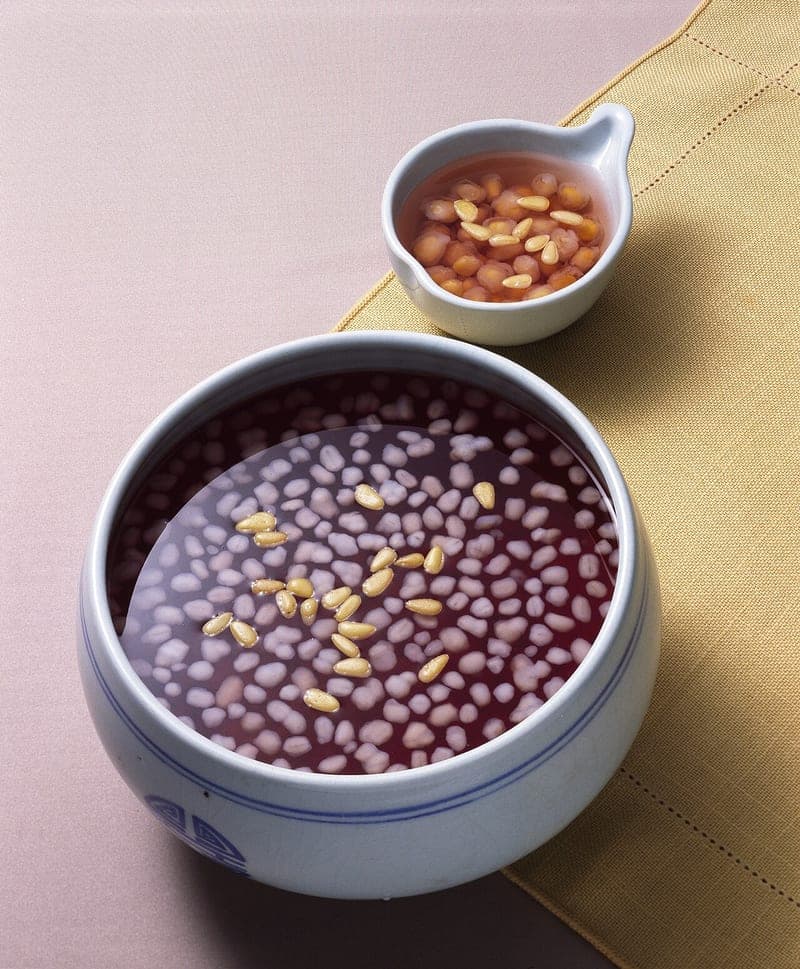
Hwachae (Fruit Punch)
How to build a traditional Korean summer punch, why omija is steeped in cold water rather than hot, and what the floating pine nuts are actually for.
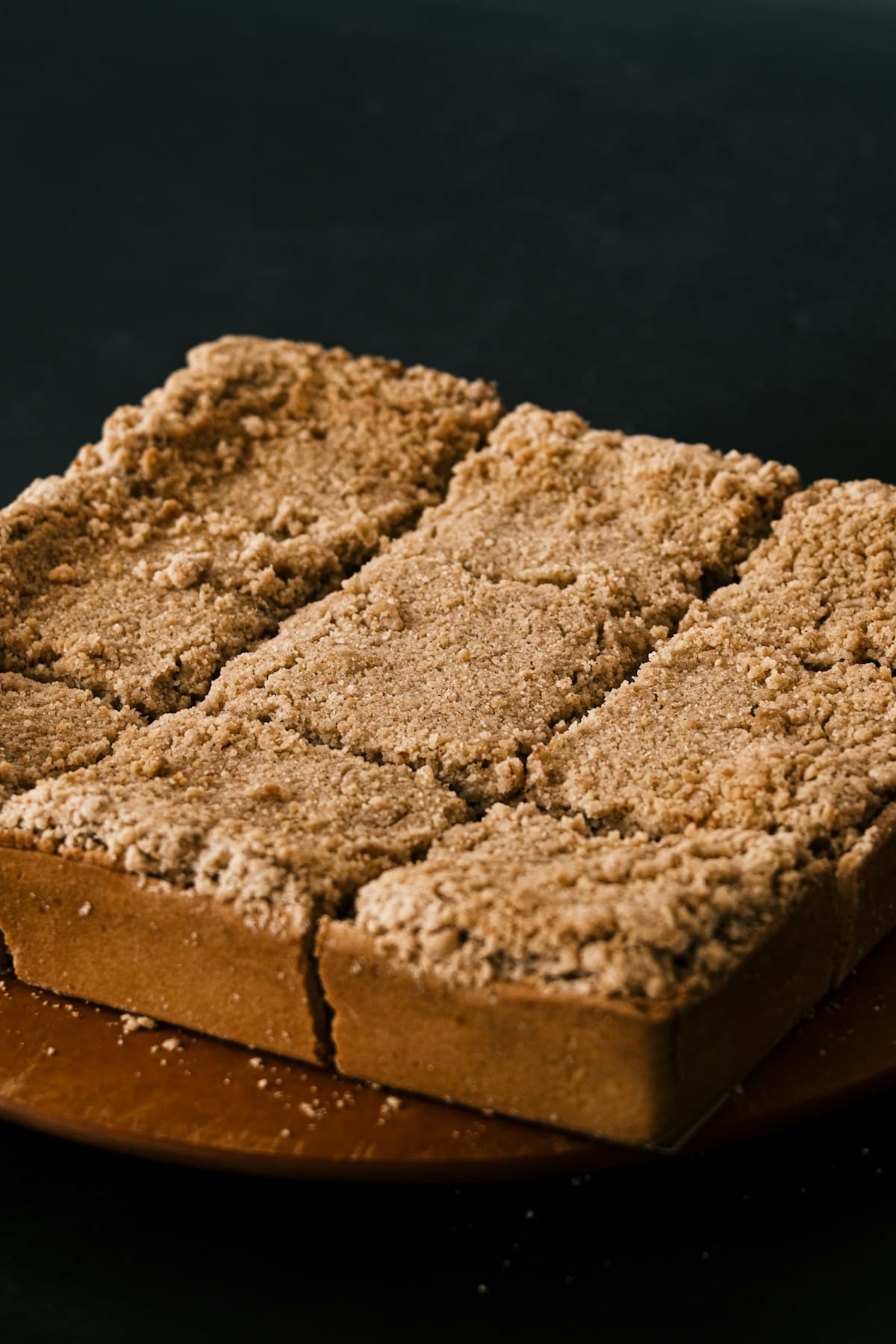
Injeolmi (Rice Cake Dessert)
The steam-and-pound technique behind injeolmi's chewy texture, and why the soybean powder coating matters as much as the rice cake itself.
Makgeolli (Home-Brewed Rice Wine)
The nuruk fermentation timing behind homemade makgeolli, and why temperature control matters more than any other step.