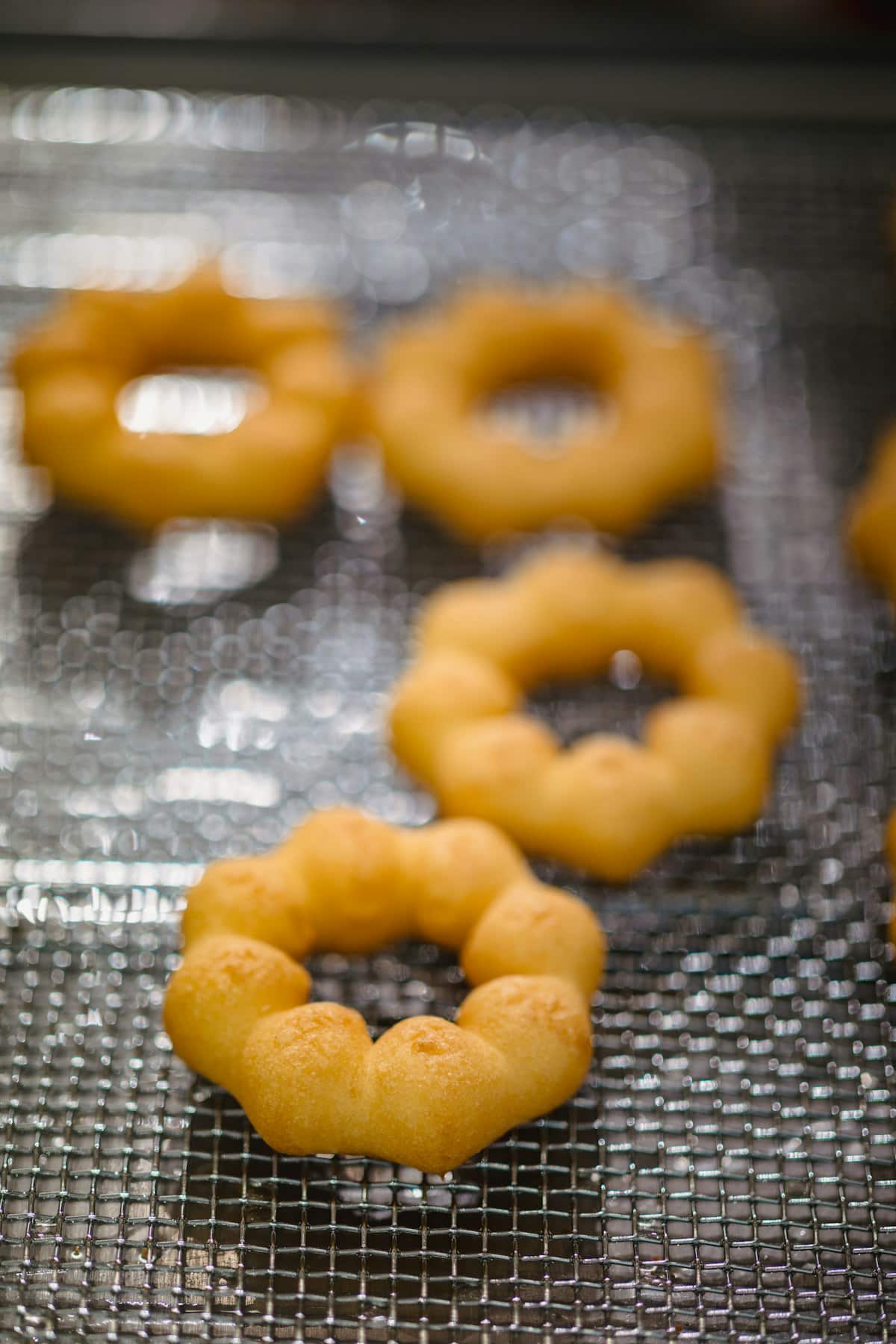
Steps
- 1
Rub sesame oil into the flour until it resembles coarse sand.
- 2
Add the rice wine, ginger juice, and salt, and gently bring the dough together — don't overwork it.
- 3
Rest the dough, covered, for 30 minutes.
- 4
Roll the dough to about 1/2-inch thickness and cut into rounds or flower shapes.
- 5
Heat oil to a low 250°F (120°C) and fry the shapes slowly, 8-10 minutes, until pale gold and puffed.
- 6
Increase the oil temperature to 350°F (175°C) and fry another 1-2 minutes to crisp the outside.
- 7
While frying, simmer the honey, water, and cinnamon into a thin syrup.
- 8
Drain the fried pastries briefly, then submerge them in the warm syrup for at least an hour.
- 9
Remove from the syrup, top with crushed pine nuts, and let cool before serving.
Did you know — Korean culture
Yakgwa's name literally translates to "medicinal confection" — yak meaning medicine, gwa meaning sweet snack. In traditional Korean medicine, honey, sesame oil, and ginger were all considered to have health benefits on their own, so a treat built from all three was seen as a food with genuine medicinal weight behind it, not just a dessert. Because honey was historically expensive and closely regulated, yakgwa was also, for centuries, a food reserved mostly for royal courts and special ceremonies rather than everyday eating.
The two-stage frying is what gives yakgwa its distinctive open, honeycomb-like interior. A slow, low fry lets the dough puff gently and develop internal air pockets without browning; the quick high-heat finish afterward is purely for color and crispness on the outside. Frying hot from the start skips that pocket-forming stage and leaves the inside dense.
Soaking in syrup for a full hour, not just a quick dip, is what actually gets the honey into the pastry rather than leaving it sitting on the surface. Those internal air pockets from the slow fry are exactly what let the syrup soak all the way through, which is why the frying technique and the soak time work together rather than independently.
Yakgwa's name literally translates to "medicinal confection" — yak meaning medicine, gwa meaning sweet snack. In traditional Korean medicine, honey, sesame oil, and ginger were all considered to have health benefits on their own, so a treat built from all three was seen as carrying real medicinal weight, not just sweetness. Because honey was historically expensive and closely regulated, yakgwa was also, for centuries, mostly reserved for royal courts and special ceremonies rather than everyday eating.
Troubleshooting
Pastries dense instead of light and airy inside? The slow, low-temperature first fry was probably skipped or rushed — that stage is what builds the internal air pockets.
Syrup not soaking in? Give it more time — an hour is closer to a minimum. The syrup needs to work its way through those air pockets, which takes patience.
Dough falling apart during frying? It was likely overworked when mixed. Bring it together gently and stop as soon as it holds — overmixing develops too much structure for this style of dough.
Recommended products
- Deep-fry thermometer
- Cookie or flower-shaped cutter
More to cook
All Desserts & Drinks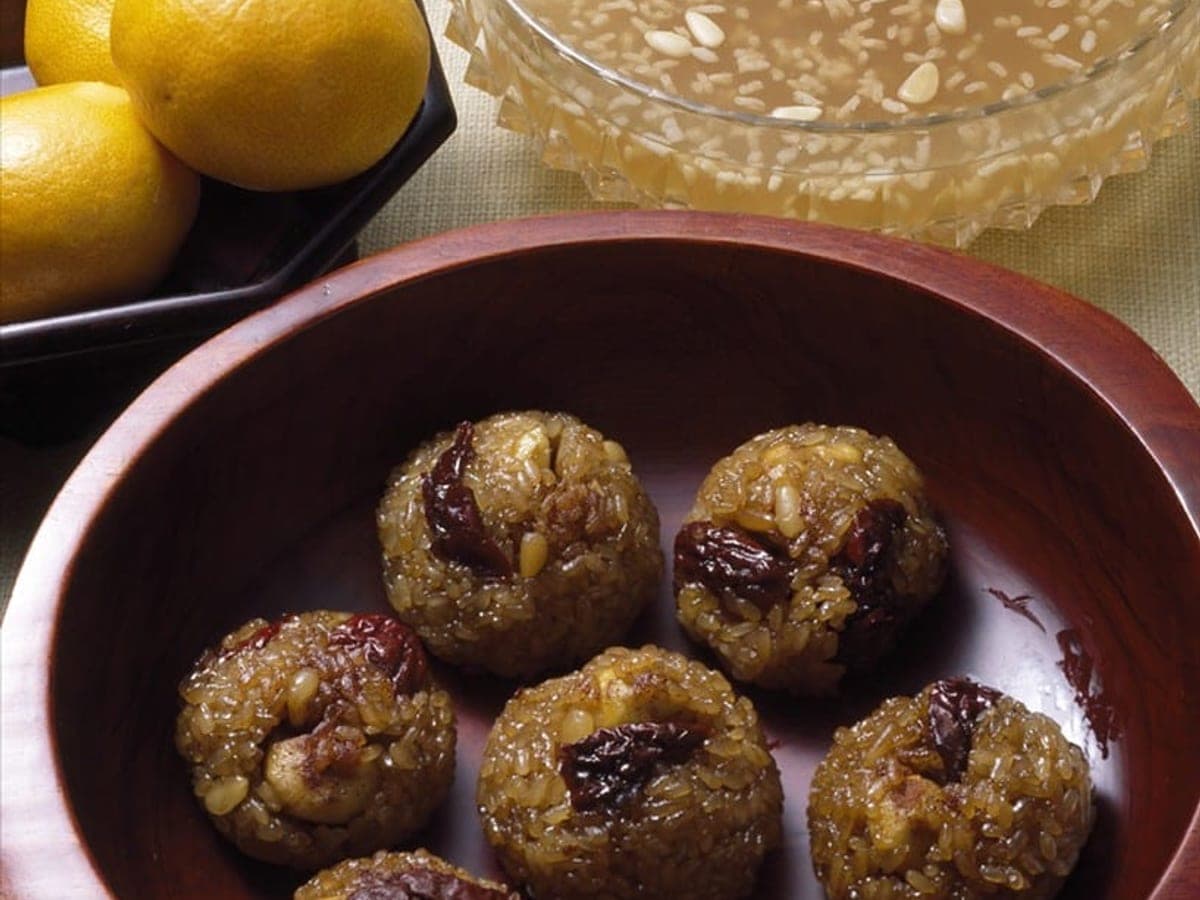
Yaksik (Sweet Rice with Nuts and Dates)
Why yaksik uses glutinous rice steamed twice rather than boiled, and how the caramel colour comes from the sugar rather than from soy sauce alone.
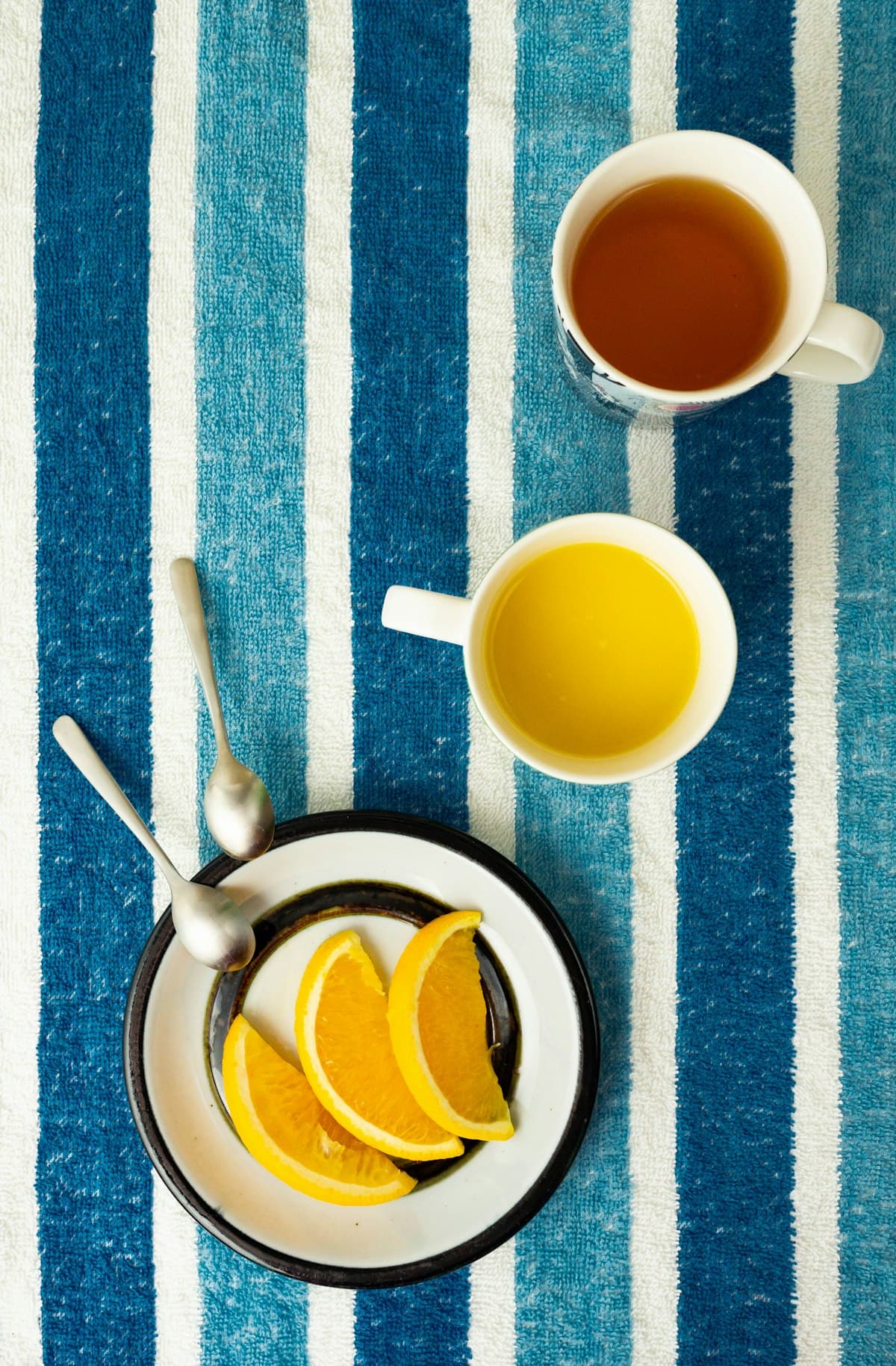
Yuja-cha (Citron Tea)
The sugar-ratio technique behind a proper yuja-cha marmalade base, and why the peel matters as much as the fruit inside it.
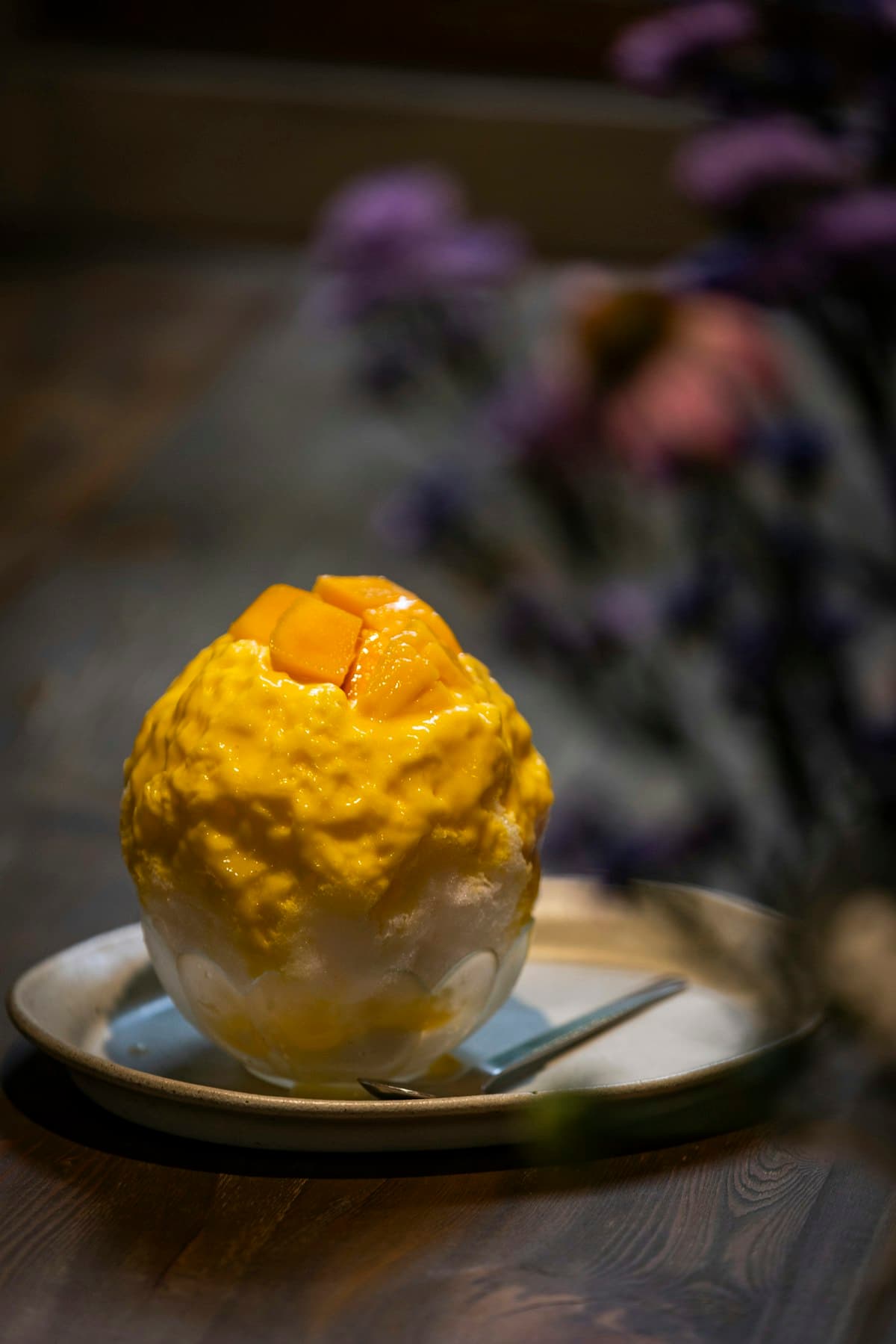
Bingsu (Patbingsu)
The milk-ice and topping-layering technique behind proper bingsu, and why shaving matters more than the toppings themselves.