
Steps
- 1
If the barley isn't pre-roasted, toast it in a dry pan over medium heat until fragrant and golden.
- 2
Add the roasted barley to a pot of water.
- 3
Bring to a boil, then reduce to a simmer.
- 4
Simmer uncovered for 15-20 minutes, until the water turns a deep amber color.
- 5
Strain out the barley.
- 6
Serve hot, or chill and serve over ice.

Did you know — Korean culture
Boricha used to be the default drinking water in many Korean households and restaurants, served free and often chilled instead of plain water — the roasted barley naturally purifies and flavors the water in one step, which made it a practical everyday habit long before it was ever marketed as a health drink.
Roasting the barley properly before it ever hits the water is what actually produces boricha's nutty, slightly toasty flavor. Unroasted or under-roasted barley makes a flat, grassy-tasting brew that doesn't resemble the real thing.
Simmering uncovered for the full time, rather than a quick steep, is what pulls the color and flavor fully out of the grains — boricha isn't a quick-dunk tea, and rushing the simmer leaves it thin and pale instead of a proper deep amber.
Boricha used to be the default drinking water in many Korean households and restaurants, served free and often chilled instead of plain water — the roasted barley naturally flavors the water in one step, which made it a practical everyday habit long before it was ever marketed as a health drink.
Troubleshooting
Tea tasting weak or pale? It likely wasn't simmered long enough — give it the full 15-20 minutes, not just a quick steep.
Tea tasting bitter? It was probably over-simmered or the barley was over-roasted — pull it once the water reaches a deep amber color rather than letting it go much longer.
Barley tasting grassy instead of nutty? It needs a more thorough roast before it goes into the water — toast it in a dry pan until genuinely golden and fragrant.
Recommended products
- Roasted barley tea grains
- Fine mesh strainer
More to cook
All Desserts & Drinks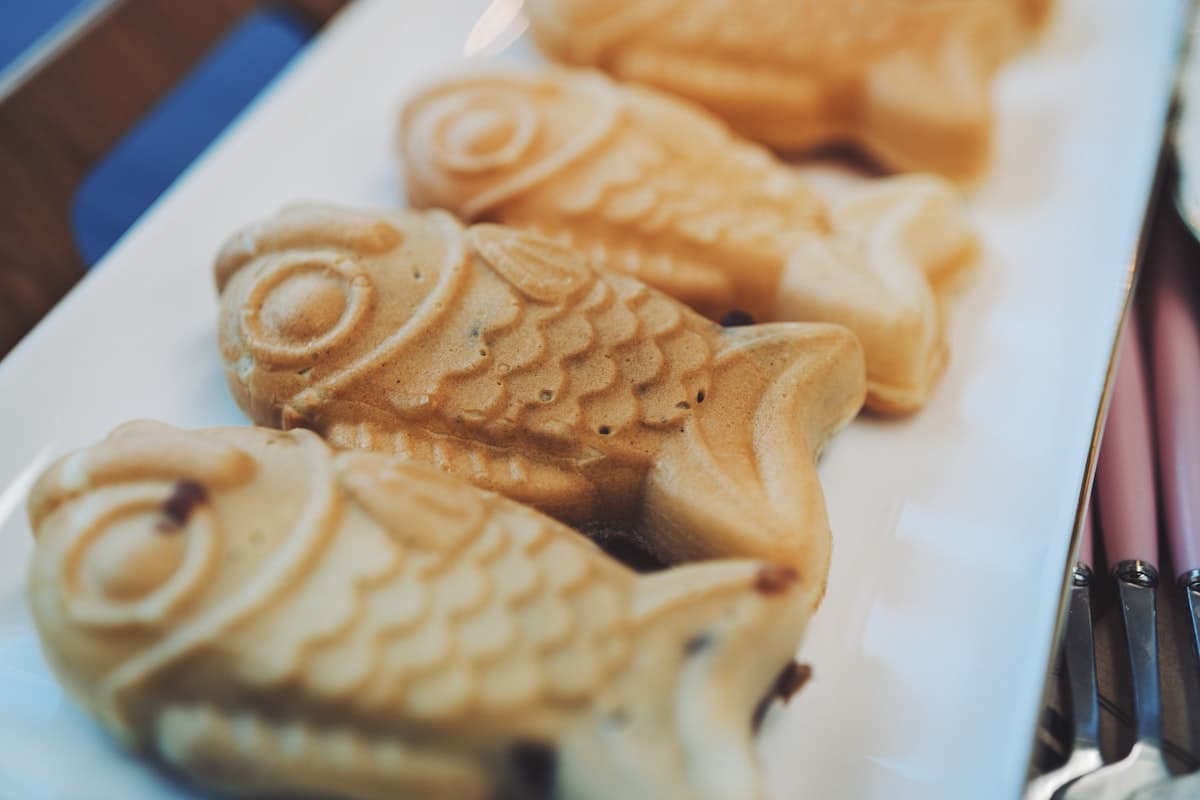
Bungeoppang (Fish-Shaped Pastry)
The mold-and-batter technique behind bungeoppang, and why the filling amount matters more than the shape itself.
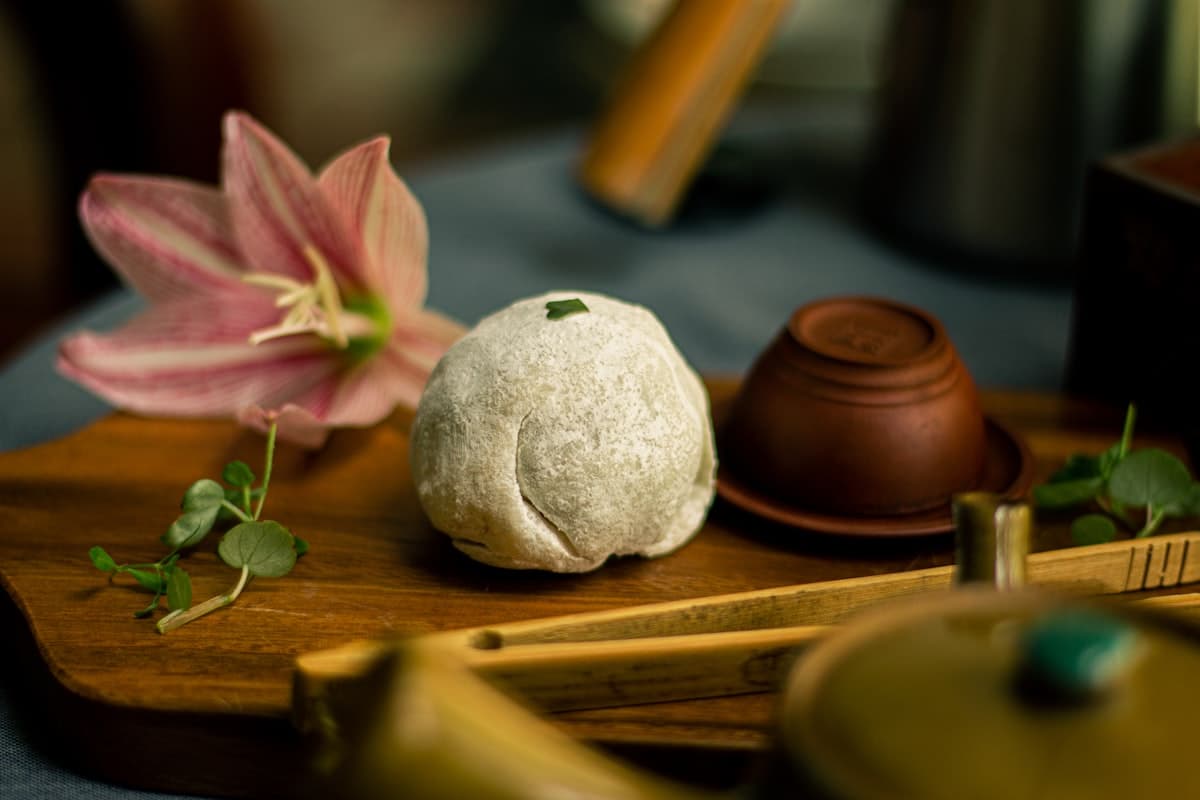
Chapssaltteok (Sweet Rice Cake with Filling)
The steam-then-pound technique behind chewy chapssaltteok, and why the filling needs to be fully cooled before wrapping.
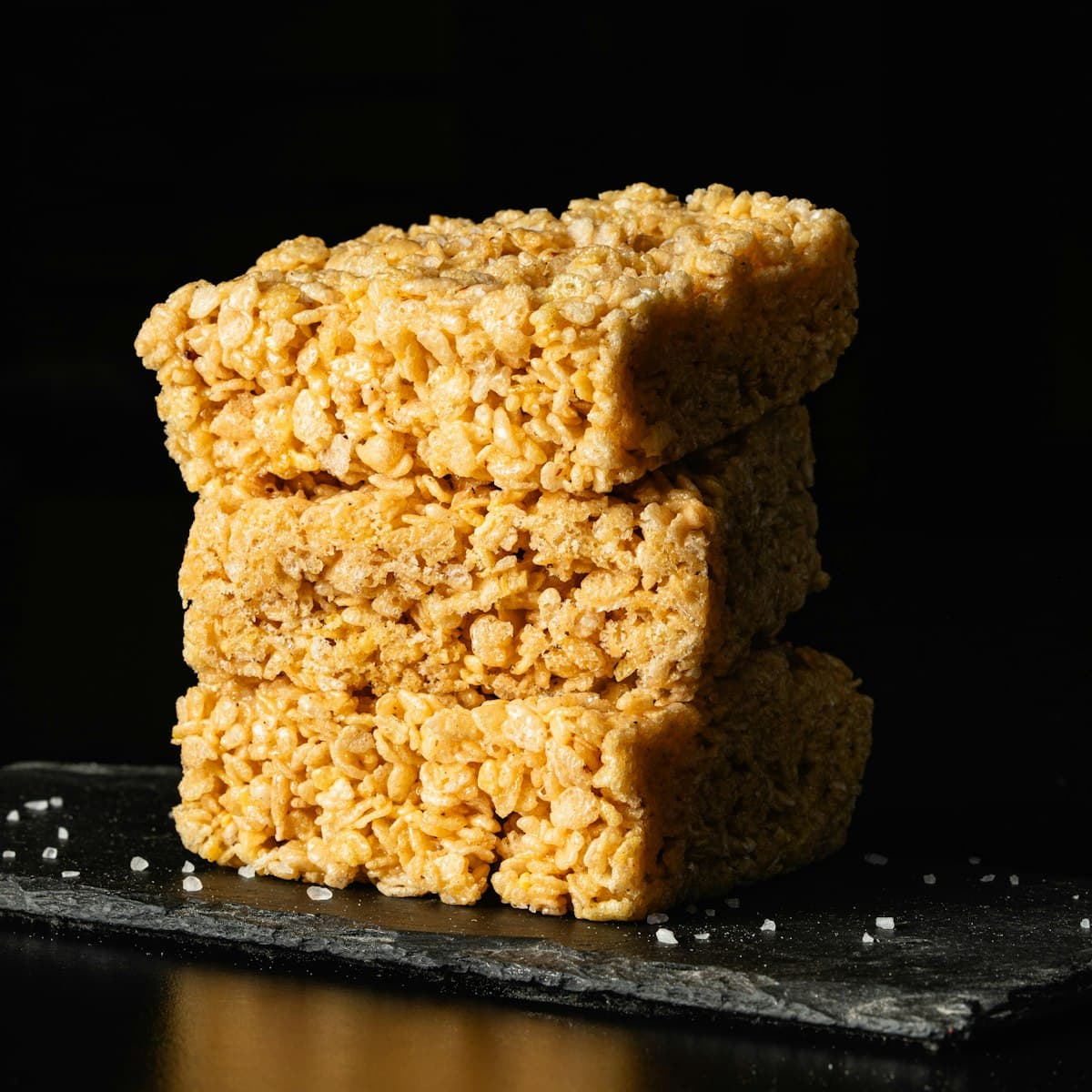
Gangjeong (Puffed Rice Candy)
The syrup temperature behind gangjeong's clean set, and why working fast once the syrup is ready matters more than any other step.