Steps
- 1
Rinse the glutinous rice until the water runs mostly clear, then soak it for at least 4 hours.
- 2
Drain the rice and steam it until fully cooked but still slightly firm, about 40 minutes.
- 3
Spread the steamed rice out and let it cool completely to room temperature.
- 4
Mix the cooled rice with crumbled nuruk and water in a large sterilized crock or jar.
- 5
Cover loosely with a breathable cloth and let it ferment at room temperature, stirring once a day.
- 6
Ferment for 5-7 days, tasting periodically, until it turns pleasantly tangy and slightly fizzy.
- 7
Strain the mixture through cheesecloth, pressing to extract the liquid, and discard the solids.
- 8
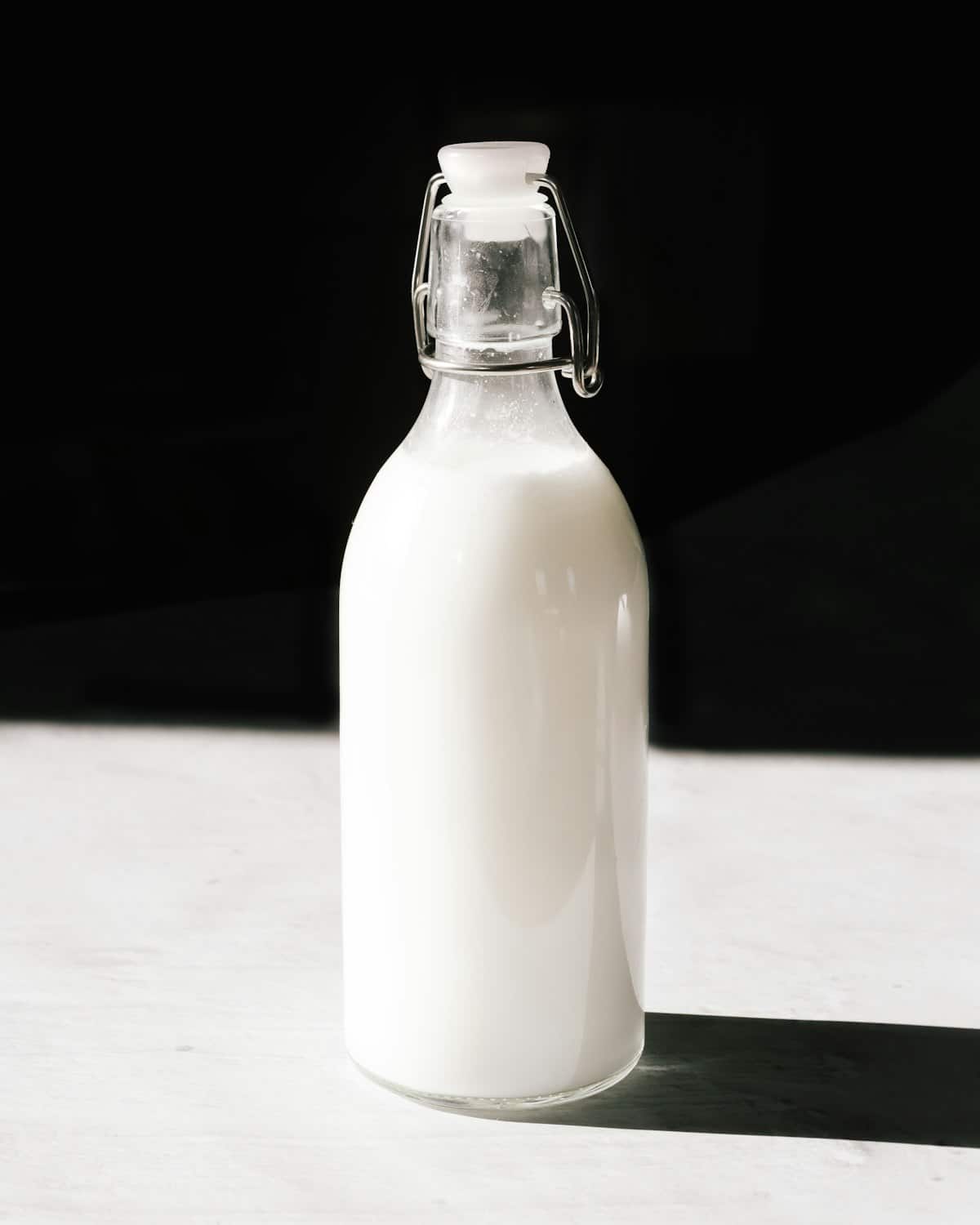
Refrigerate the strained makgeolli, shaking gently before serving since the sediment settles.
Did you know — Korean culture
Makgeolli was historically dismissed as a low-status farmer's drink, cheap and unrefined compared to clearer, more expensive rice wines. That reputation has flipped almost entirely in the last couple of decades — small-batch and craft makgeolli breweries have turned it into one of Korea's most fashionable drinks, served in wine glasses at restaurants that would never have touched it a generation earlier.
Cooling the steamed rice completely before adding the nuruk is a step that's easy to rush and important not to. Nuruk contains live mold cultures and yeasts that start the fermentation, and adding it to still-warm rice can kill off those cultures before fermentation even gets going, leaving the batch flat or stalled.
Room temperature during fermentation matters more than almost any other variable in the process. Too warm and the batch ferments too fast, turning overly sour or even vinegary; too cold and fermentation stalls out entirely. A stable spot out of direct sunlight, checked and stirred daily, is what keeps the process on track.
Makgeolli was historically dismissed as a cheap, low-status farmer's drink, looked down on next to clearer, more refined rice wines. That reputation has flipped almost entirely over the last couple of decades, with small-batch and craft makgeolli breweries turning it into one of Korea's more fashionable drinks — served in wine glasses at restaurants that wouldn't have touched it a generation earlier.
Troubleshooting
Fermentation not starting at all? The rice was likely still warm when the nuruk was added, which can kill the live cultures — let it cool fully to room temperature first next time.
Batch turning sharply sour or vinegary? The fermentation spot was probably too warm — move it somewhere cooler and check it daily rather than letting it go untouched.
Makgeolli tasting flat, without fizz? It may need a bit more fermentation time — taste daily starting around day 5, since the exact timing shifts with room temperature.
Recommended products
- Nuruk fermentation starter
- Large fermentation crock
More to cook
All Desserts & Drinks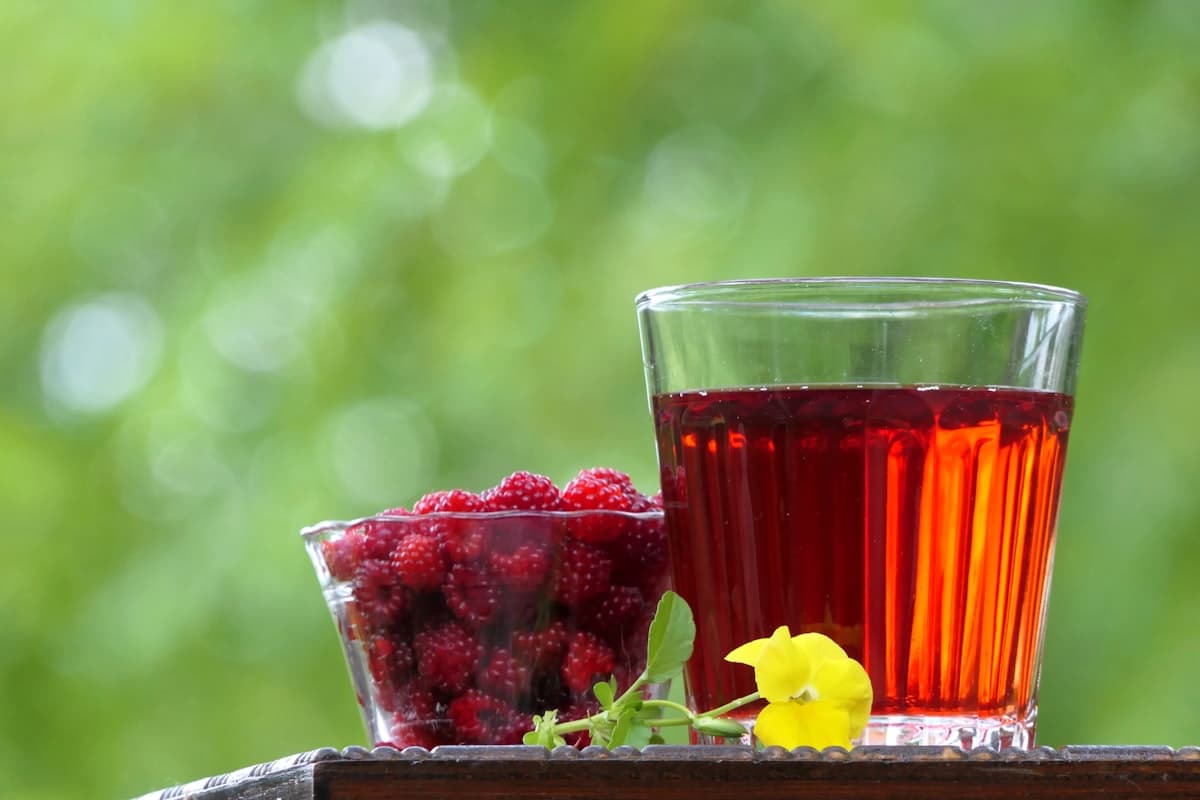
Omija-cha (Five-Flavor Berry Tea)
The cold-steep technique behind omija-cha, and why heat is the one thing this tea's delicate flavor balance can't handle.
Omija Hwachae (Five-Flavor Berry Punch)
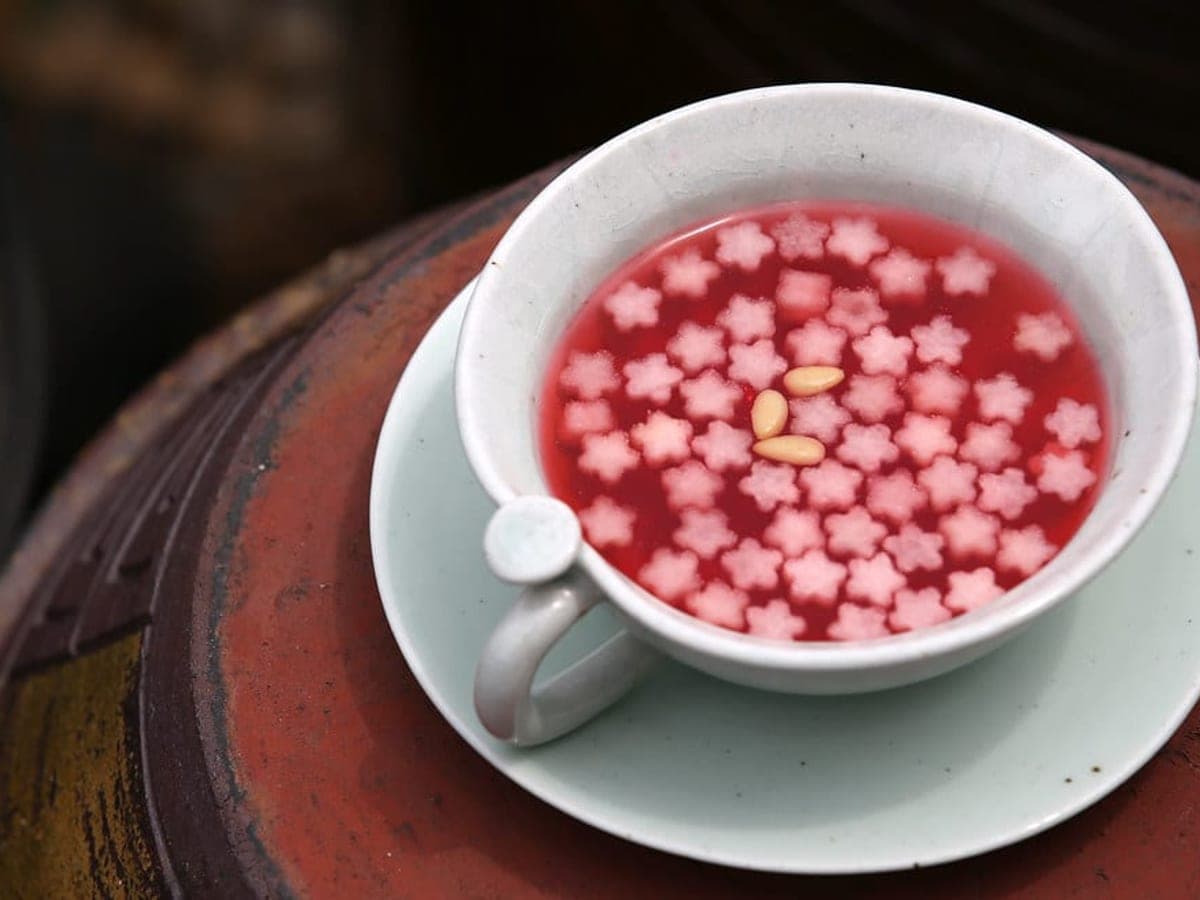
Why omija berries are steeped in cold water overnight rather than boiled, and how the fruit garnish is cut so it floats instead of sinking to the bottom.
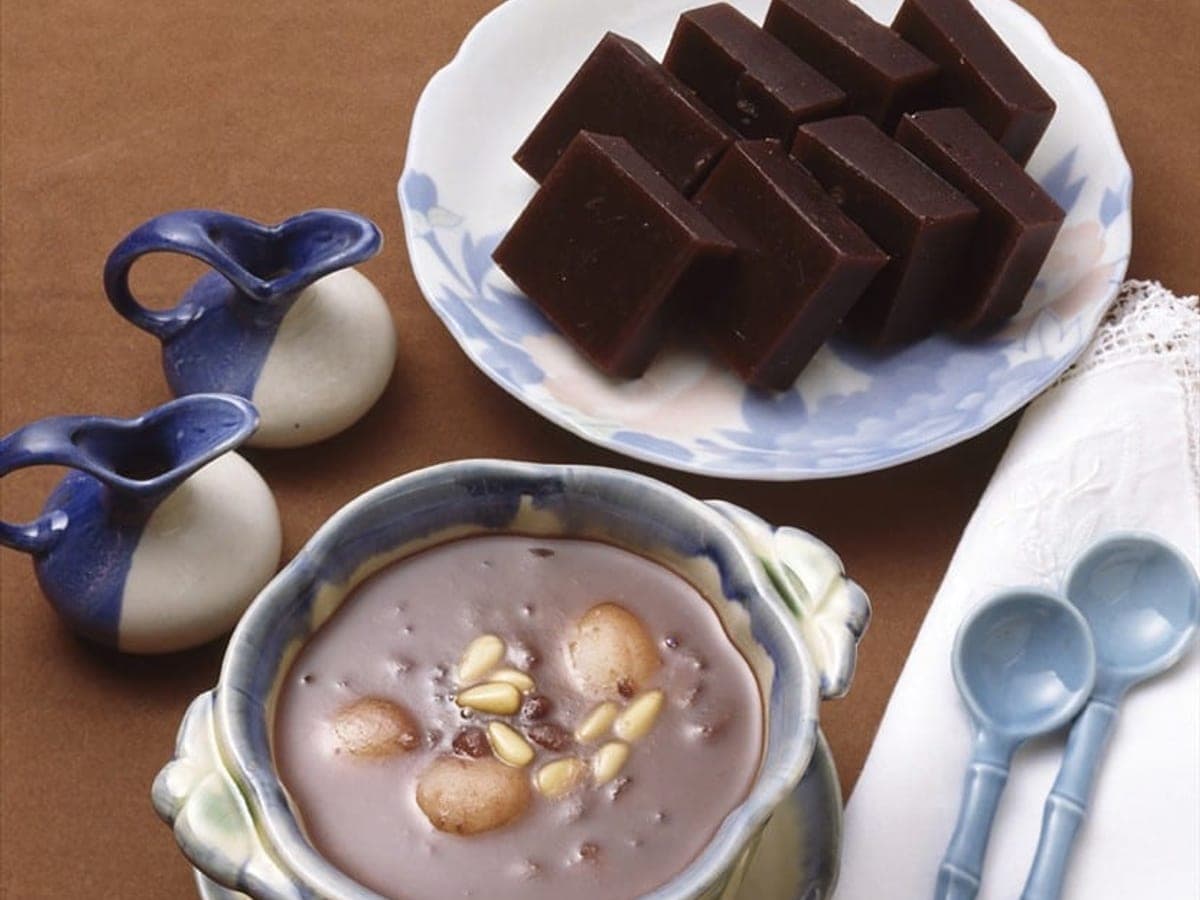
Patjuk (Red Bean Porridge)
Why the first boil of the red beans is drained away, and how the rice-ball dumplings go in at the very end so they stay chewy instead of dissolving.