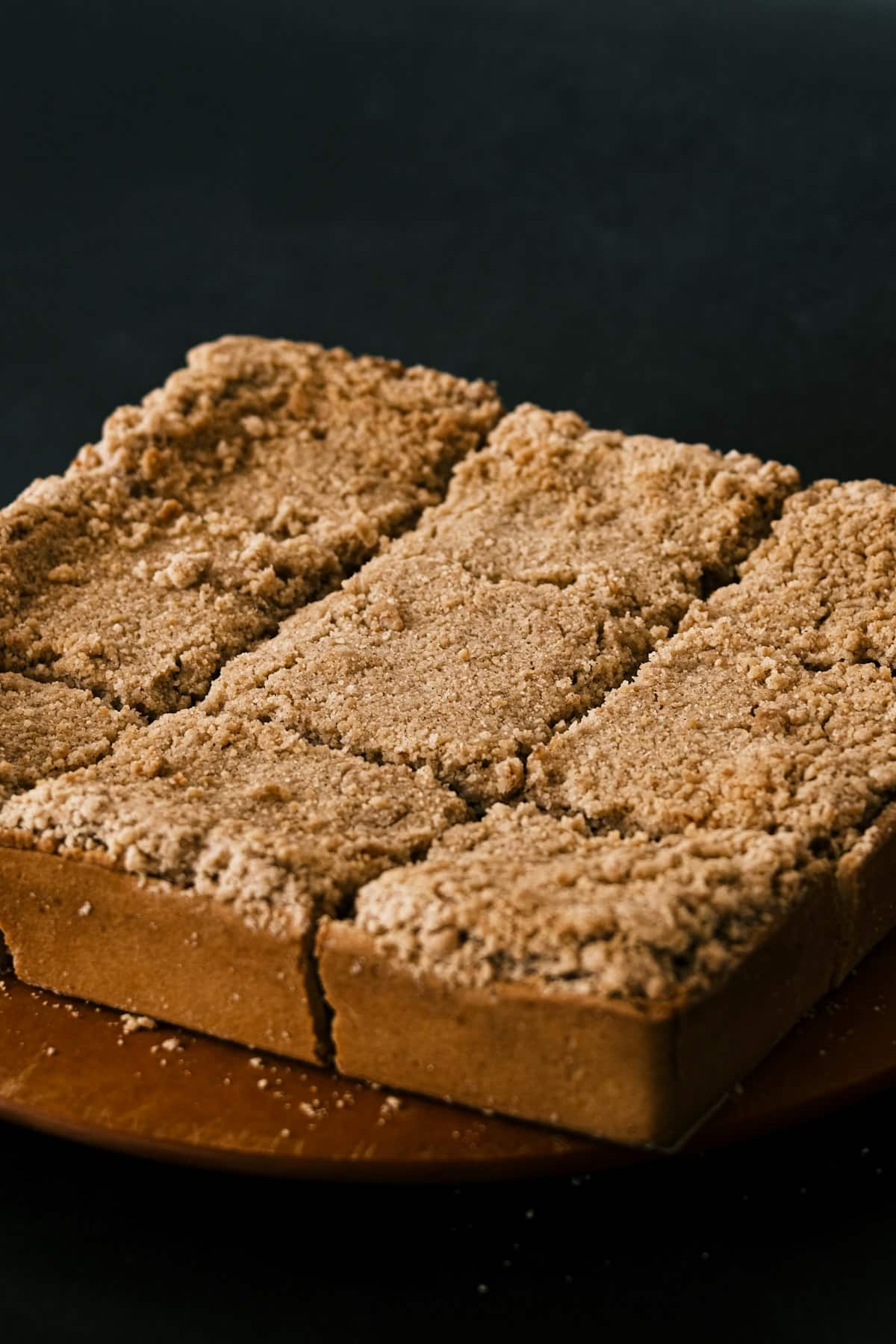
Steps
- 1
Mix the glutinous rice flour with water, salt, and sugar until evenly moistened.
- 2
Steam the mixture over boiling water, covered, for 20-25 minutes, until fully translucent and cooked through.
- 3
Turn the hot rice cake out onto an oiled surface.
- 4
Pound and fold the rice cake repeatedly with an oiled mallet or spatula, for 5-10 minutes, until smooth, stretchy, and glossy.
- 5
Mix the soybean powder with sugar.
- 6
Press the pounded rice cake into a flat rectangle and coat thoroughly in the soybean powder mixture.
- 7
Let cool slightly, then cut into bite-size pieces.
- 8
Toss the cut pieces in more soybean powder to keep them from sticking together.
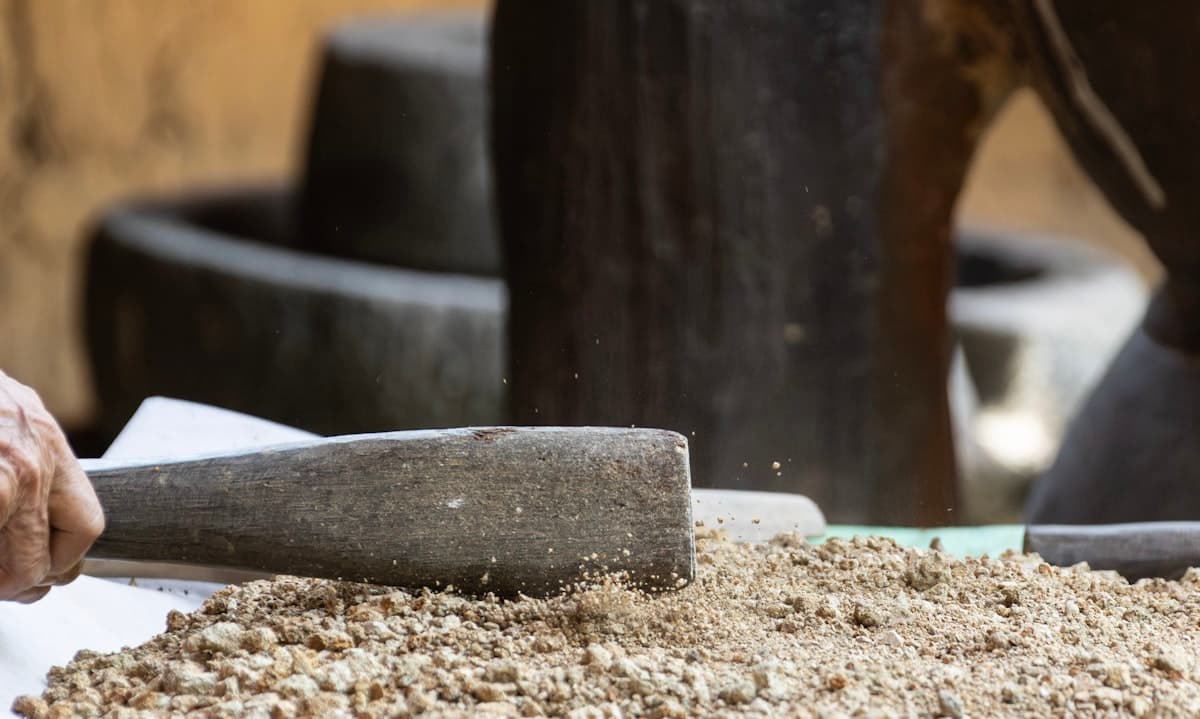
Did you know — Korean culture
Injeolmi's name comes directly from how it's traditionally made: cooked glutinous rice pounded by hand in a wooden mortar with a heavy mallet until it turns into a smooth, stretchy mass. This pounding, called tteok-chigi, was historically a communal, labor-intensive task — often done by multiple people taking turns with the mallet — which is part of why injeolmi has long been associated with celebrations and gatherings rather than an everyday, quickly-made side dish.
The pounding step is what actually creates injeolmi's texture — steaming alone leaves the rice cake soft but a little grainy, and it's the repeated folding and pounding afterward that develops the smooth, stretchy chew the dish is known for. Skipping or shortening this step is the single biggest reason homemade injeolmi comes out closer to plain sticky rice than the real thing.
Keeping everything oiled — hands, tools, the work surface — matters more than it sounds like it should. Glutinous rice cake is aggressively sticky while warm, and without a steady coat of oil on everything it touches, the pounding process turns into an unworkable mess rather than a smooth dough.
Injeolmi's name comes directly from how it's traditionally made: cooked glutinous rice pounded by hand in a wooden mortar with a heavy mallet until it turns into this exact smooth, stretchy mass. This pounding, called tteok-chigi, was historically a communal, labor-intensive task — often done by multiple people taking turns with the mallet — which is part of why injeolmi has long been associated with celebrations and gatherings rather than an everyday, quickly-made dish.
Troubleshooting
Rice cake grainy instead of smooth and chewy? It wasn't pounded enough after steaming — keep folding and pounding until it turns glossy and stretchy, not just cooked through.
Everything sticking to your hands and tools? More oil is the fix, applied liberally and reapplied as needed — this dough is unusually sticky by design.
Pieces sticking together after cutting? Toss them in extra soybean powder right after slicing, and store with a light dusting between layers if not eating immediately.
Recommended products
- Roasted soybean powder (injeolmikong-garu)
- Steamer basket
More to cook
All Desserts & Drinks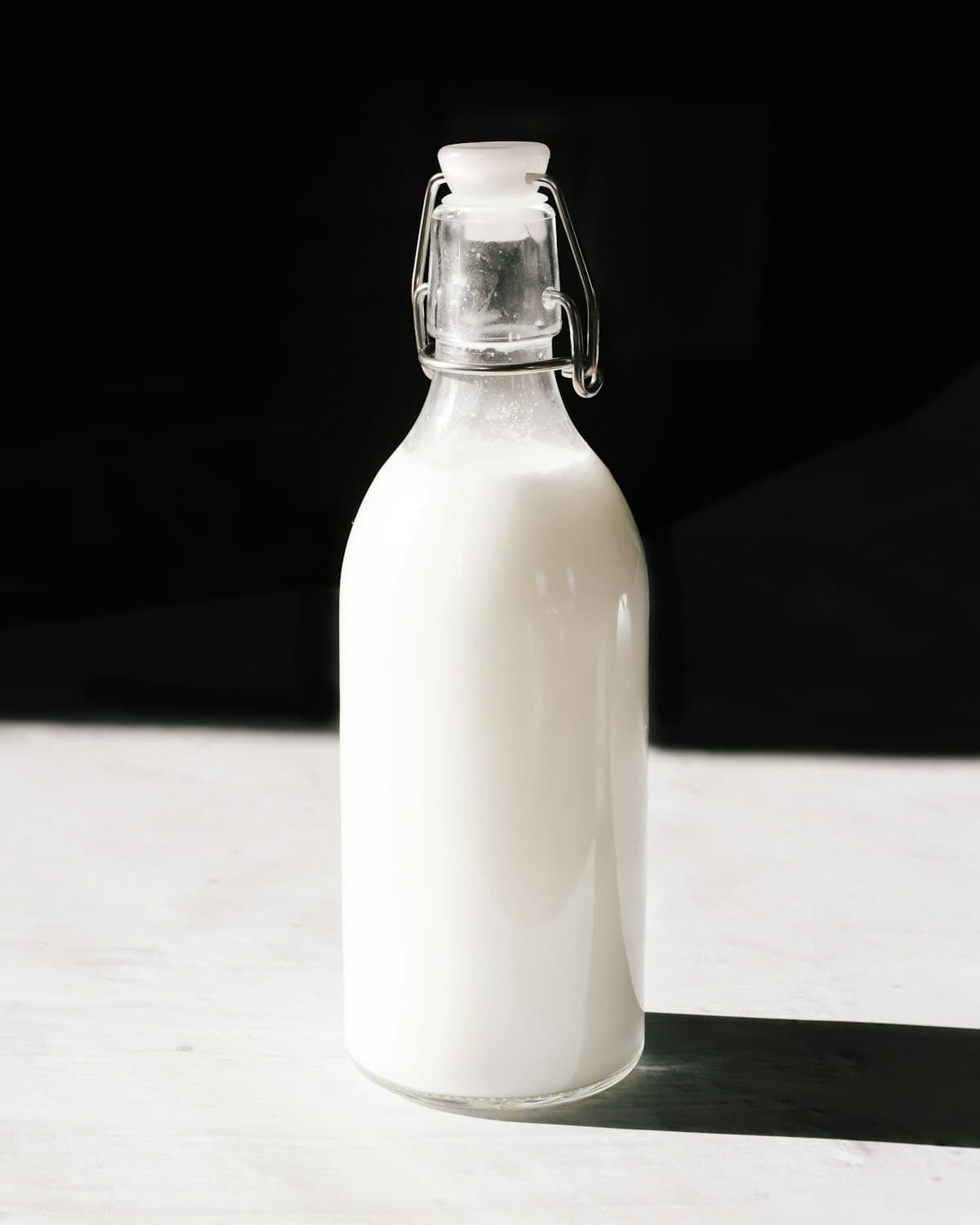
Makgeolli (Home-Brewed Rice Wine)
The nuruk fermentation timing behind homemade makgeolli, and why temperature control matters more than any other step.

Omija-cha (Five-Flavor Berry Tea)
The cold-steep technique behind omija-cha, and why heat is the one thing this tea's delicate flavor balance can't handle.
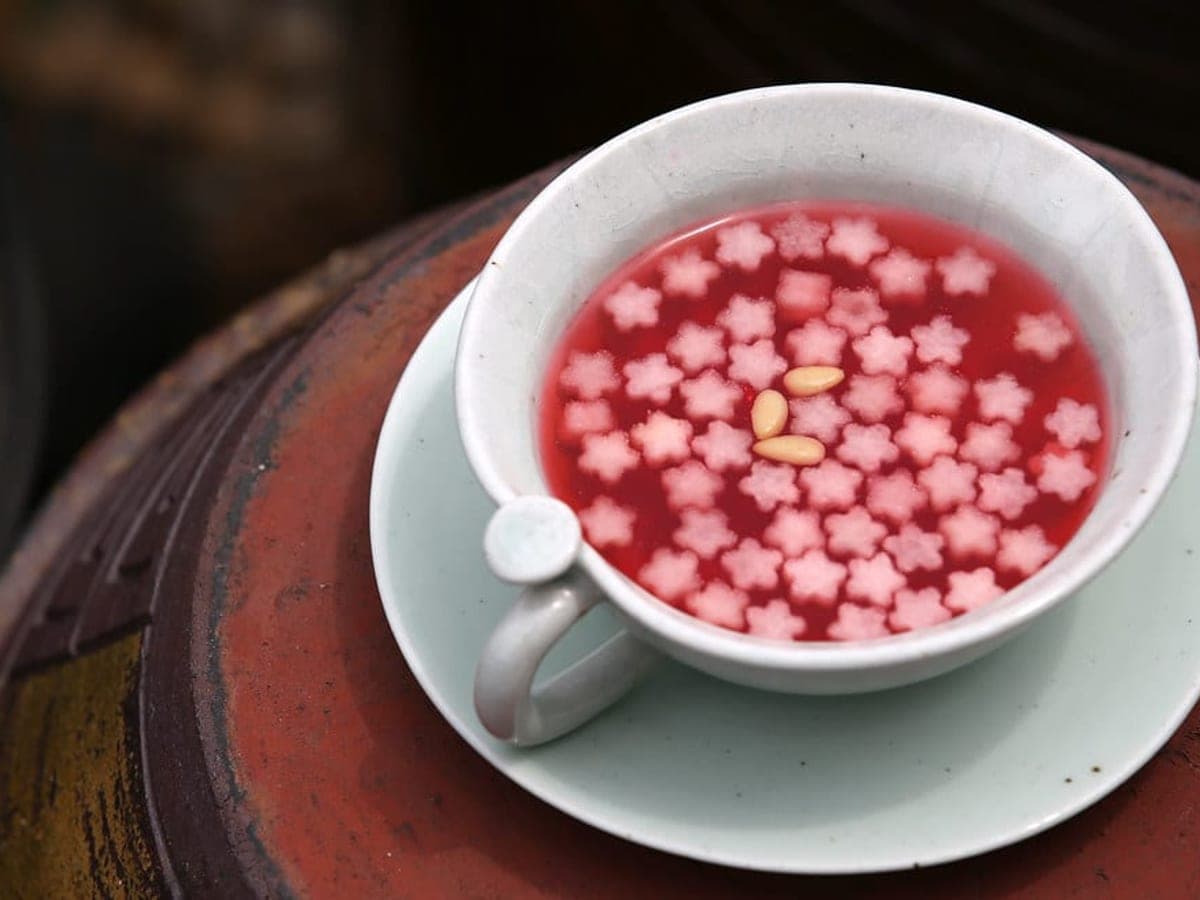
Omija Hwachae (Five-Flavor Berry Punch)
Why omija berries are steeped in cold water overnight rather than boiled, and how the fruit garnish is cut so it floats instead of sinking to the bottom.