
Steps
- 1
Wash the black raspberries gently and pat dry.
- 2
Layer the berries and sugar in a large sterilized jar, ending with a layer of sugar on top.
- 3
Seal loosely and let macerate at room temperature for 2-3 days, until the sugar draws out the juice.
- 4
If using yeast, sprinkle it over the mixture at this point.
- 5
Cover with a breathable cloth and let ferment in a cool, dark spot for 2-3 weeks, stirring occasionally.
- 6
Strain out the solids through cheesecloth, pressing gently to extract the liquid.
- 7
Transfer the liquid to a clean bottle and let it settle for another week before serving.
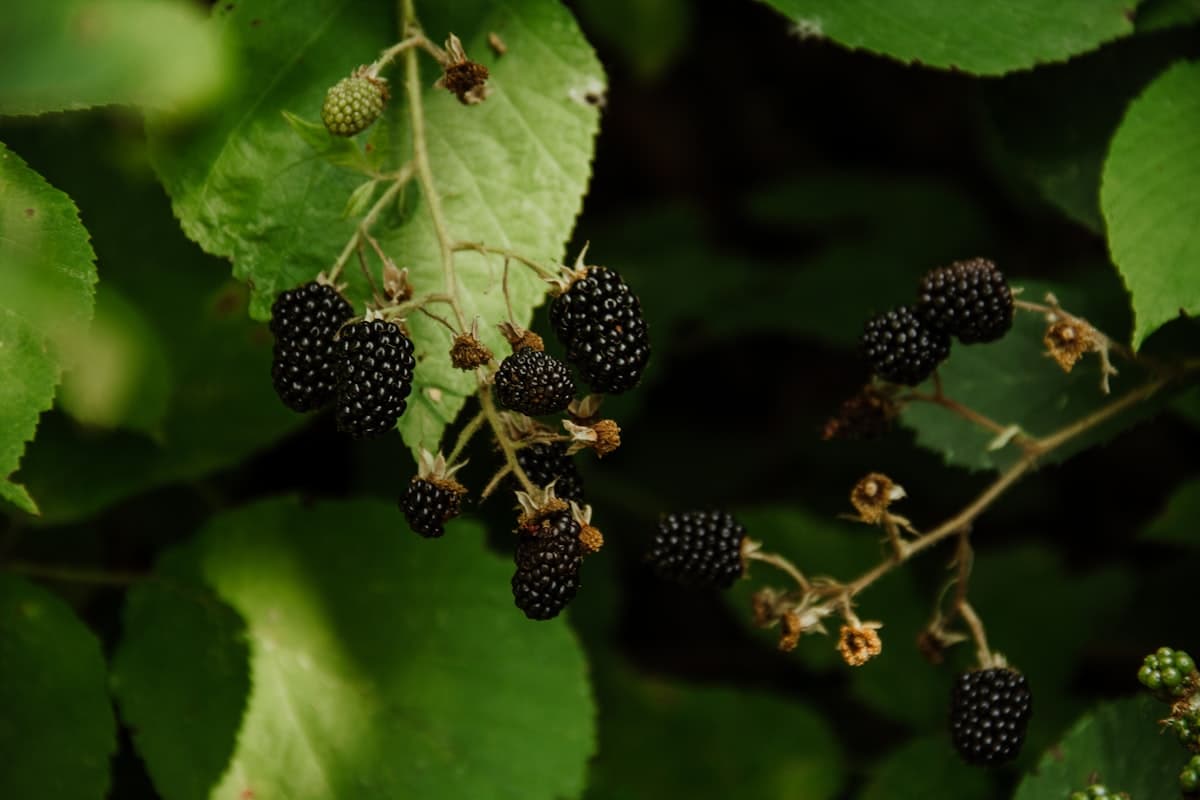
Did you know — Korean culture
Bokbunja translates roughly to "overturned chamber pot," tied to a folk story about the berry's supposed strengthening effects being potent enough to tip over a chamber pot — an old piece of folklore that stuck to the name long after anyone took the literal claim seriously, similar to how many traditional tonics picked up exaggerated reputations.
Layering the berries with sugar, rather than just mixing them together, helps draw the juice out evenly over the first few days — that initial maceration stage is what starts building the deep color and concentrated flavor before fermentation even really begins.
Patience during the fermentation stage matters more than any other variable here. Rushing it by pulling the wine early leaves a thinner, less complex drink; a full 2-3 weeks in a cool, dark spot is what actually develops the depth bokbunja-ju is known for.
Bokbunja translates roughly to "overturned chamber pot," tied to a folk story about the berry's supposed strengthening effects being potent enough to tip one over — an old piece of folklore that stuck to the name long after anyone took the literal claim seriously, similar to how many traditional tonics picked up exaggerated reputations over time.
Troubleshooting
Wine tasting thin or weak? It likely didn't ferment long enough — give it the full 2-3 weeks rather than pulling it early.
Mixture developing mold on top? The jar wasn't covered properly, or it's sitting somewhere too warm — use a breathable cloth cover and keep it in a cool, dark spot.
Wine tasting overly sweet? Reduce the sugar slightly next batch, or let the fermentation run a bit longer, since fermentation itself converts some of that sugar over time.
Recommended products
- Sterilized fermentation jar
- Cheesecloth
More to cook
All Desserts & Drinks
Boricha (Roasted Barley Tea)
The roast-and-simmer technique behind boricha's nutty flavor, and why over-steeping turns it bitter instead of mellow.
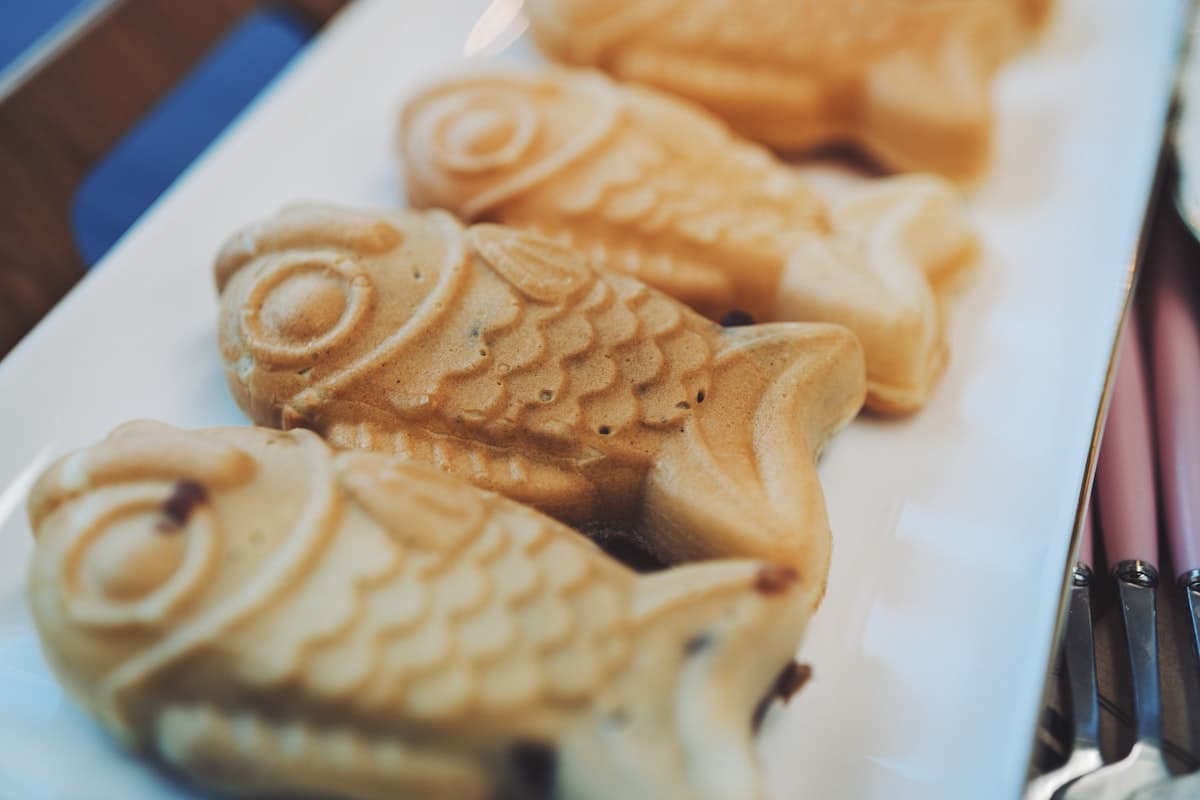
Bungeoppang (Fish-Shaped Pastry)
The mold-and-batter technique behind bungeoppang, and why the filling amount matters more than the shape itself.
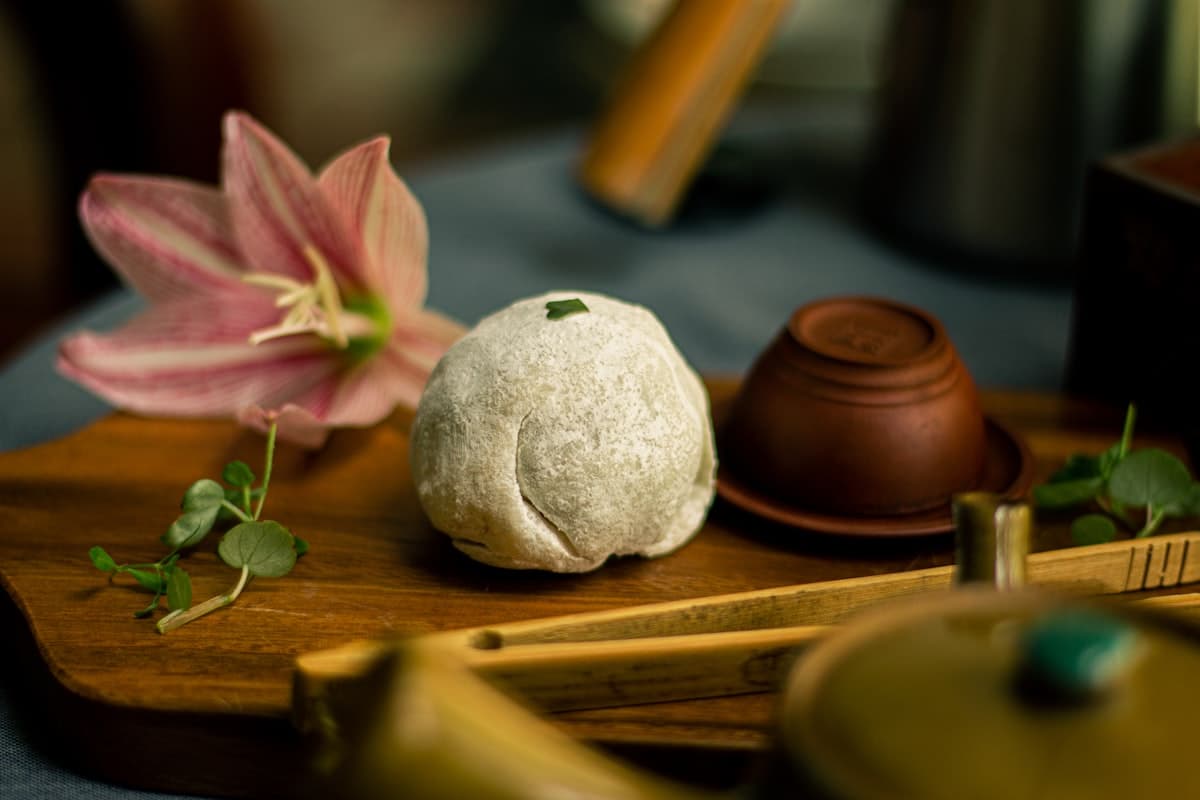
Chapssaltteok (Sweet Rice Cake with Filling)
The steam-then-pound technique behind chewy chapssaltteok, and why the filling needs to be fully cooled before wrapping.