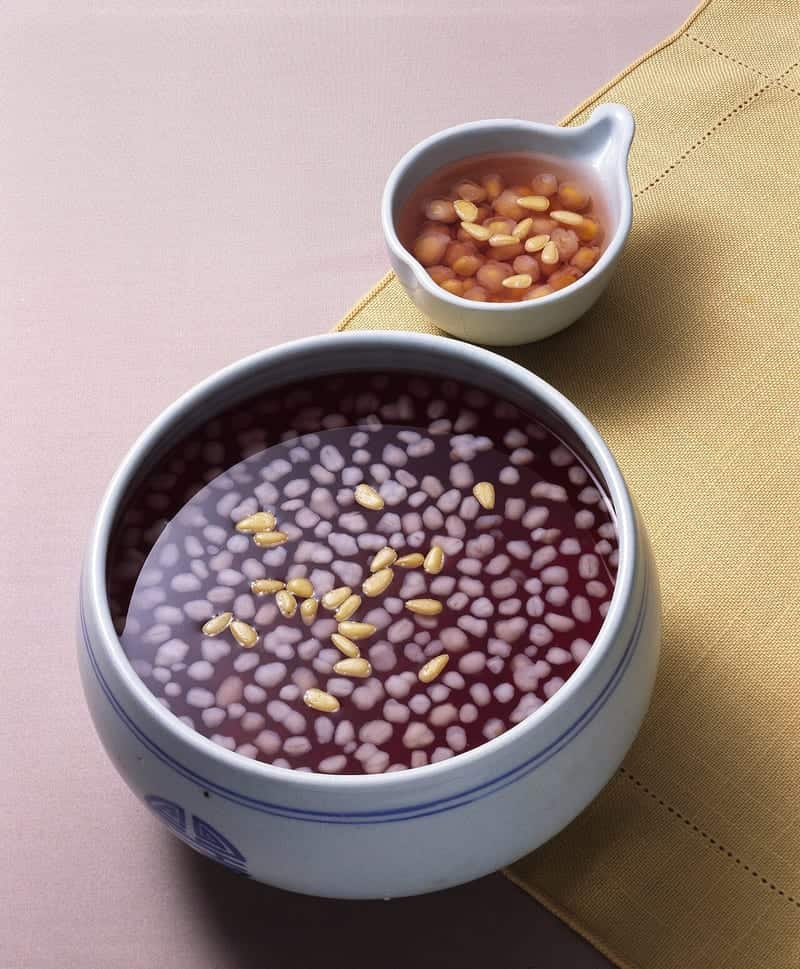
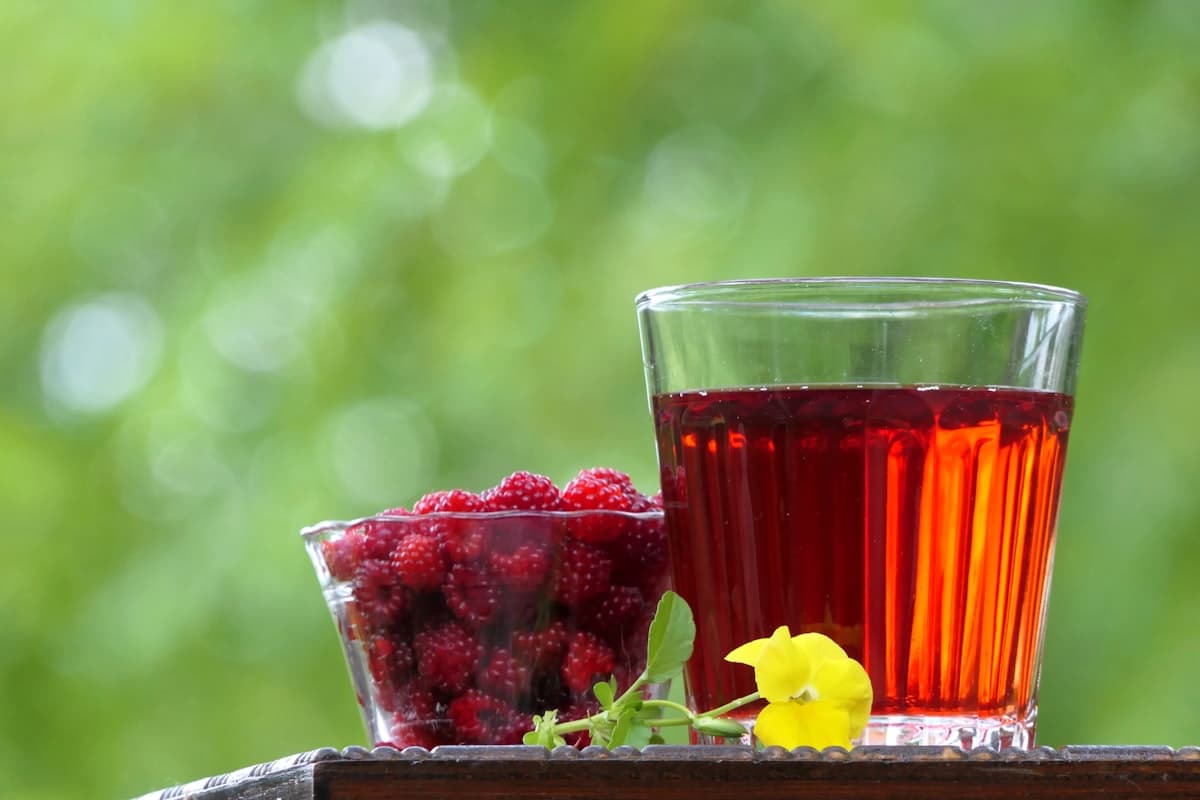
Photo: wizdata · CC0
Steps
- 1
Rinse the dried omija briefly, then steep in the cold water for 8-12 hours in the fridge — never hot water.
- 2
Strain out the berries; the liquid should be a clear magenta.
- 3
Sweeten to taste with honey or sugar, stirring until fully dissolved.
- 4
If using rice-flour pearls, boil them until they float, then rinse in cold water and drain.
- 5
Add the pearls or sliced fruit to the chilled liquid.
- 6
Ladle into bowls over ice and float a few pine nuts on top just before serving.
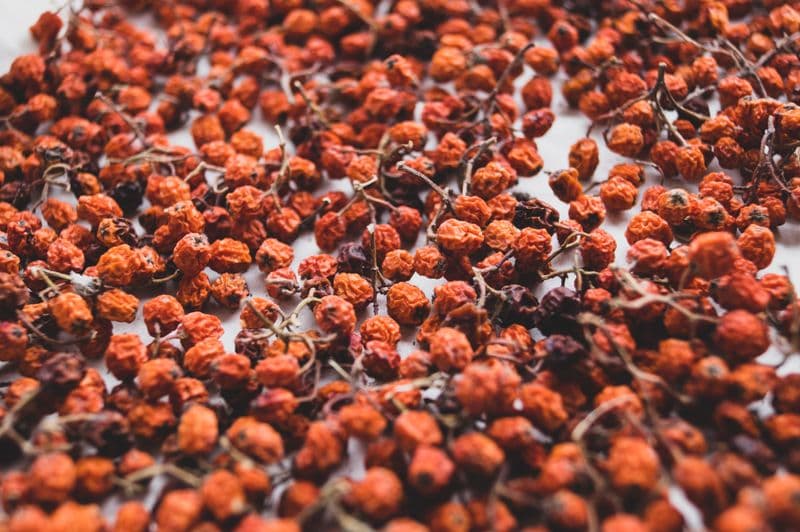
Did you know — Korean culture
Omija literally means "five-flavor berry" — sweet, sour, bitter, salty and pungent, all supposedly present at once. That's also why it's steeped in cold water rather than hot: heat pulls the bitter and astringent notes forward and drowns the rest.
The cold steep is the part that catches people out. Omija means "five-flavor berry" — sweet, sour, bitter, salty and pungent all at once — and hot water pulls the bitter and astringent notes out far too aggressively, turning what should be a bright, tart drink into something harsh. A long cold infusion in the fridge extracts the color and the sourness while leaving most of the bitterness behind.
Hwachae is really a category rather than a single recipe. Omija hwachae is the classic, but the same idea covers watermelon hwachae in high summer and versions built on seasonal fruit or thin-sliced pear. What stays constant is the format: something cold, lightly sweet and fruit-based, served in a bowl rather than a glass.
The pine nuts floating on top aren't a garnish in the decorative sense — they're traditional across a range of Korean drinks and punches, adding a faint richness that plays against the sourness. A few is the right number; more than that and they read as an ingredient rather than a finish.
Troubleshooting
Punch tastes harsh or bitter? The omija was almost certainly steeped in warm or hot water, or steeped far too long — keep it cold and stop around 12 hours.
Color pale rather than deep magenta? It needed a longer cold steep; the color develops slowly at fridge temperature.
Pine nuts sinking? They're meant to float — if they sink, they're likely stale and have absorbed moisture, which is also when they start tasting rancid.
Recommended products
- Dried omija berries
- Pine nuts
More to cook
All Desserts & Drinks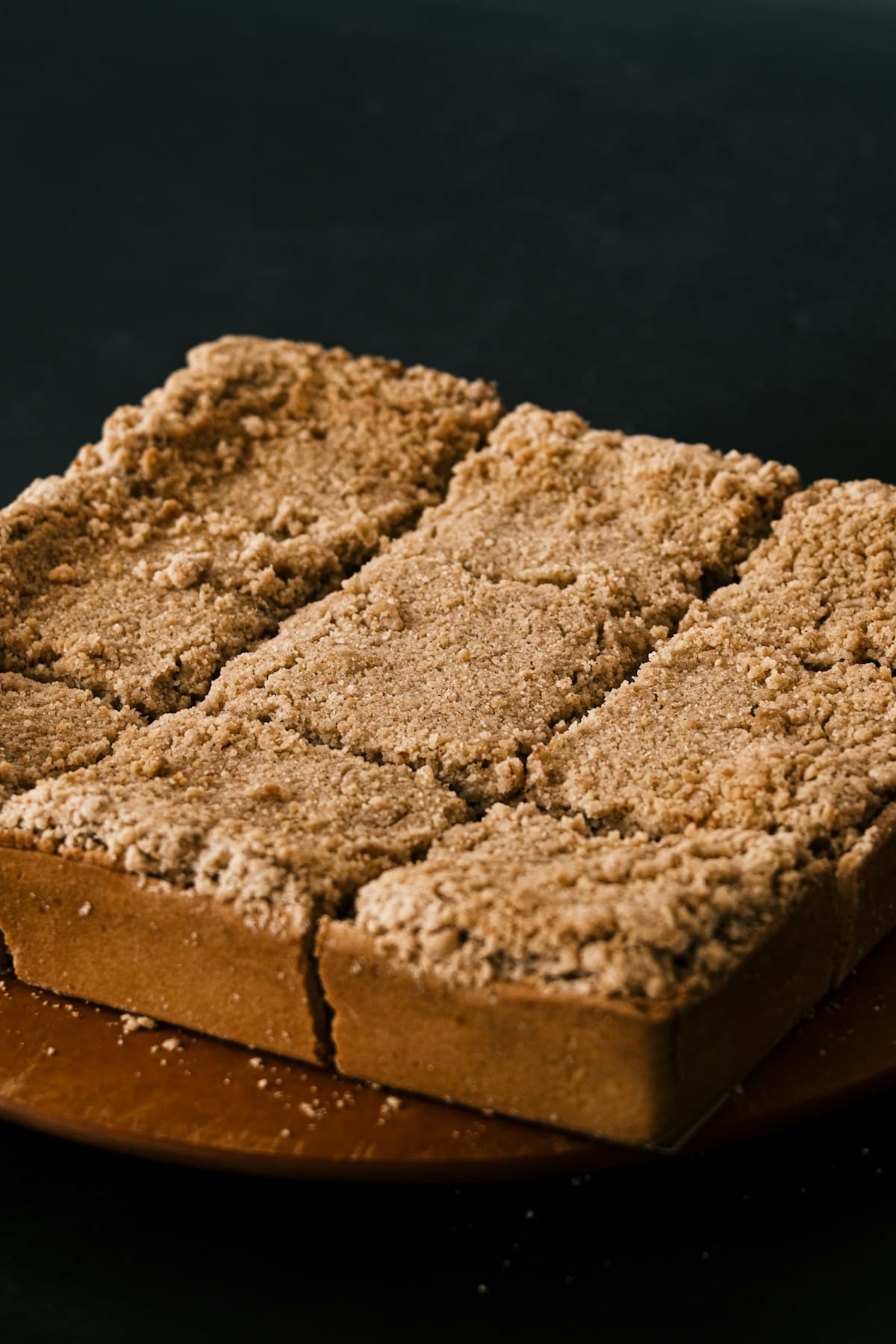
Injeolmi (Rice Cake Dessert)
The steam-and-pound technique behind injeolmi's chewy texture, and why the soybean powder coating matters as much as the rice cake itself.
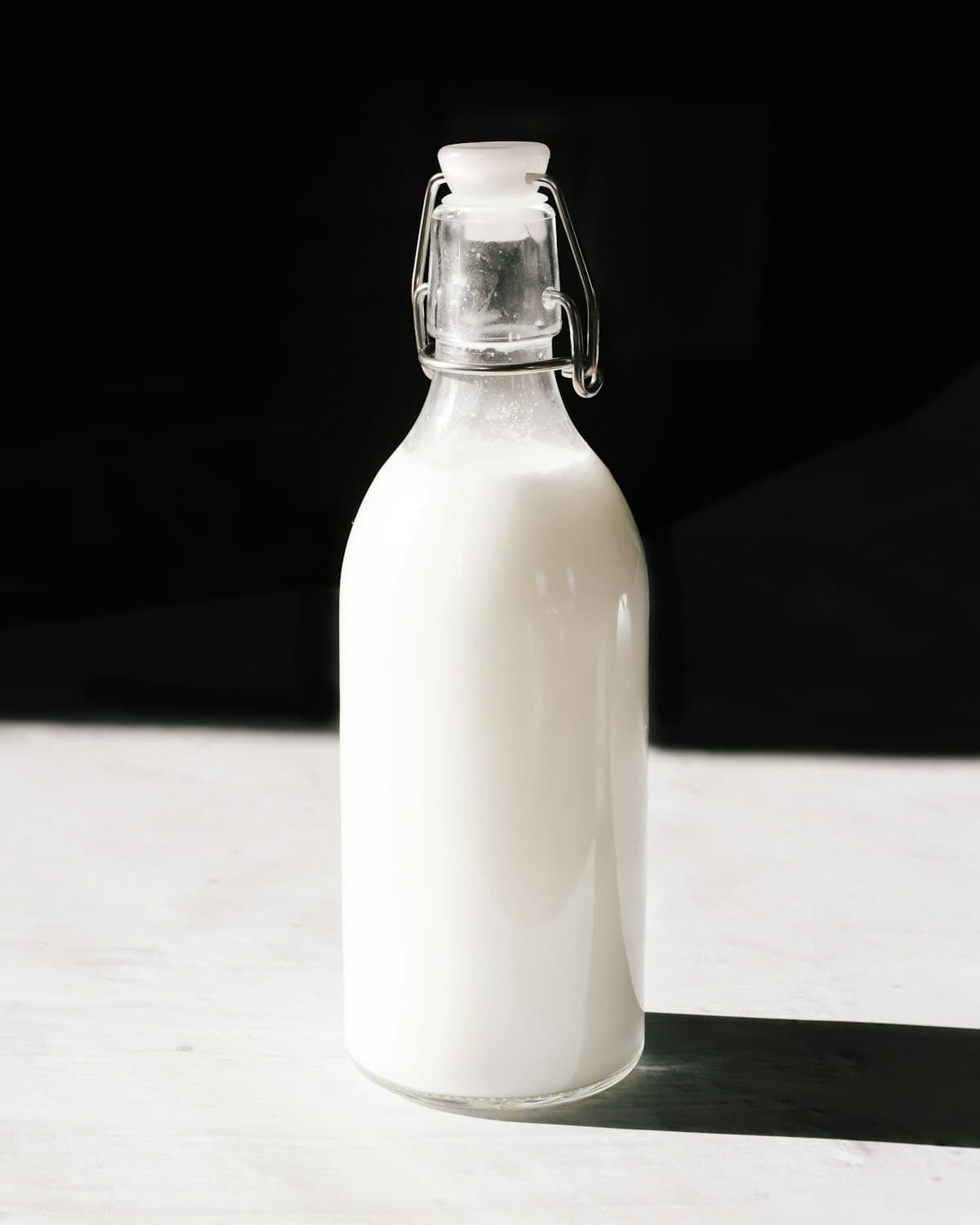
Makgeolli (Home-Brewed Rice Wine)
The nuruk fermentation timing behind homemade makgeolli, and why temperature control matters more than any other step.
Omija-cha (Five-Flavor Berry Tea)
The cold-steep technique behind omija-cha, and why heat is the one thing this tea's delicate flavor balance can't handle.