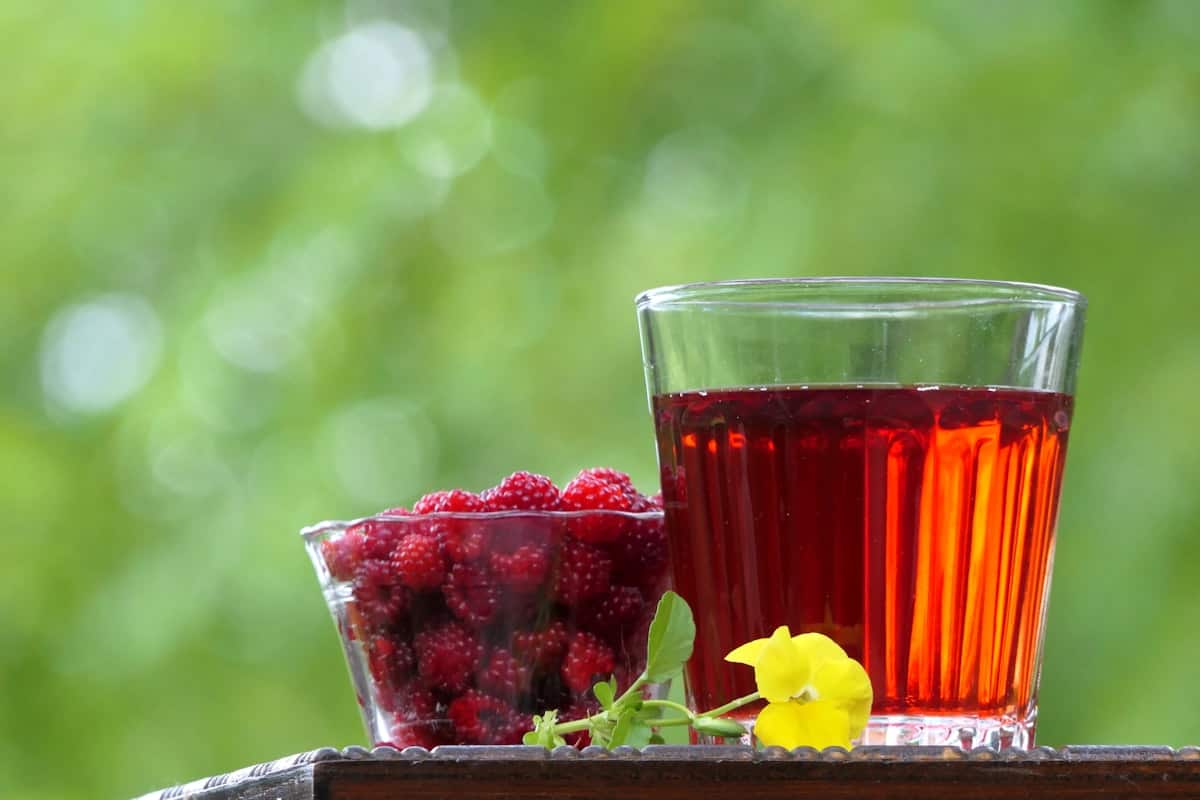
Steps
- 1
Rinse the dried omija berries briefly under cold water.
- 2
Place the berries in a jar or pitcher and cover with cold water.
- 3
Steep in the refrigerator for at least 8 hours, ideally overnight.
- 4
Strain out the berries, reserving the deep red liquid.
- 5
Sweeten to taste with honey or sugar, stirring until dissolved.
- 6
Serve over ice, garnished with a few pine nuts if using.

Did you know — Korean culture
Omija literally means "five-flavor berry," and traditional Korean medicine holds that a single omija berry genuinely carries all five basic tastes at once — sweet, sour, salty, bitter, and pungent — depending on which part of the berry hits your tongue first. The berries grow wild on vines in Korea's mountain forests, which is part of why omija-cha has long been associated with rural, mountain-region food culture rather than the city.
Cold-steeping, not boiling, is what actually gives omija-cha its color and balance. Heat pulls out excessive tannin and bitterness from the berries, throwing off the tea's signature balance of sweet, sour, and slightly bitter notes — a long cold soak extracts the color and flavor far more gently.
Straining thoroughly matters more than it looks like it should. Omija berries left in the liquid too long, or strained carelessly with skins and seeds slipping through, can turn the tea gritty and overly tannic well past the point of pleasant tartness.
Omija literally means "five-flavor berry," and traditional Korean medicine holds that a single berry genuinely carries all five basic tastes at once — sweet, sour, salty, bitter, and pungent — depending on which part of the berry touches your tongue first. The berries grow wild on vines in Korea's mountain forests, which is part of why omija-cha has long been tied to rural, mountain-region food culture rather than the city.
Troubleshooting
Tea tasting overly bitter or tannic? It was likely steeped with heat, or left with the berries in too long — cold-steep only, and strain out the berries once the color has fully developed.
Tea tasting flat or weak? The steep time was probably too short — a full 8 hours, ideally overnight, is what pulls the deep red color and full flavor out of dried berries.
Tea turning gritty? Strain through a fine mesh strainer or cheesecloth, not just a coarse sieve, to catch any berry skin or seed fragments.
Recommended products
- Dried omija berries
- Fine mesh strainer
More to cook
All Desserts & Drinks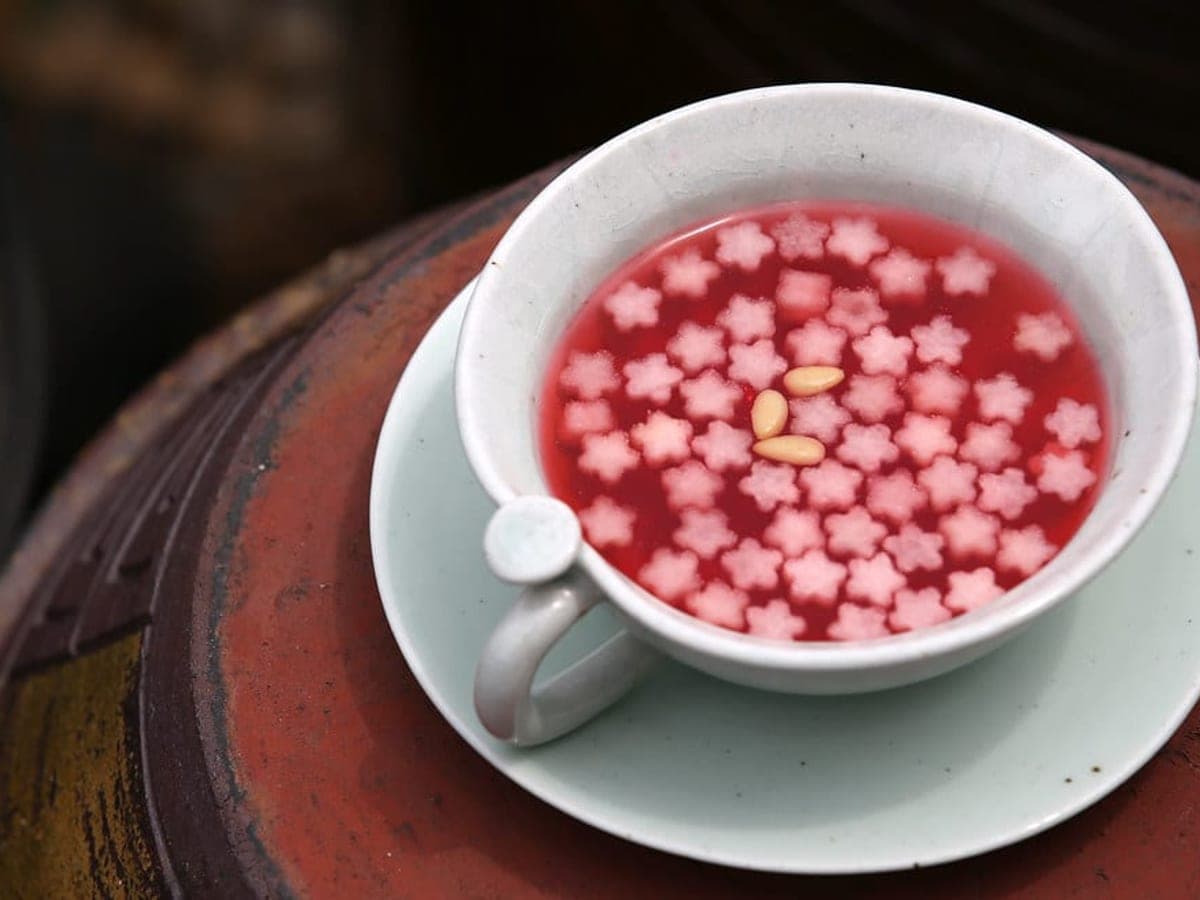
Omija Hwachae (Five-Flavor Berry Punch)
Why omija berries are steeped in cold water overnight rather than boiled, and how the fruit garnish is cut so it floats instead of sinking to the bottom.
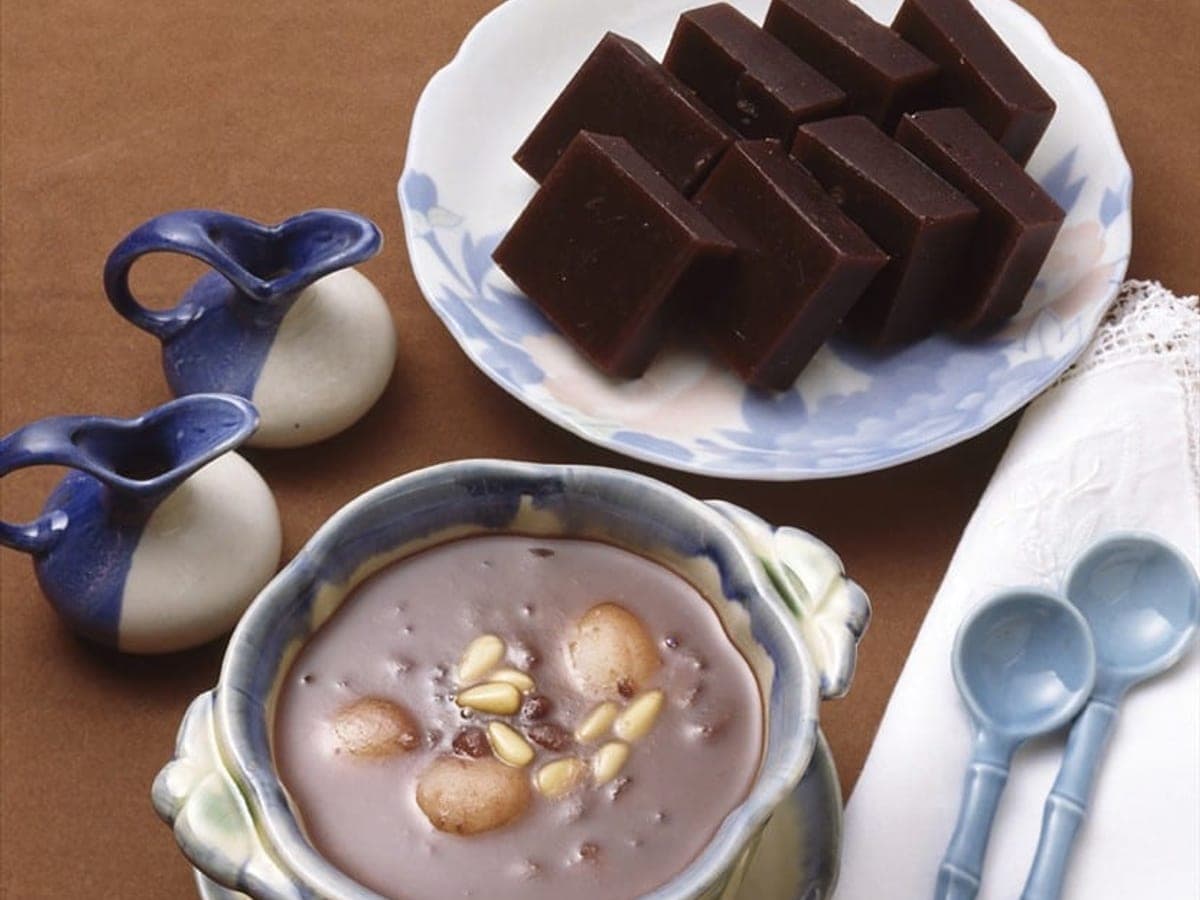
Patjuk (Red Bean Porridge)
Why the first boil of the red beans is drained away, and how the rice-ball dumplings go in at the very end so they stay chewy instead of dissolving.
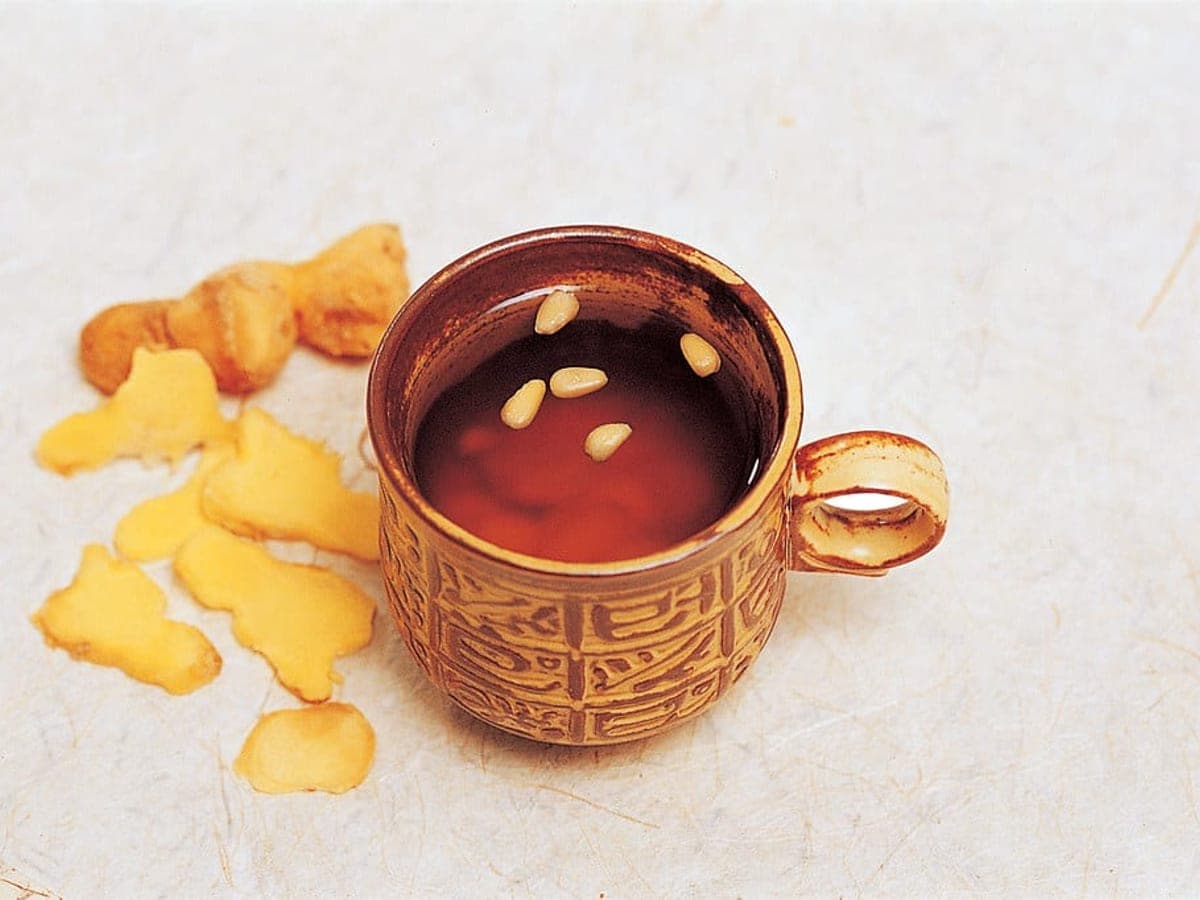
Saenggang-cha (Ginger Tea)
Why Korean ginger tea is preserved with honey as a raw paste rather than brewed fresh, and how the ginger is sliced so it releases heat without turning bitter.