
Steps
- 1
Wash the yuja thoroughly and slice thinly, removing seeds.
- 2
Weigh the sliced fruit, and measure out an equal weight of sugar.
- 3
Toss the sliced yuja with the sugar in a large bowl, making sure every piece is coated.
- 4
Let the mixture sit at room temperature for a few hours, stirring occasionally, until the sugar draws out the juice into a syrup.
- 5
Pack the mixture tightly into a sterilized jar, pressing out any air pockets.
- 6
Let it sit at room temperature for 1-2 days, then refrigerate.
- 7
To serve, spoon 1-2 tablespoons of the marmalade into a cup and top with hot water, stirring to dissolve.
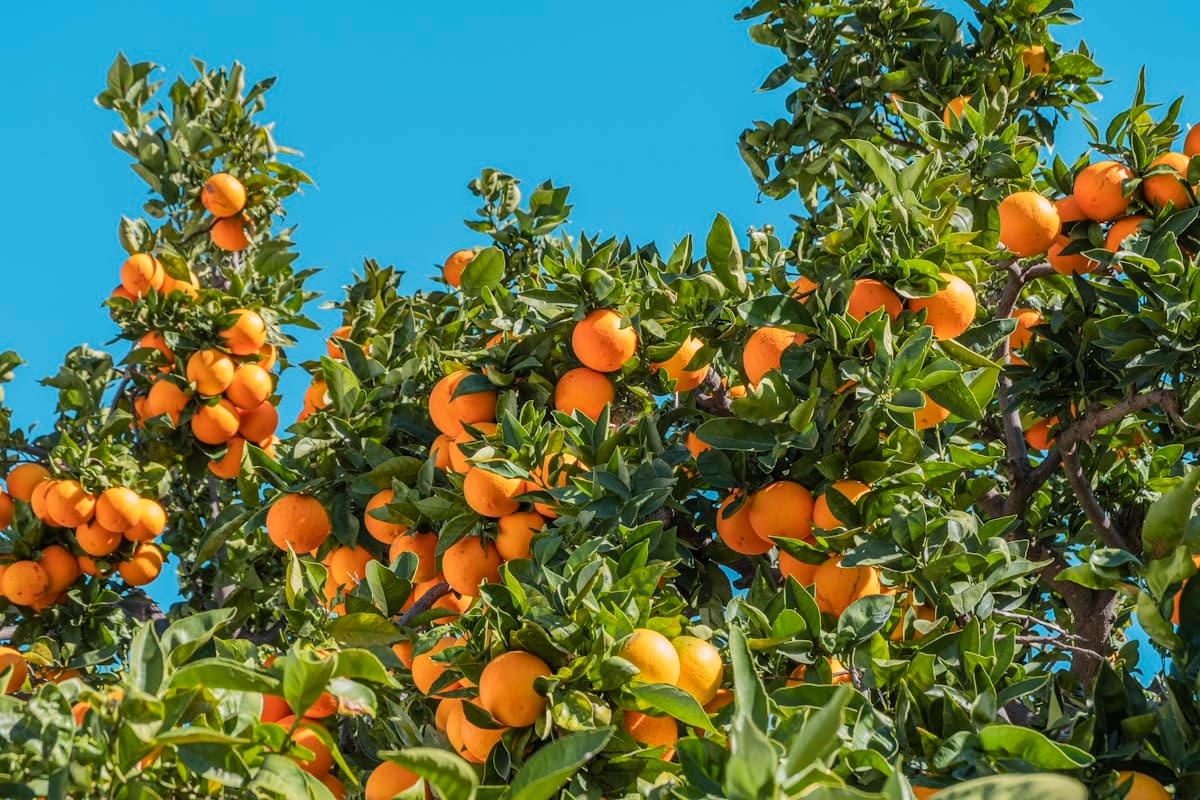
Did you know — Korean culture
Yuja (Korean citron) is too sour and seedy to eat out of hand, which is exactly why it ended up preserved in sugar or honey as a marmalade-like base for tea instead of sold as fresh fruit. The citron's genuinely high vitamin C content made yuja-cha a practical cold-weather remedy long before that was a marketing angle — it's one of the rare traditional teas whose health reputation actually holds up.
Matching the sugar weight to the fruit weight, rather than eyeballing it, is what actually preserves yuja-cha safely at room temperature for weeks. Too little sugar and the marmalade can ferment or spoil; the ratio isn't just about sweetness, it's doing real preservation work.
The peel is doing as much for this tea as the fruit inside it — yuja is prized specifically for its fragrant, slightly bitter skin, which is part of why the whole fruit gets sliced and preserved rather than just juiced. Discarding the peel would throw away most of what makes yuja-cha distinct from a plain citrus drink.
Yuja is too sour and seedy to eat out of hand, which is exactly why it ended up preserved in sugar as a marmalade-style base for tea rather than sold as fresh fruit. Its genuinely high vitamin C content made yuja-cha a practical cold-weather remedy long before that was a marketing angle — one of the few traditional teas whose health reputation actually holds up.
Troubleshooting
Marmalade tasting overly bitter? Some bitterness from the peel is normal and expected, but if it's overwhelming, thinner slices and slightly more sugar can help balance it next time.
Marmalade not keeping well? Double-check the sugar-to-fruit ratio was roughly equal by weight — under-sugaring is the most common cause of early spoilage.
Tea tasting flat despite the marmalade? Use genuinely hot water, not lukewarm, and stir well — the syrup needs real heat to dissolve and release its aroma properly.
Recommended products
- Sterilized preserving jars
- Yuja marmalade (if unavailable fresh)
More to cook
All Desserts & Drinks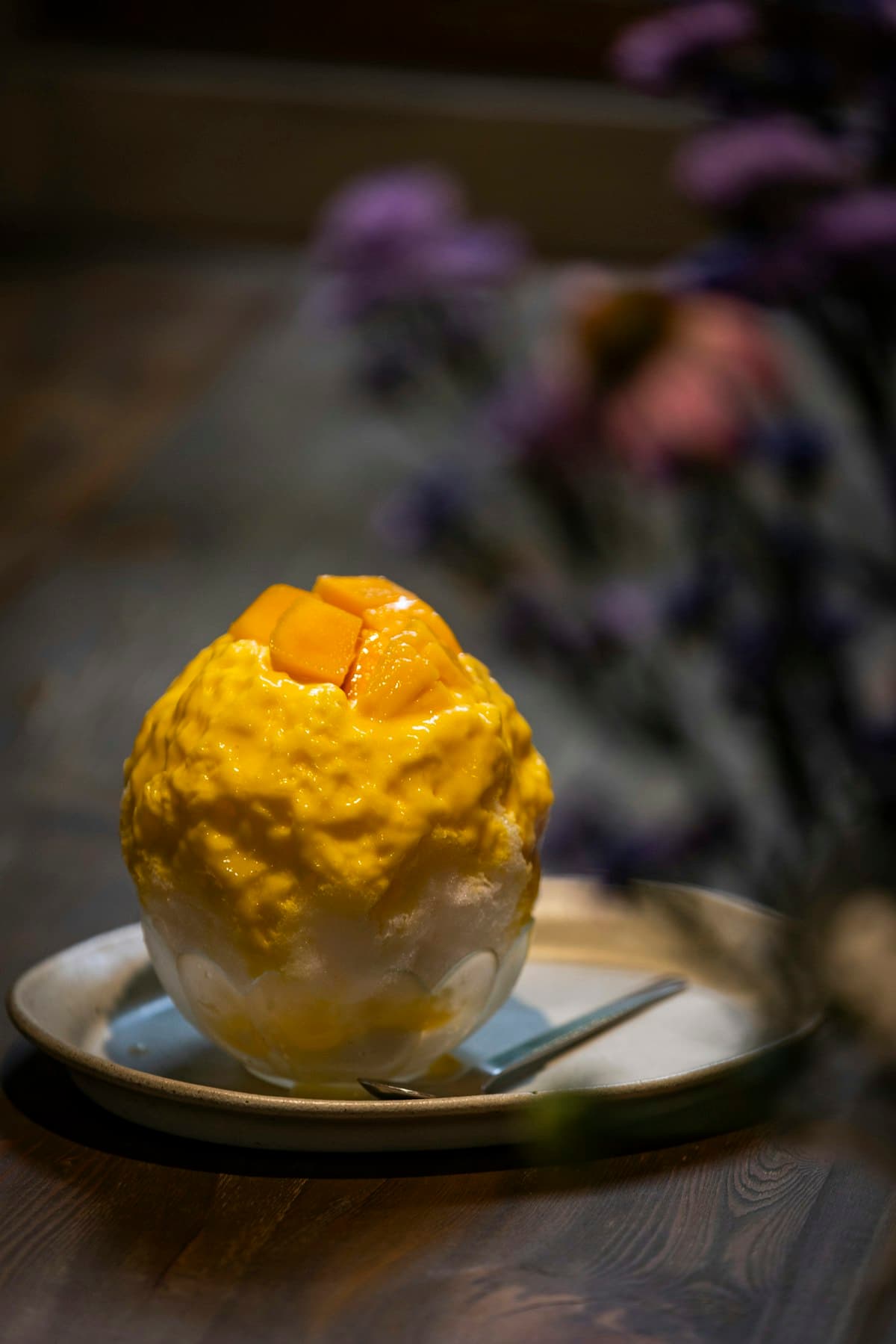
Bingsu (Patbingsu)
The milk-ice and topping-layering technique behind proper bingsu, and why shaving matters more than the toppings themselves.

Bokbunja-ju (Black Raspberry Wine)
The sugar-maceration technique behind bokbunja-ju's deep color, and why patience during fermentation matters more than any other step.

Boricha (Roasted Barley Tea)
The roast-and-simmer technique behind boricha's nutty flavor, and why over-steeping turns it bitter instead of mellow.