Steps
- 1
Whisk the malted barley powder into the warm water and let it sit 20-30 minutes to hydrate.
- 2
Strain the mixture through a fine cloth or sieve, reserving the liquid and discarding the coarse solids.
- 3
Let the strained liquid settle for 1-2 hours, then carefully pour off the clear top layer, leaving the cloudy sediment behind.
- 4
Combine the clear liquid with the cooked rice in a pot or rice cooker on the warm setting.
- 5
Hold at a low, warm temperature (around 140-150°F) for 4-6 hours, until rice grains start floating to the surface — this is the fermentation window, not a mistake to fix.
- 6
Once grains are floating, bring the liquid to a boil briefly to stop further fermentation.
- 7
Stir in sugar to taste and let cool completely.
- 8
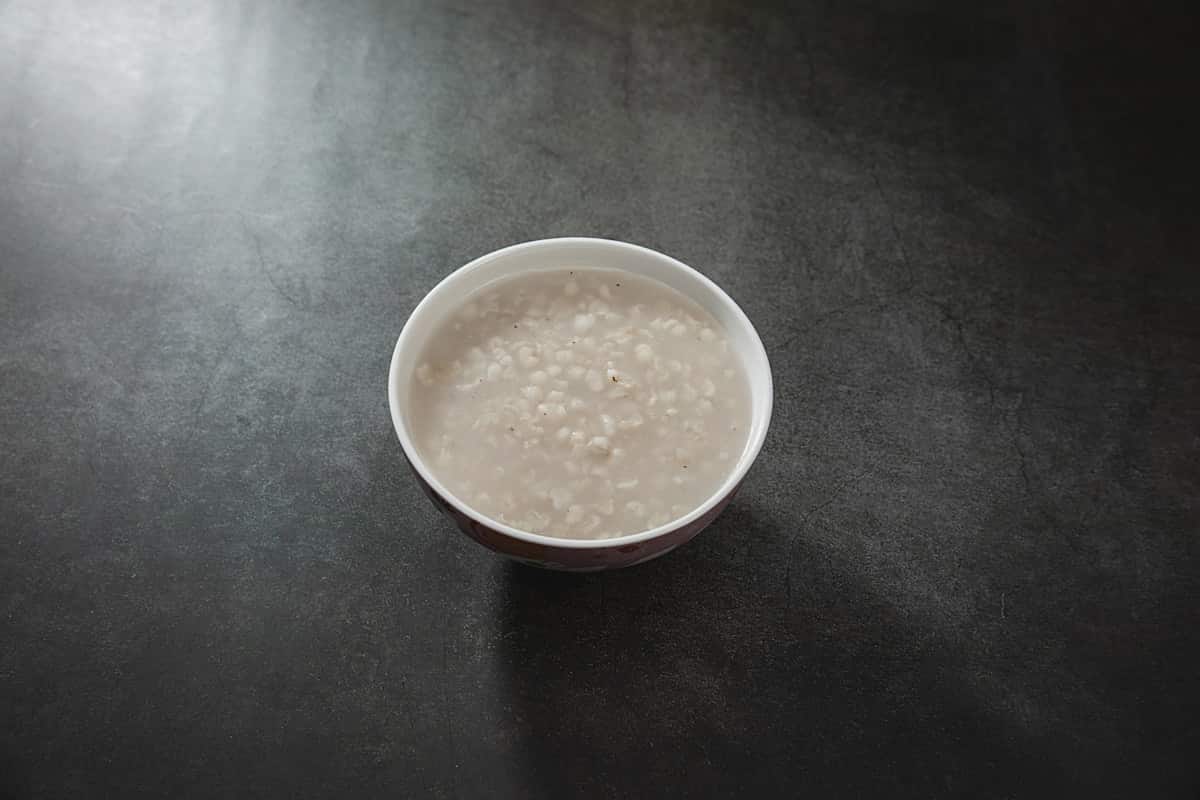
Chill thoroughly and serve cold, with a few floating rice grains and pine nuts in each bowl.
Did you know — Korean culture
Sikhye is fermented with malted barley (yeotgireum), which contains enzymes that break down starch into sugar — the same basic process used in brewing, just stopped early and served as a drink instead of alcohol. It's traditionally served after a heavy meal, often at Korean restaurants as a free digestif, based on the belief that its enzymes help with digestion the way a palate-cleansing dessert would elsewhere.
The floating rice grains aren't a garnish added at the end — they're the actual sign that fermentation worked. As the barley enzymes break down starch into sugar over those several warm hours, grains that were sitting at the bottom gradually rise and float, and that visual cue is how sikhye has traditionally been judged as ready, long before anyone had a thermometer to check.
Keeping the liquid in a narrow warm-temperature window matters more than almost anything else in this recipe. Too hot and the enzymes in the malted barley denature and stop working before they've broken down enough starch; too cool and fermentation takes far longer than the hours most recipes budget for.
Sikhye is fermented with malted barley (yeotgireum), which contains enzymes that convert starch into sugar — essentially the same basic process used in brewing, just stopped early and served as a drink instead of pushed toward alcohol. It's traditionally served after a heavy meal, often for free at Korean restaurants, based on the idea that its enzymes aid digestion the way a palate-cleansing dessert would elsewhere.
Troubleshooting
Rice grains never floating, even after hours? The liquid was probably too hot or too cool. Check that it's holding steady in the 140-150°F range, not drifting to a simmer.
Sikhye tastes bland instead of naturally sweet? The fermentation step needs its full time — the sweetness comes from the enzymes breaking down starch, not from added sugar alone.
Liquid cloudy instead of clear? The settling and pour-off step was probably rushed. Let it sit undisturbed long enough for the sediment to fully separate before decanting.
Recommended products
- Malted barley powder (yeotgireum)
- Fine straining cloth
More to cook
All Desserts & Drinks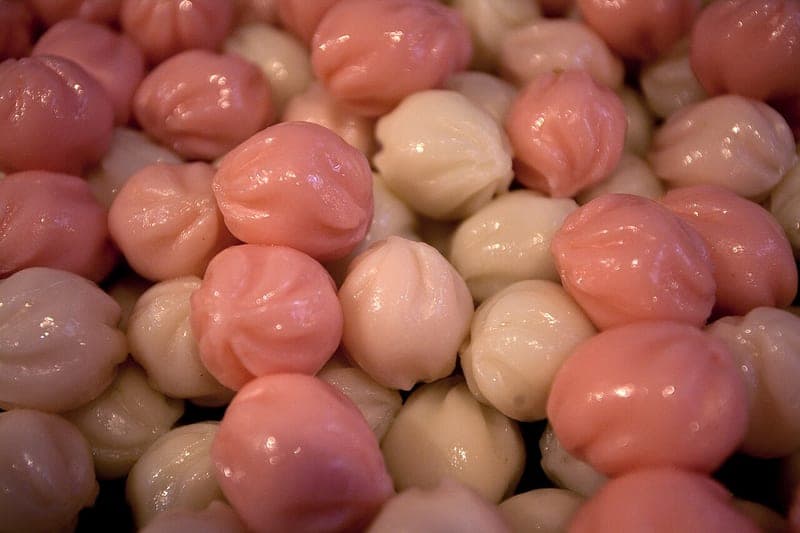
Songpyeon (Chuseok Rice Cakes)
Why the dough has to be kneaded with boiling water, and how steaming over pine needles gives these Chuseok rice cakes their name and scent.
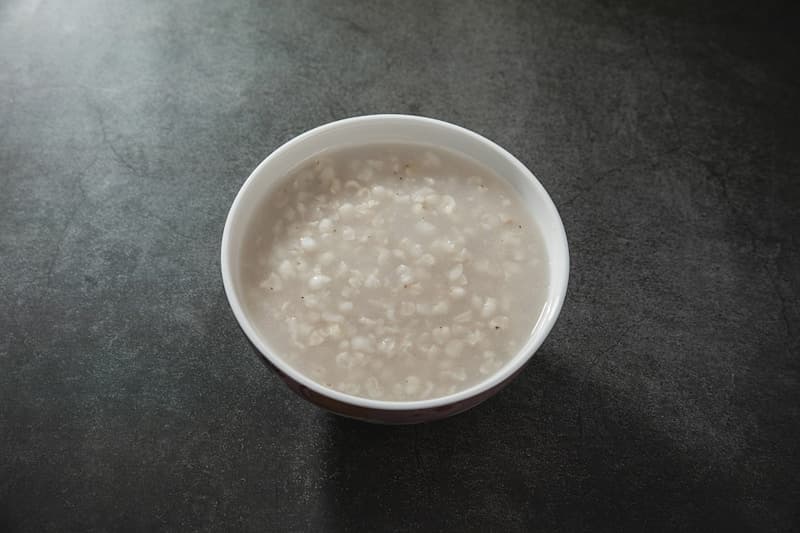
Sungnyung (Scorched Rice Water)
Why the rice crust needs to be genuinely toasted, not just leftover cooked rice, for real sungnyung flavor — and how to build that crust on purpose.
Yakgwa (Honey Cookie)
The sesame-oil dough and double-fry technique behind yakgwa, and why the honey syrup soak matters more than the shaping.