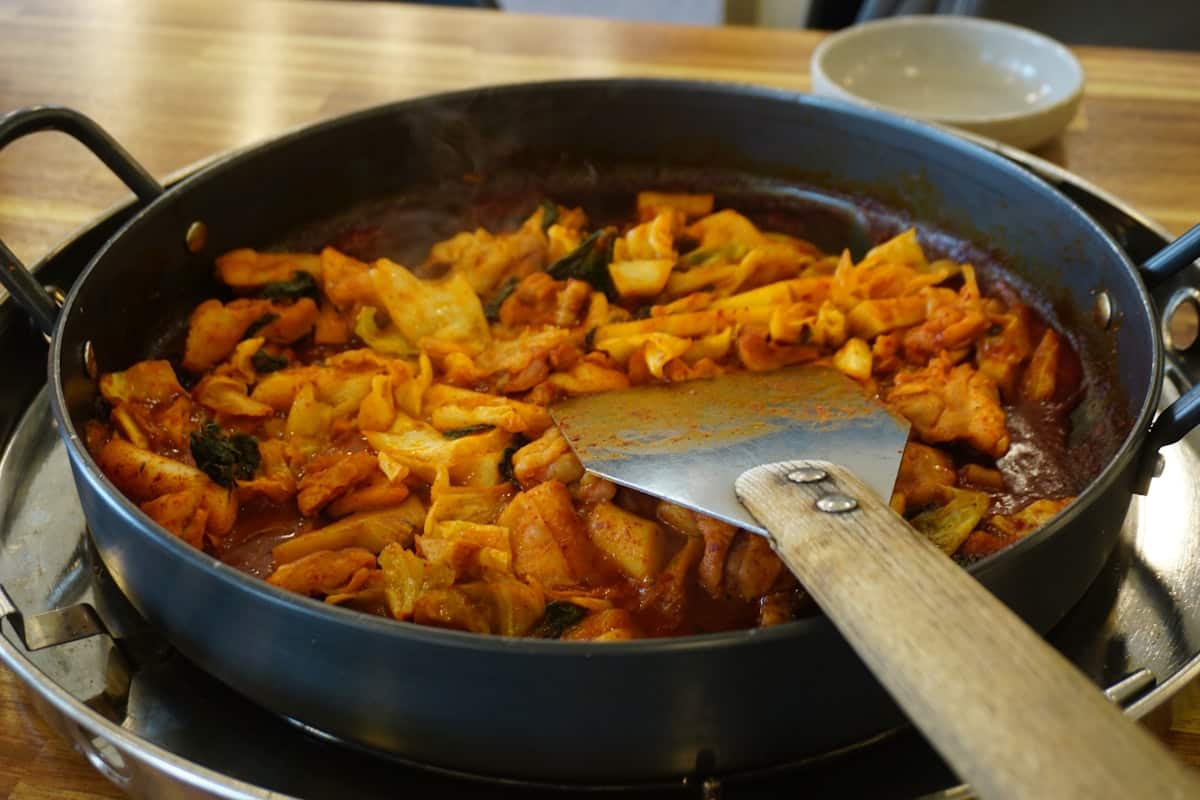
Steps
- 1
Whisk together gochujang, gochugaru, soy sauce, sugar, garlic, ginger, and sesame oil.
- 2
Toss the chicken in the marinade and let it sit at least 30 minutes, longer if you have time.
- 3
Heat a large flat pan or griddle over medium-high heat.
- 4
Add the sweet potato and cabbage first — they take longer to cook than the chicken.
- 5
Add the marinated chicken and onion, spreading everything out so it actually browns instead of steaming.
- 6
Stir-fry until the chicken is cooked through and the vegetables are tender, 12-15 minutes.
- 7
Add the rice cake and green onions in the last few minutes if using.
- 8
Once most of it's eaten, push the leftover sauce to one side and fry rice directly in it — this is the actual best part.
Did you know — Korean culture
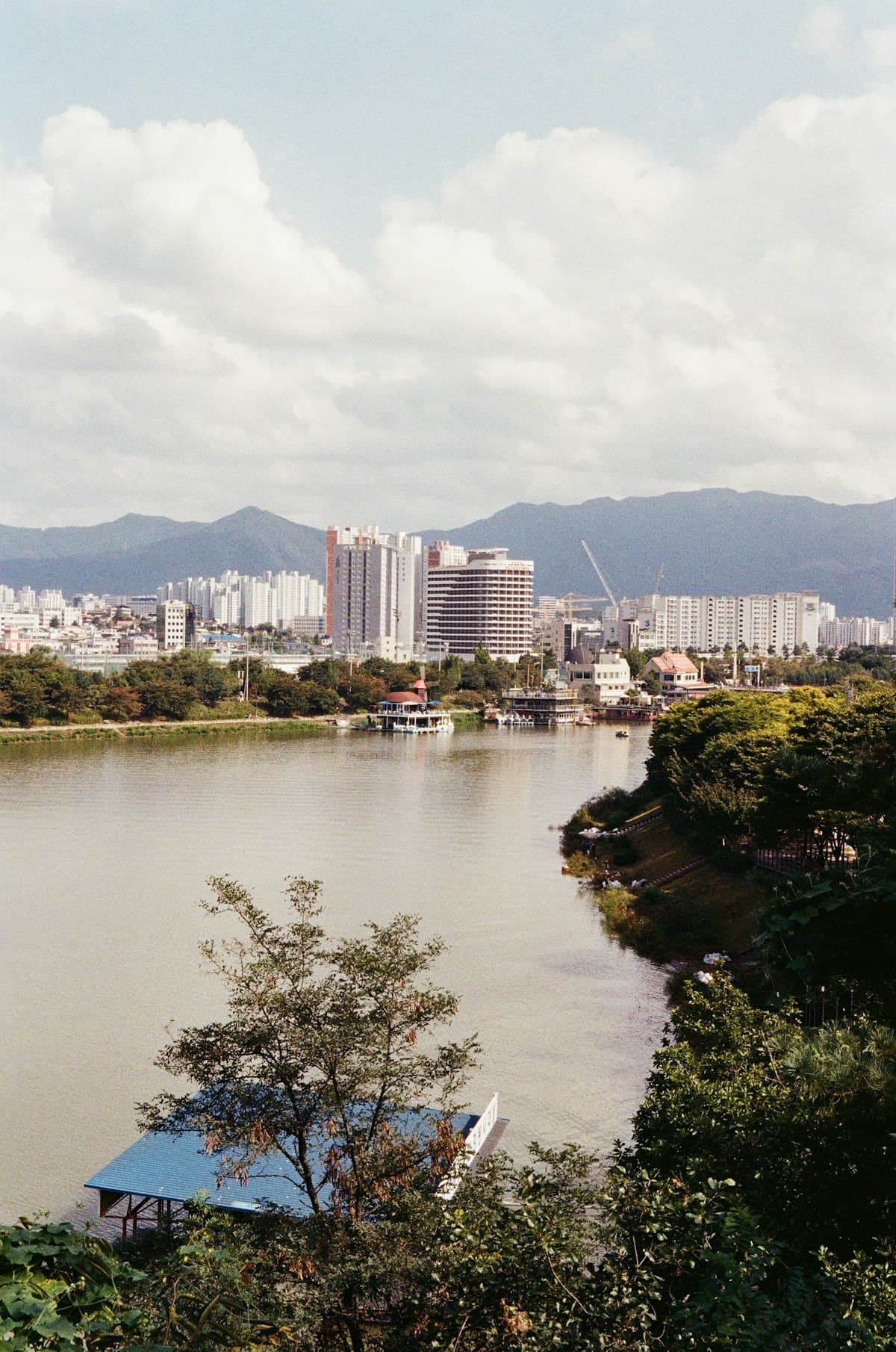
Dak galbi is a substitution dish. It started in 1960s Chuncheon, a city with a lot of chicken farms and, for a long stretch, not much affordable pork. Local cooks began marinating chicken the way galbi (short ribs) was traditionally marinated and grilling it on the same tabletop griddles — a cheaper stand-in that turned into its own regional specialty, distinct enough now that Chuncheon still markets itself as the dak galbi capital.
Dak galbi rewards a hot, wide pan more than a careful one. This is a stir-fry meant to sear and caramelize against high heat, not simmer politely — if the pan is crowded or lukewarm, everything steams instead of browning, and you lose the charred edges that make the dish work.
It's a Chuncheon dish specifically, and the reason is practical, not culinary. In the 1960s, the city had a lot of chicken farms and, for a stretch, not a lot of affordable pork — so cooks started marinating chicken the way galbi (short ribs) was traditionally marinated, cooking it the same tabletop way. What began as a cheaper substitute became its own specialty, distinct enough that Chuncheon still calls itself the dak galbi capital.
The sweet potato goes in before the chicken for a reason: it needs more time to cook through, and starting it late means either undercooked potato or overcooked chicken. Same logic applies to the frying-rice finale — don't skip it. The sauce left in the pan after the meat and vegetables are gone is arguably the most flavorful part of the whole dish.
The chicken and the marinade
Boneless thigh, always. Breast dries out over the sustained high heat this dish needs, and dak galbi is cooked hard. Cut it into large chunks — 4–5cm — so it stays juicy while the outside caramelises.
The marinade is gochujang-based with gochugaru for clean heat, soy sauce, syrup or sugar, garlic, ginger, and usually curry powder — the last is genuinely traditional in Chuncheon versions, not a fusion addition.
Marinate 30 minutes to overnight. Unlike beef marinades there is no enzyme working here, so long marinating does no harm.
What goes in the pan with it
Cabbage, in large pieces — it releases water that becomes the sauce, and sweetens as it cooks.
Sweet potato, sliced thin. This is characteristic of dak galbi and worth not skipping; its sweetness plays directly against the chili.
Tteok — cylindrical rice cakes, soaked first if refrigerated.
Perilla leaves, torn in near the end — see kkaennip. Their aniseed note is a signature of the dish.
Onion, scallion, and often ssukgat (crown daisy).
Cheese is a very common modern addition, melted over the top at the end.
Cooking it: one pan, high heat, don't stir too early
Dak galbi is a stir-fry, not a stew, and the difference is whether you let things sit long enough to brown.
Get the pan genuinely hot. Add the marinated chicken and the hard vegetables — sweet potato, cabbage stems — first, and leave them alone for a few minutes so the marinade catches and caramelises against the metal. That char is the flavour.
Then stir, add the softer vegetables, and keep it moving. Total cooking time is around 15 minutes.
If liquid pools: turn the heat up, not down. Cabbage sheds water and you want it to reduce, not simmer.
Bokkeumbap — the second half of the meal
This is not optional in Chuncheon and it is the best part.
When most of the dak galbi has been eaten, rice goes into the same pan with the leftover sauce and scraps, plus sesame oil, chopped kimchi, seaweed flakes and often an egg. Press it flat and let it crisp against the pan.
Order rice at a dak galbi restaurant and this is what arrives. At home, keep back a portion of the dish deliberately so there is enough sauce left to make it.
Timing, storing and reheating
About 30 minutes including marinating time if you are quick.
Leftovers keep 3 days refrigerated and reheat well in a pan — this is a robust dish, unlike the soft-tofu stews.
Do not microwave the rice cakes if there are any left; they turn hard and rubbery. A pan with a splash of water brings them back.
Marinated raw chicken keeps 2 days refrigerated or 3 months frozen, and freezing in the marinade works well here.
What to serve with dak galbi
- Pickled radish cubes, which almost every dak galbi restaurant puts on the table
- Kimchi
- Lettuce leaves for wrapping the chicken
- Makguksu — the cold Chuncheon noodles, which is the local pairing and a genuinely good one
- Rice, kept back for the bokkeumbap
Troubleshooting
Chicken tastes more steamed than seared? The pan wasn't hot enough, or there was too much chicken crowded into too little space. Dak galbi wants aggressive heat and room to spread out.
Sweet potato still hard when the chicken's done? It needs a head start — add it to the pan a few minutes before the marinated chicken goes in.
Sauce too thin to fry rice in at the end? Let it reduce a bit longer over the heat before adding the rice — a watery sauce won't crisp the rice properly.
Common questions
What cut of chicken is best for dak galbi?
Boneless thigh. The dish is cooked over sustained high heat and breast dries out. Cut it into large 4–5cm chunks so the outside caramelises before the inside overcooks.
Why is curry powder in dak galbi?
It is traditional in the Chuncheon original rather than a modern fusion touch. A small amount adds warmth and rounds out the gochujang without making the dish taste of curry.
What is dak galbi bokkeumbap?
Fried rice made in the same pan after the chicken is eaten, using the leftover sauce with sesame oil, kimchi and seaweed, pressed flat to crisp. It is a standard part of the meal in Chuncheon, not an afterthought — keep some sauce back for it.
Can dak galbi be made less spicy?
Yes. Cut the gochugaru first, since that carries the raw heat, and keep the gochujang for body. The sweet potato and cabbage both sweeten as they cook and take the edge off considerably, and cheese on top is a common way to mellow it.
Is dak galbi a stew or a stir-fry?
A stir-fry. If it turns soupy, the pan was not hot enough — cabbage releases a lot of water and it needs to reduce rather than simmer. Turn the heat up rather than down.
Recommended products
- Large flat griddle or cast-iron pan
- Gochujang and gochugaru
More to cook
All Meat & BBQ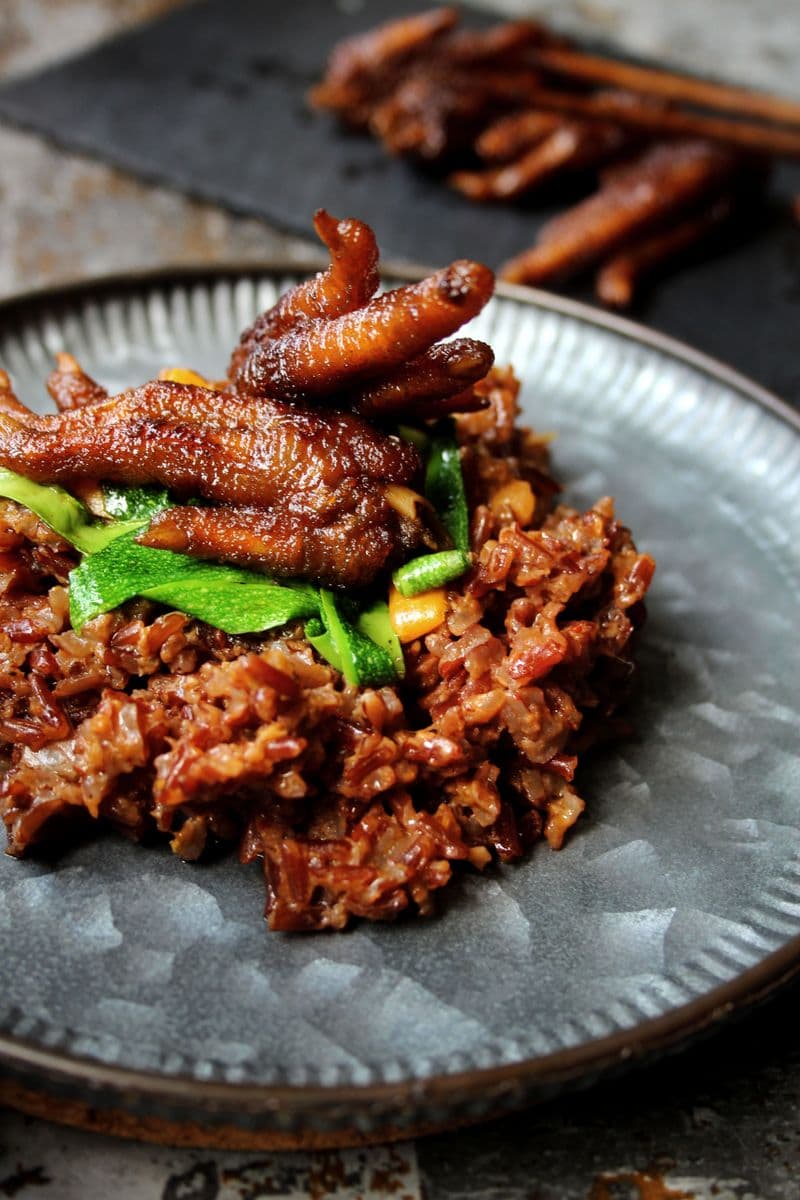
Dakbal (Spicy Chicken Feet)
Why a pre-boil before the spicy braise is essential for chicken feet, and how deboning (or not) changes the finished texture.
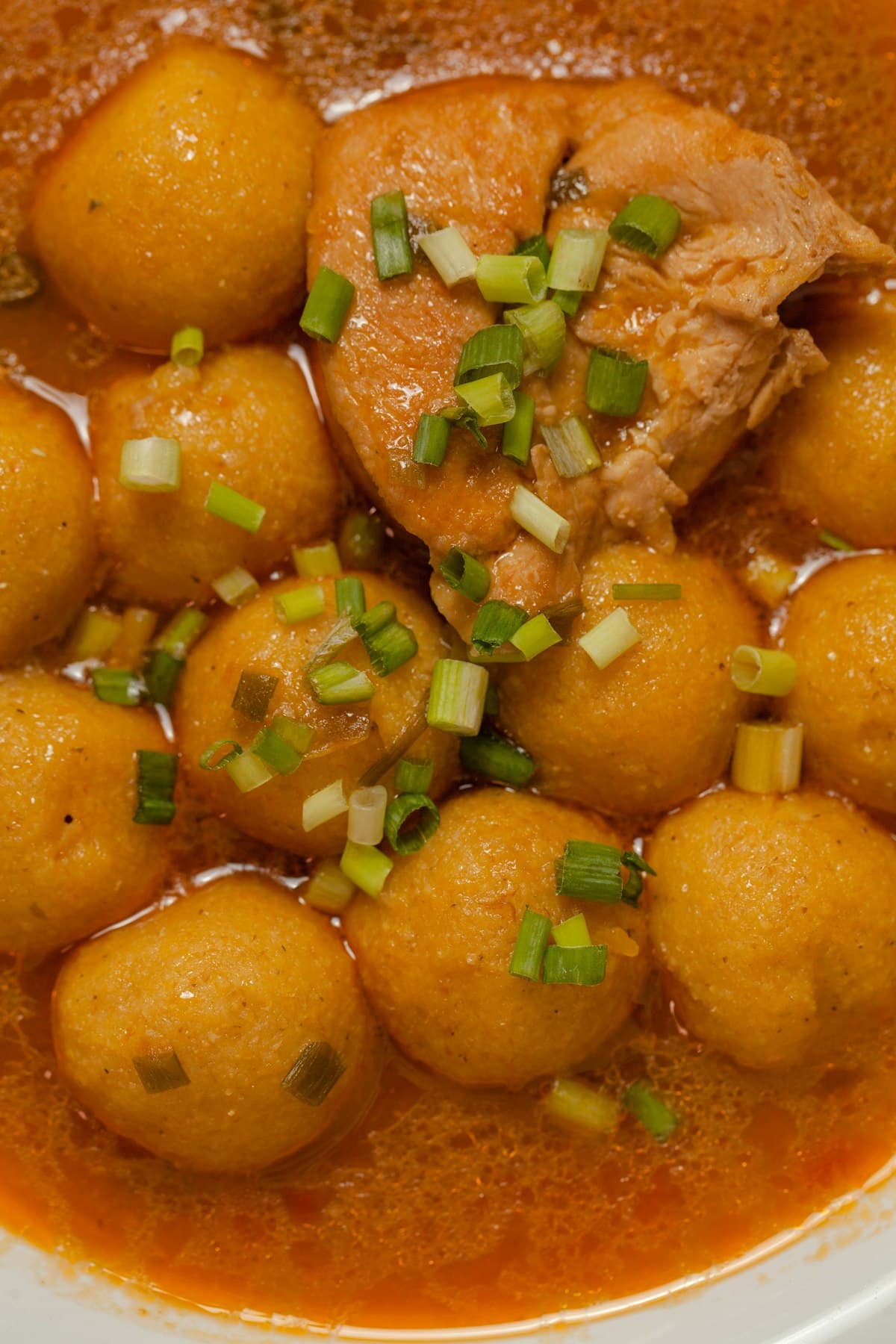
Dakbokkeumtang (Spicy Braised Chicken)
The bone-in braise technique behind dakbokkeumtang, and why potato timing matters more than the sauce itself.
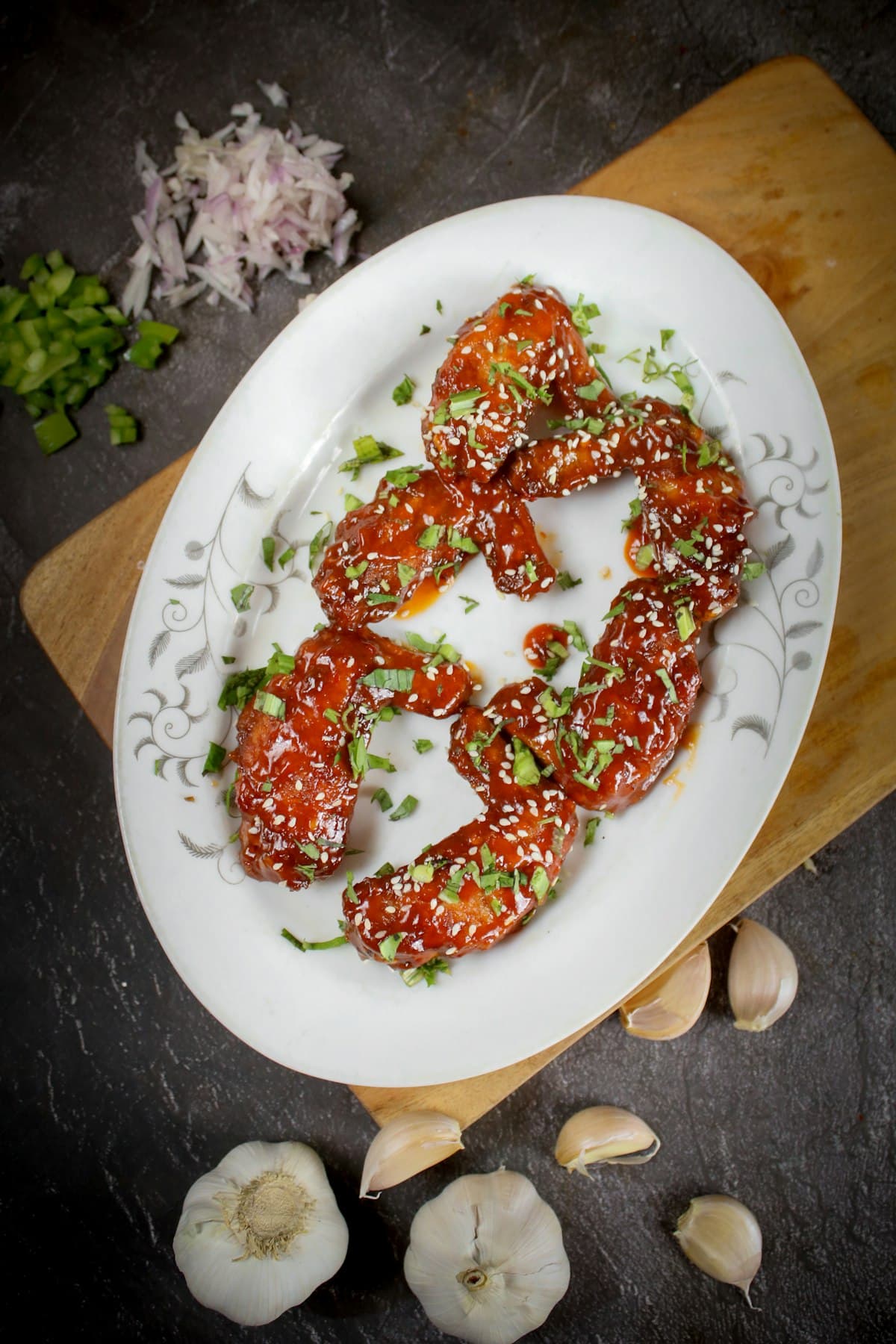
Dakgangjeong (Sweet & Spicy Glazed Fried Chicken Bites)
The double-fry and honey-glaze technique behind dakgangjeong, and why the glaze needs real reduction time to actually cling.