Steps
- 1
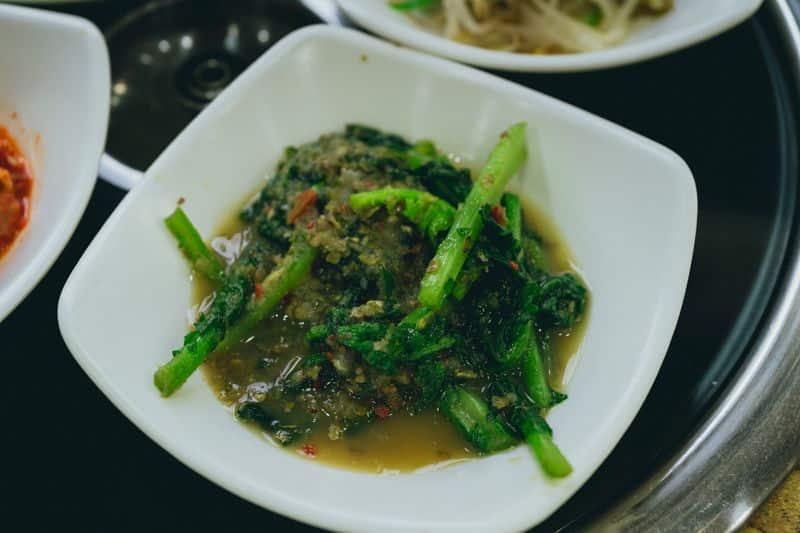
Bring a pot of water to a boil and blanch the greens for 15-20 seconds only — crown daisy wilts almost immediately.
- 2
Transfer straight to ice water to stop the cooking.
- 3
Drain and squeeze gently to remove excess water.
- 4
Toss with soy sauce, sesame oil, garlic, and gochugaru if using.
- 5
Top with sesame seeds and serve.
Did you know — Korean culture
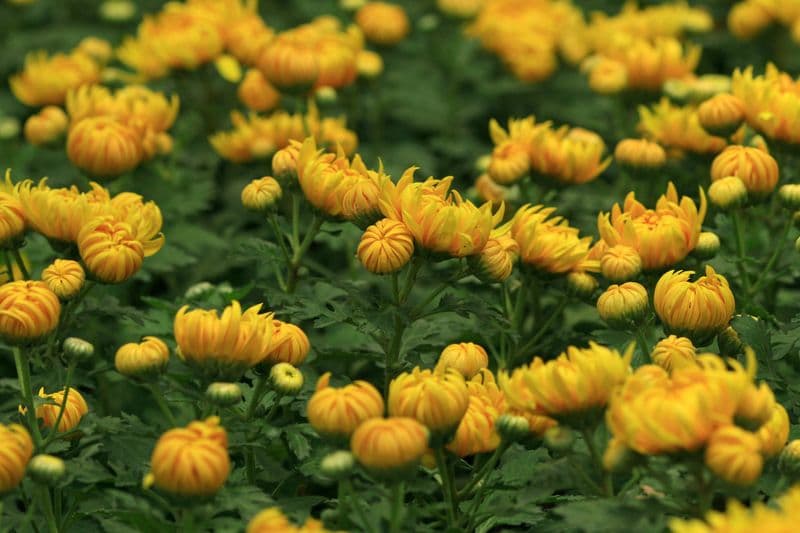
Ssukgat belongs to the chrysanthemum family — the same plant family behind the ornamental flowers many people know it from — and it's a common addition to Korean hot pots and stews as much as a standalone banchan, prized for the aromatic quality it adds to broth.
Crown daisy is even more delicate than most namul greens, and the blanch time here reflects that — fifteen to twenty seconds, not the thirty-plus seconds many other leafy greens can handle. Its thin, feathery leaves wilt almost the instant they touch boiling water, and a few extra seconds is enough to push it from tender to limp and waterlogged.
The point of seasoning ssukgat isn't to erase its natural bitterness — that slightly bitter, aromatic edge is part of what makes crown daisy distinct from milder greens, and the soy-sesame-garlic seasoning is meant to balance it rather than mask it completely.
Ssukgat is a common addition to Korean hot pots and stews as much as it's served as a standalone banchan, prized specifically for the aromatic quality it adds to broth — this simple seasoned version is a way to enjoy that same distinct flavor without needing a whole pot built around it.
Troubleshooting
Greens waterlogged or slimy? The blanch almost certainly ran too long — crown daisy needs only a very brief dip, closer to 15 seconds than 30.
Taste too bitter? A little more soy sauce and sesame oil helps balance it, but some bitterness is expected and part of the dish's character — it shouldn't be blanched away entirely.
Greens discolored after cooking? Skipping the ice-water shock lets residual heat dull the color — always move straight from boiling water to ice water.
Recommended products
- Fine mesh strainer
More to cook
All Banchan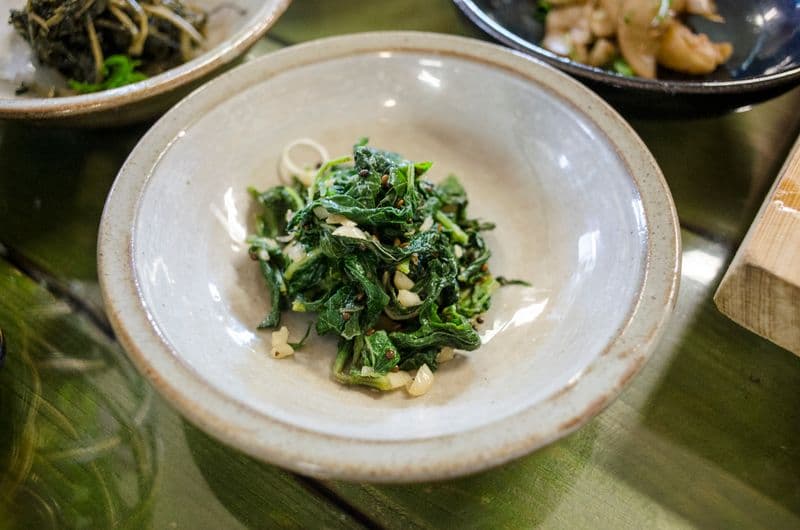
Chwinamul Muchim (Seasoned Aster Greens)
Why blanching briefly and shocking in cold water is what keeps this wild green tender and bright instead of mushy and dull.

Dubu Buchim (Plain Pan-Fried Tofu)
The pat-dry-and-sear technique behind dubu buchim, and why moisture is the one thing standing between soft tofu and a golden crust.

Dubu Jorim (Braised Tofu)
Why the tofu is pan-fried before it is braised, and how the sauce is reduced around it rather than the tofu being simmered in a full pot of liquid.