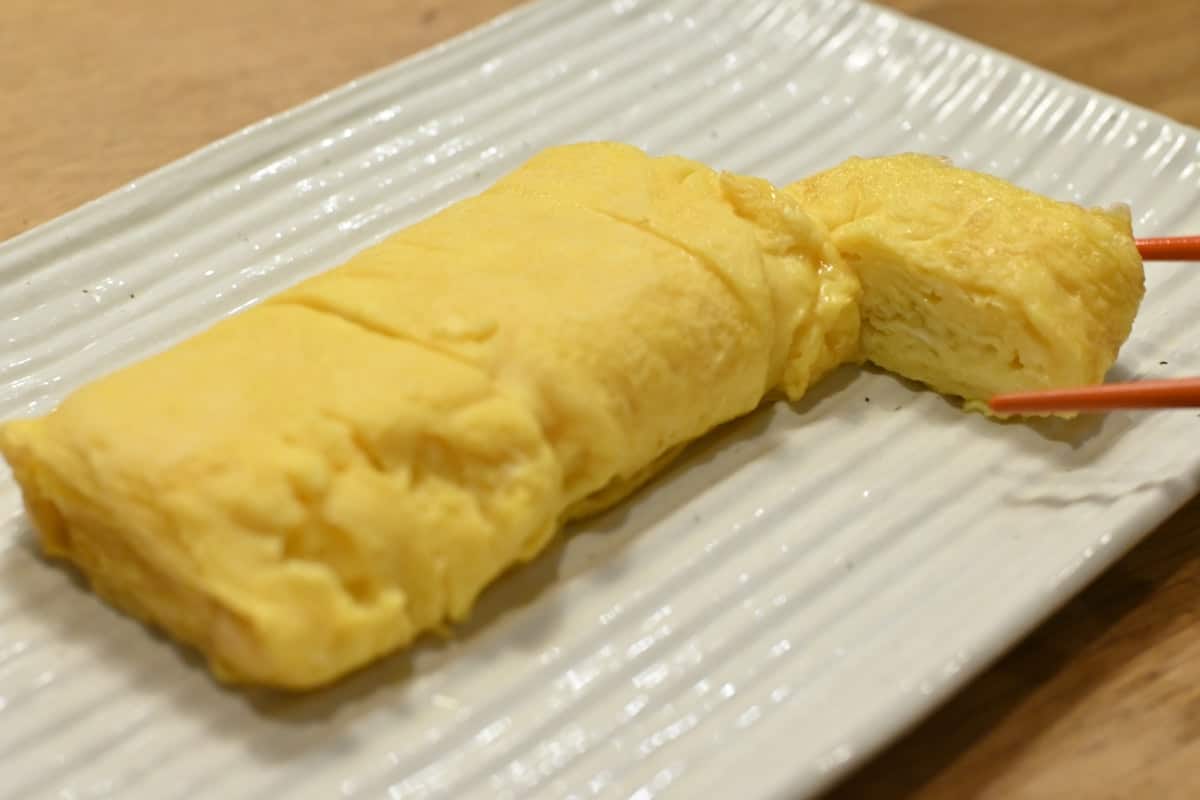
Steps
- 1
Whisk the eggs, milk, and salt together until smooth, straining if you want an especially fine texture.
- 2
Stir in the carrot, green onion, and onion.
- 3
Heat a rectangular or square non-stick pan over low-medium heat and lightly oil it.
- 4
Pour in a thin layer of the egg mixture, just enough to coat the pan.
- 5
Once mostly set but still slightly wet on top, roll it from one end to the other using a spatula or chopsticks.
- 6
Push the rolled egg to one end of the pan, oil the empty space, and pour in another thin layer, letting it flow slightly under the existing roll.
- 7
Once set, continue rolling the new layer around the existing roll.
- 8
Repeat until all the egg mixture is used, then let the finished roll rest a minute before slicing into rounds.
Did you know — Korean culture
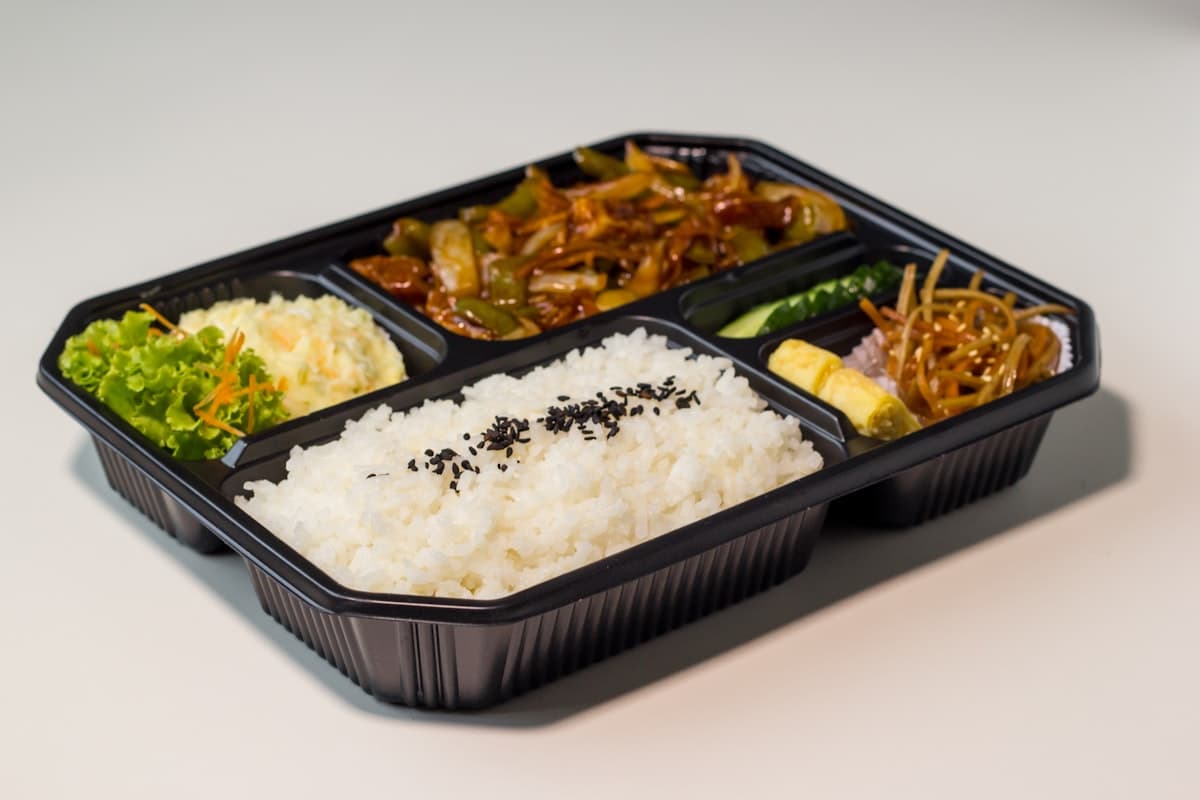
Gyeran mari became a fixture of the Korean school lunchbox, or dosirak, largely because of how well it travels. Unlike a soft scrambled egg, the tightly rolled log holds its shape for hours without falling apart, slices neatly into portions, and tastes fine cold — practical qualities that made it a go-to for parents packing lunches long before it became a home-dinner side dish in its own right.
Low heat is the entire technique here, not a suggestion. High heat sets the egg too fast to roll cleanly and browns it before the layers can build, which is why gyeran mari made on medium-high heat comes out with tough, unevenly colored layers instead of the smooth, tender spiral it's supposed to have.
Rolling while the top layer is still slightly wet, rather than fully set, is what lets each new layer fuse to the roll instead of sitting as a separate, unattached sheet. A little wetness acts almost like glue between layers.
Gyeran mari became a fixture of the Korean school lunchbox, or dosirak, largely because of how well it travels. Unlike a soft scrambled egg, the tightly rolled log holds its shape for hours without falling apart, slices neatly into portions, and tastes fine cold — practical qualities that made it a lunchbox staple long before it became a common home-dinner side dish in its own right.
Troubleshooting
Layers falling apart when sliced? The egg was probably rolled after it fully set, rather than while it was still slightly wet on top.
Omelette browning instead of staying pale yellow? The heat is too high. Drop it down and be patient — this is a slow-cook technique.
Roll uneven or lopsided? Push it fully to one end of the pan before adding each new layer, so the new egg has room to spread evenly underneath.
Recommended products
- Rectangular non-stick pan (tamagoyaki-style)
- Cooking chopsticks
More to cook
All Banchan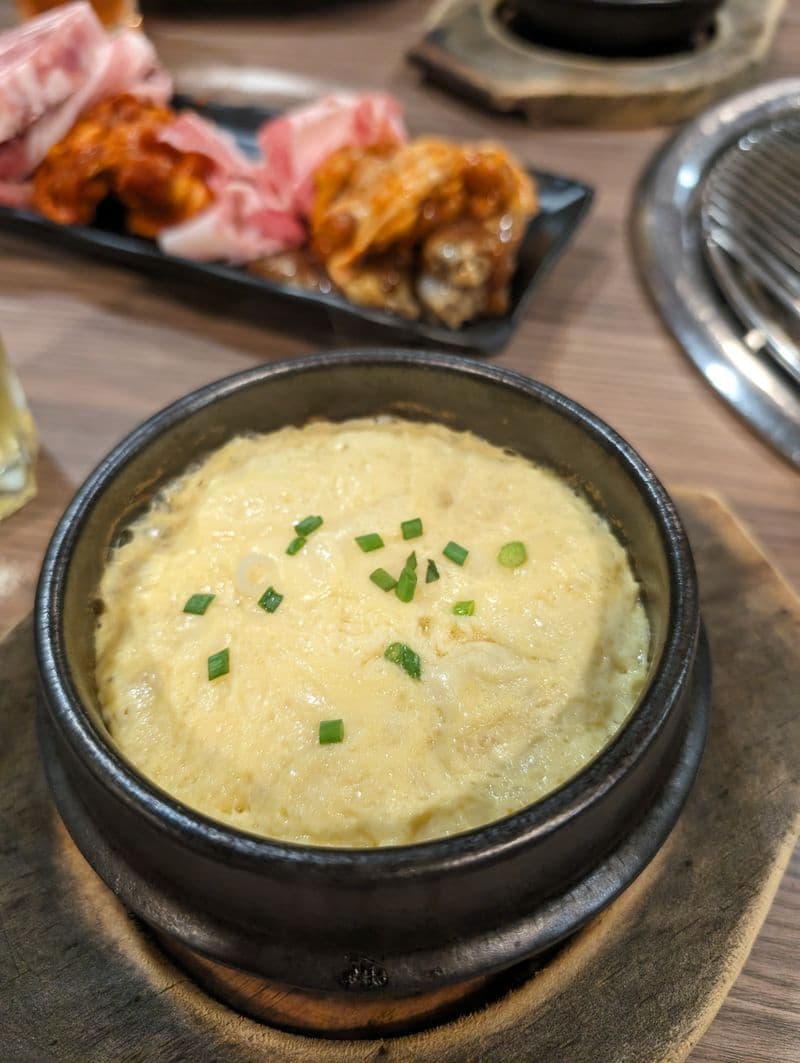
Gyeranjjim (Steamed Egg Casserole)
Why straining the eggs and using a low, gentle heat is what gets gyeranjjim genuinely fluffy instead of rubbery or watery.
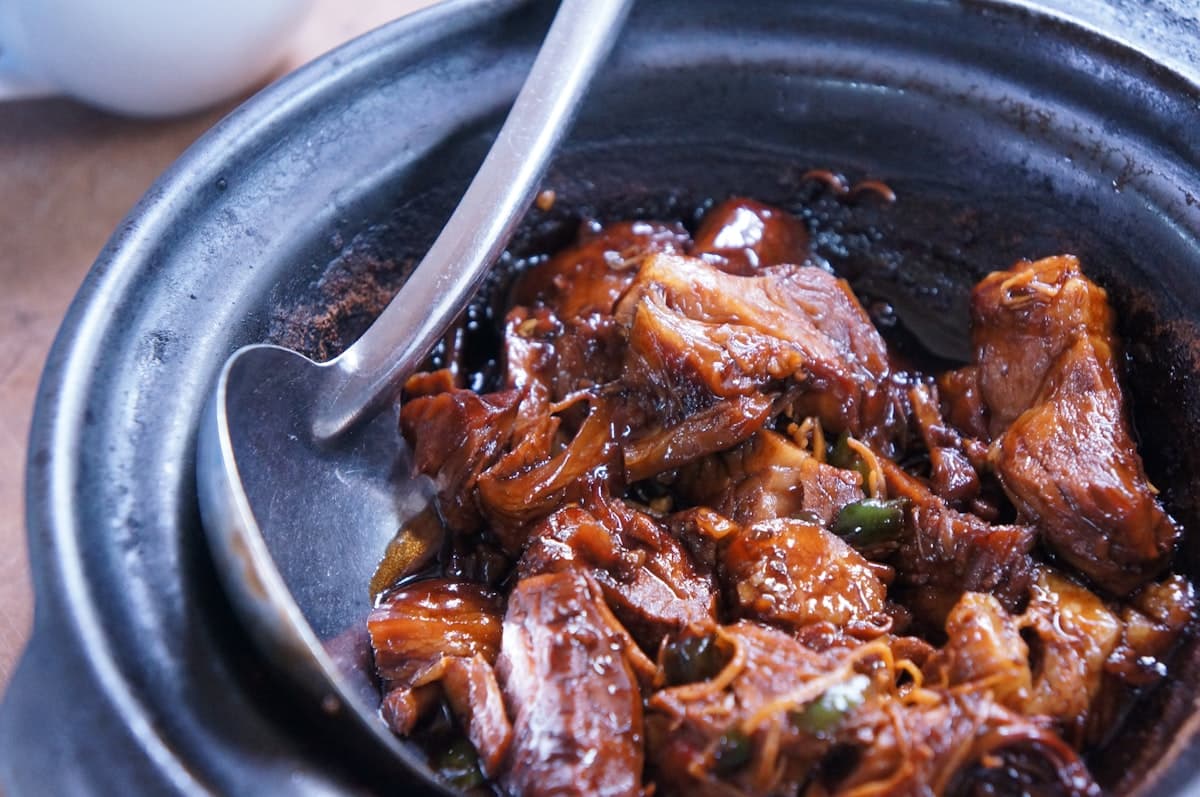
Jangjorim (Soy-Braised Beef)
The long soy-sauce simmer that turns beef into a shelf-stable side dish, and the shredding technique that makes it worth keeping around.
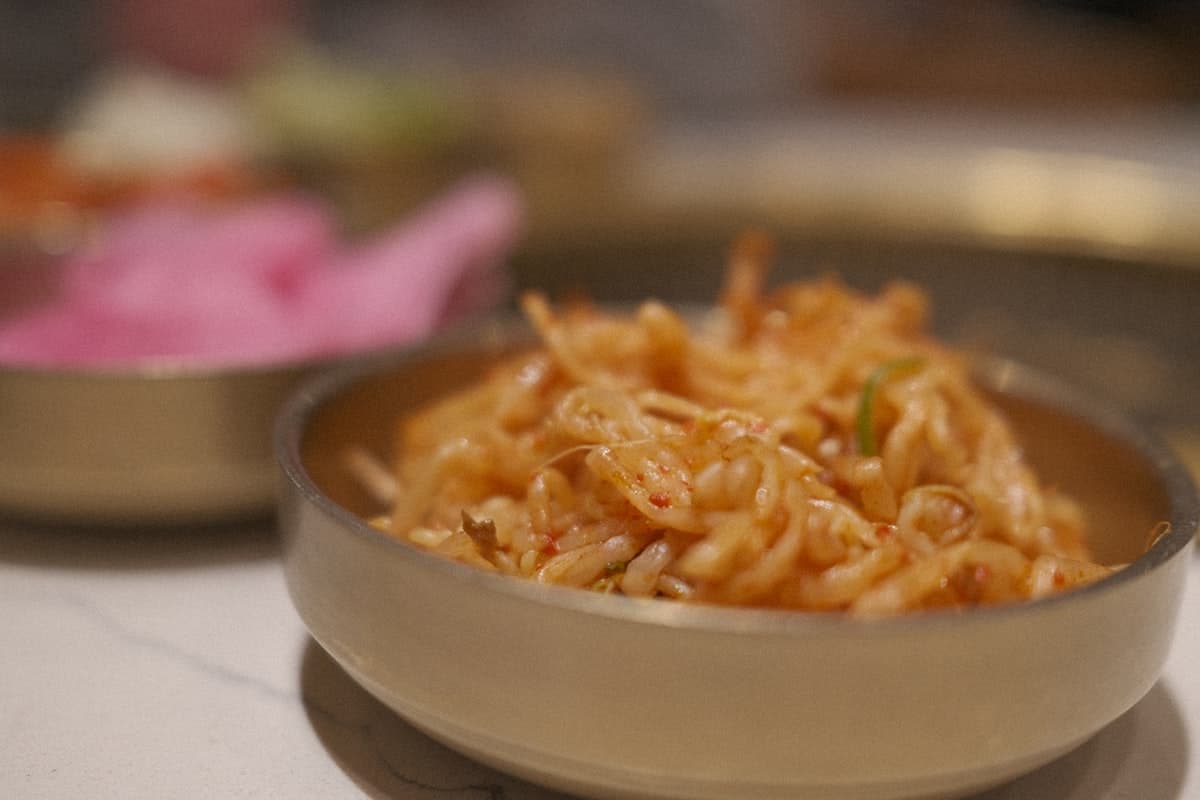
Kongnamul Muchim (Bean Sprout Salad)
The exact blanching time for bean sprouts that keeps them crisp, and why the lid stays on while they cook.