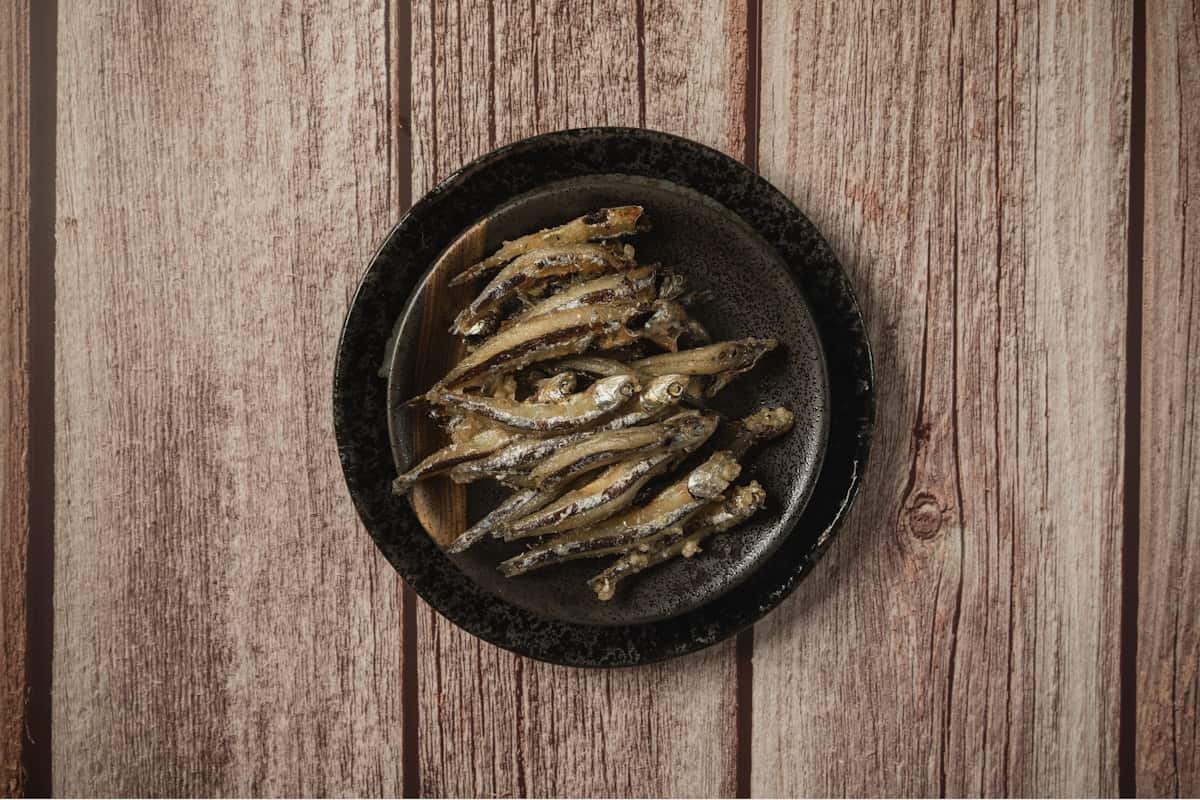
Steps
- 1
Dry-toast the anchovies in a pan over medium heat for 2-3 minutes, with no oil, until they smell fragrant and any surface moisture cooks off.
- 2
Remove the anchovies from the pan and set aside.
- 3
Heat the vegetable oil in the same pan and sauté the garlic briefly.
- 4
Add the soy sauce, rice syrup, and sugar, and stir until it comes together into a glossy glaze.
- 5
Return the anchovies to the pan and toss quickly to coat evenly in the glaze.
- 6
Remove from heat immediately once coated — overcooking at this stage makes them tough.
- 7
Stir in sesame oil, sesame seeds, and nuts if using.
- 8
Let cool slightly before serving; it firms up as it cools.
Did you know — Korean culture
Myeolchi bokkeum owes its lunchbox-staple status to one practical fact: dried anchovies barely spoil. Long after fresh fish would go bad, a batch of glazed myeolchi bokkeum can sit in a packed dosirak or a fridge container for a week without turning, which made it a default choice for parents packing school lunches for decades — reliable, calcium-rich, and durable in a way fresh seafood never could be.
Dry-toasting the anchovies before any sauce touches them isn't optional if you want a crisp final texture. Dried anchovies carry more surface moisture than they look like they would, and tossing them straight into a wet glaze without that first dry pass in the pan is the most common reason myeolchi bokkeum turns out chewy or soggy instead of light and crisp.
Pulling the pan off heat the moment the anchovies are coated matters just as much. The sugar-based glaze keeps cooking on residual heat even after the stove is off, and anchovies left in a hot pan too long turn from crisp to hard and overly chewy within a minute.
Myeolchi bokkeum owes its lunchbox-staple status to one practical fact: dried anchovies barely spoil. Long after fresh fish would go bad, a batch of glazed myeolchi bokkeum can sit in a packed lunchbox or a fridge container for a week without turning, which made it a default choice for parents packing school lunches for decades — reliable, calcium-rich, and durable in a way fresh seafood never could be.
Troubleshooting
Anchovies turning out soggy or chewy? The dry-toast step was probably skipped or cut short — that initial pass in a dry pan is what removes excess moisture before the glaze goes on.
Glaze burning before the anchovies are coated? The heat was too high, or the sugar mixture sat too long before the anchovies went back in. Move quickly once the glaze starts bubbling.
Dish tastes overly sweet? Cut back on the rice syrup slightly and lean a bit more on soy sauce — the balance is easy to tip too far sweet if measured loosely.
Recommended products
- Small dried anchovies
- Rice syrup (jocheong)
More to cook
All Banchan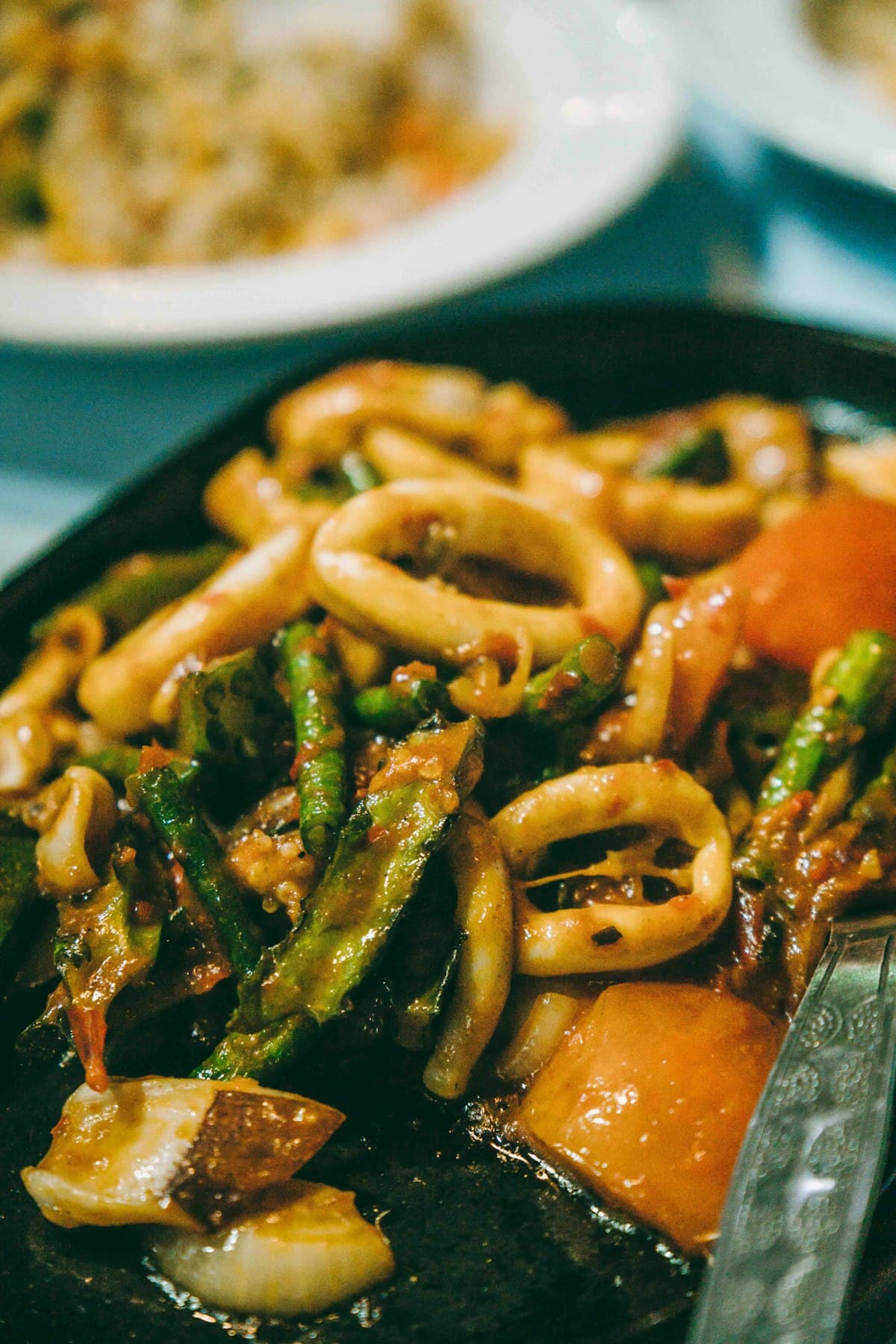
Ojingeo Muchim (Spicy Squid Salad)
The quick-blanch timing behind tender ojingeo muchim, and why overcooking the squid by even a minute ruins the texture.
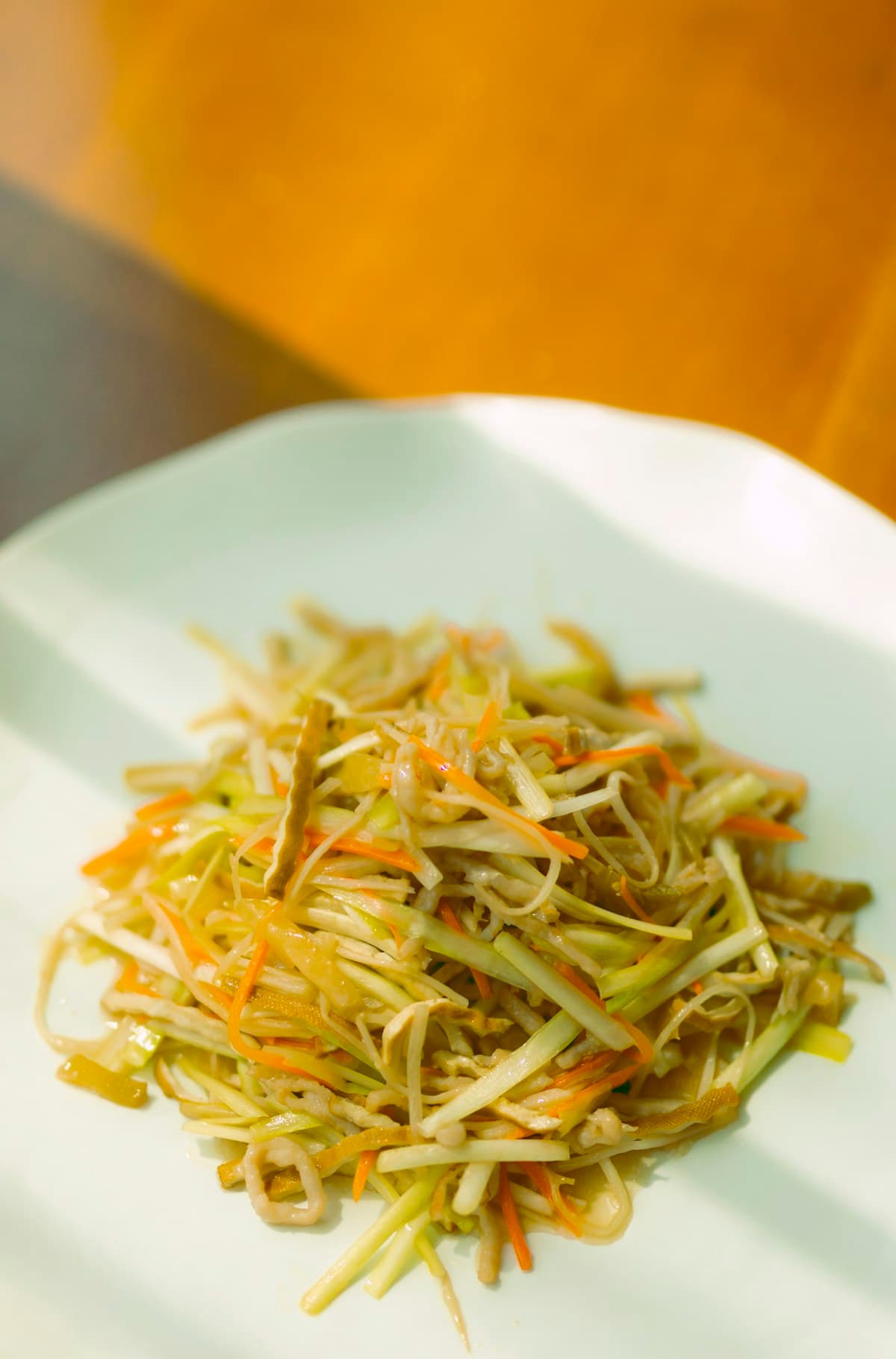
Ojingeochae Muchim (Seasoned Dried Shredded Squid)
The soak-and-soften technique behind ojingeochae muchim, and why skipping it leaves the squid too tough to enjoy.
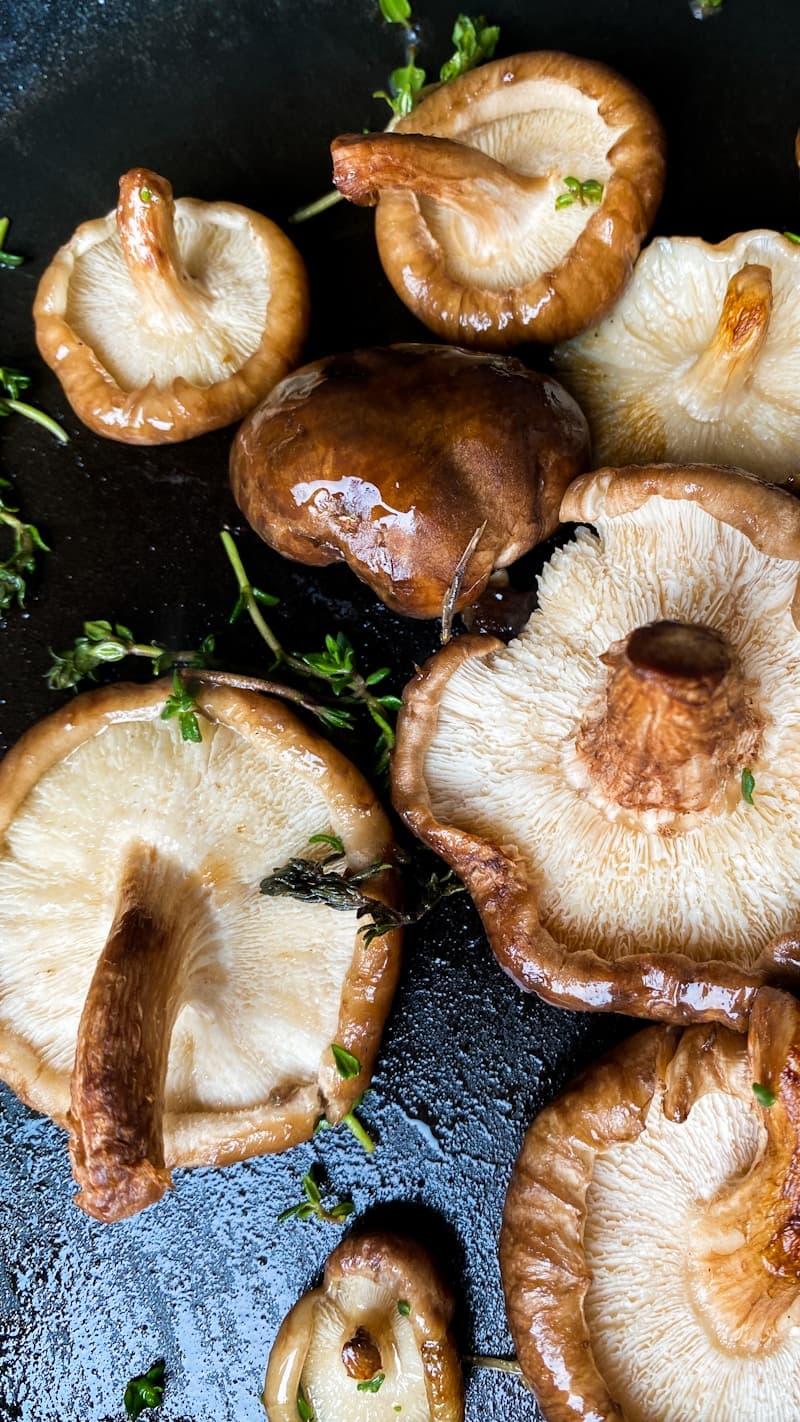
Pyogo Beoseot Bokkeum (Stir-Fried Shiitake Mushrooms)
Why shiitake needs a dry sear before any sauce goes in, and how overcrowding the pan is what actually causes soggy mushrooms.