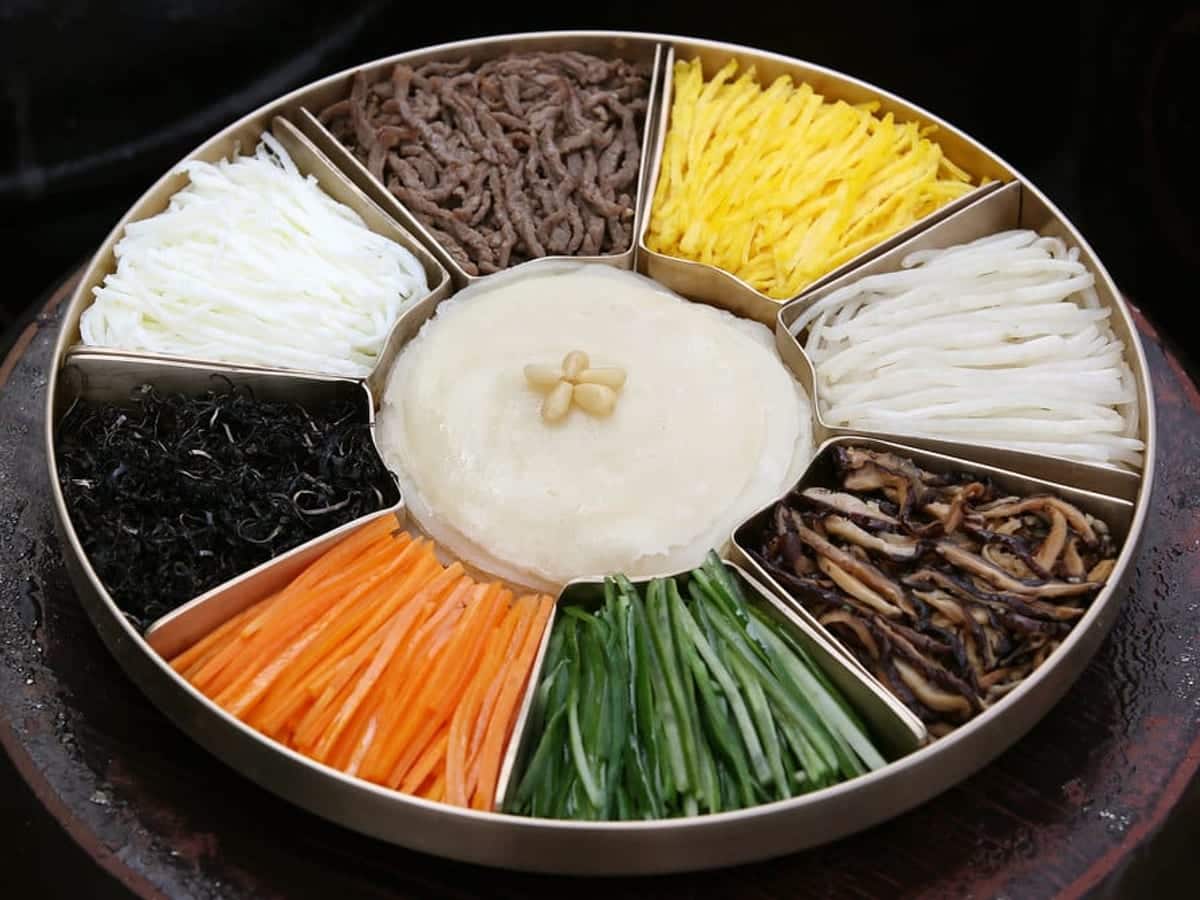
Photo: KOREA.NET - Official page of the Republic of Korea · CC BY-SA 2.0
Steps
- 1
Whisk flour, water and salt into a very thin batter and rest it 20 minutes.
- 2
Cook the batter into small thin crepes about 3 inches across, without letting them colour.
- 3
Fry the egg whites and yolks separately into thin sheets and cut into fine strips.
- 4
Stir-fry each vegetable separately and briefly, seasoning each lightly with salt and sesame oil.
- 5
Keep every component separate - nothing is mixed.
- 6
Stack the crepes in the centre section of the platter.
- 7
Arrange the eight fillings in the surrounding sections, alternating colours.
- 8
Serve with mustard sauce and let each person wrap their own.
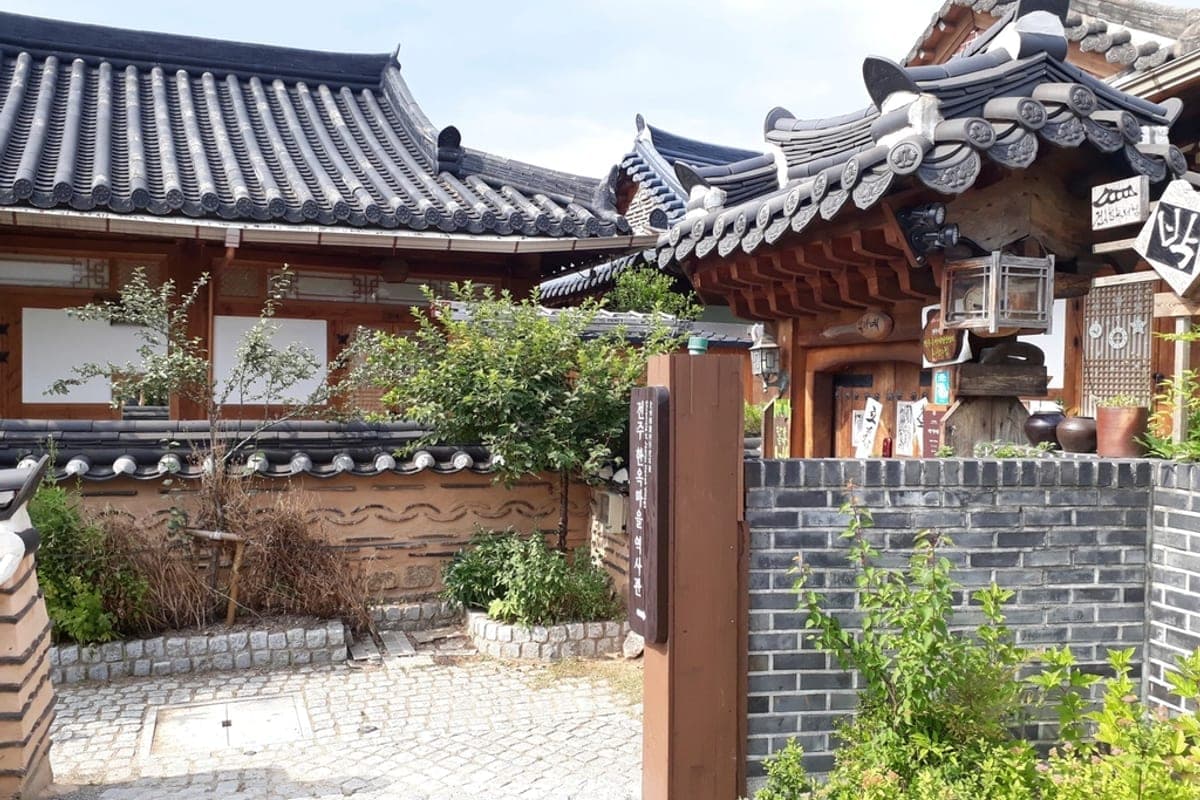
Did you know — Korean culture
The name is a plain description: gu nine, jeol sections, pan plate. It is royal court food, and the nine-part lacquered dish it is served in is a specific object rather than a serving suggestion - an antique one is a collectible in its own right. The arrangement follows obangsaek, the five traditional Korean colours, which is why the balance of a gujeolpan is judged by eye before anyone tastes it.
The eight outer fillings are chosen for contrast, not abundance. The traditional arrangement balances five colours and a range of textures - something crisp, something soft, something chewy, something meaty - so that any combination a diner wraps has some tension in it. Eight versions of the same soft julienned vegetable technically fills the plate and misses the point entirely.
Cooking each component separately is non-negotiable and it is most of the work. Everything gets its own brief turn in the pan with its own light seasoning, so the carrot tastes of carrot and the mushroom of mushroom. This is the opposite instinct to a stir-fry, and it is why a gujeolpan takes an hour to prepare and five minutes to cook.
The crepes have to be genuinely thin - thin enough to see the plate through them. They are a wrapper, not a pancake, and any thickness turns the mouthful into bread with garnish. Keep the heat low so they set without browning; colour on the crepe is considered a fault.
Troubleshooting
Crepes browning or tearing? Heat too high and batter too thick. Thin the batter with water and cook them gently.
Platter looking muddy? Alternate colours between adjacent sections rather than grouping similar ones together.
Vegetables watery? Each one needs a quick, separate, high-heat turn - not a long communal stir-fry.
Recommended products
- Korean pantry staples
More to cook
All Banchan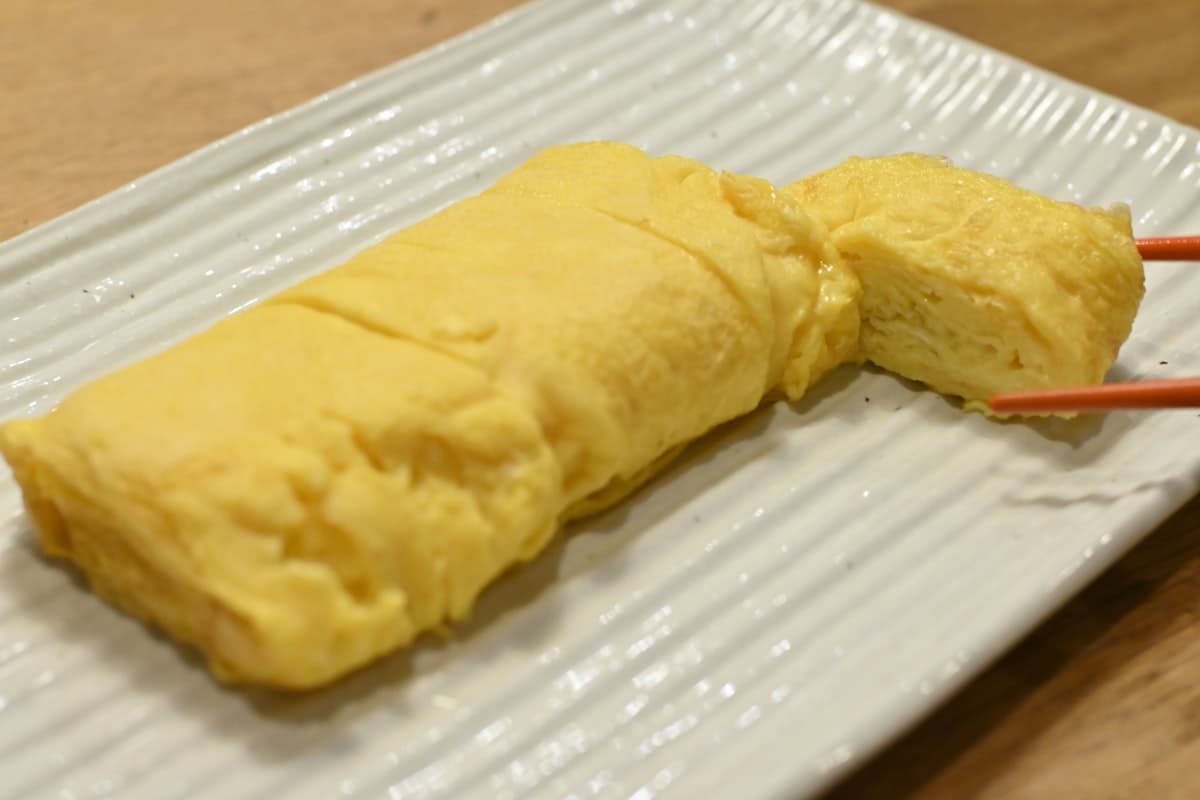
Gyeran Mari (Rolled Omelette)
The low-heat, layer-by-layer rolling technique behind gyeran mari, and why rushing the heat is the most common mistake.
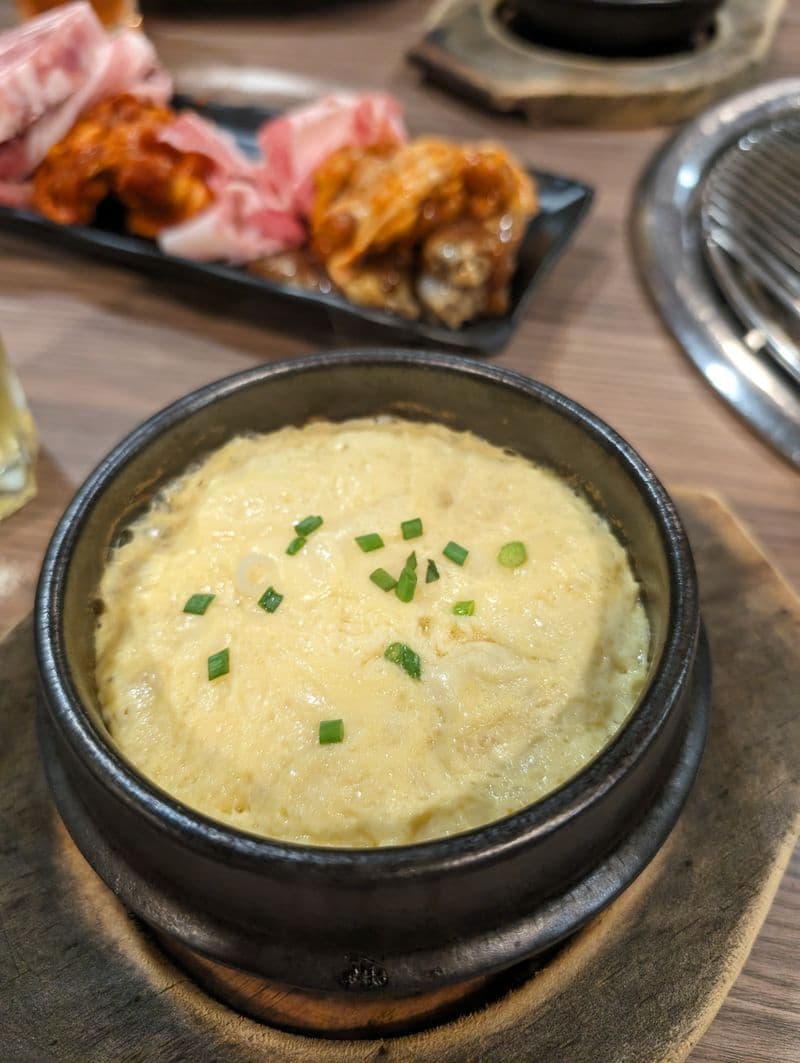
Gyeranjjim (Steamed Egg Casserole)
Why straining the eggs and using a low, gentle heat is what gets gyeranjjim genuinely fluffy instead of rubbery or watery.
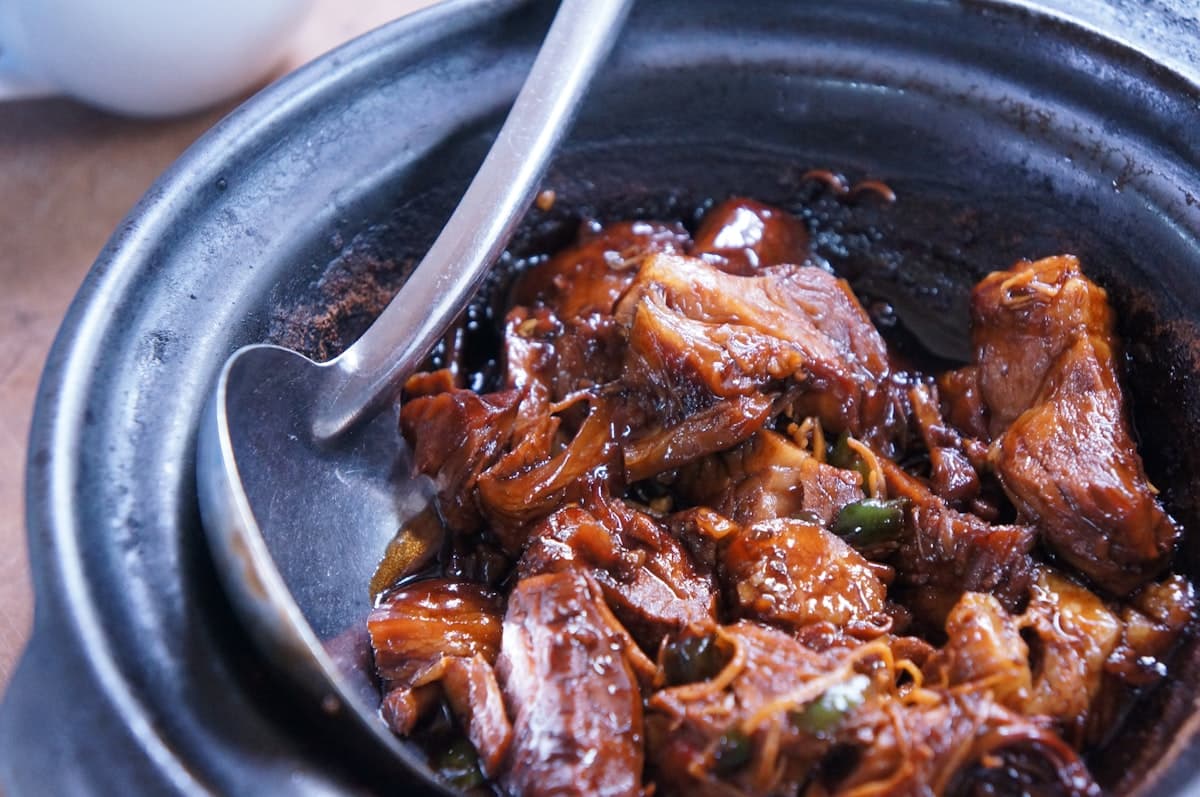
Jangjorim (Soy-Braised Beef)
The long soy-sauce simmer that turns beef into a shelf-stable side dish, and the shredding technique that makes it worth keeping around.