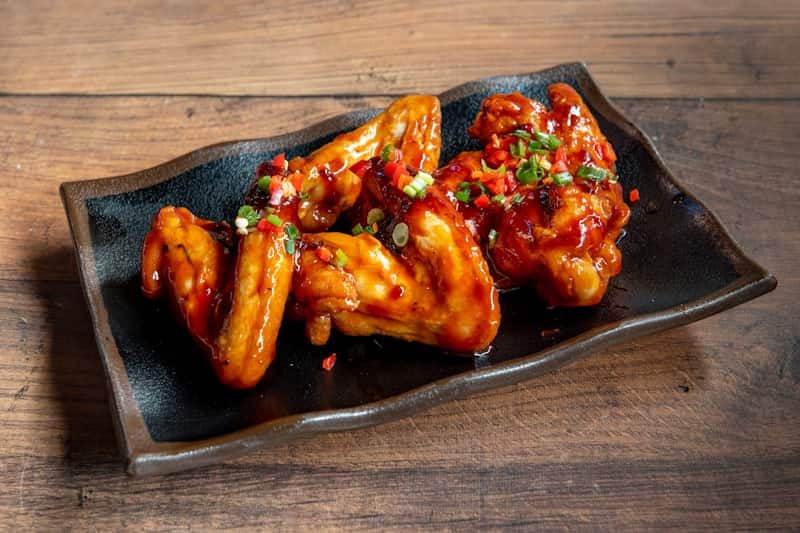
Steps
- 1
Whisk together gochujang, gochugaru, soy sauce, brown sugar, rice vinegar, garlic, and ginger to make the sauce.
- 2
Set aside a third of the sauce for finishing.
- 3
Toss the chicken in the remaining sauce and let marinate 20 minutes.
- 4
Heat oil in a grill pan or skillet over medium-high heat.
- 5
Cook the chicken in a single layer, turning occasionally, until charred in spots and cooked through, about 12-15 minutes.
- 6
Toss the cooked chicken with the reserved sauce off the heat.
- 7
Top with green onions and sesame seeds before serving.
Did you know — Korean culture
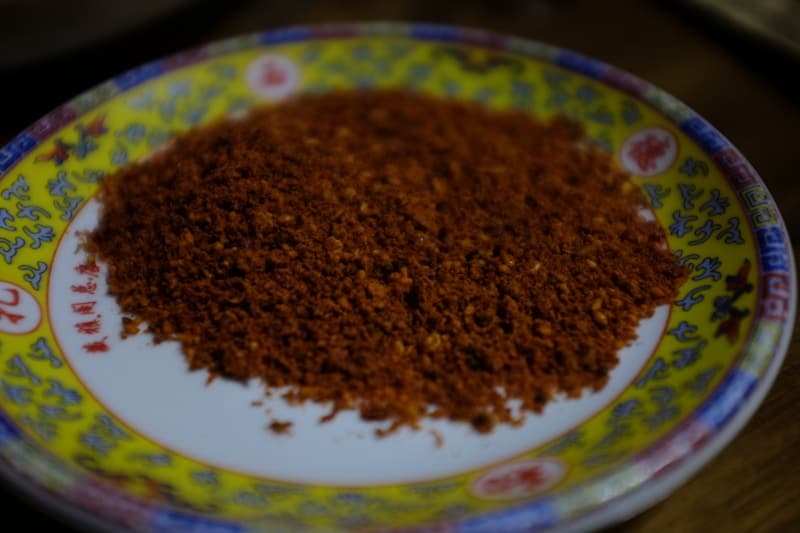
Buldak's real heat comes from combining two different chili products rather than one — coarse gochugaru flakes for smoky, raw heat and fermented gochujang paste for depth — a stacking technique that predates the instant "fire noodle" versions that later made the name famous worldwide.
Buldak's heat comes from stacking two different chili products rather than leaning on either one alone. Gochugaru brings a smoky, coarse heat and deep red color; gochujang adds a fermented savoriness and body that plain chili flakes can't. Using only one or the other gets you either a flat heat or a sauce that's more sweet than fiery — the combination is what makes it "fire chicken" and not just spicy chicken.
Holding back a portion of the sauce to toss in after cooking, rather than cooking the chicken fully coated in it from the start, keeps that final layer bright and glossy instead of dulled and dried out by direct heat. Sauce that sits on a hot pan the whole cook time loses some of its sharpness.
The name buldak literally means "fire chicken," and the dish's popularity exploded internationally in the 2010s largely through instant "fire noodle" spinoffs and online spice-challenge videos — but the original grilled/pan-fried chicken version predates that internet moment by decades as a Korean bar-food staple.
Buldak sits at the far end of Korea's spicy chicken range. Dak galbi is the moderate everyday version of the same idea, with cabbage and sweet potato taking the edge off the chili.
Troubleshooting
Sauce burning in the pan before the chicken cooks through? Lower the heat slightly — sugar-heavy sauces scorch fast; a longer, gentler cook keeps the char from turning bitter.
Not spicy enough? Increase the gochugaru rather than the gochujang — it carries most of the raw heat, while gochujang mostly adds depth and sweetness.
Chicken dry despite the sauce? Thigh meat stays juicier than breast for this dish; if using wings, don't overcook past 15 minutes.
Recommended products
- Grill pan
- Gochugaru (Korean chili flakes)
More to cook
All Meat & BBQ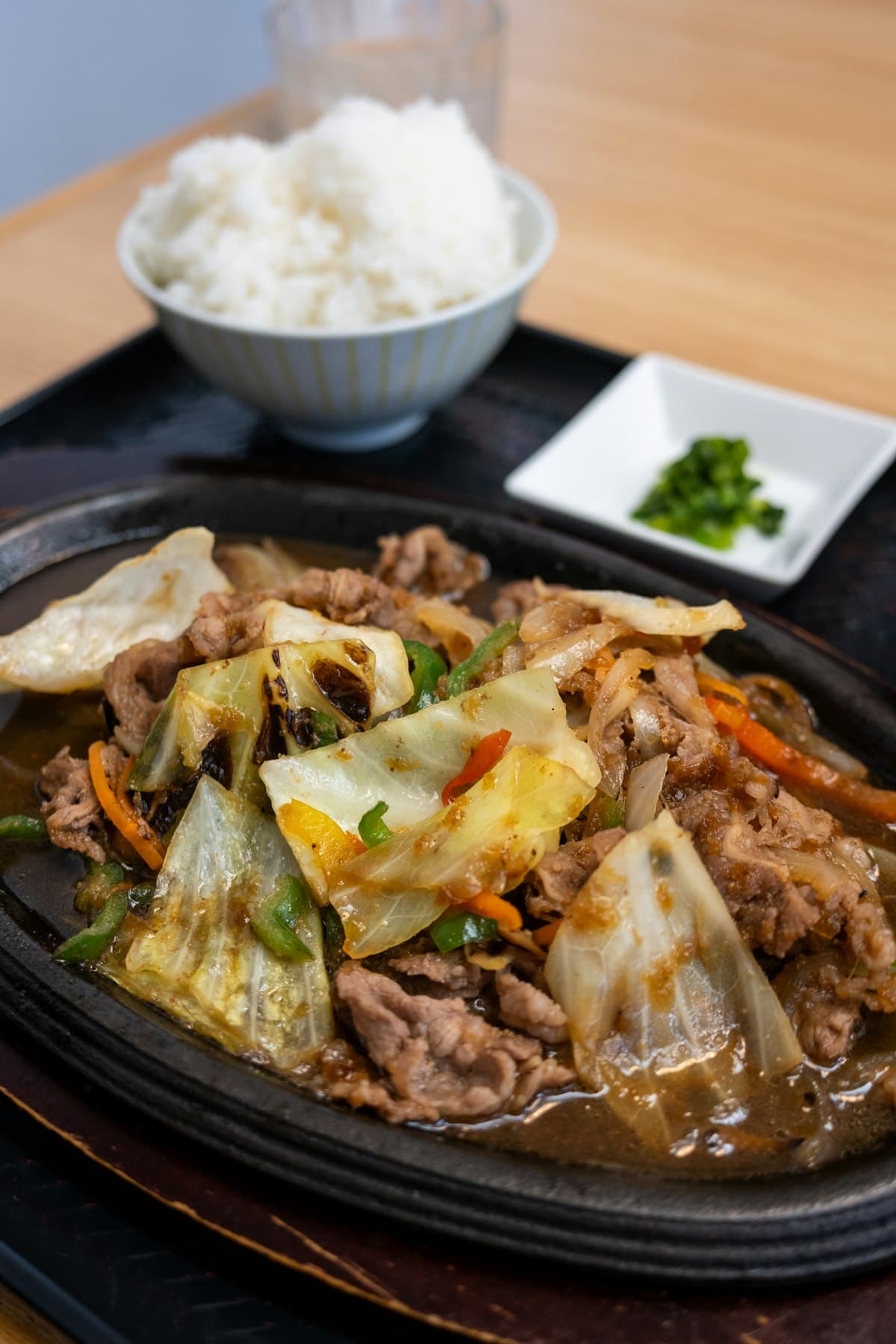
Bulgogi (Korean Marinated Grilled Beef)
The pear-based marinade that actually tenderizes, the right cut, and the slicing trick most home versions skip — real bulgogi, not the sweet stir-fry version.
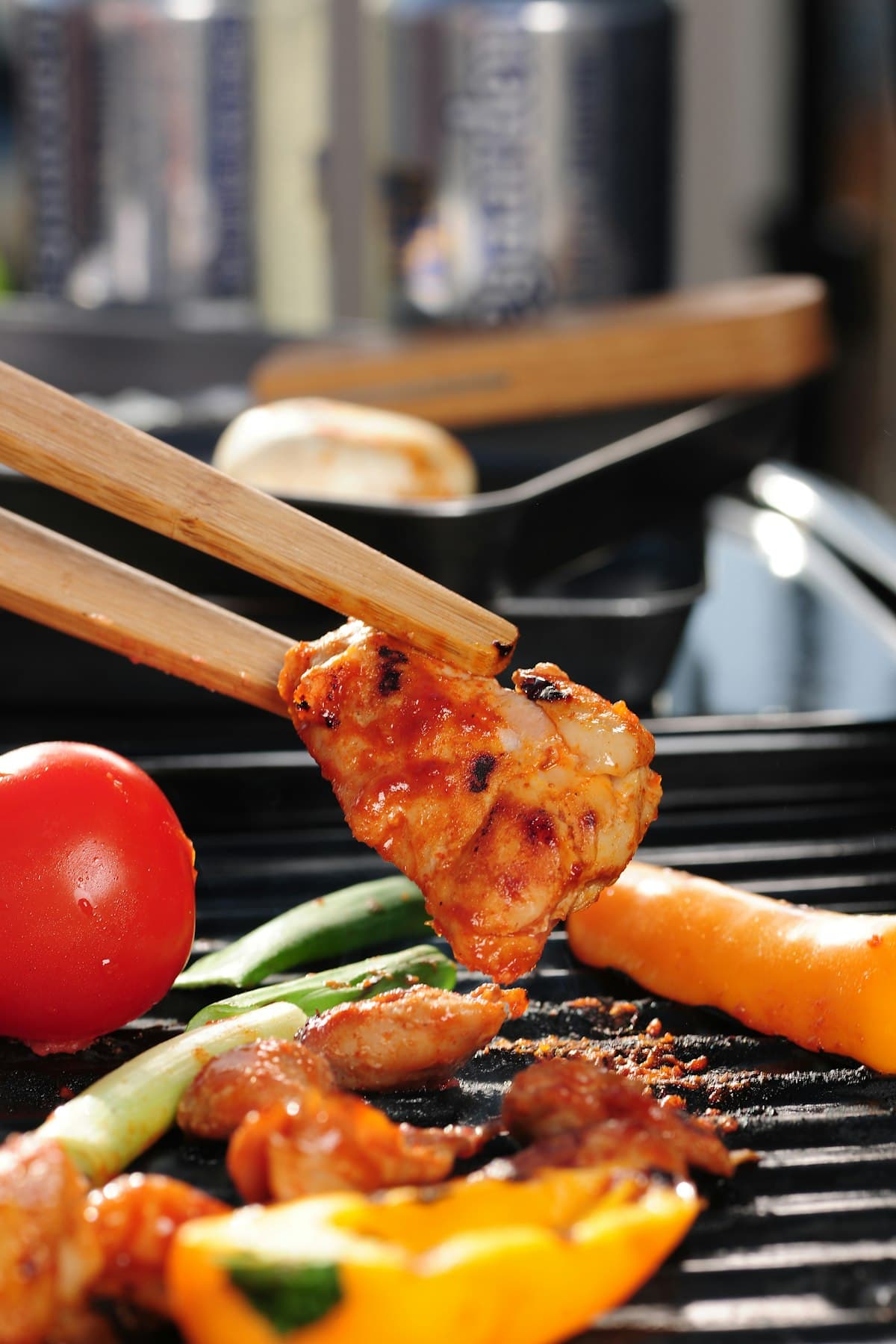
Dak Bulgogi (Chicken Bulgogi)
The marinade ratio and high-heat sear behind dak bulgogi, and why chicken thigh holds up better here than breast.
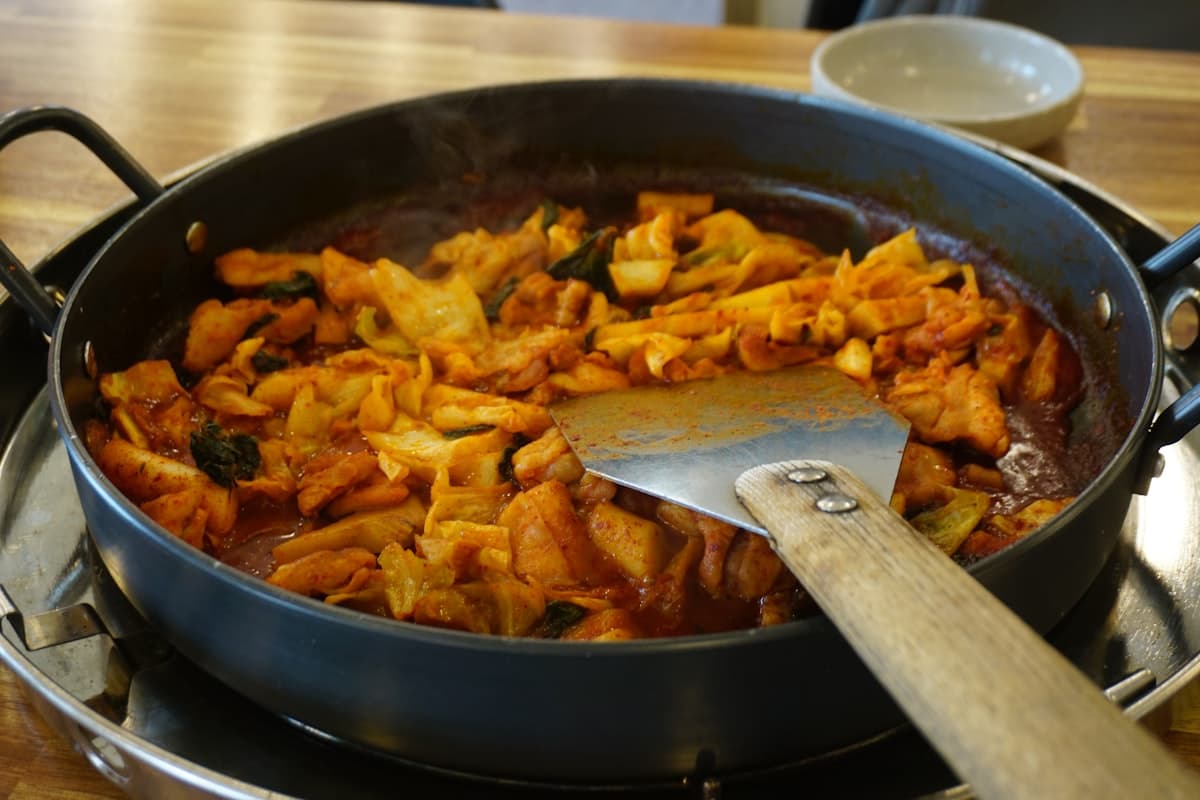
Dak Galbi (Spicy Stir-Fried Chicken)
The gochujang marinade and tabletop-griddle technique behind Chuncheon-style dak galbi, plus why the rice-frying finish is non-negotiable.