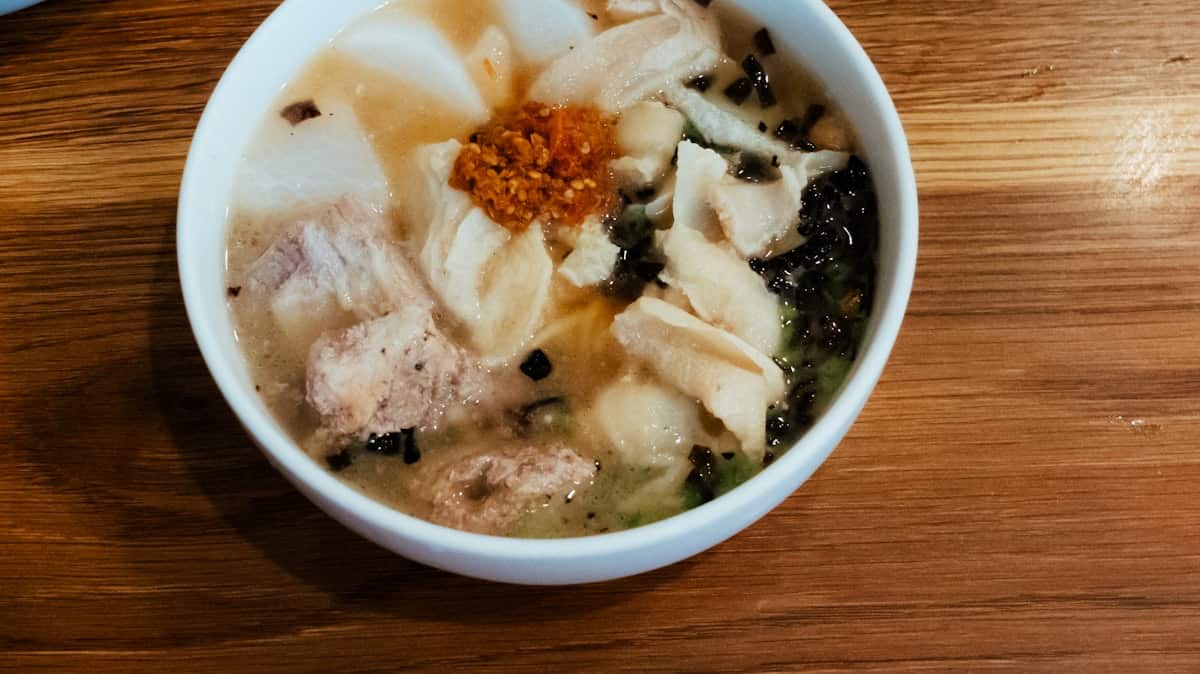
Steps
- 1
Turn the casing inside out and scrape clean, then rinse thoroughly in cold water several times.
- 2
Combine the rice, glass noodles, blood, pork, onion, green onion, garlic, sesame oil, salt, and pepper in a bowl.
- 3
Using a funnel, stuff the mixture into the casing, packing it firmly but leaving a little room for expansion.
- 4
Tie off the ends securely with kitchen string.
- 5
Prick the casing in a few spots with a needle to prevent bursting.
- 6
Simmer gently in water for 30-40 minutes, never at a hard boil, turning occasionally.
- 7
Remove and let cool slightly before slicing into rounds.
- 8
Serve warm, sliced, with a salt or shrimp-based dip, or in sundae-guk soup with broth and offal.
Did you know — Korean culture
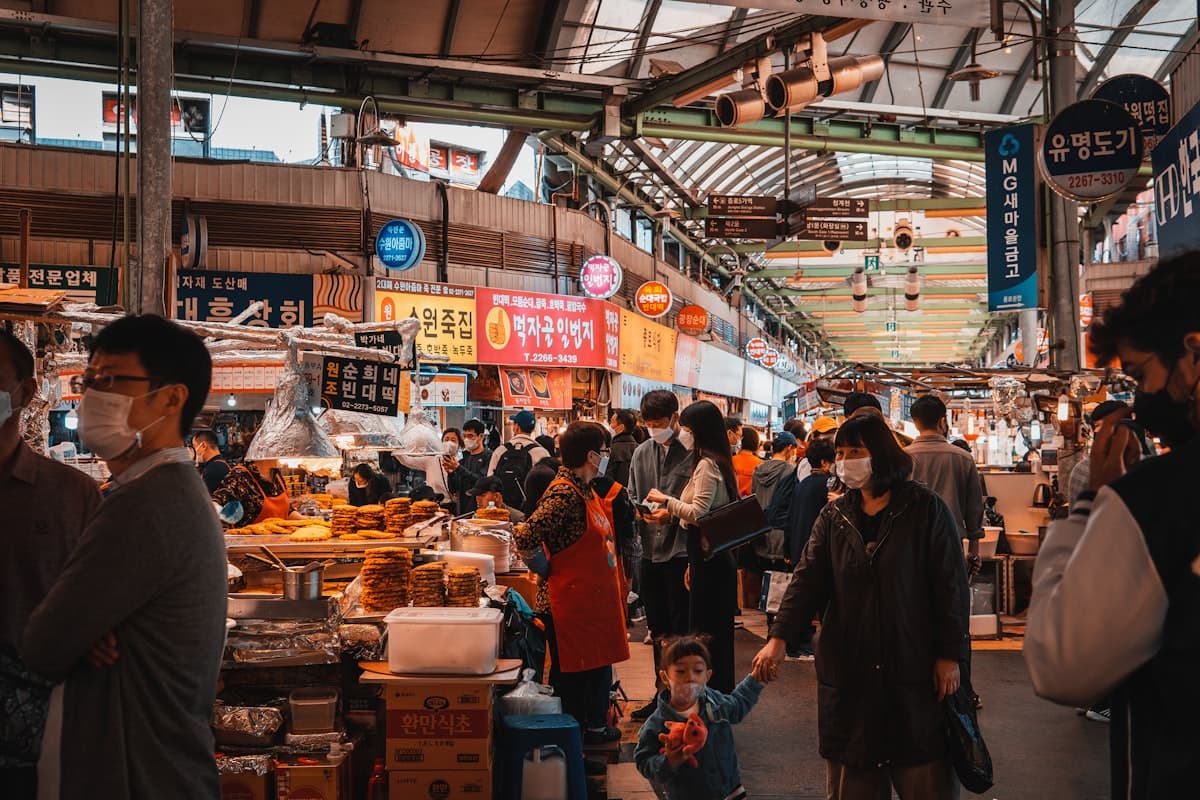
Sundae is one of the more polarizing dishes for first-time visitors to Korean food, and its most famous home is Seoul's Gwangjang Market, where entire stalls specialize in nothing but sundae, gopchang, and other offal dishes served fresh off the steamer. Regulars order it with a side of coarse salt or a shrimp-based dip rather than any single "correct" sauce — part of the dish's appeal is how differently every stall seasons it.
Keeping the water at a gentle simmer rather than a rolling boil is the single most important technique here — a hard boil is what splits the casing and blows the filling out into the water, while a low, steady simmer cooks the rice and blood mixture through without stressing the wrapper.
Pricking the casing before it goes into the water matters more than it looks like it should. Trapped steam expanding inside a sealed casing is exactly what causes bursts partway through cooking, and a few small pinholes give that pressure somewhere to go.
Sundae is one of the more polarizing dishes for first-time visitors to Korean food, and its most famous home is Seoul's Gwangjang Market, where entire stalls specialize in nothing but sundae, gopchang, and other offal dishes served fresh off the steamer. Regulars order it with a side of coarse salt or a shrimp-based dip rather than any single "correct" sauce, and part of the dish's appeal is how differently every stall seasons it.
Troubleshooting
Casing splitting during cooking? The water was probably too hot. Bring it down to a gentle simmer, and make sure the casing was pricked in a few spots beforehand.
Filling too dense or gummy? The rice-to-noodle ratio might be off — glass noodles keep the texture from becoming a solid rice block, so don't skip them.
No fresh blood available? A stock-and-soy-sauce substitute won't replicate the exact flavor, but it gets the color and a savory base close enough for a home version.
Recommended products
- Sausage stuffing funnel
- Kitchen string and needle
More to cook
All Street Food & Snacks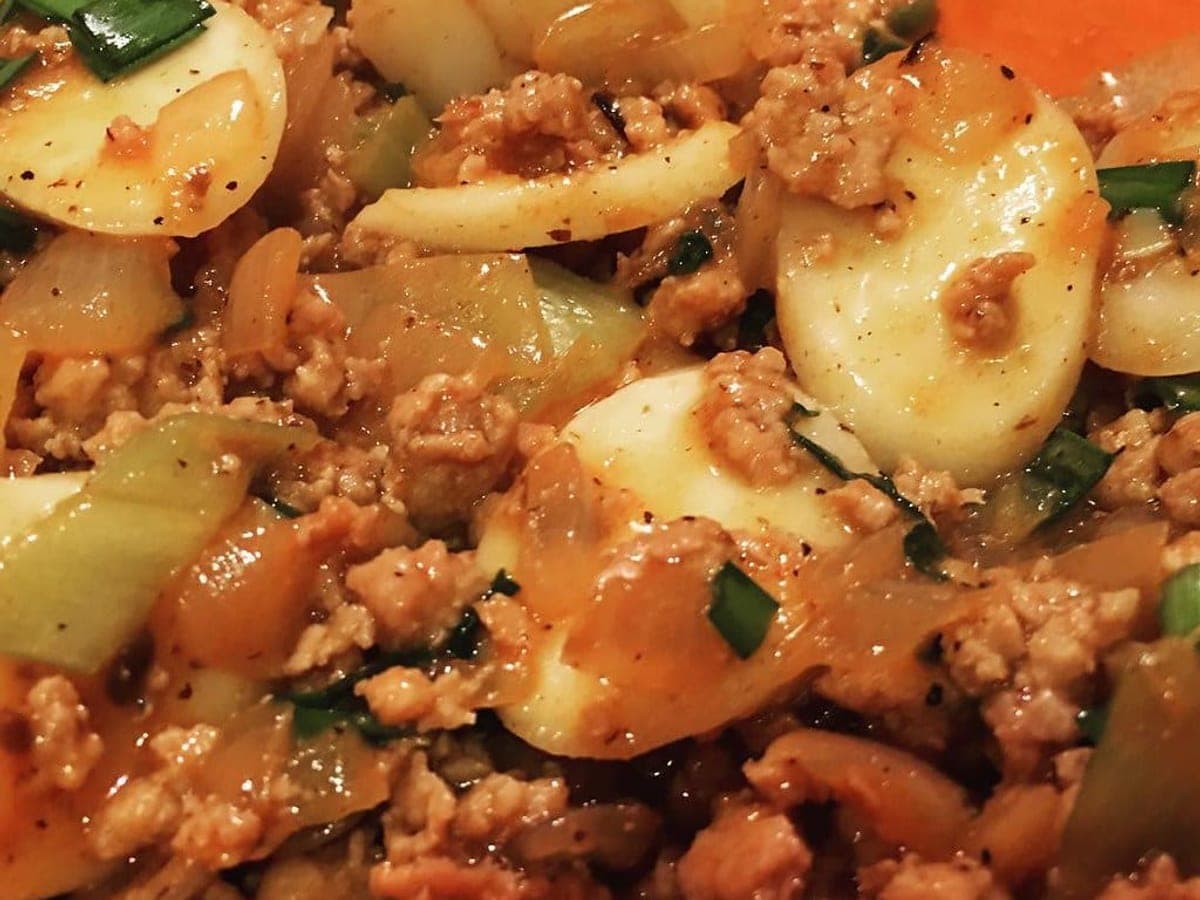
Tteok Kkochi (Rice Cake Skewers)
Why the rice cakes are pan-fried before the sauce goes near them, and how the glaze is brushed on in layers at the end so it never burns.
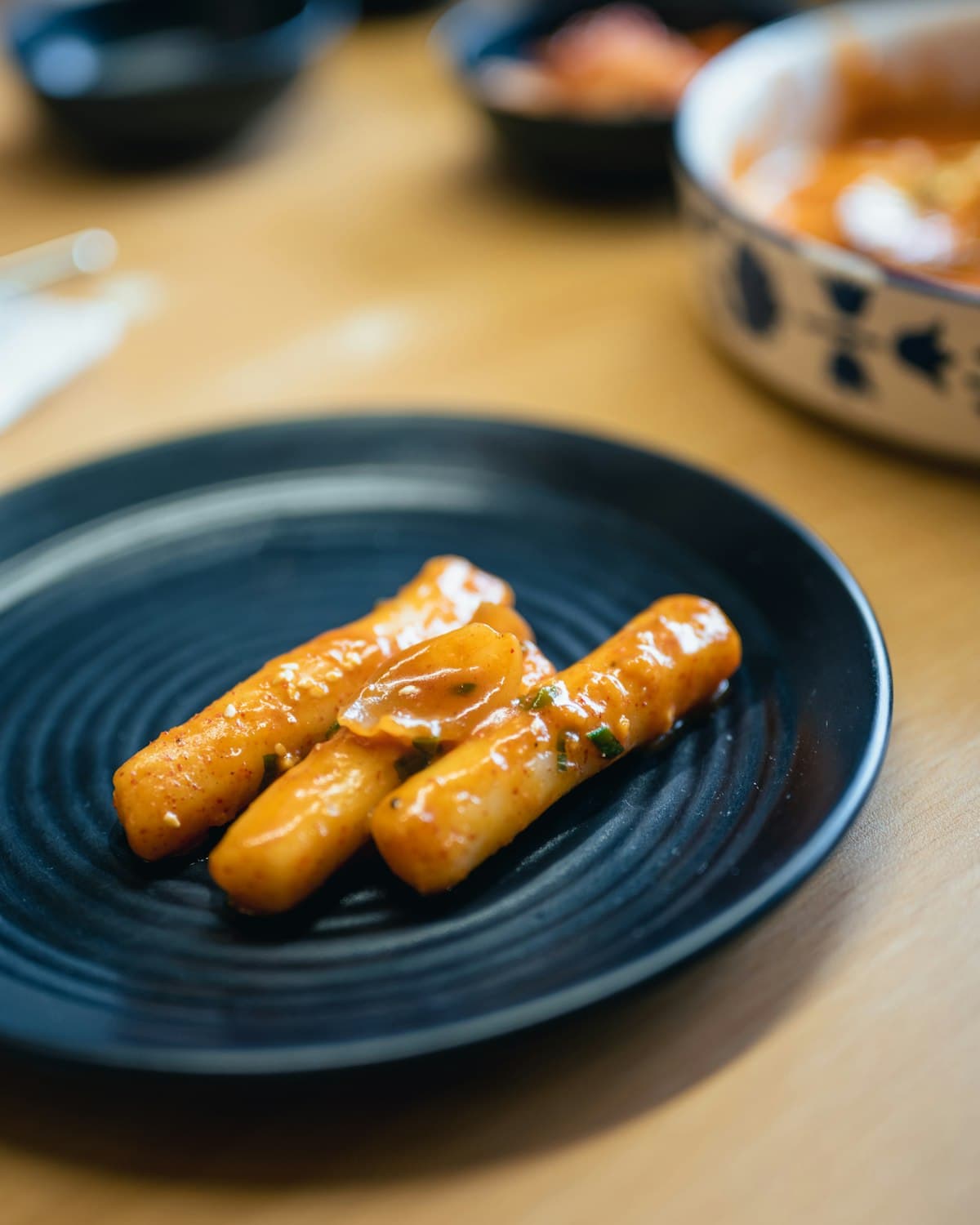
Tteokbokki (Spicy Korean Rice Cakes)
The anchovy-stock base, the gochujang-and-gochugaru combo, and the exact simmer time that turns rice cakes chewy instead of gummy or hard.
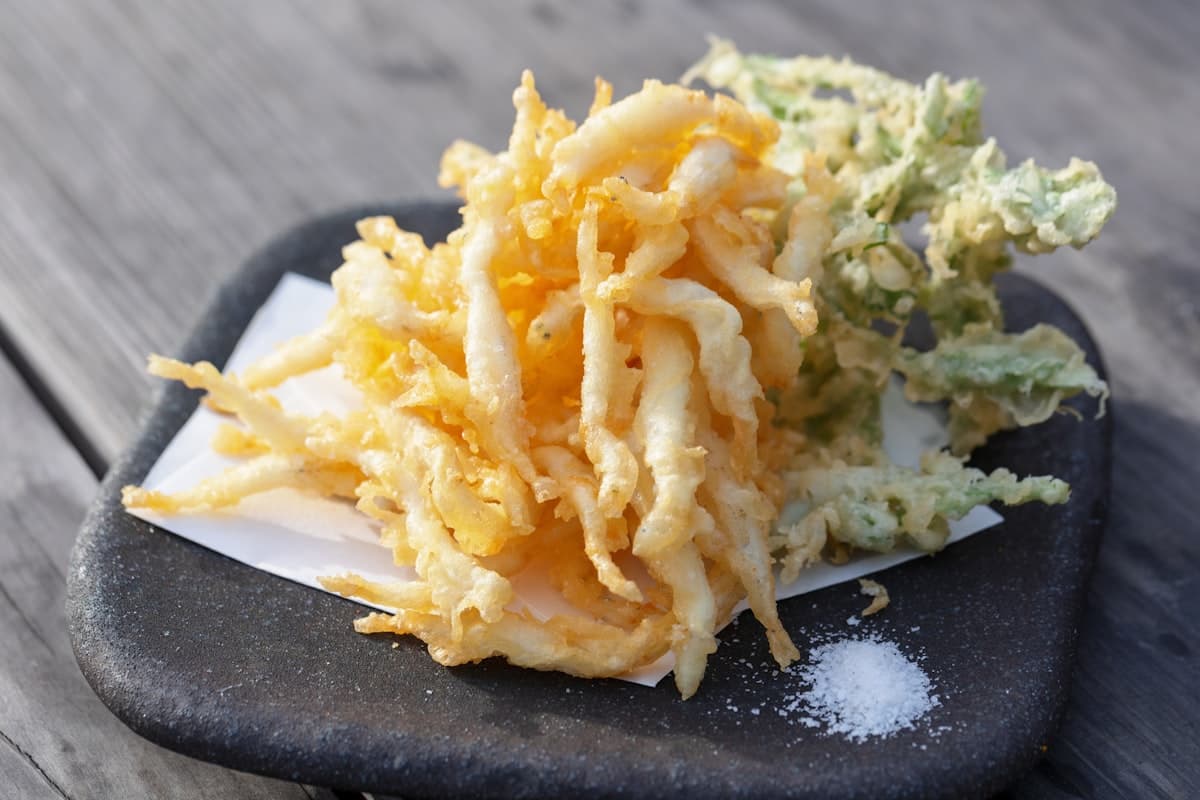
Twigim (Assorted Fried Snacks)
The batter consistency and oil temperature behind crisp twigim, and why frying in small batches matters more than any single ingredient.