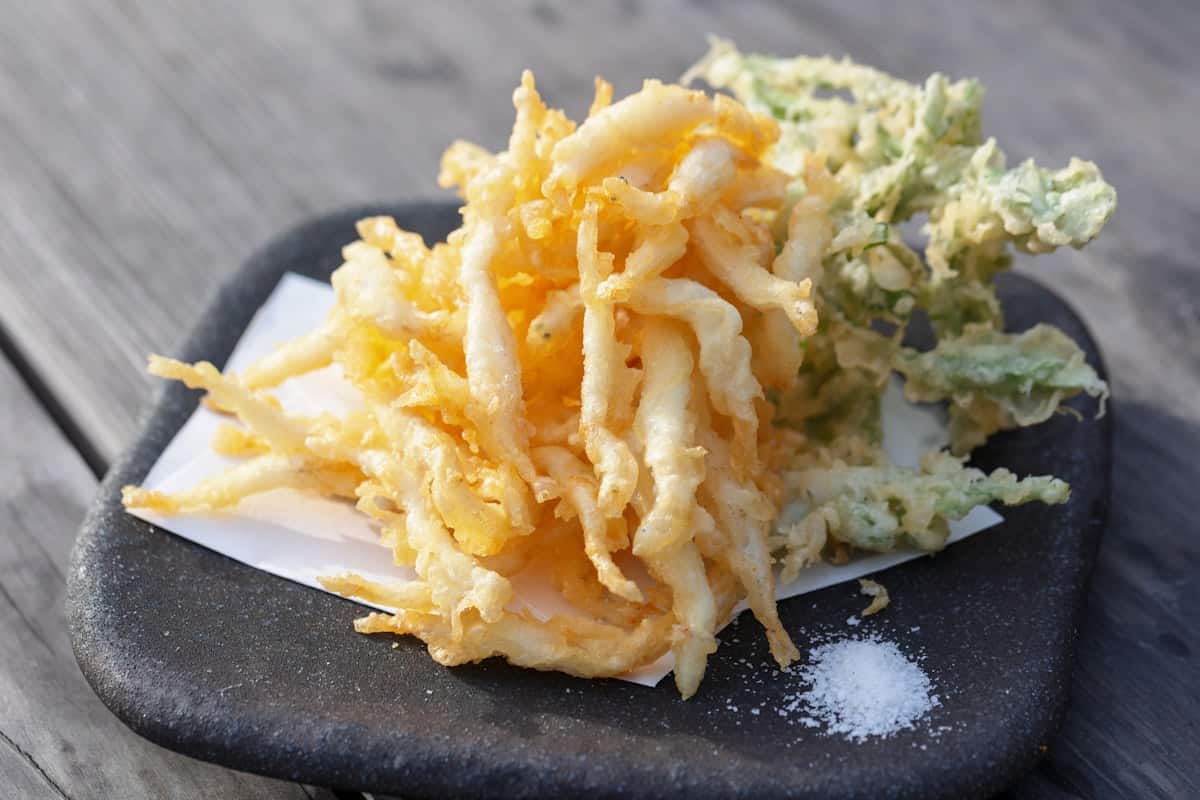
Steps
- 1
Whisk flour and cornstarch with ice-cold water until just combined — a few lumps are fine.
- 2
Heat oil in a deep pot to about 340-350°F (170-175°C).
- 3
Dip each piece of vegetable, leaf, or shrimp into the batter, coating lightly.
- 4
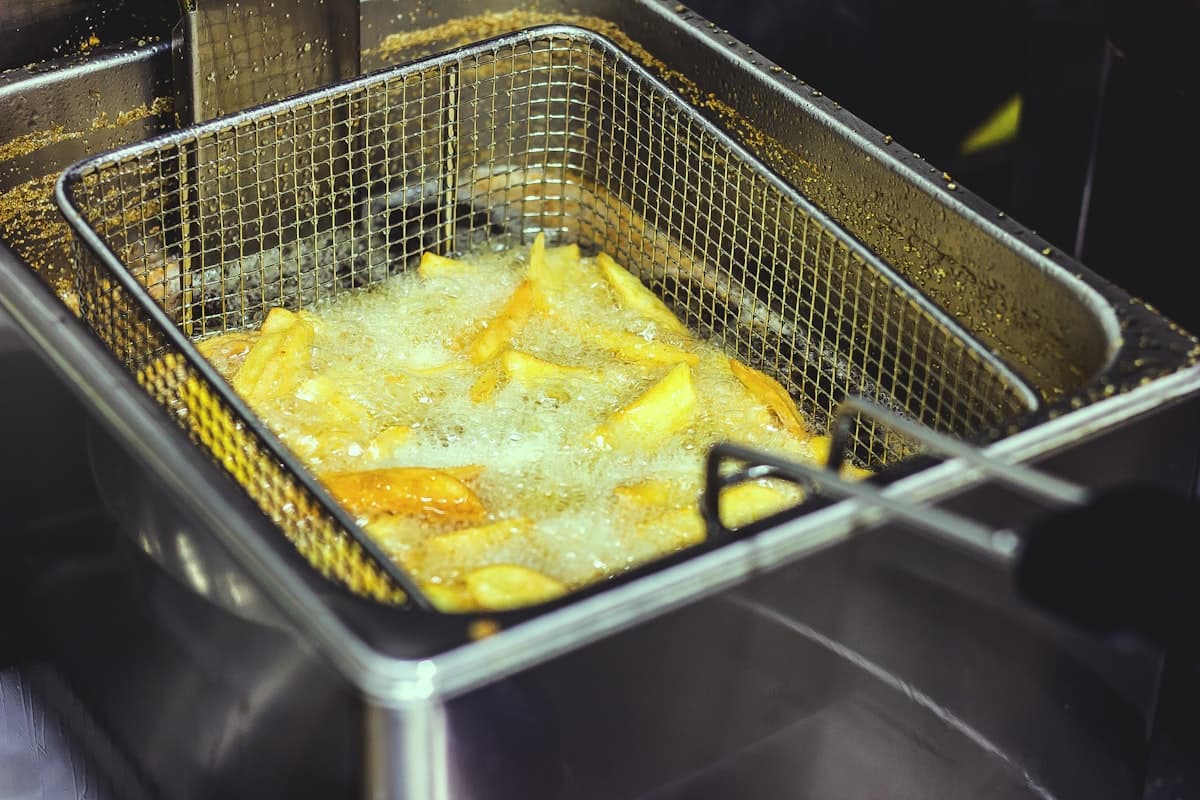
Fry in small batches, without crowding the pot, for 2-3 minutes until golden and crisp.
- 5
Drain on a wire rack or paper towel.
- 6
Season lightly with salt while still hot.
- 7
Serve immediately, ideally with tteokbokki sauce for dipping.
Did you know — Korean culture
Twigim stalls traditionally sit right next to tteokbokki carts for a practical reason, not just tradition — the two dishes share the same spicy sauce, and dunking a piece of twigim straight into leftover tteokbokki sauce (a combo called 'twikkeok') is such a standard move that most street vendors serve them side by side specifically to make it easy.
Keeping the batter cold and only just mixed — a few lumps left in, not whisked smooth — is what gives twigim its light, shattering crust instead of a heavy, bready one. Overmixing develops gluten the same way it would in bread dough, and that's the last texture you want here.
Frying in small batches matters more than people expect. Dropping too much into the pot at once drops the oil temperature fast, and everything ends up steaming in its own moisture instead of crisping — the difference between genuinely crunchy twigim and a soggy, oil-logged version of the same ingredients.
Twigim stalls traditionally sit right next to tteokbokki carts for a practical reason, not just tradition — the two dishes share the same spicy sauce base, and dunking a piece of twigim straight into leftover tteokbokki sauce (a combo locals call "twikkeok") is such a standard move that most street vendors serve them side by side specifically to make it easy.
Twigim is rarely eaten on its own. It is dipped straight into tteokbokki sauce, which is why the two are sold from the same cart, and kimbap usually completes the order.
Troubleshooting
Batter turning out heavy or bready instead of crisp? It was likely overmixed — stop as soon as the flour disappears into the water, lumps and all.
Twigim turning soggy right after frying? The pot was probably overcrowded, dropping the oil temperature — fry in smaller batches and let the oil come back up to temperature between rounds.
Coating falling off in the oil? Pat the vegetables or shrimp dry before dipping — excess surface moisture keeps the batter from sticking properly.
Recommended products
- Deep-fry thermometer
- Wire cooling rack
More to cook
All Street Food & Snacks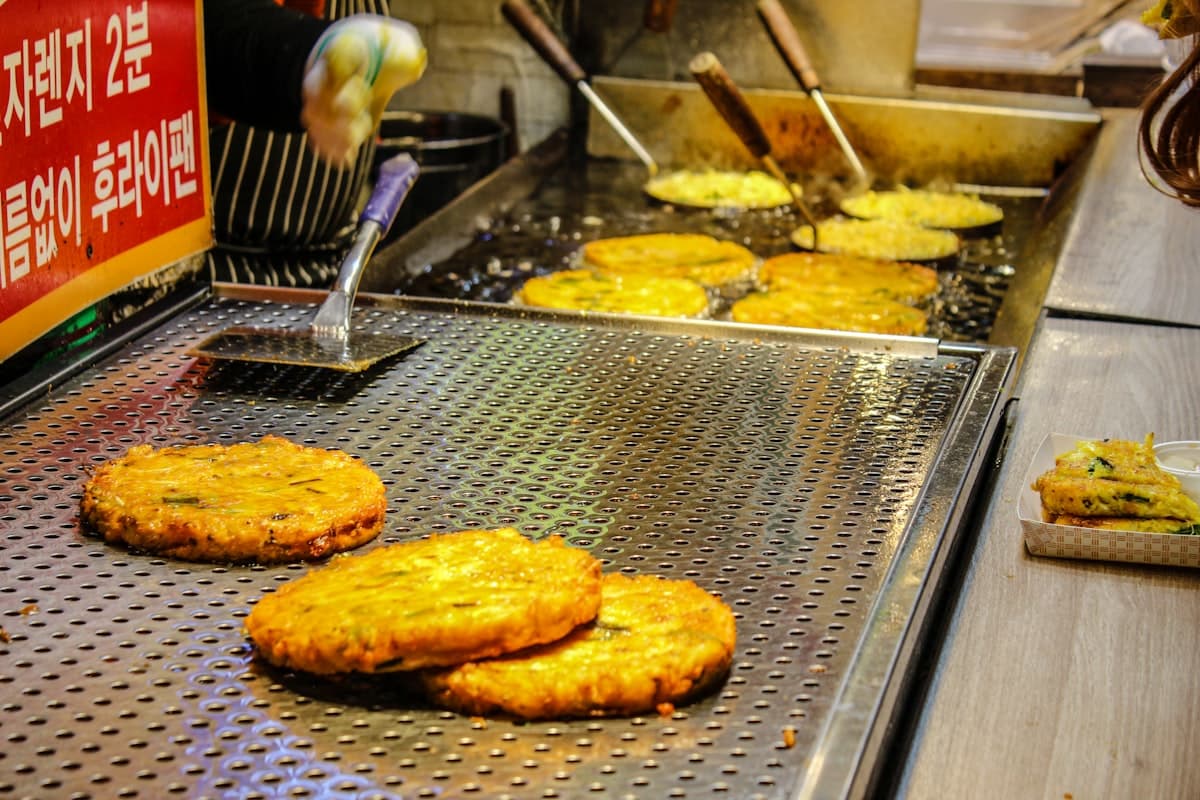
Bindaetteok (Mung Bean Pancake)
The soak-and-grind technique behind bindaetteok's thick, hearty batter, and why a hot pan matters more than any single ingredient.
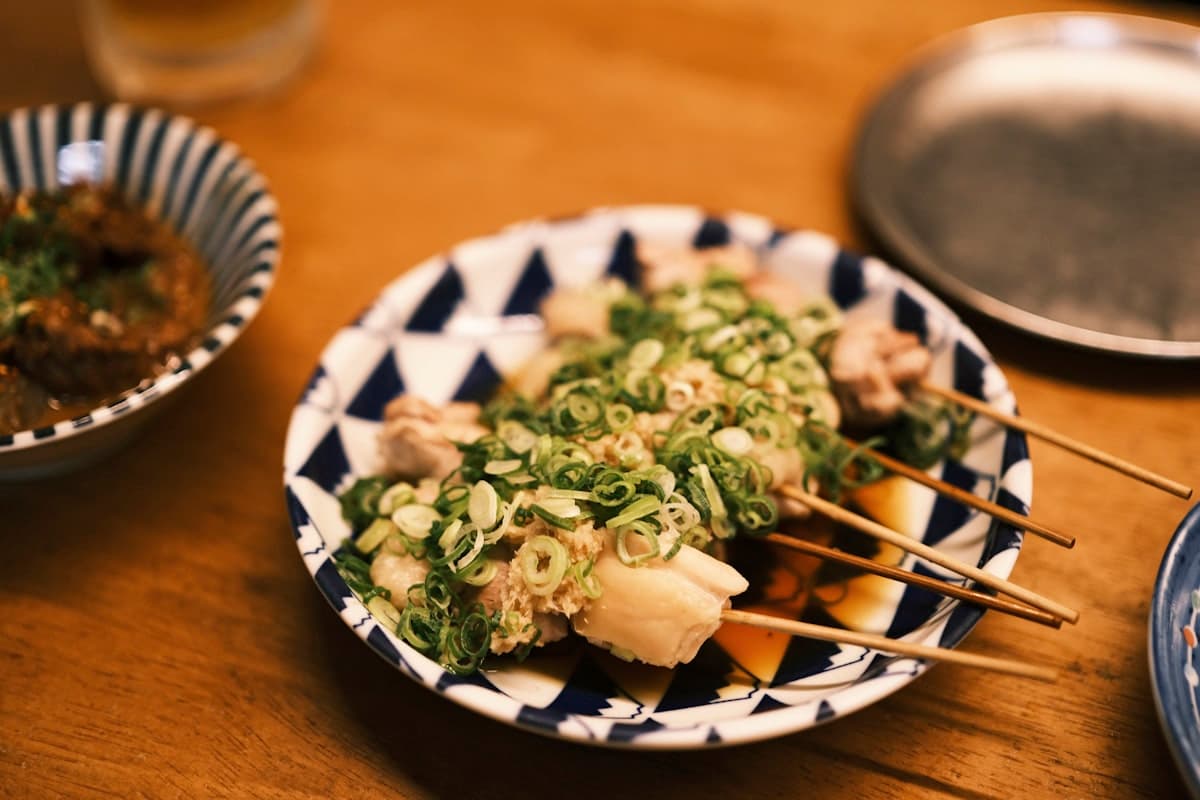
Dakkochi (Korean Chicken Skewers)
The timing behind glazing dakkochi at the end, not the start, of grilling, and why that's what keeps the sauce from burning.
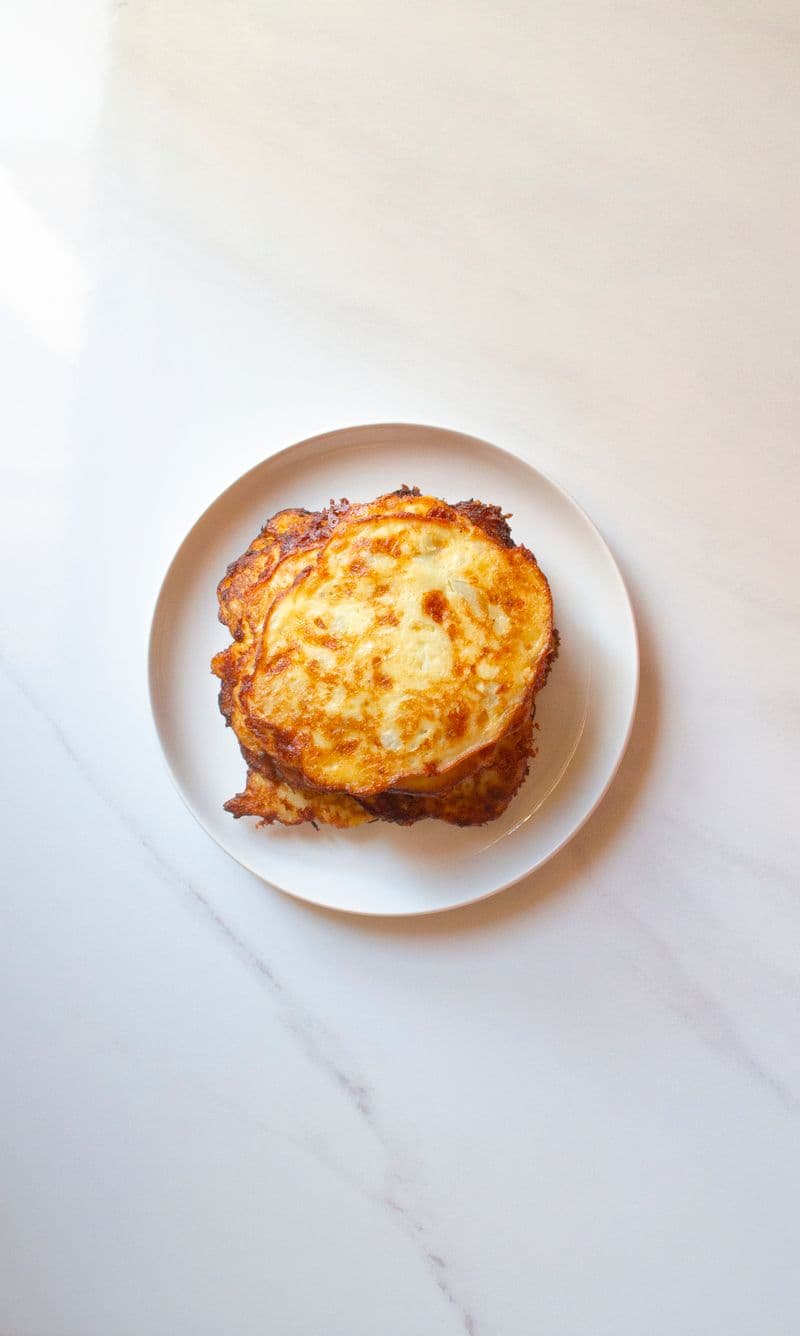
Gamja Jeon (Potato Pancake)
Why grating and briefly resting the potato, then pouring off the liquid but keeping the starch, is the real trick behind gamja jeon's crisp edges.