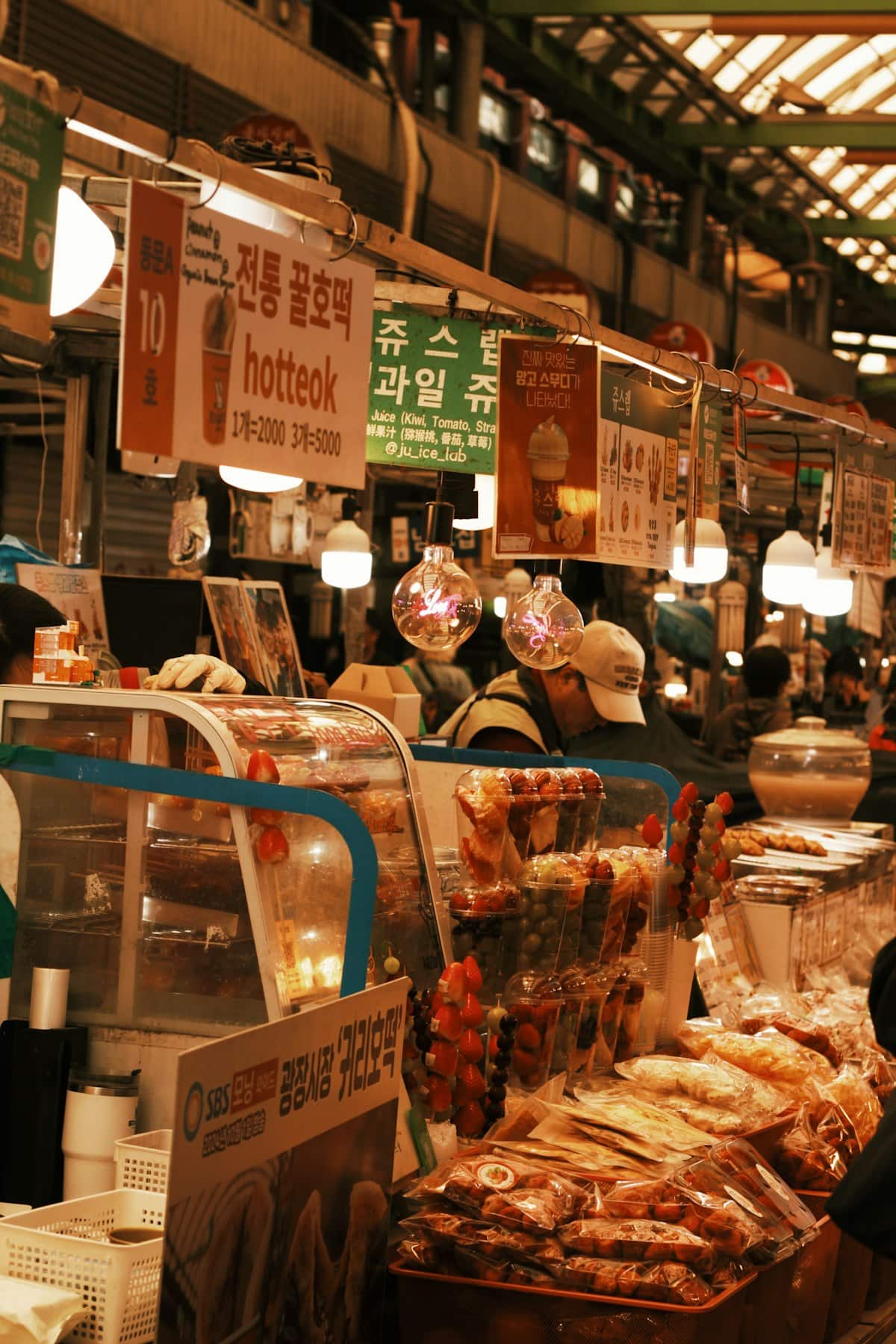
Steps
- 1
Mix flour, rice flour, yeast, sugar, and salt in a bowl.
- 2
Add the warm milk, water, and oil, and knead into a soft, slightly sticky dough.
- 3
Cover and let rise in a warm spot until doubled, about 1 hour.
- 4
Mix the brown sugar, cinnamon, and chopped nuts for the filling.
- 5
Divide the dough into 6 portions, flatten each into a disc, and spoon filling into the center.
- 6
Pinch the edges closed tightly around the filling, sealing it completely.
- 7
Heat oil on a griddle over medium heat and place the filled dough balls seam-side down.
- 8
Once the bottom sets, press firmly flat with a spatula or hotteok press — this is the step that actually shapes the pancake.
- 9
Fry 2-3 minutes per side until deep golden brown, keeping the filling sealed inside.
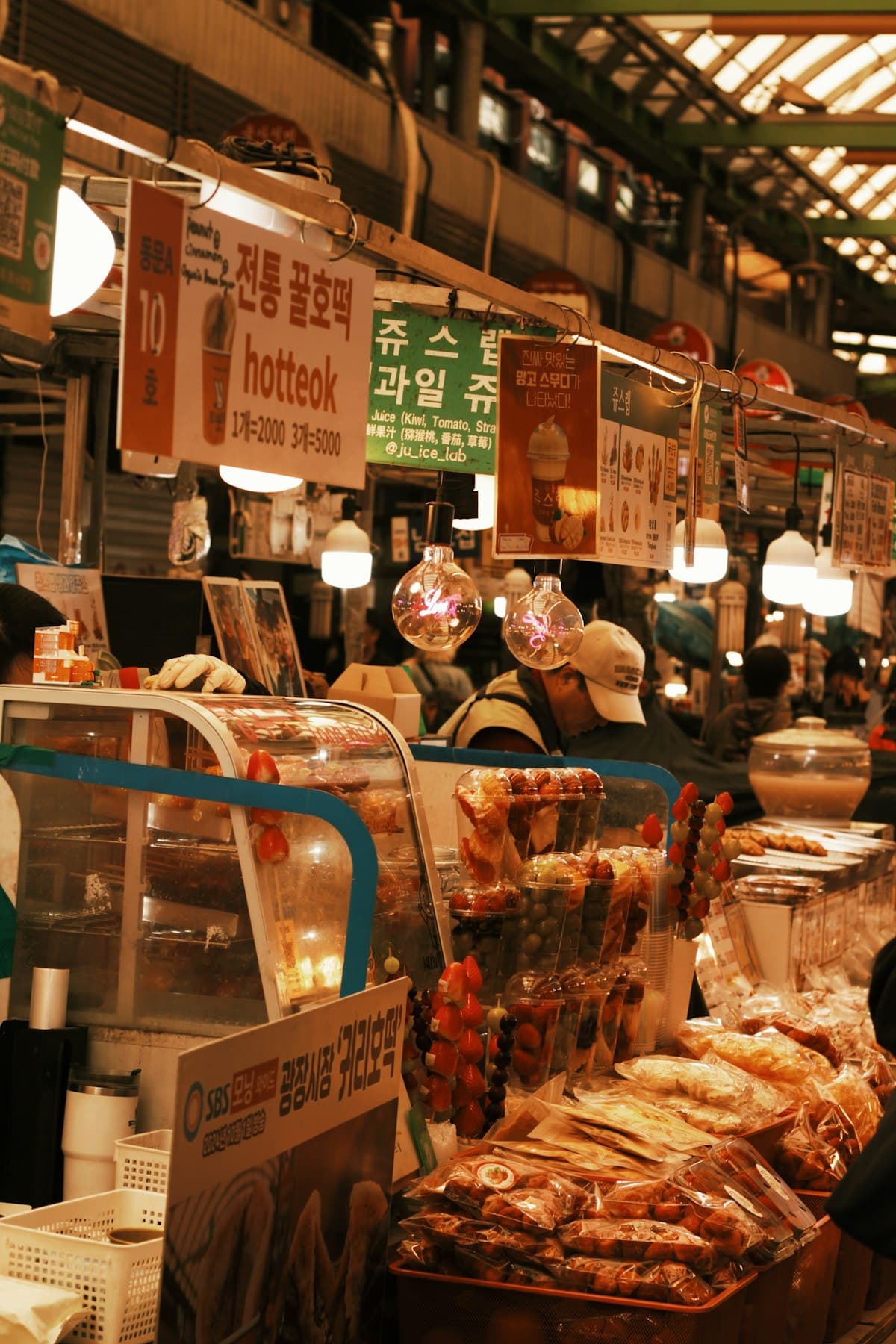
Did you know — Korean culture
Hotteok arrived in Korea by way of Chinese merchants. In the 19th century, traders from Shandong Province during the late Qing dynasty settled in Korean port cities and brought a wheat-flour flatbread technique with them. Korean cooks adapted it into a filled, griddled pancake — swapping in brown sugar and cinnamon syrup — and it became one of the country's defining winter street snacks.
The press step is the one people skip and immediately regret. Hotteok isn't shaped before frying — it goes into the pan as a round, filled ball of dough and gets flattened with real pressure once the bottom has set, which is what turns it into the wide, flat pancake shape rather than staying a dumpling with a crust.
Sealing the filling completely matters more than it looks like it would. Brown sugar filling turns fully liquid once it heats up, and any gap in the dough seam means it leaks straight out into the hot oil the moment you press — pinch the edges firmly and check for thin spots before it goes in the pan.
Hotteok arrived in Korea by way of Chinese merchants, not as a native invention. In the 19th century, traders from Shandong Province during the late Qing dynasty settled in Korean port cities and brought a wheat-flour flatbread technique with them. Korean cooks adapted it into this filled, griddled version — brown sugar and cinnamon syrup instead of the original fillings — and it became one of the country's defining winter street snacks, sold hot off griddles at markets throughout the cold months.
The dough
Hotteok dough is a yeasted wheat dough enriched with a little sugar, softer and wetter than bread dough — closer to a thick batter you can just about handle.
Some glutinous rice flour in the mix is what gives hotteok its characteristic chew. All-wheat versions work but come out more like a doughnut.
It is meant to be sticky. Resist adding flour to make it manageable — oil your hands instead, which is what street vendors do.
Rise 1–2 hours until doubled. In a cold kitchen this takes longer; do not rush it, since the rise is what makes the finished hotteok light rather than dense.
Pre-mixed hotteok kits are widely sold and are genuinely good if you want to skip this.
The filling
Dark brown sugar, cinnamon, and chopped nuts — peanuts, walnuts or sunflower seeds.
The sugar melts into syrup as it cooks, which is the entire appeal and also the hazard. Molten sugar is extremely hot and does not feel it until it is too late. Let hotteok cool for a minute before biting into it; this is the single most common hotteok injury.
Do not overfill. A tablespoon is plenty. Overfilled hotteok splits and the syrup escapes into the pan, where it burns.
Seal properly — pinch the dough closed and roll the ball seam-side down so the weight helps hold it shut.
Savoury versions exist — japchae-filled hotteok is common in Busan.
Cooking them
A generous film of oil, medium heat. Hotteok is shallow-fried rather than dry-cooked.
Place the ball seam-side down, cook 30 seconds, then press it flat with a spatula — a proper hotteok press exists, but the back of a greased spatula or a flat-bottomed cup works.
Press once, firmly. Repeated pressing forces the filling out.
2–3 minutes a side, until deep golden. Medium heat matters — too hot and the outside darkens before the dough cooks through and the sugar melts.
Serve immediately, in a folded paper cup, which is how it is sold.
Timing
About 2.5 hours, but only 30 minutes of it is work. The rest is the dough rising.
The dough can be made the night before and given a slow rise in the fridge, which also improves the flavour. Bring it back to room temperature before shaping.
Cook to order. Hotteok is at its best within a couple of minutes of leaving the pan.
Storing and reheating
They do not keep well — the dough firms and the syrup sets hard.
1–2 days at room temperature in an airtight container.
Reheat in a dry pan over low heat for a minute a side, which softens the dough and re-melts the sugar. A microwave makes them tough.
Freezing works better than refrigerating: freeze cooked and cooled hotteok, then reheat from frozen in a pan or oven. Up to a month.
What to serve with it
Hotteok is winter street food, eaten standing up:
- On its own, hot, from a paper cup
- With sikhye or a hot barley tea like boricha
- Alongside other winter street food — bungeoppang, roasted chestnuts
- Not as part of a meal. It is a snack, and a substantial one.
Troubleshooting
Filling leaking out during frying? The dough wasn't sealed tightly enough around the seam. Pinch firmly and rotate the ball to check for thin or open spots before it hits the pan.
Pancakes staying puffy instead of flat? They weren't pressed hard enough after the bottom set. Use real, deliberate pressure — this isn't a gentle flip.
Dough tough instead of chewy-soft? The glutinous rice flour is what gives hotteok its characteristic chew; skipping it or substituting all-purpose flour changes the texture noticeably.
Common questions
Why is my hotteok dough so sticky?
It's supposed to be. Hotteok dough is much wetter than bread dough — adding flour to make it easier to handle gives a dense, tough result. Oil your hands instead, which is what street vendors do.
Why does my hotteok filling leak out?
Overfilling, or a poor seal. A tablespoon of filling is plenty. Pinch the dough closed properly and cook it seam-side down first so the weight helps hold it shut. Pressing it more than once also forces filling out.
Can hotteok dough be made ahead?
Yes — make it the night before and let it rise slowly in the fridge, which also improves the flavour. Bring it back to room temperature before shaping and cooking.
How do you reheat hotteok?
A dry pan over low heat, a minute a side. That softens the dough and re-melts the sugar filling. Microwaving makes them tough. Freezing and reheating from frozen works better than refrigerating.
What's inside hotteok?
Traditionally dark brown sugar, cinnamon and chopped nuts, which melt into a syrup as it cooks. Savoury versions filled with japchae noodles are common in Busan, and seed-filled versions are a Busan speciality too.
Recommended products
- Hotteok press (or flat spatula)
- Glutinous rice flour
More to cook
All Street Food & Snacks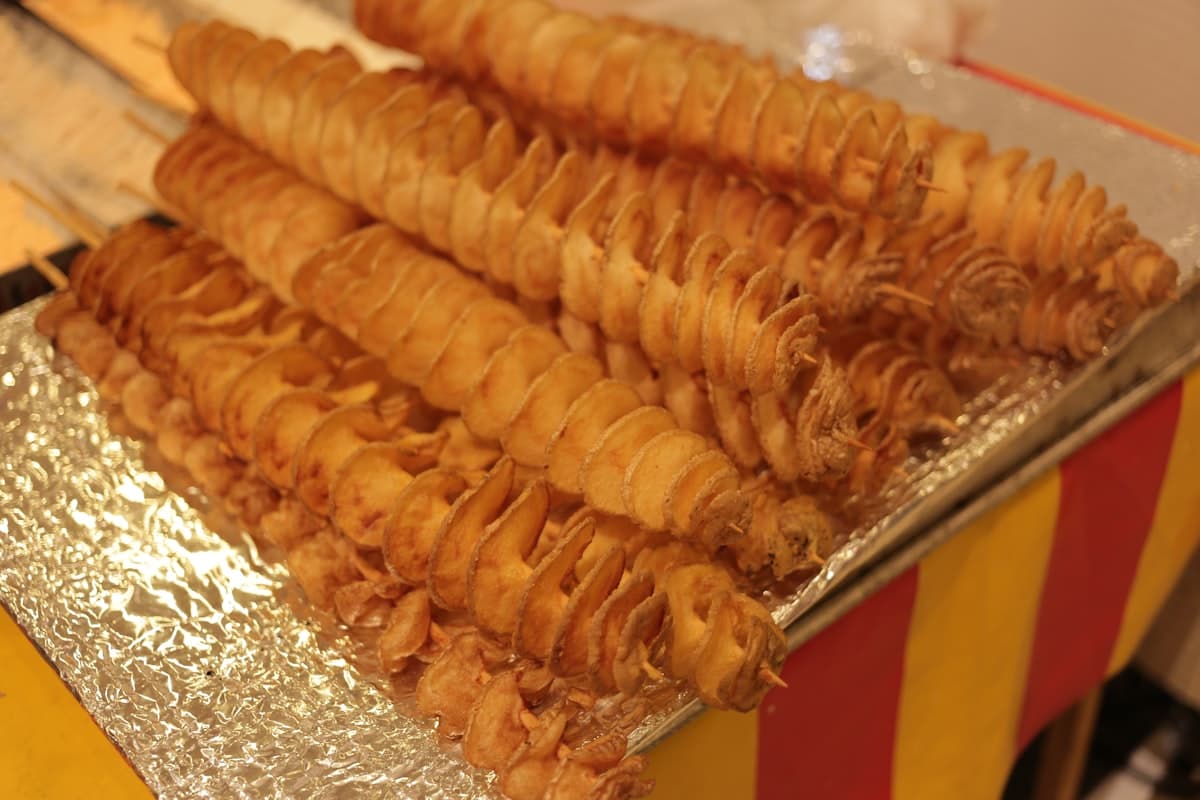
Hweori Gamja (Tornado Potato on a Stick)
The spiral-cutting technique behind hweori gamja, and why oil temperature matters more than any seasoning choice.
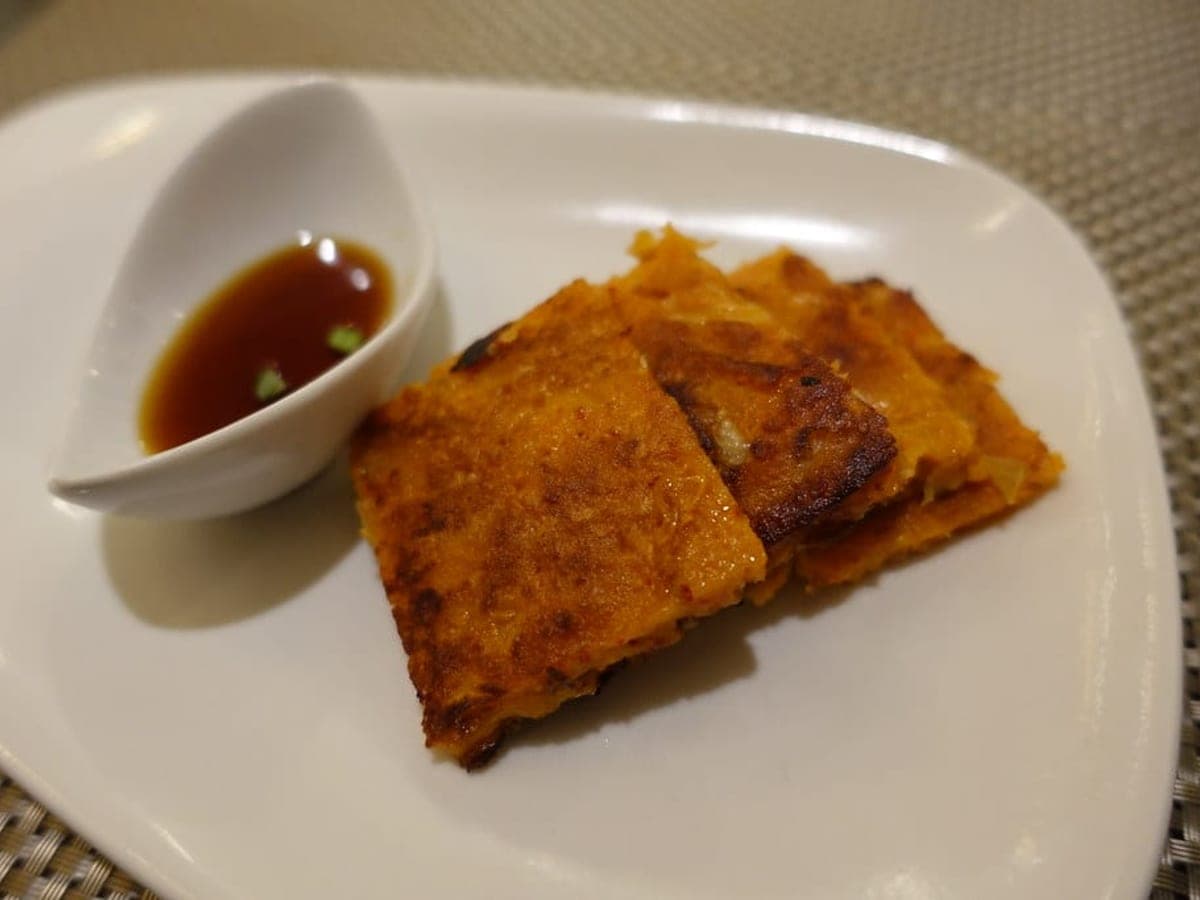
Kimchi Jeon (Kimchi Pancake)
Why kimchi jeon wants sour, over-fermented kimchi and its juice in the batter, and why a thin batter and a genuinely hot pan beat any special flour.
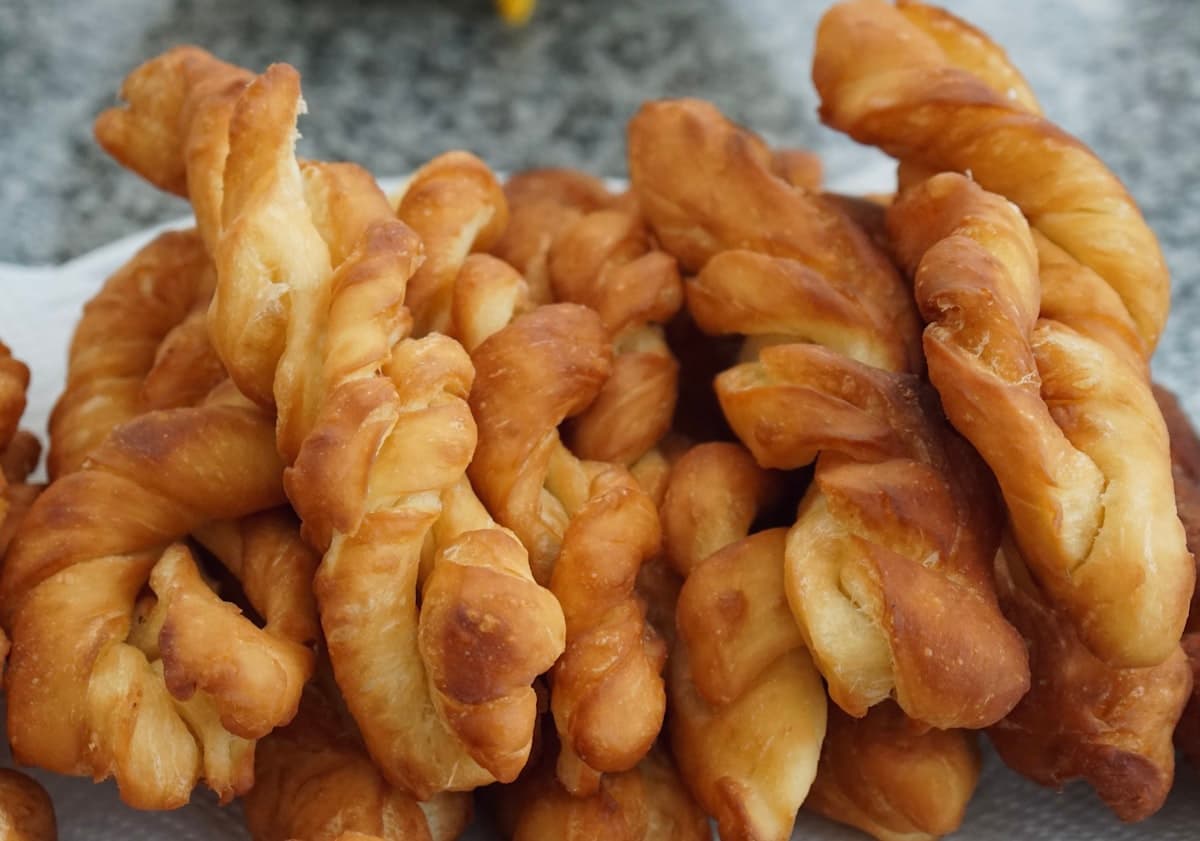
Kkwabaegi (Twisted Korean Donut)
The dough-resting and hand-twisting technique behind kkwabaegi, and why frying temperature matters more than the twist itself.