Street Food & Snacks
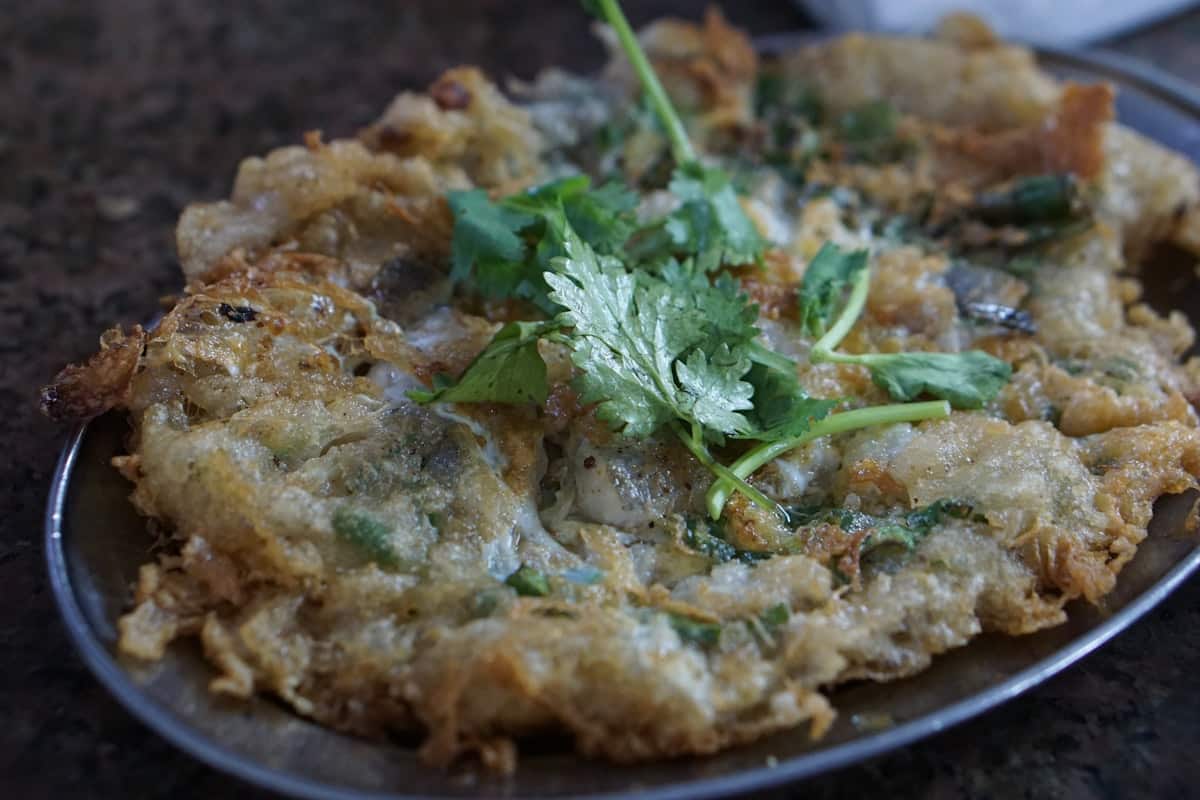
Haemul Pajeon (Seafood Scallion Pancake)
By Suku · · Updated
Prep
15 min
Cook
15 min
Servings
2
Steps
- 1
Whisk together flour, rice flour, cold water, egg, and salt into a thin, pourable batter.
- 2
Heat a generous amount of oil in a pan over medium-high heat.
- 3
Lay the green onions in the pan first, arranging them in a flat layer.
- 4
Pour the batter over the green onions, just enough to bind them together.
- 5
Scatter the seafood and chili over the top while the batter is still wet.
- 6
Fry 3-4 minutes until the bottom is deeply golden and crisp, pressing down occasionally.
- 7
Flip carefully and fry another 3-4 minutes on the other side.
- 8
Cut into wedges and serve hot with the dipping sauce.

Did you know — Korean culture
Pajeon has a specific, widely-shared cultural association with rainy days in Korea — the sizzle of batter hitting a hot, oiled pan is often compared to the sound of rain itself, and pajeon restaurants reliably see a rush of customers whenever it starts pouring. There's a practical layer to it too: rainy days historically kept farmers and fishermen indoors, and pan-frying a simple flour batter with whatever seafood or vegetables were on hand was an easy way to make a meal out of a day when outdoor work wasn't possible.
The rice flour mixed into the batter is what gives haemul pajeon its shatter-crisp edge instead of a soft, bready one. All-purpose flour alone bakes up closer to a dense pancake; the added rice flour dries out and crisps more aggressively in hot oil, which is the texture this dish is actually known for.
Frying in a generous amount of oil, closer to shallow-frying than a light sauté, matters more than people expect. A dry pan with just a film of oil steams the batter instead of crisping it — real haemul pajeon fries in enough oil that the edges genuinely fry, not just cook through.
Pajeon has a specific, widely-shared cultural association with rainy days in Korea — the sizzle of batter hitting a hot, oiled pan is often compared to the sound of rain itself, and pajeon restaurants reliably see a rush of customers whenever it starts pouring. There's a practical layer to it too: rainy days historically kept farmers and fishermen indoors, and pan-frying a simple flour batter with whatever seafood or vegetables were on hand was an easy way to make a meal out of a day when outdoor work wasn't possible.
The batter is the whole problem
A pajeon that comes out soft and bready has a batter problem, not a cooking problem.
Ice-cold water. Cold batter hitting hot oil is what creates the crisp edge. Some cooks keep the bowl over ice.
Do not overmix. Lumps are fine. Overworked batter develops gluten and goes chewy.
Use some frying mix or starch. Korean pajeon mix (buchimgaru) exists for a reason, but plain flour cut with about 25% potato or corn starch gets you most of the way.
Keep it thin. The batter is glue holding scallions and seafood together, not a pancake with things in it. If it looks too thin, it is probably right.
Seafood and scallions
Scallions are the dish — pajeon means scallion pancake. Use whole scallions laid lengthways rather than chopped, which is what gives a proper pajeon its structure.
Seafood: squid, shrimp, clams, mussels. Chop it small — large pieces make the pancake hard to cut and cook unevenly.
Dry it thoroughly. Wet seafood releases water into the batter mid-cook and that is the second most common cause of a soggy pancake. Frozen seafood must be thawed and patted dry.
An egg cracked over the top partway through is common and helps bind.
Frying it properly
More oil than you think. Pajeon is closer to shallow-frying than pan-frying. A dry pan gives you a pale, tough pancake.
Medium-high heat, and let it set before touching it. Moving it early breaks it.
Press it down with the spatula once during cooking to get full contact with the pan.
Flip once. Then add a little more oil around the edges — this is the trick that crisps the second side properly.
Do not stack them. Steam trapped between two pancakes undoes all of it. Rest them on a rack.
Timing and eating it
20 minutes. It is genuinely fast food.
Eat it immediately. Pajeon has roughly a ten-minute window at its best, and it does not survive being made ahead. This is not a make-ahead dish, and any recipe that suggests otherwise is optimistic.
Cut with scissors at the table, which is standard and easier than a knife.
Storing and reviving
1–2 days refrigerated, and it will be soft.
To revive: a dry pan over medium heat, no oil, a couple of minutes a side. It crisps up surprisingly well. Never the microwave — that produces a limp, rubbery result with no redeeming qualities.
Do not freeze.
What to serve with pajeon
- The dipping sauce — soy, vinegar, a little gochugaru and sesame. It is essential rather than optional; pajeon on its own is under-seasoned by design.
- Makgeolli. The rice wine and pajeon pairing is a genuine Korean institution, particularly on rainy days.
- Kimchi
- Part of a larger spread — it works as an appetiser or an anju rather than a main
Troubleshooting
Pancake soft and doughy instead of crisp? Not enough oil, most likely — this dish wants a shallow-fry amount, not a light coating, plus the rice flour in the batter.
Seafood overcooked and rubbery? It goes on top while the batter is still wet, cooking gently as the pancake fries rather than needing to be pre-cooked.
Pancake falling apart when flipped? Let the first side fully set and turn deeply golden before attempting the flip — a pale, underdone bottom won't hold together.
Common questions
Why is my pajeon soggy instead of crispy?
Three usual causes: not enough oil, batter that was overmixed or not cold enough, and wet seafood releasing water mid-cook. Use ice-cold water, mix minimally, pat everything dry, and be generous with the oil.
Can I make pajeon ahead of time?
Not really — it has about a ten-minute window at its best. If you have leftovers, revive them in a dry pan rather than the microwave, which turns them rubbery.
What kind of flour should I use for pajeon?
Korean frying mix (buchimgaru) is easiest. Otherwise plain flour cut with about a quarter starch — potato or corn — gets close. Straight plain flour gives a softer, breadier result.
What seafood goes in haemul pajeon?
Squid, shrimp, clams and mussels are the usual mix. Chop everything small so the pancake cooks evenly and cuts cleanly, and dry it thoroughly first.
Why do Koreans eat pajeon on rainy days?
The most-repeated explanation is that the sound of batter hitting hot oil resembles rain, and the pairing with makgeolli became a rainy-day habit from there. Whether or not the origin story is exact, the association is real and widespread.
Recommended products
- Wide non-stick frying pan
- Rice flour
More to cook
All Street Food & Snacks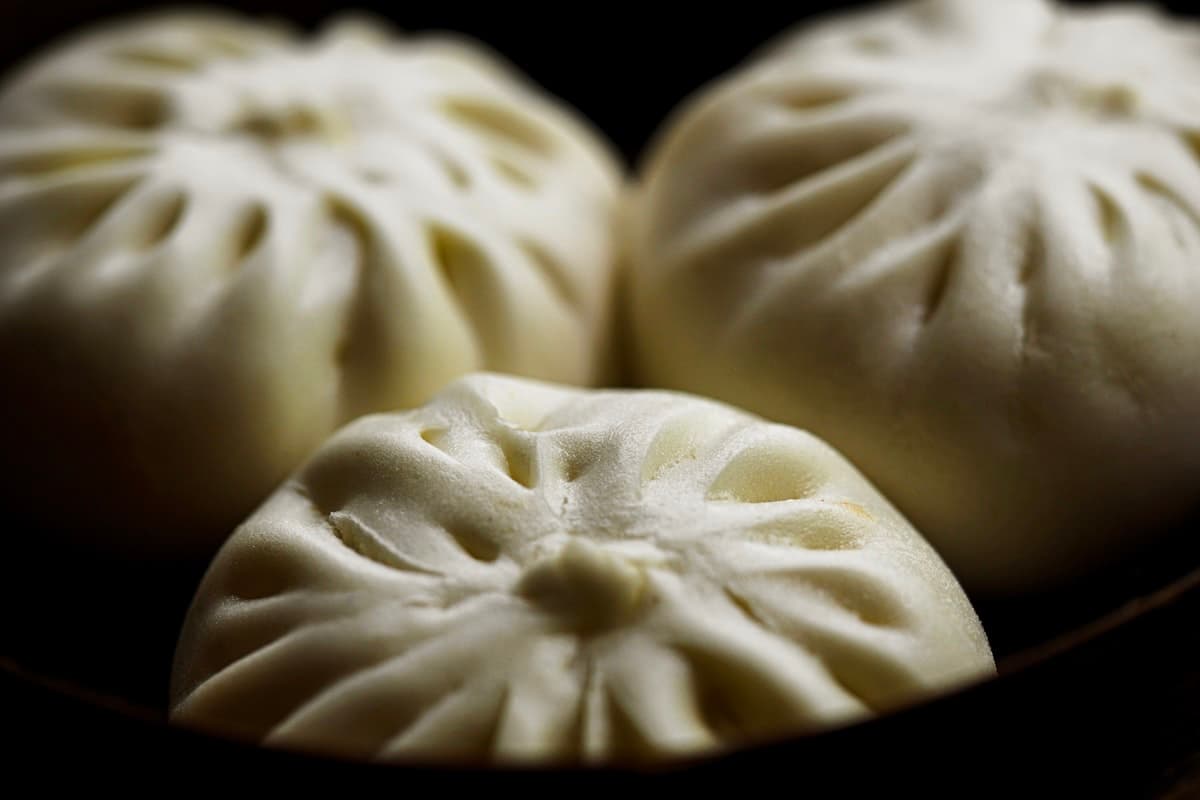
Hoppang (Steamed Stuffed Bun)
The proof-and-steam technique behind hoppang's soft, pillowy wrapper, and why steaming heat matters more than steaming time.
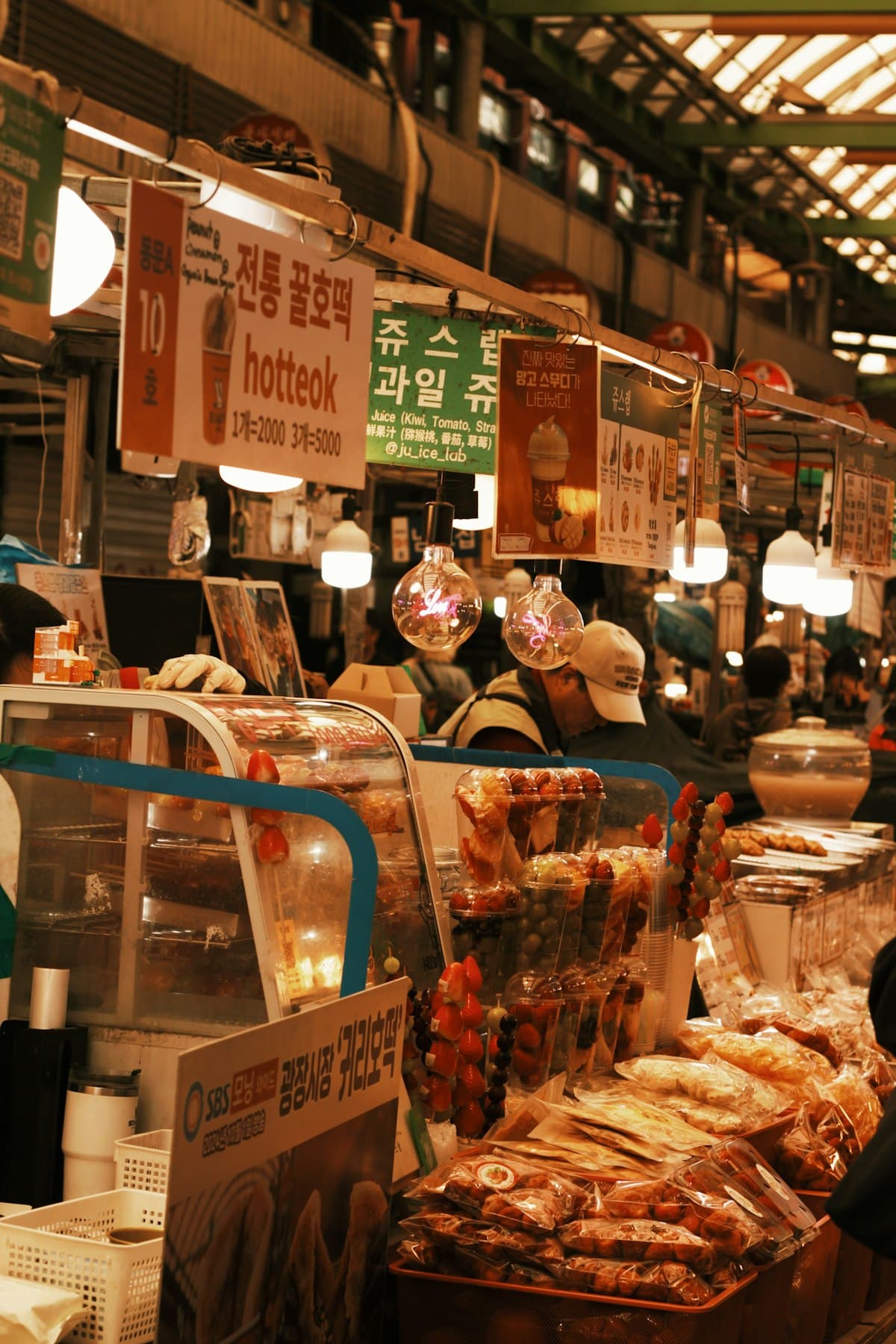
Hotteok (Sweet Filled Pancake)
The yeasted-dough rest and syrup-filling technique behind hotteok, and why the press step matters more than the fry.
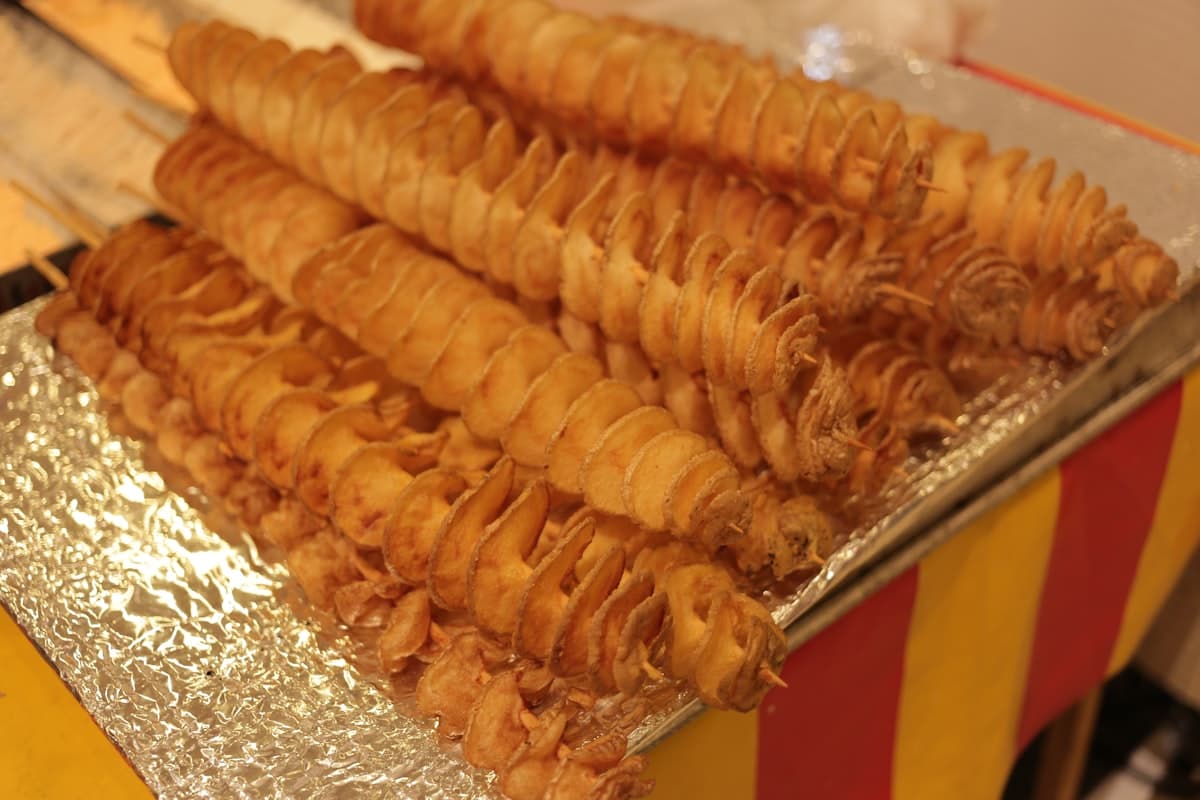
Hweori Gamja (Tornado Potato on a Stick)
The spiral-cutting technique behind hweori gamja, and why oil temperature matters more than any seasoning choice.