Street Food & Snacks
Bindaetteok (Mung Bean Pancake)
By Suku · · Updated
Prep
480 min
Cook
20 min
Servings
4
Steps
- 1
Drain the soaked mung beans and rub them between your hands to loosen the skins, then rinse until most skins float off.
- 2
Blend the skinned beans with water into a thick, coarse batter.
- 3
Mix in the kimchi, ground pork, bean sprouts, green onion, and garlic.
- 4
Season with salt and pepper.
- 5
Heat a generous amount of oil in a pan until genuinely hot.
- 6
Ladle the batter into the pan, spreading into thick rounds.
- 7
Fry 4-5 minutes per side, until deeply golden and cooked through.
- 8
Drain briefly and serve hot.
Did you know — Korean culture
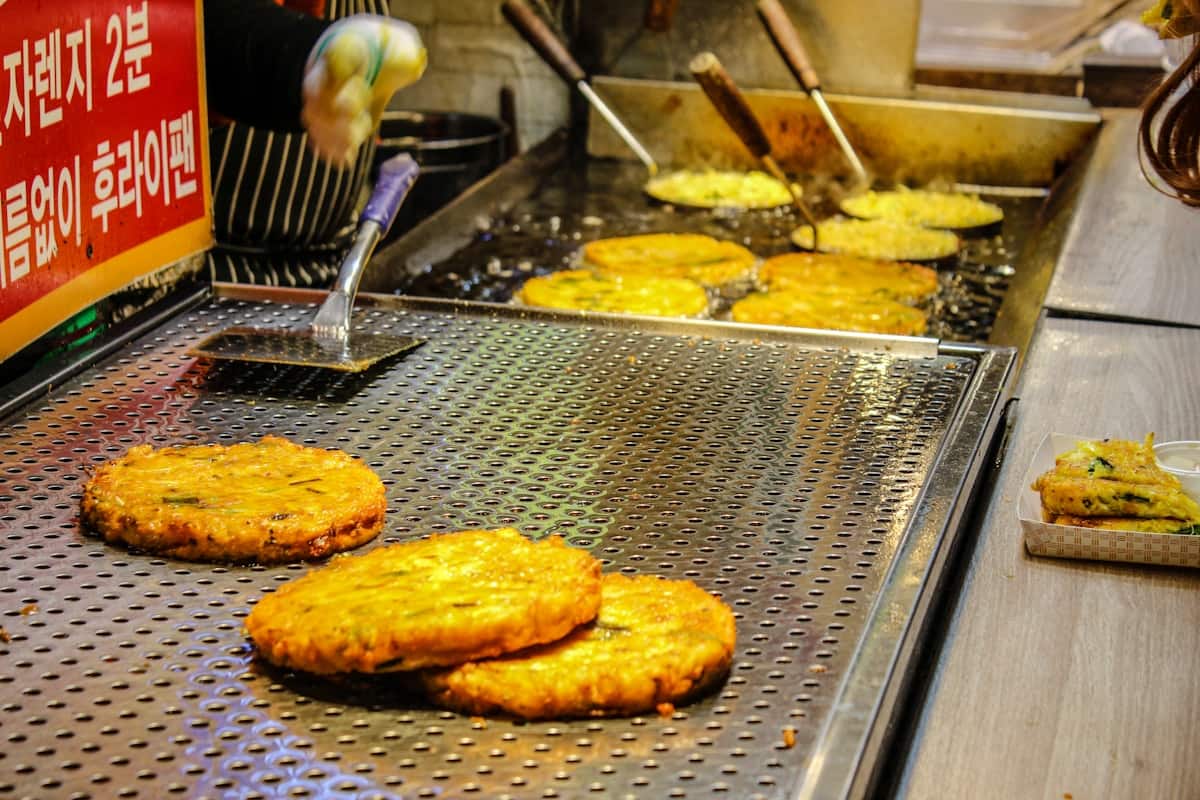
Bindaetteok is one of the signature dishes of Seoul's Gwangjang Market, where vendors have been grinding soaked mung beans by hand for the batter for decades — a labor-intensive step most modern versions shortcut with a blender, though old-school stalls still consider the coarser, hand-ground texture part of what makes theirs worth the trip.
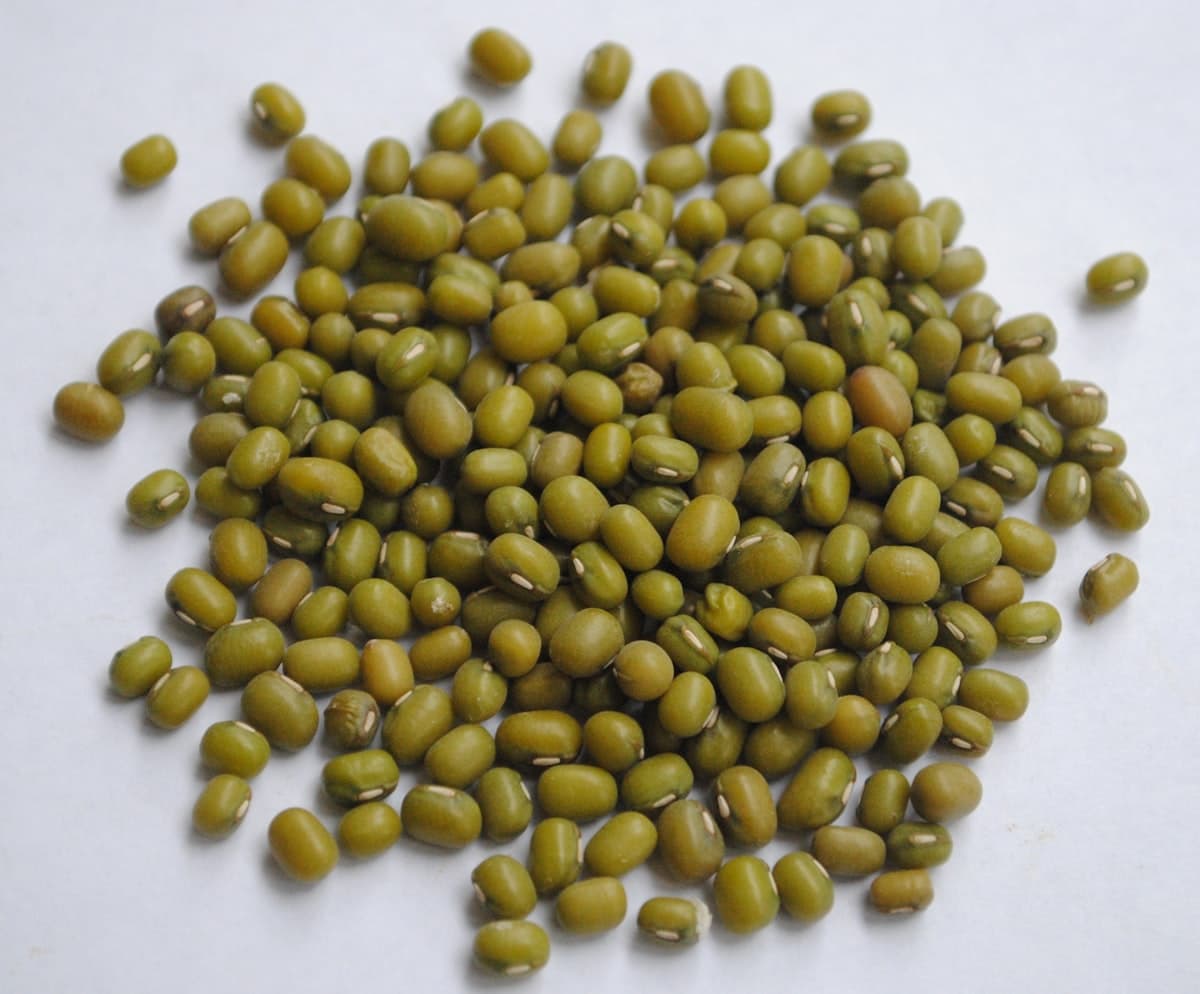
Removing the mung bean skins before blending isn't a step to skip for convenience — the skins make the batter gritty and dull the color, and rubbing them loose after soaking is the only reliable way to get them off in bulk.
The batter should stay coarse and thick, not smooth like a crepe batter. Bindaetteok's texture is meant to be hearty and substantial, closer to a savory fritter than a delicate pancake, which is part of why over-blending into a silky-smooth puree actually works against the dish.
Bindaetteok is one of the signature dishes of Seoul's Gwangjang Market, where vendors have been grinding soaked mung beans by hand for the batter for decades — a labor-intensive step most modern versions shortcut with a blender, though old-school stalls still consider the coarser, hand-ground texture part of what makes theirs worth the trip.
Bindaetteok is the heaviest of the Korean pancakes, since the batter is ground mung bean rather than flour. Haemul pajeon is the light one, and worth making alongside if you are feeding people.
Troubleshooting
Pancakes falling apart when flipped? The batter was likely too thin — it should be thick enough to hold its shape in the pan, not run like a crepe batter.
Pancakes greasy instead of crisp? The oil probably wasn't hot enough before the batter went in — a properly hot pan seals the surface quickly instead of letting the pancake soak up oil as it cooks.
Batter tasting gritty? The mung bean skins weren't removed thoroughly enough before blending — a more thorough rub-and-rinse after soaking makes a real difference.
Recommended products
- Dried mung beans
- High-powered blender
More to cook
All Street Food & Snacks
Dakkochi (Korean Chicken Skewers)
The timing behind glazing dakkochi at the end, not the start, of grilling, and why that's what keeps the sauce from burning.
Gamja Jeon (Potato Pancake)
Why grating and briefly resting the potato, then pouring off the liquid but keeping the starch, is the real trick behind gamja jeon's crisp edges.
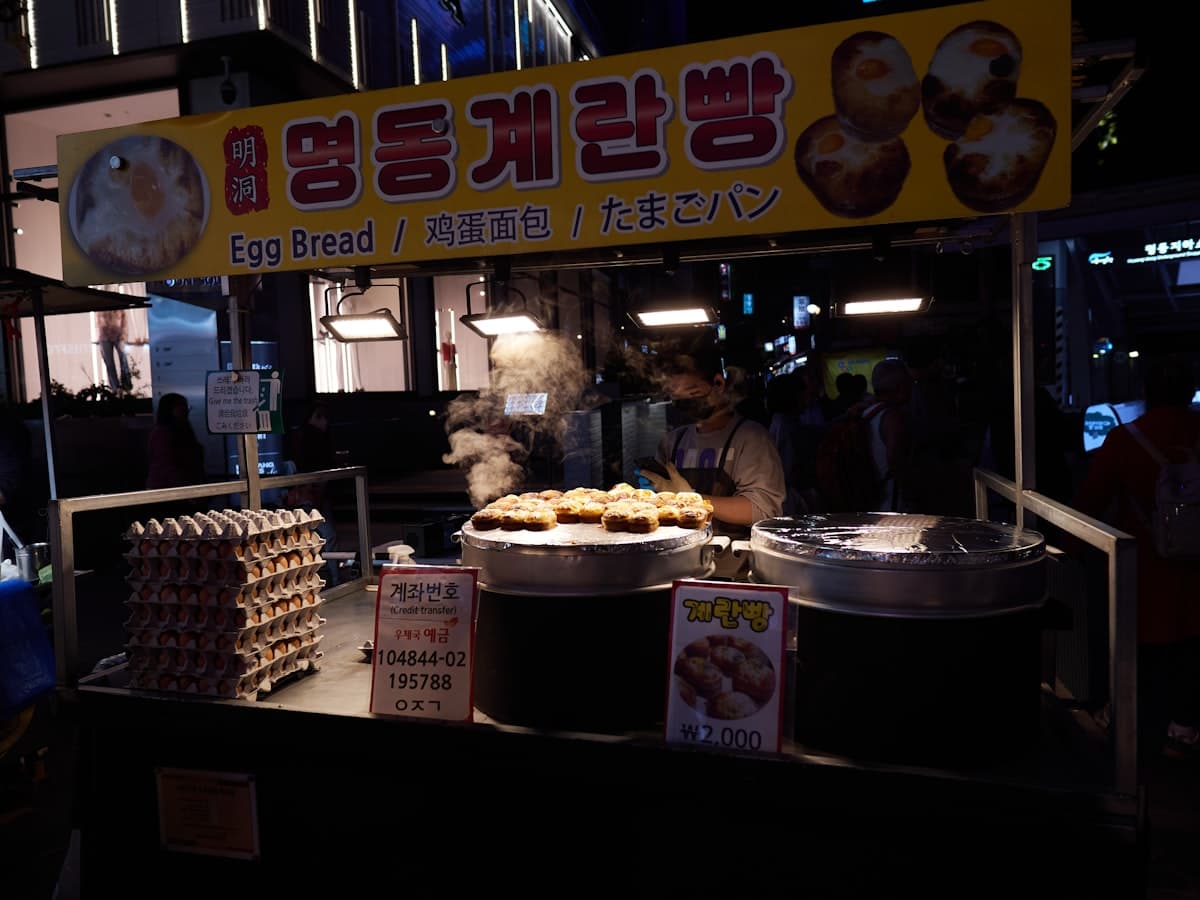
Gyeranppang (Egg Bread)
The batter-then-egg layering technique behind gyeranppang, and why timing the egg drop is the one step that can't be rushed.