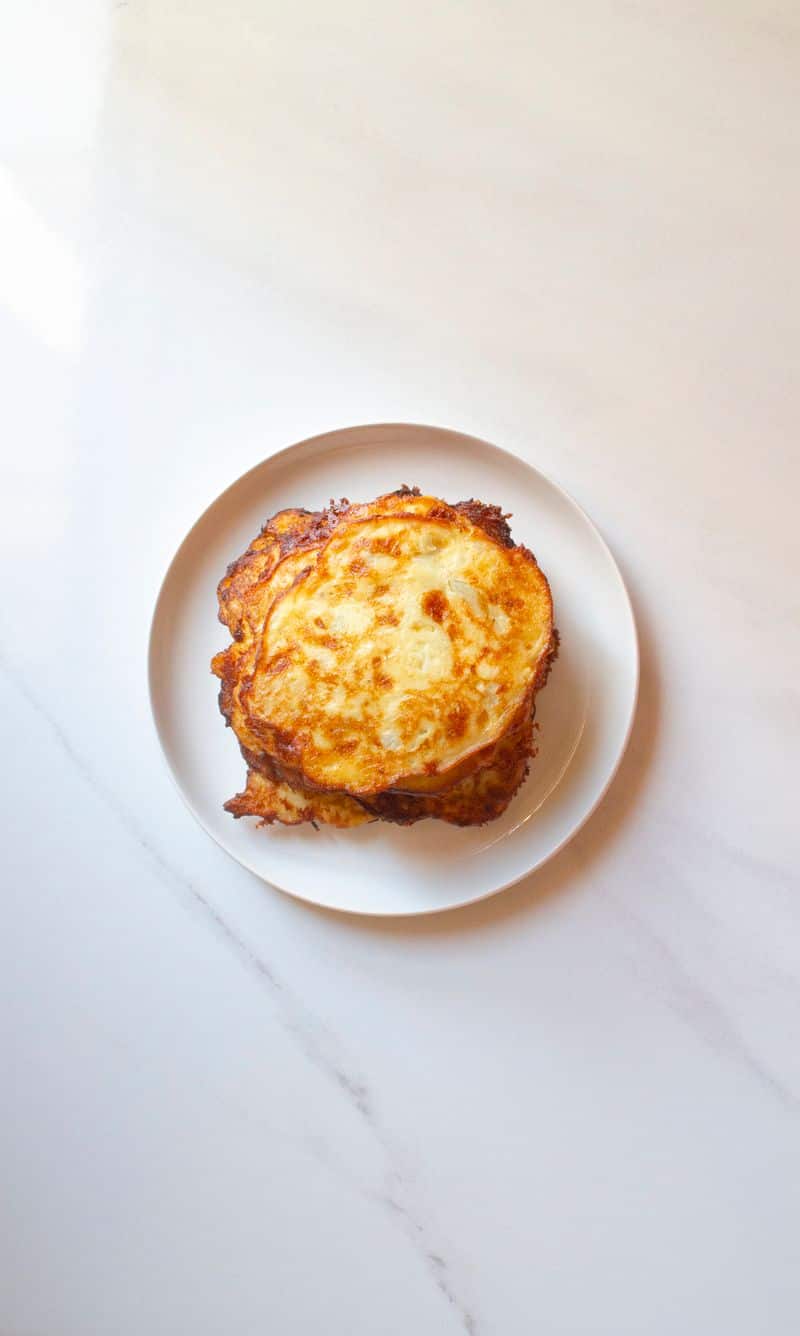
Steps
- 1
Grate the potatoes and onion together into a bowl.
- 2
Let the mixture sit for 5 minutes, then pour off the liquid that separates on top — but keep the white starch that settles at the bottom of the bowl.
- 3
Mix that reserved starch back into the grated potato, along with salt and flour.
- 4
Heat oil in a nonstick pan over medium heat.
- 5
Spread the mixture into a thin, even layer in the pan.
- 6
Cook undisturbed until deeply golden on the bottom, 5-6 minutes, then flip carefully.
- 7
Cook the second side until golden and crisp, another 4-5 minutes.
- 8
Slice into wedges and serve hot.
Did you know — Korean culture
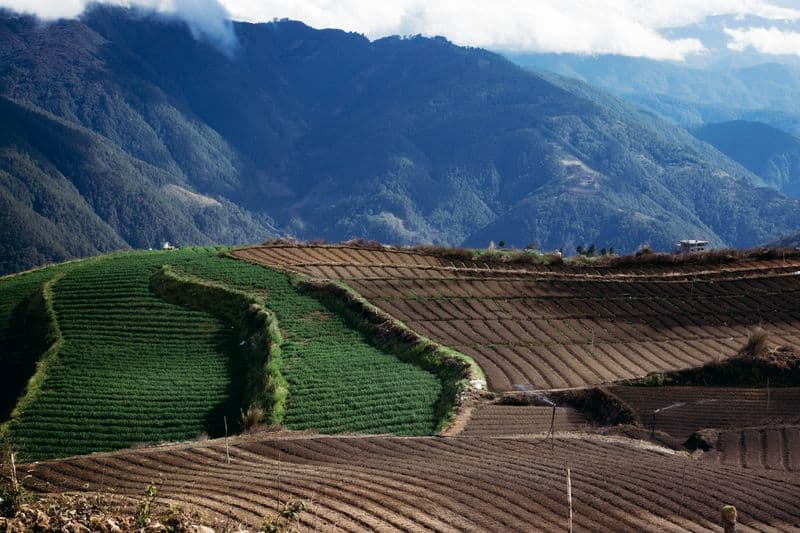
Gamja jeon is especially tied to Korea's mountainous Gangwon province, where the cooler climate favors potatoes over rice — a regional specialty shaped less by culinary invention than by which crop actually grows well in the local terrain.
Pouring off the liquid but keeping the starch at the bottom of the bowl is the step most people skip, and it's the one that matters most. That settled starch is what naturally binds the pancake together, so mixing it back in means less added flour is needed — and less flour means a pancake that tastes like potato, not batter, with a crisper edge once it hits the hot pan.
Letting the pancake cook undisturbed on the first side, rather than checking or flipping early, is what builds the deep golden crust. Moving it too soon breaks up the surface before a solid crust has formed, which is when pancakes tend to fall apart on the flip.
Gamja jeon is especially associated with Korea's Gangwon province, where potatoes have historically grown better than rice in the region's cooler mountain climate — a practical, ingredient-driven dish that became a defining regional specialty rather than a dish invented for its own sake.
Potato pancakes and haemul pajeon are both makgeolli food, and both live or die on the same thing: enough oil and a pan that is properly hot before the batter goes in.
Troubleshooting
Pancake falling apart when flipped? It was likely flipped too early — wait for a solid golden crust to form on the first side before attempting the flip.
Pancake tastes watery or bland? The starchy liquid was probably poured off entirely instead of keeping the settled starch — that starch is doing real binding and flavor work.
Edges soggy instead of crisp? The pan probably wasn't hot enough, or too much liquid was left in the mixture — drain it well before it goes in the pan.
Recommended products
- Box grater
- Nonstick pan
More to cook
All Street Food & Snacks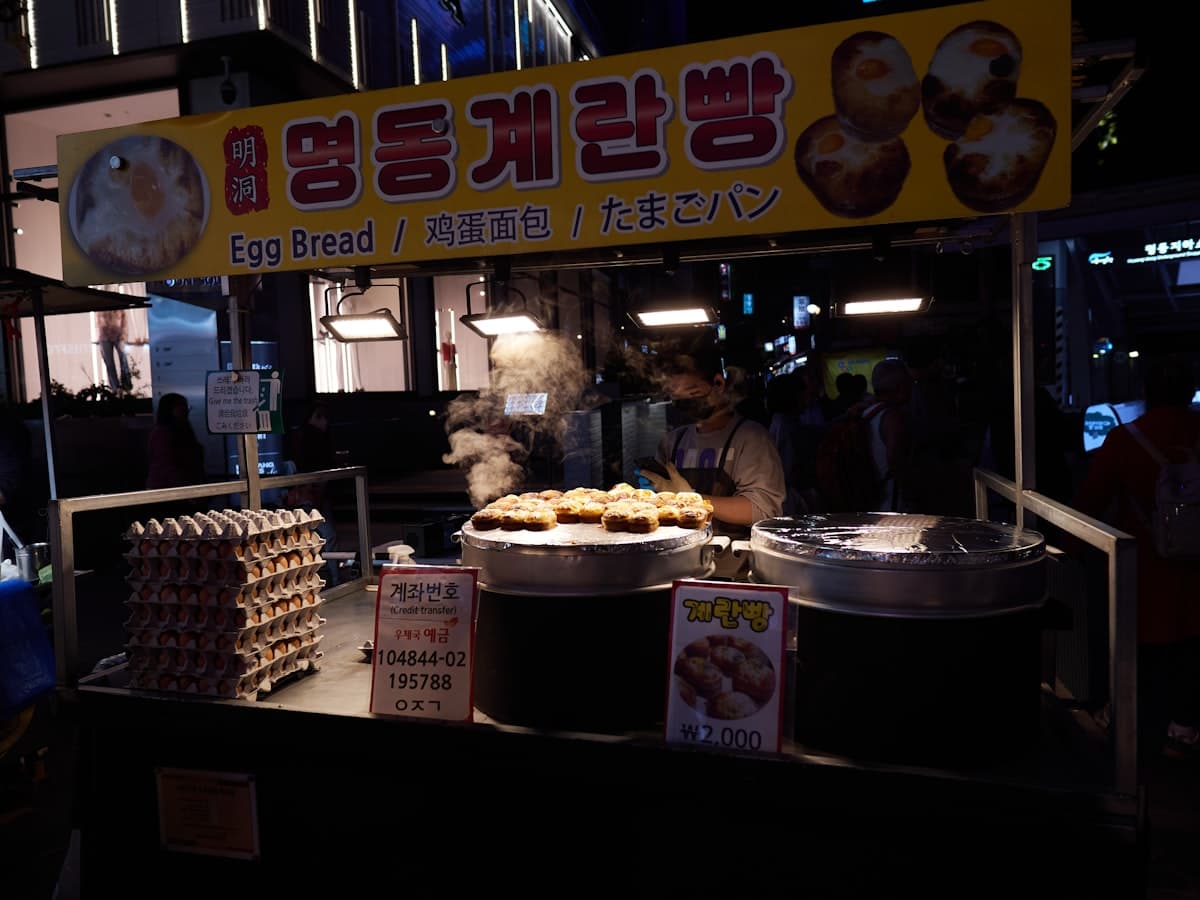
Gyeranppang (Egg Bread)
The batter-then-egg layering technique behind gyeranppang, and why timing the egg drop is the one step that can't be rushed.
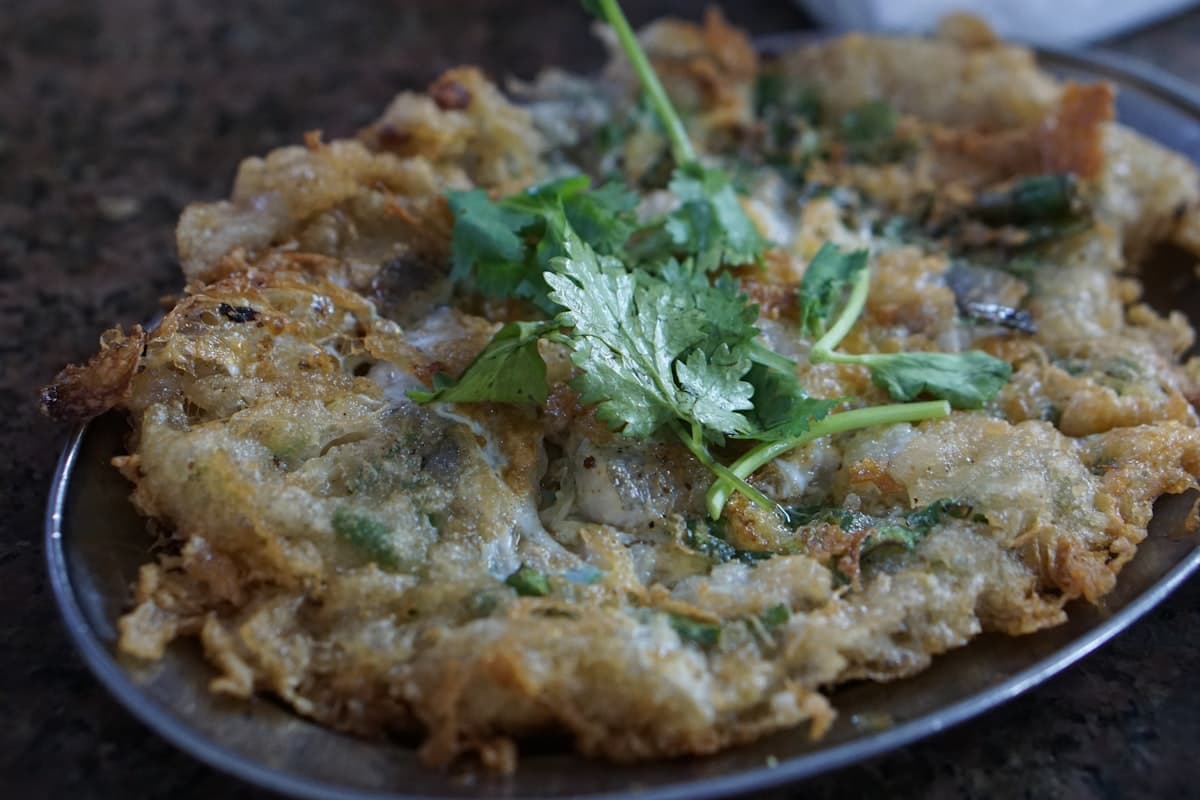
Haemul Pajeon (Seafood Scallion Pancake)
The batter ratio and high-heat frying technique behind a properly crisp haemul pajeon, not a soft, doughy one.
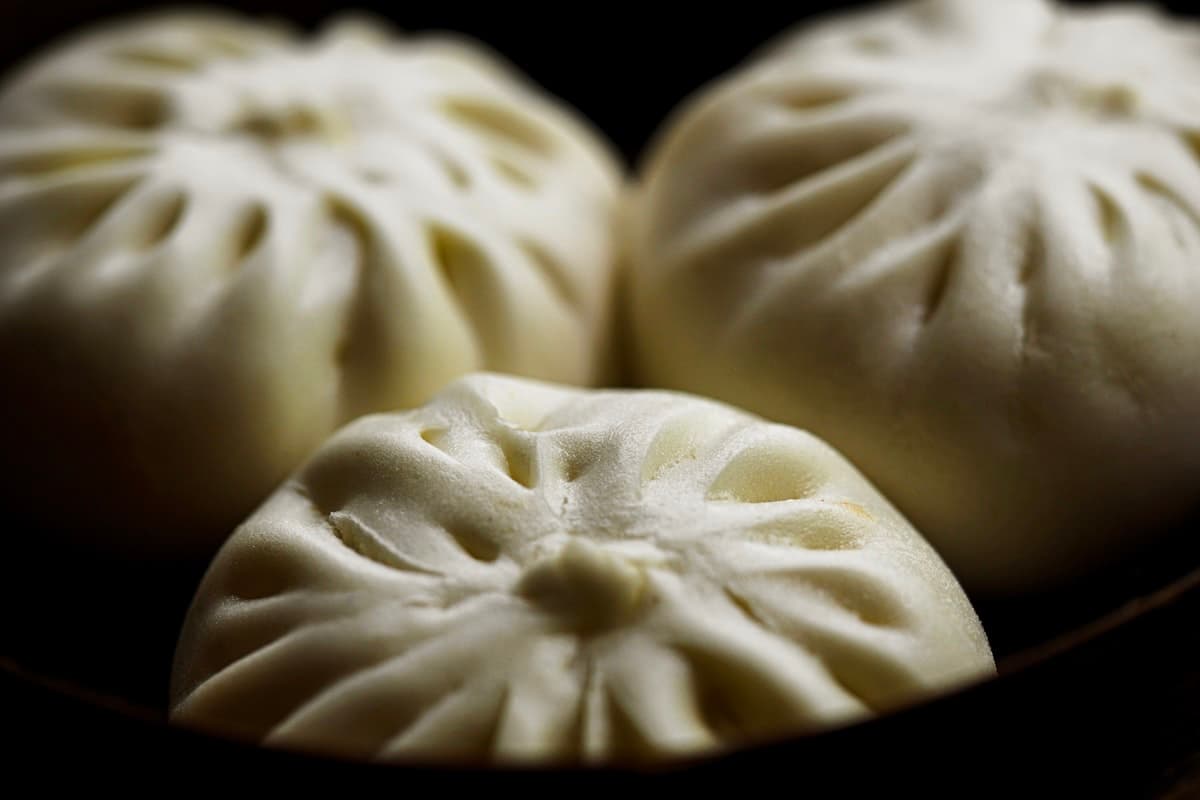
Hoppang (Steamed Stuffed Bun)
The proof-and-steam technique behind hoppang's soft, pillowy wrapper, and why steaming heat matters more than steaming time.