Steps
- 1
Salt the chopped cabbage and let it sit 10 minutes, then squeeze out as much liquid as possible.
- 2
Combine the pork, drained cabbage, chives, sprouts, tofu, soy sauce, sesame oil, garlic, ginger, salt, and pepper in a bowl and mix well.
- 3
Place a spoonful of filling in the center of each wrapper.
- 4
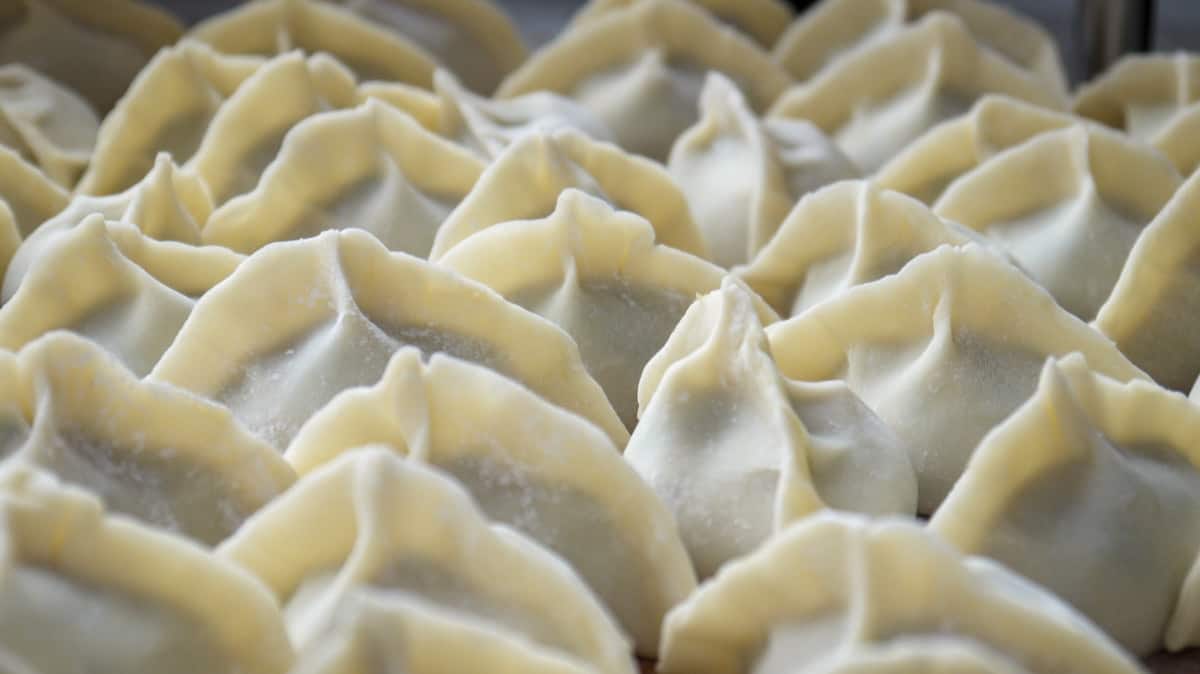
Wet the edges with water and fold into a half-moon, pressing firmly to seal completely — pleating the edge helps it hold.
- 5
Heat oil in a pan over medium heat and arrange the dumplings flat-side down.
- 6
Fry until the bottoms are golden, about 3 minutes.
- 7
Add a splash of water to the pan and cover, letting the dumplings steam through for 5-6 minutes.
- 8
Uncover and let any remaining water evaporate so the bottoms crisp back up before serving.
Did you know — Korean culture
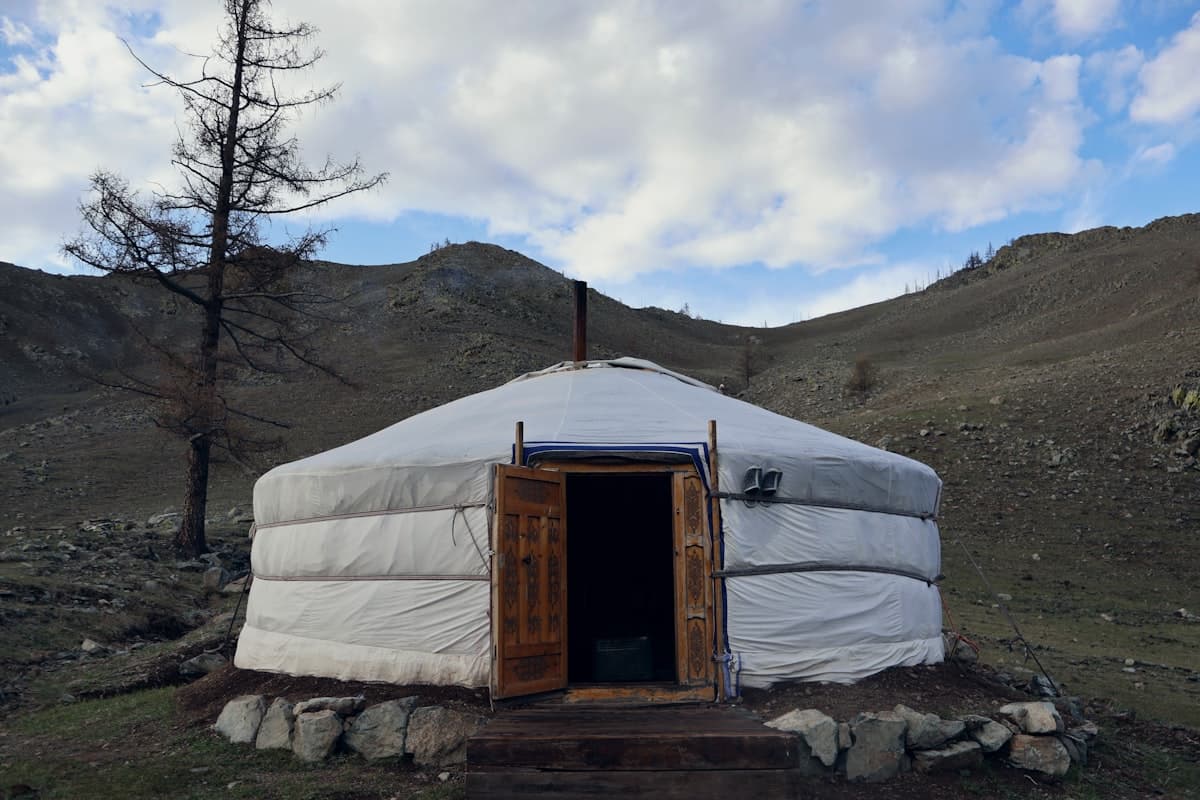
Mandu didn't originate in Korea — it arrived with the Mongols. During the Yuan dynasty's occupation of Goryeo-era Korea in the 13th and 14th centuries, Mongol forces introduced dumpling-making techniques that spread from Central Asia across their empire. Korean cooks adapted the dough and fillings to local ingredients, and mandu became such a fixture that it's now a standard part of the Lunar New Year table, often simmered right into tteokguk.
Squeezing the salted cabbage dry isn't a step to rush past — filling with too much moisture in it turns the whole dumpling soggy from the inside and can even blow out the seal during cooking. Get it as dry as you can before it goes into the bowl with everything else.
The sealing matters more than the folding pattern looks like it should. A gap in the seam means filling and steam escape mid-cook, so pressing the edges firmly — pleating helps but isn't strictly required — is the difference between a dumpling that holds together and one that falls apart in the pan.
Mandu isn't originally Korean. It arrived with the Mongols during the Yuan dynasty's occupation of Goryeo-era Korea in the 13th and 14th centuries, when dumpling-making techniques spread from Central Asia across the Mongol empire. Korean cooks adapted the dough and fillings to local ingredients over the following centuries, and mandu became enough of a fixture that it's now standard on the Lunar New Year table, often simmered directly into tteokguk.
Troubleshooting
Dumplings bursting open while frying? The seal wasn't tight enough. Press firmly along the entire edge, and check for any spots where the wrapper didn't fully stick.
Bottoms soggy instead of crisp? Too much liquid in the filling, most likely from cabbage that wasn't squeezed dry enough beforehand.
Filling still raw inside after frying? The steaming step is what finishes cooking the interior — don't skip the covered water step, and give it the full 5-6 minutes.
Recommended products
- Round dumpling wrappers
- Non-stick pan with lid
More to cook
All Street Food & Snacks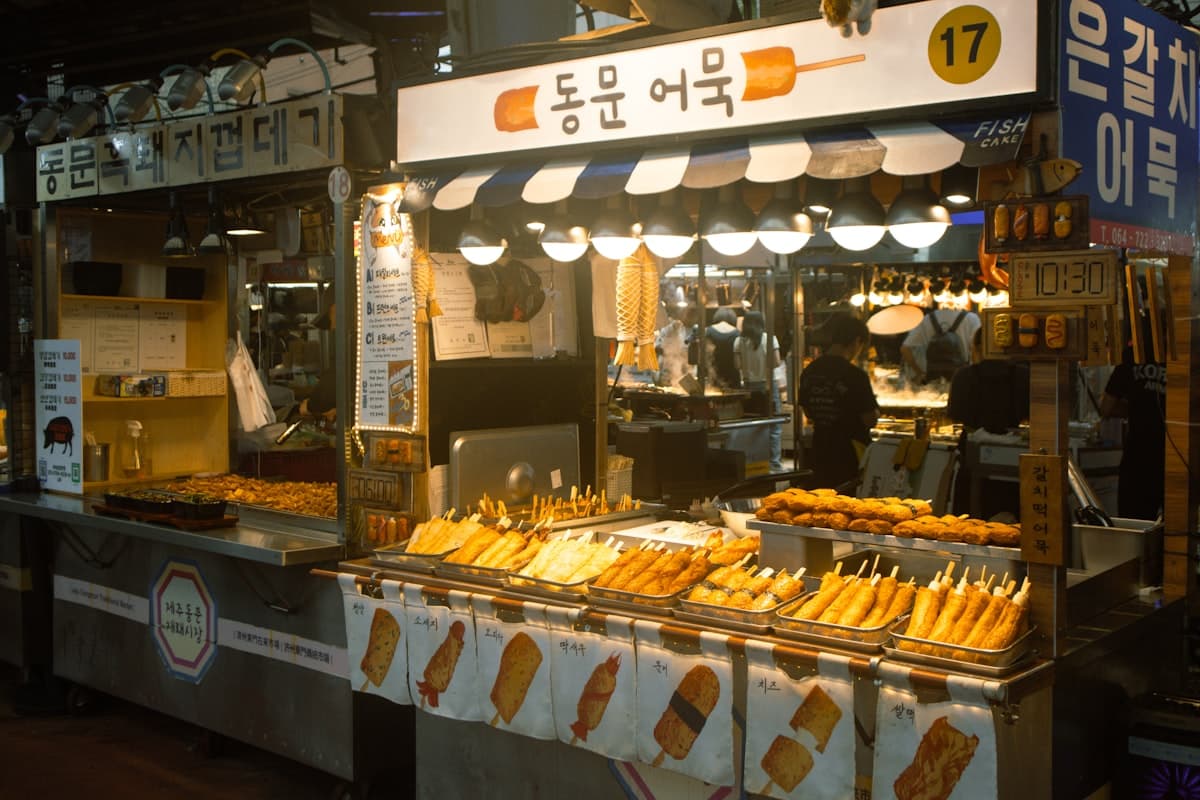
Odeng/Eomuk (Fish Cake Skewers)
The skewer-and-simmer technique behind street-cart odeng, and the anchovy-radish broth that makes the difference.
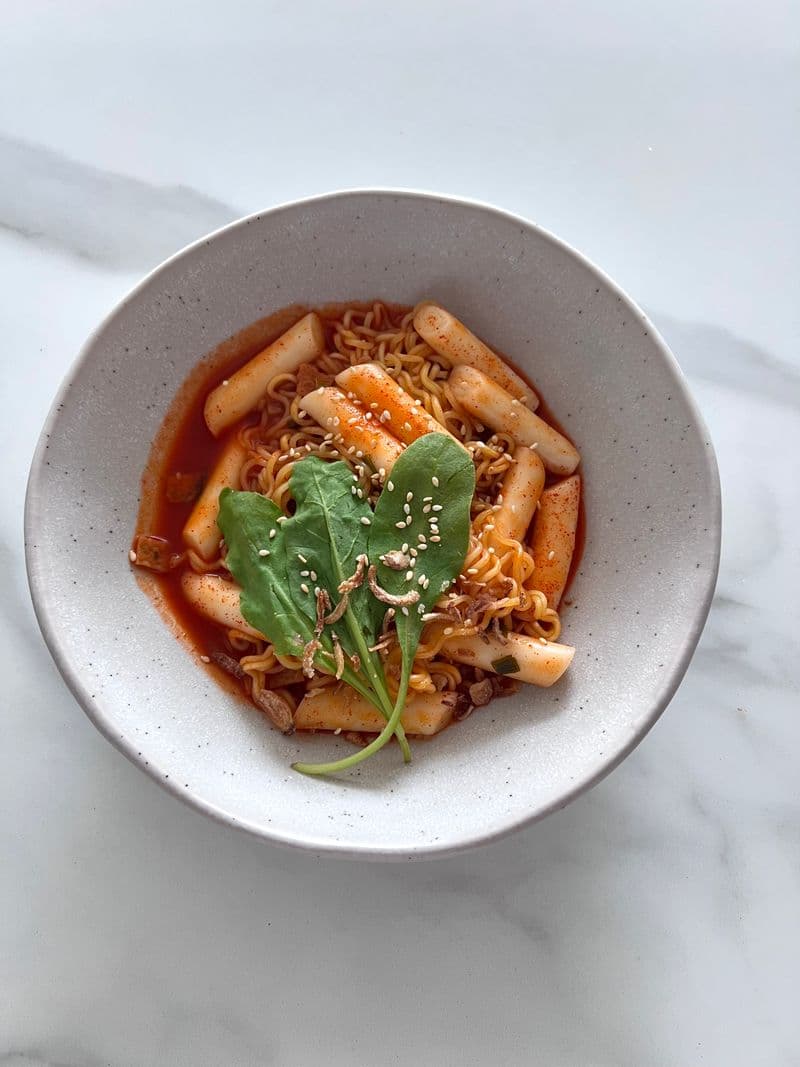
Rabokki (Ramyeon-Tteokbokki Fusion)
Why the noodles go in last, and only for a couple of minutes, so they don't turn bloated and mushy in the same sauce as the rice cakes.
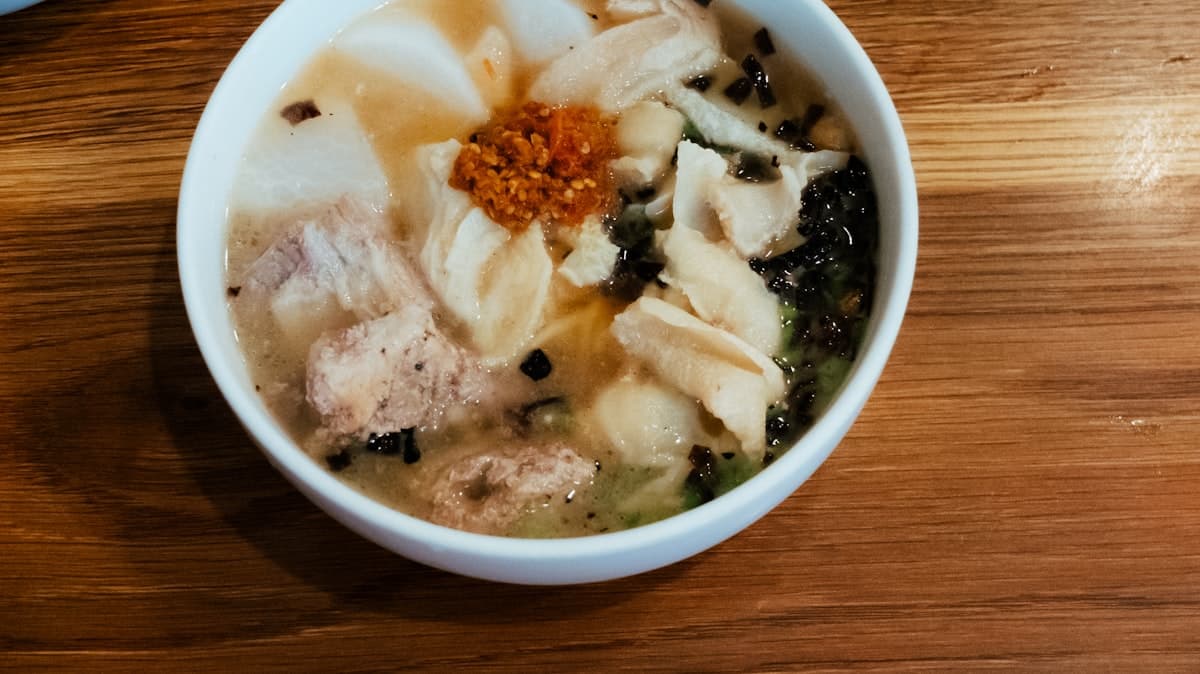
Sundae (Korean Blood Sausage)
The rice-and-glass-noodle stuffing technique behind sundae, and the low, gentle simmer that keeps the casing from splitting.