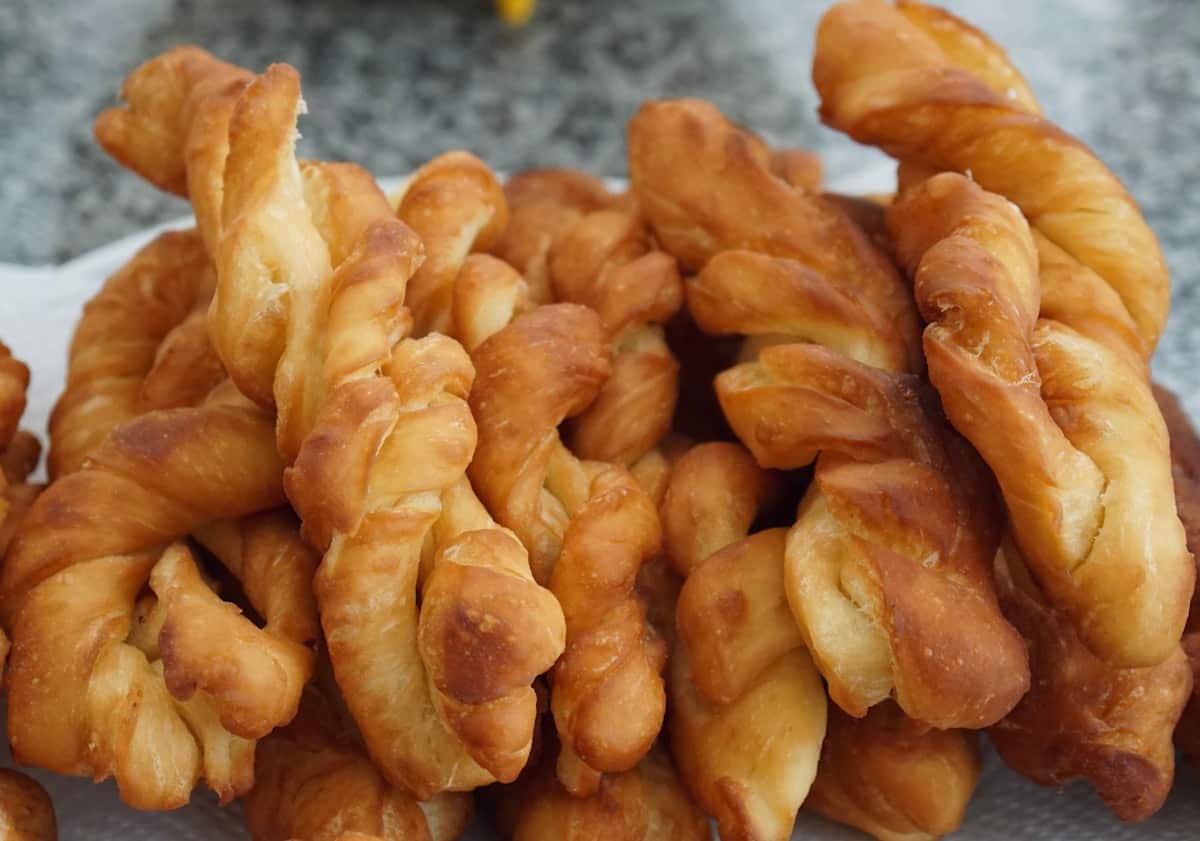
Steps
- 1
Whisk together flour, yeast, sugar, and salt.
- 2
Add the egg, warm milk, and melted butter, mixing into a soft dough.
- 3
Knead until smooth and elastic, about 8-10 minutes.
- 4
Cover and let rise in a warm spot until doubled, about 1 hour.
- 5
Divide the dough into 8 pieces and roll each into a long rope.
- 6
Twist each rope tightly, then fold and let it twist onto itself.
- 7
Let the twisted pieces rest 15-20 minutes.
- 8
Heat oil to 325-340°F (165-170°C) and fry until deeply golden, turning occasionally, 3-4 minutes.
- 9
Drain briefly, then toss in sugar (mixed with cinnamon if using) while still warm.
Did you know — Korean culture
Kkwabaegi gets its signature shape from twisting a rope of dough by hand before frying — the twist isn't decorative, it actually increases the surface area that hits the hot oil, which is why a properly twisted piece fries up crisper on the outside while staying soft inside than a plain round donut of the same dough would.
Letting the dough rest and rise properly before shaping is what gives kkwabaegi its light, airy interior. Rushing this step leaves a dense, tough donut no amount of frying technique can fix.
The twist itself matters more than it looks — it's not just for shape. Twisting the rope of dough increases the surface area that actually contacts the hot oil, which is why a properly twisted piece fries up crisper on the outside while staying soft inside compared to a plain round donut of the same dough.
Kkwabaegi gets its signature shape from that hand-twisting step before frying, a technique that's stayed essentially unchanged at Korean street stalls for generations — the twist isn't decorative, it's functional, and it's part of what separates kkwabaegi from a generic fried dough ball.
Troubleshooting
Donuts turning out dense instead of light? The dough likely didn't rise long enough — give it the full hour, or longer in a cooler kitchen, until it's genuinely doubled.
Twist unraveling during frying? Let the shaped dough rest before it hits the oil — this relaxes the gluten and helps the twist hold its shape.
Donuts browning too fast on the outside, raw inside? The oil is too hot — drop the temperature slightly and give them a bit more time to cook through evenly.
Recommended products
- Deep-fry thermometer
- Stand mixer
More to cook
All Street Food & Snacks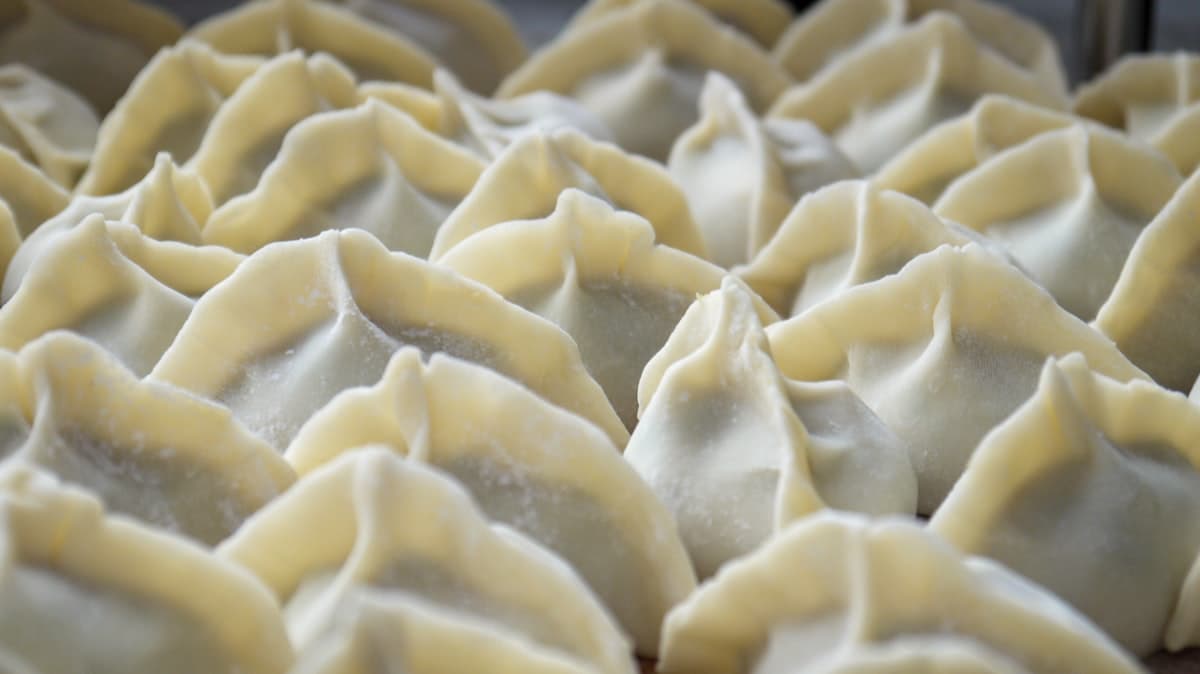
Mandu (Korean Dumplings)
The wrapper-sealing technique and pan-fry-then-steam method behind mandu that stays crisp on the bottom and juicy inside.
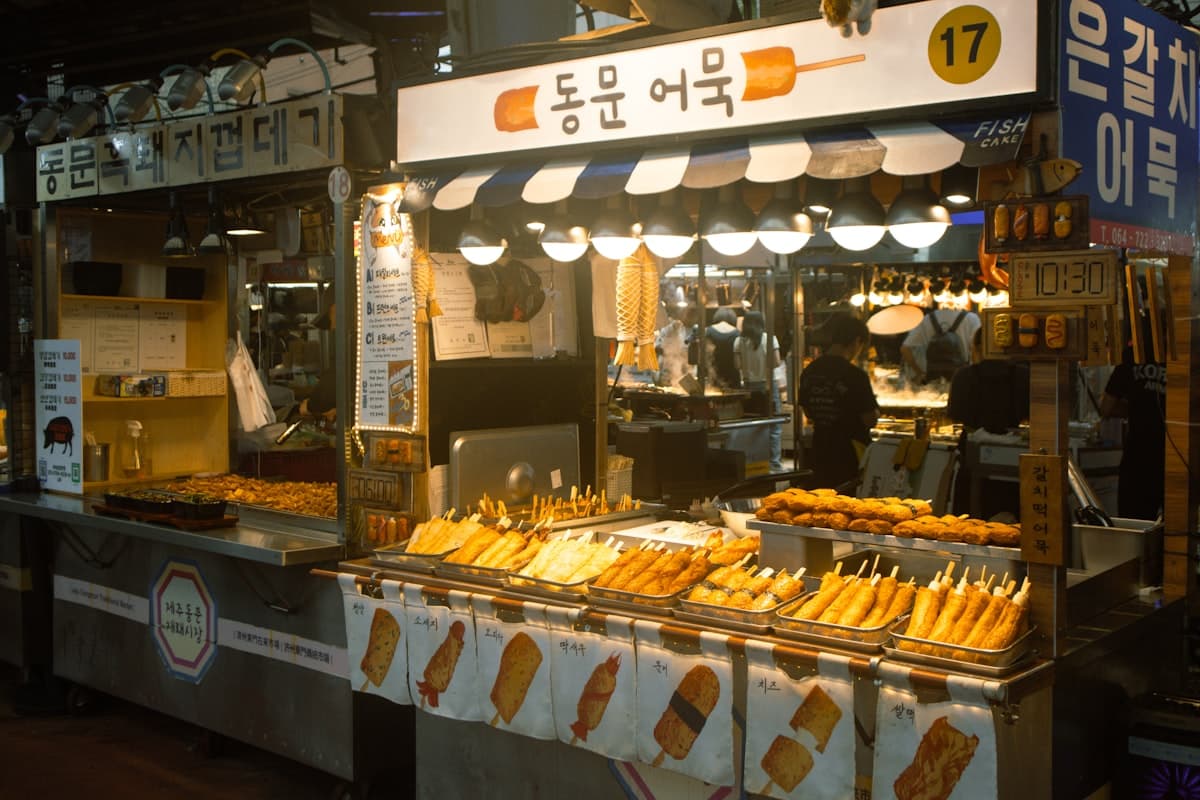
Odeng/Eomuk (Fish Cake Skewers)
The skewer-and-simmer technique behind street-cart odeng, and the anchovy-radish broth that makes the difference.
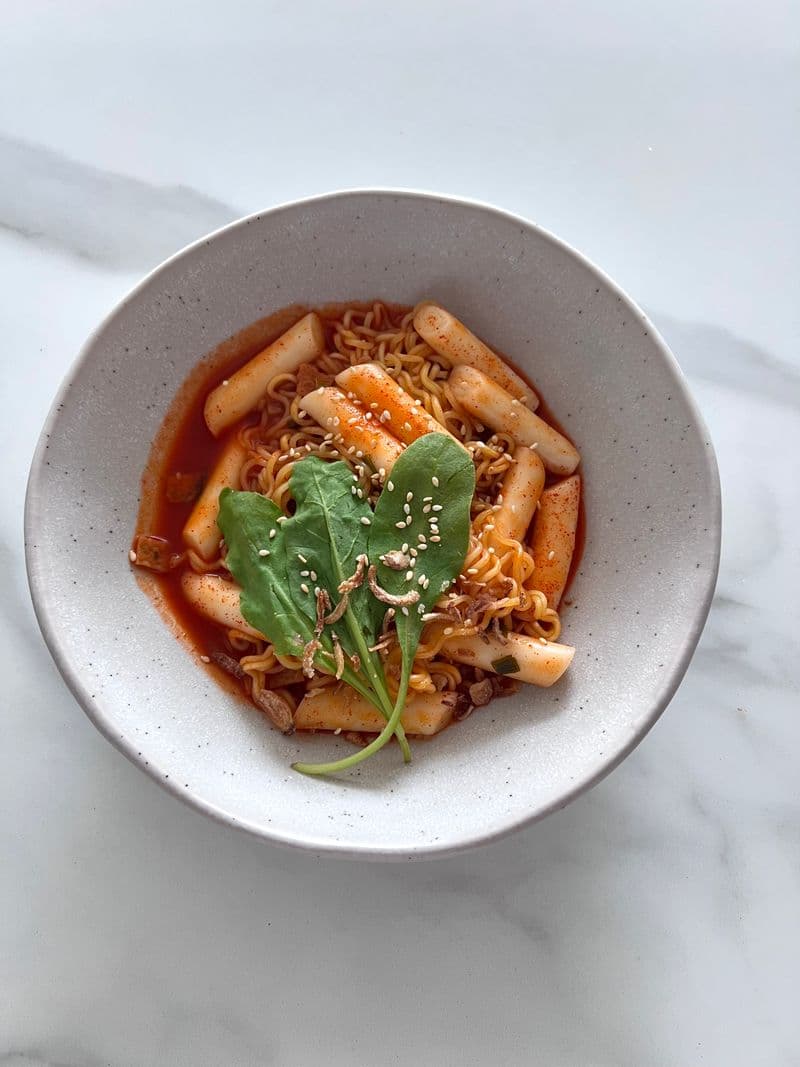
Rabokki (Ramyeon-Tteokbokki Fusion)
Why the noodles go in last, and only for a couple of minutes, so they don't turn bloated and mushy in the same sauce as the rice cakes.