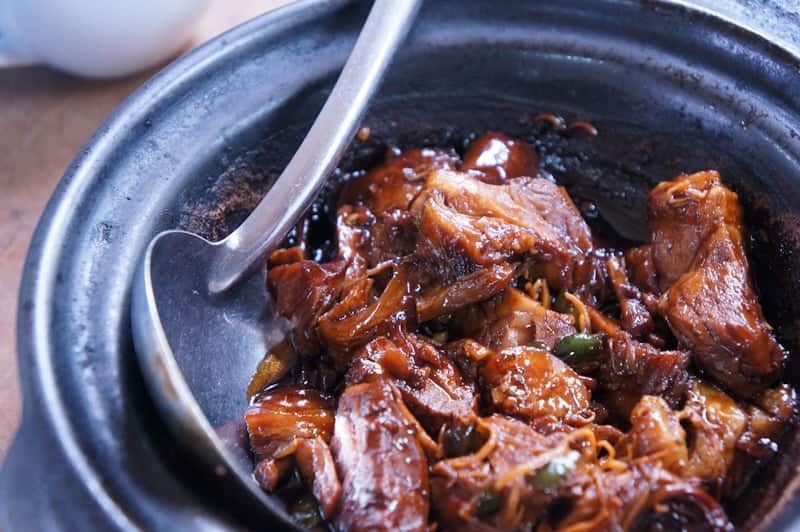
Steps
- 1
Soak the short ribs in cold water for 1 hour, changing the water once, to draw out excess blood.
- 2
Blanch the ribs in boiling water for 5 minutes, then rinse and drain.
- 3
Blend the pear, onion, garlic, and ginger into a smooth marinade base.
- 4
Combine the blended base with soy sauce, brown sugar, and sesame oil.
- 5
Add the ribs to the marinade and let sit at least 1 hour, or overnight in the fridge.
- 6
Transfer the ribs and marinade to a pot, add enough water to just cover, and bring to a boil.
- 7
Reduce to a simmer, cover, and cook 1 hour, skimming off any foam.
- 8
Add the carrots and daikon and simmer uncovered another 30 minutes, until the meat is fork-tender and the sauce has thickened and turned glossy.
- 9
Stir in the green onions during the last few minutes.
- 10
Sprinkle with sesame seeds before serving.
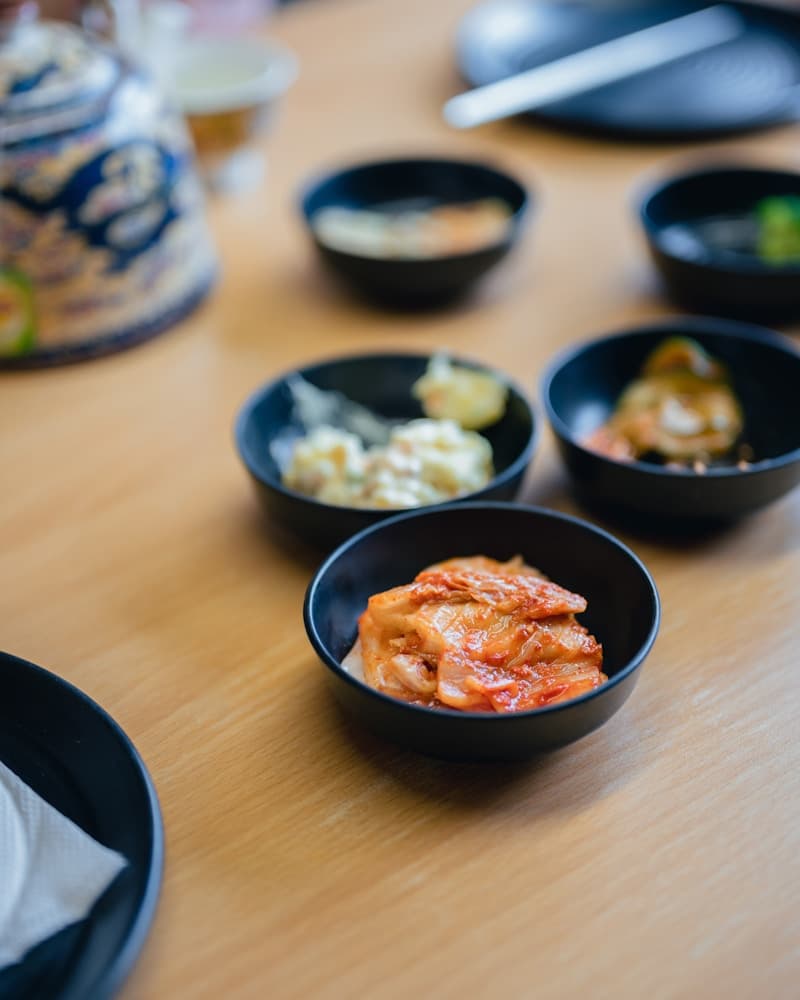
Did you know — Korean culture
Kalbi jjim's status as a holiday-table dish isn't just about taste — bone-in short rib was historically a pricier cut, and the long braise takes real time to get right, so the dish naturally settled into being something families make for Seollal or Chuseok rather than a weeknight regular.
The soaking-then-blanching step at the start isn't optional the way it might look. Short ribs carry a fair amount of blood in the bone marrow and connective tissue, and skipping the soak leaves a metallic edge in the finished sauce that no amount of seasoning fully covers up.
The second, uncovered simmer after the vegetables go in is what actually builds the glossy coating on the meat. Braising covered keeps the liquid volume roughly constant; taking the lid off for the last half hour lets the water cook away and the soy-and-pear base concentrate into a sauce that clings to the ribs instead of pooling thin around them.
Kalbi jjim is traditionally a table centerpiece for Korean holidays like Seollal and Chuseok — the long braise and relatively expensive cut of meat make it a dish reserved for occasions rather than a weeknight regular, which is part of why it still carries a celebratory weight in Korean households today.
Troubleshooting
Sauce thin and watery instead of glossy? It needs more time uncovered — the reduction is what thickens it, not added starch or extra sugar.
Meat still tough after an hour? Short ribs vary in size and fat content; give it another 20-30 minutes covered before moving to the uncovered reduction step.
Sauce tastes metallic or overly gamey? The soak-and-blanch step was likely rushed — give the ribs the full hour in cold water before blanching.
Recommended products
- Dutch oven
- Flanken-cut short ribs (butcher guide)
More to cook
All Meat & BBQ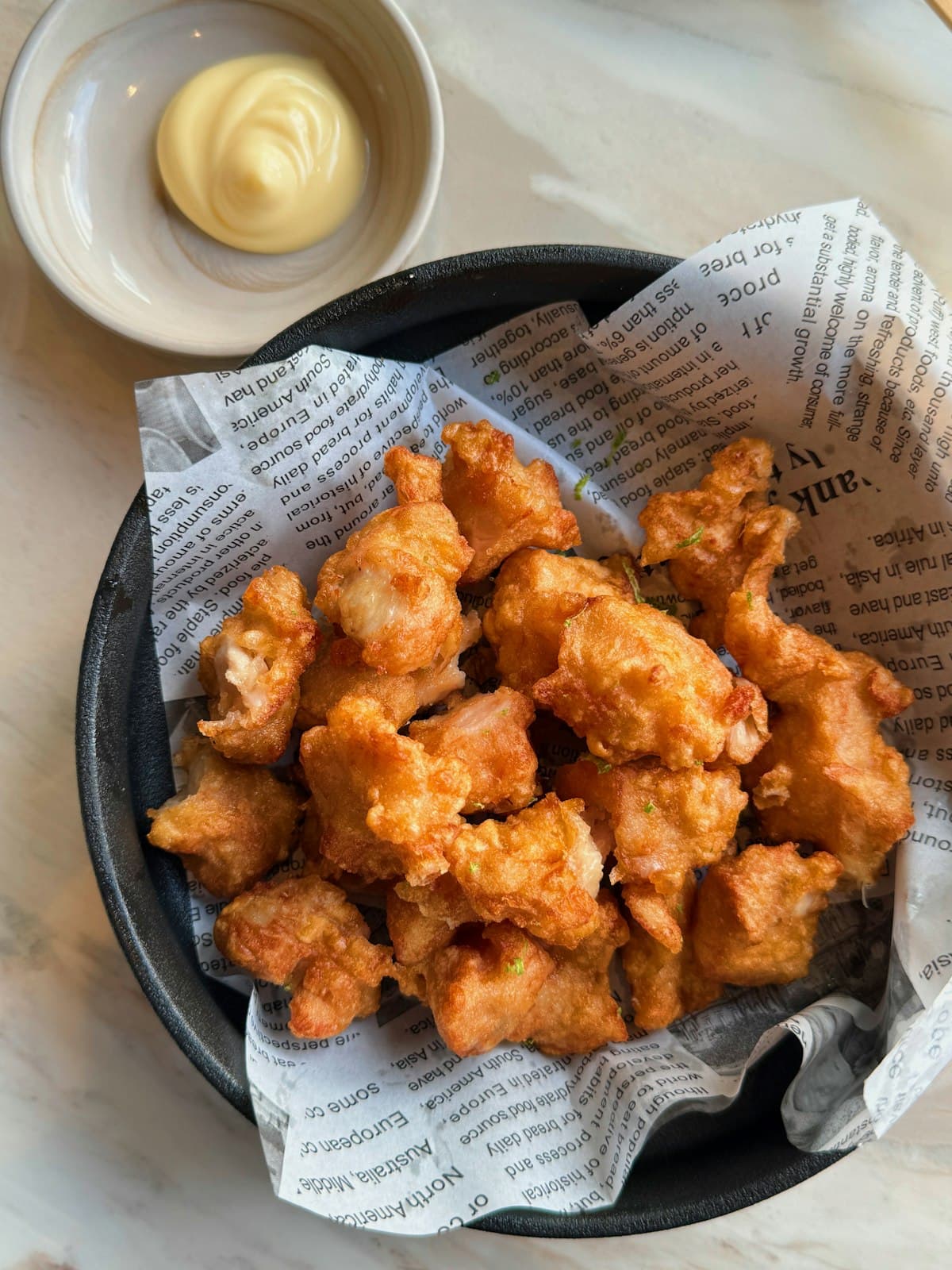
Korean Fried Chicken (Yangnyeom Chicken)
The double-fry technique that makes Korean fried chicken stay crispy under sauce, plus the sweet-spicy yangnyeom glaze most home versions get wrong.
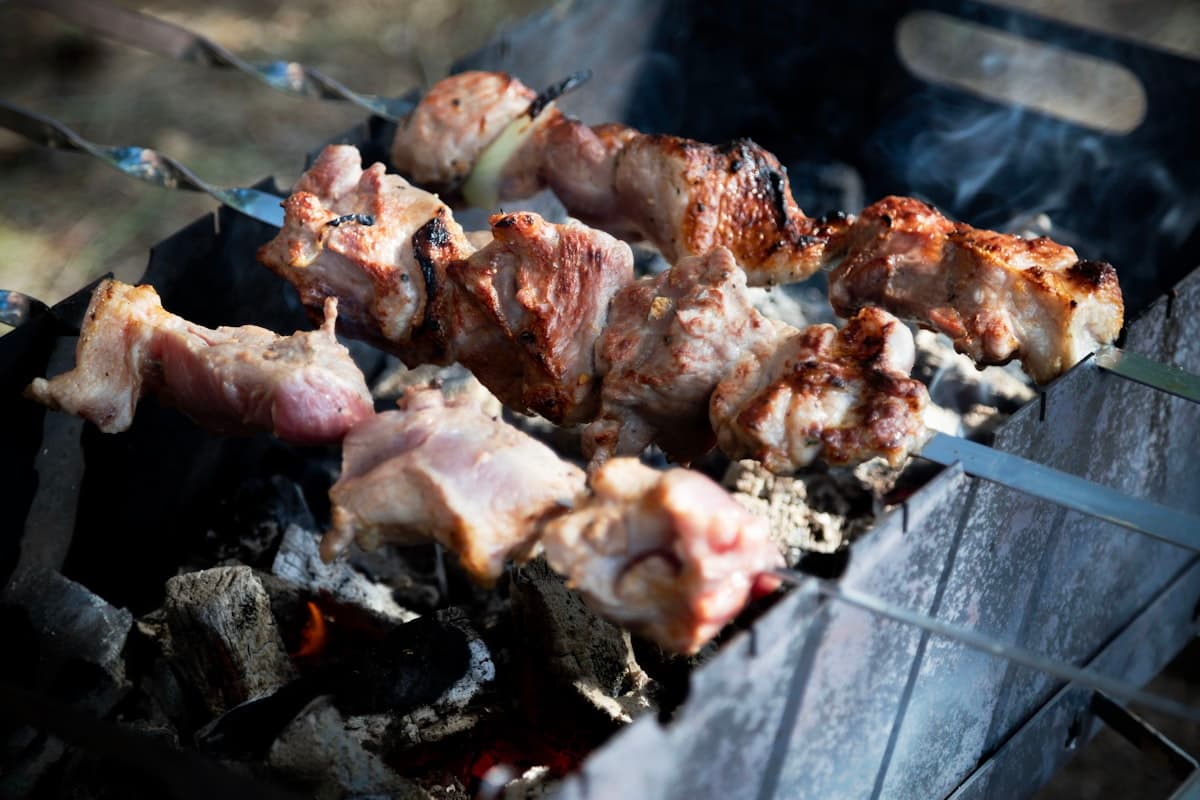
Maekjeok (Skewered Marinated Pork)
The soy-and-garlic marinade behind maekjeok, one of the oldest named dishes in Korean history, and the skewer technique that keeps it from drying out.
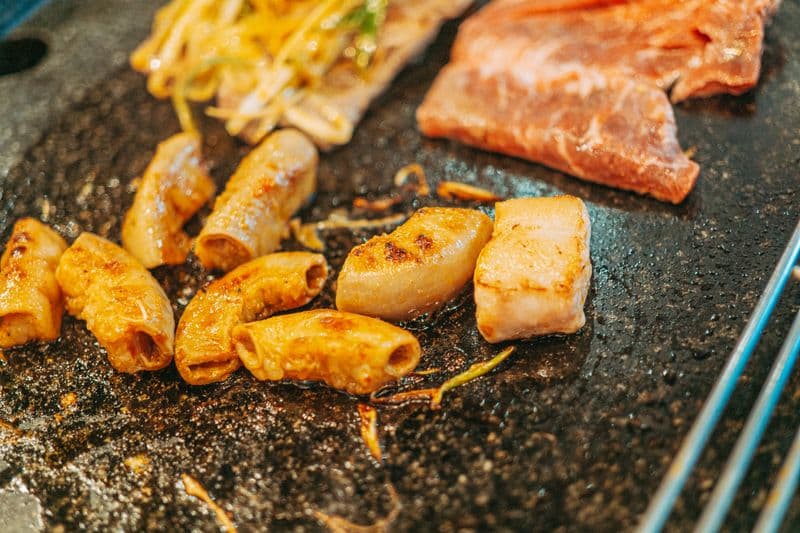
Makchang Gui (Grilled Beef Intestines)
Why makchang needs a thorough clean and a long, slow render on the grill, and how rushing either step leaves it chewy or overly gamey.