Did you know — Korean culture
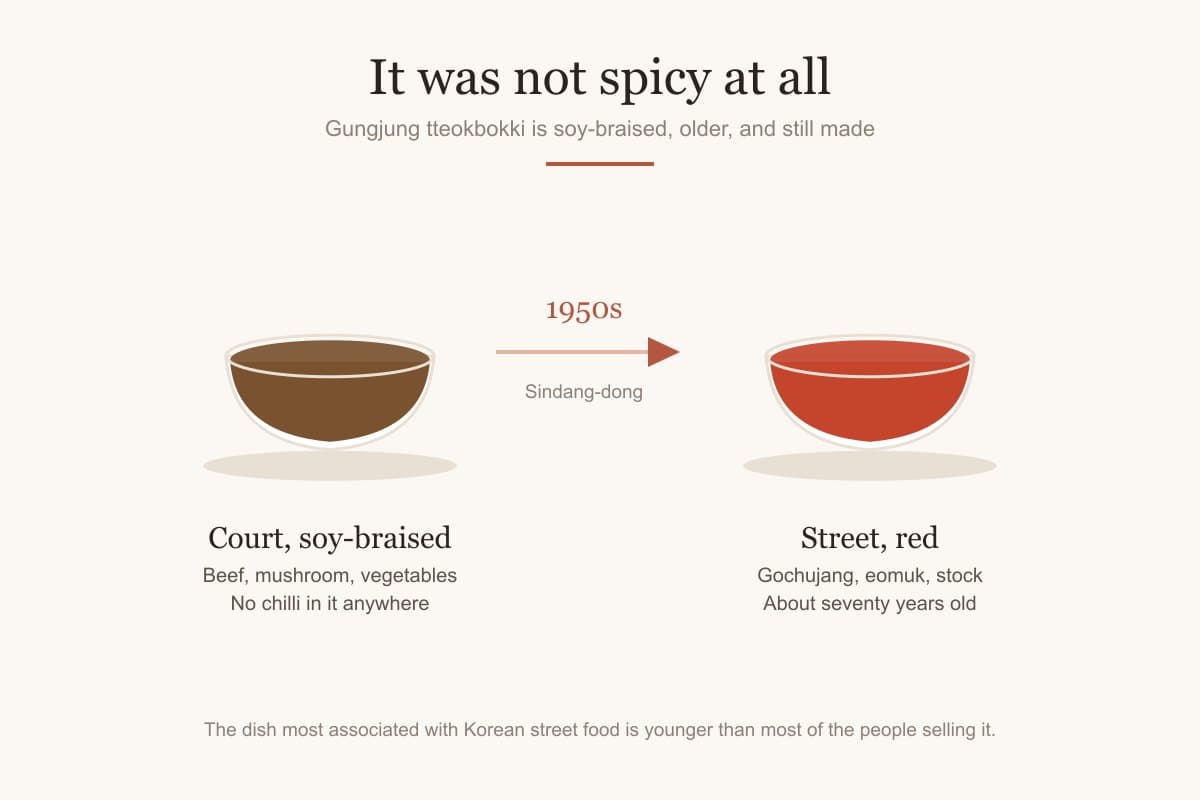
Tteokbokki was a soy-braised court dish before it was street food. Gungjung tteokbokki — rice cakes stir-fried with beef, mushroom and vegetables in soy sauce, with no chilli at all — is the older form and is still made. The red version dates to the 1950s and to one vendor, Ma Bok-rim, who is generally credited with selling it in Sindang-dong after accidentally dropping a rice cake into jjajang sauce. The dish most associated with Korean street food is about seventy years old.
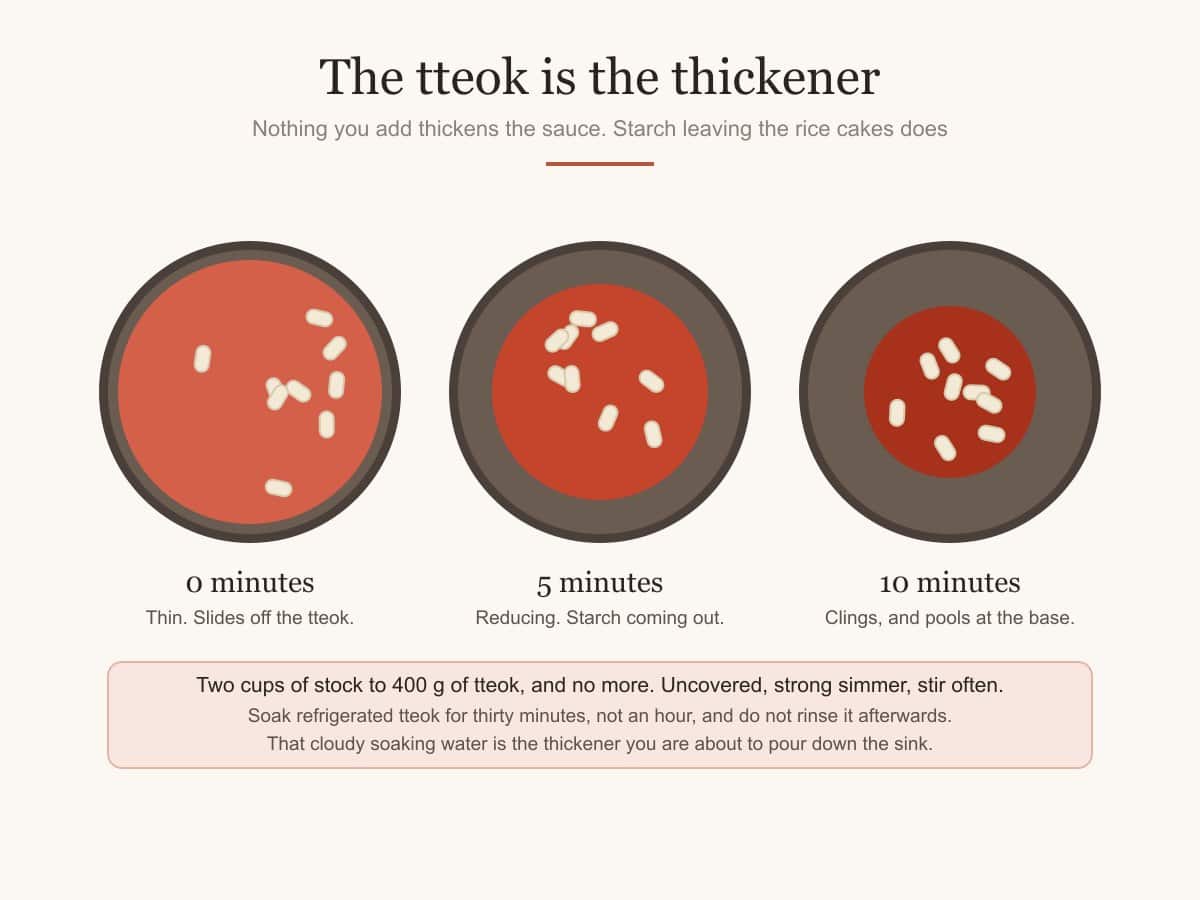
A good tteokbokki sauce clings to the rice cakes and pools thickly at the bottom of the pan. A thin one slides straight off them.
The sauce is thickened by starch coming out of the rice cakes themselves, not by anything you add. Once you know that, all three fixes follow.
Too much liquid for the tteok
The rule of thumb is about 2 cups of stock to 400 g of rice cakes, and no more. Many recipes written for Western kitchens hedge upward and end up with soup.
Start low. You can always add a splash of hot stock; you cannot take it out once the gochujang has gone in.
Use anchovy and kelp stock rather than water. It makes no difference to the thickness and a great deal to the taste.
You rinsed the rice cakes, or soaked them too long
Refrigerated or frozen tteok needs a soak to soften. Thirty minutes in cold water is plenty. An hour or more leaches out the surface starch that was going to thicken your sauce.
Do not rinse soaked tteok before it goes in the pan. That cloudy water is the thickener.
Fresh, soft tteok needs no soak at all — straight into the pan, and the sauce thickens fastest of all.
It did not cook long enough, uncovered
Tteokbokki is a reduction. The sauce thickens because liquid leaves the pan and starch enters it, and both take time.
Cook uncovered at a strong simmer, stirring often, for eight to twelve minutes. A lid traps the steam that is supposed to be leaving.
Stir more than feels necessary. Starch that settles scorches on the base, and a scorched tteokbokki tastes burnt throughout.
Rescuing a pan that is already thin
Fish out the tteok, reduce the sauce hard, then put them back. Boiling rice cakes to death while you wait for the sauce makes them bloated and mushy.
A tablespoon of the sauce whisked with a teaspoon of starch and stirred back in works, and is what a shop would do under pressure. It is not cheating, but it tastes slightly flatter than a proper reduction.
A sheet of eomuk or a handful of ramyeon noodles dropped in also soaks up liquid and is the better fix if you want more food anyway — which is what rabokki is.
Common questions
How much liquid for tteokbokki?
About 2 cups of stock to 400 g of rice cakes. Many recipes hedge higher and produce soup. Start low; you can add a splash of hot stock later but cannot take it out.
Should I soak rice cakes before making tteokbokki?
Refrigerated or frozen tteok, yes — thirty minutes in cold water. Longer leaches out the surface starch that thickens the sauce. Fresh soft tteok needs no soak at all.
Why won't my tteokbokki sauce thicken?
Usually it has not reduced long enough. Cook uncovered at a strong simmer for eight to twelve minutes, stirring often. A lid traps the steam that needs to leave.
Can I thicken tteokbokki with cornstarch?
You can, and shops do under pressure. Whisk a teaspoon into a spoonful of the sauce and stir it back. It tastes slightly flatter than a proper reduction.
More to cook
All Ingredient & Substitute Guides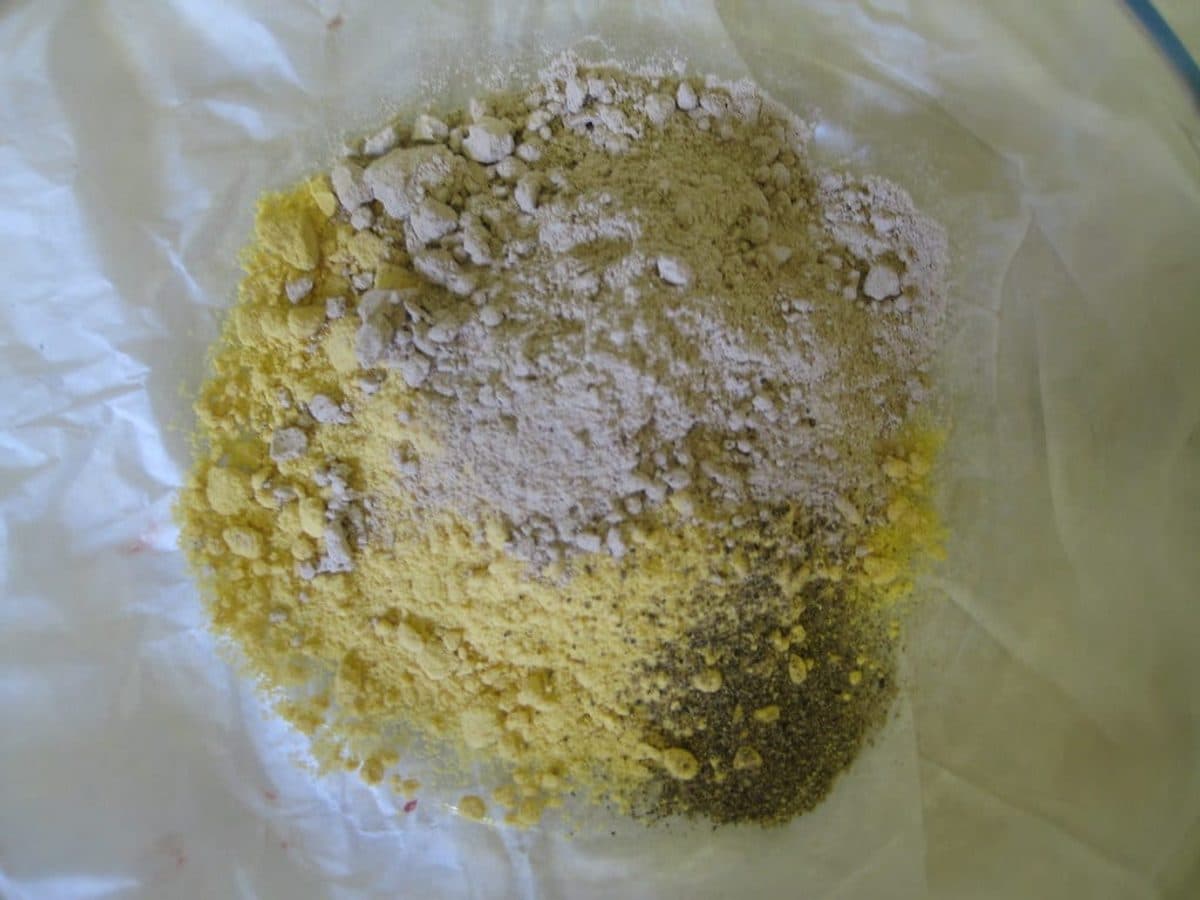
Yeongyeoja (Korean Mustard)
Why Korean mustard powder must be mixed with warm water and rested before use, and why it is nothing like the mustard on a hot dog.
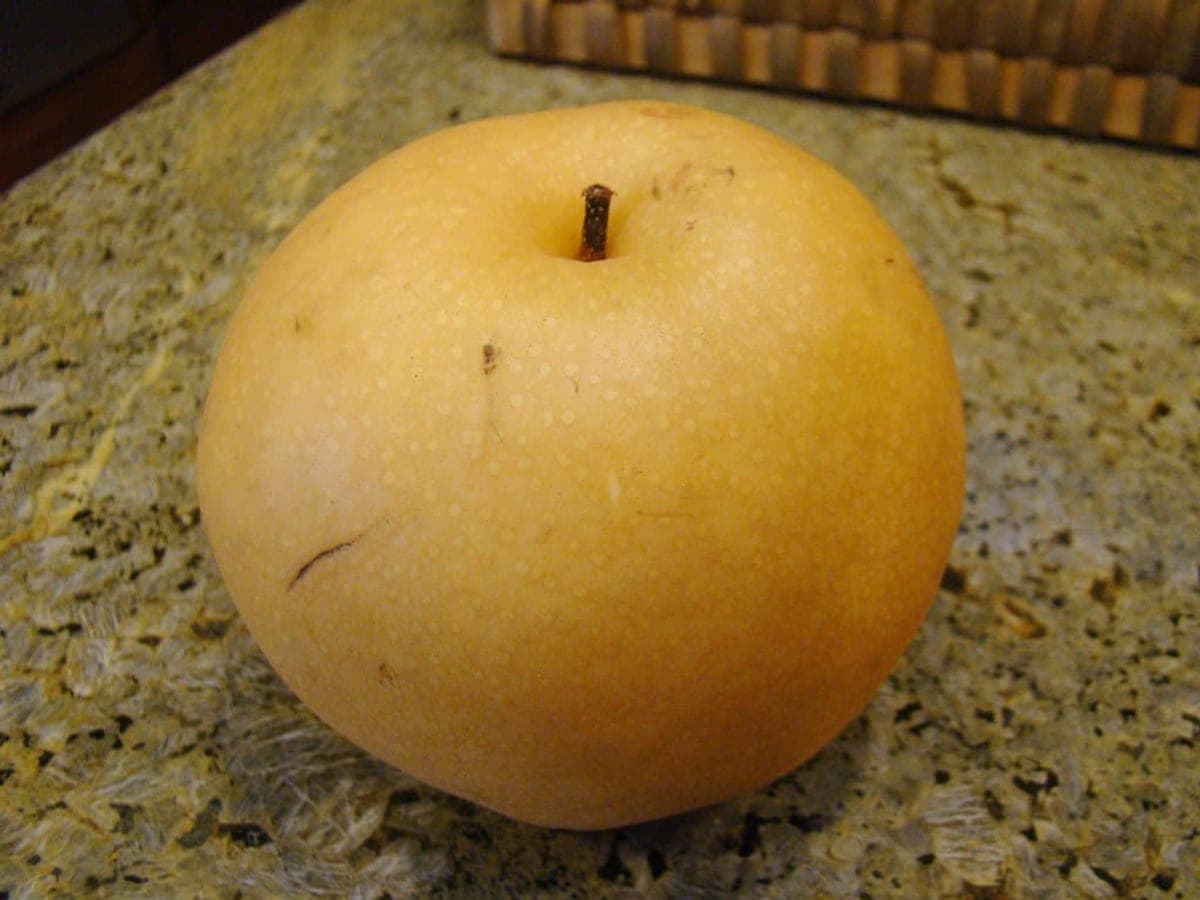
Asian Pear Substitute (For Korean Marinades)
Why Korean marinades use grated Asian pear rather than sugar, and which fruits actually reproduce the tenderising effect when you can't find one.
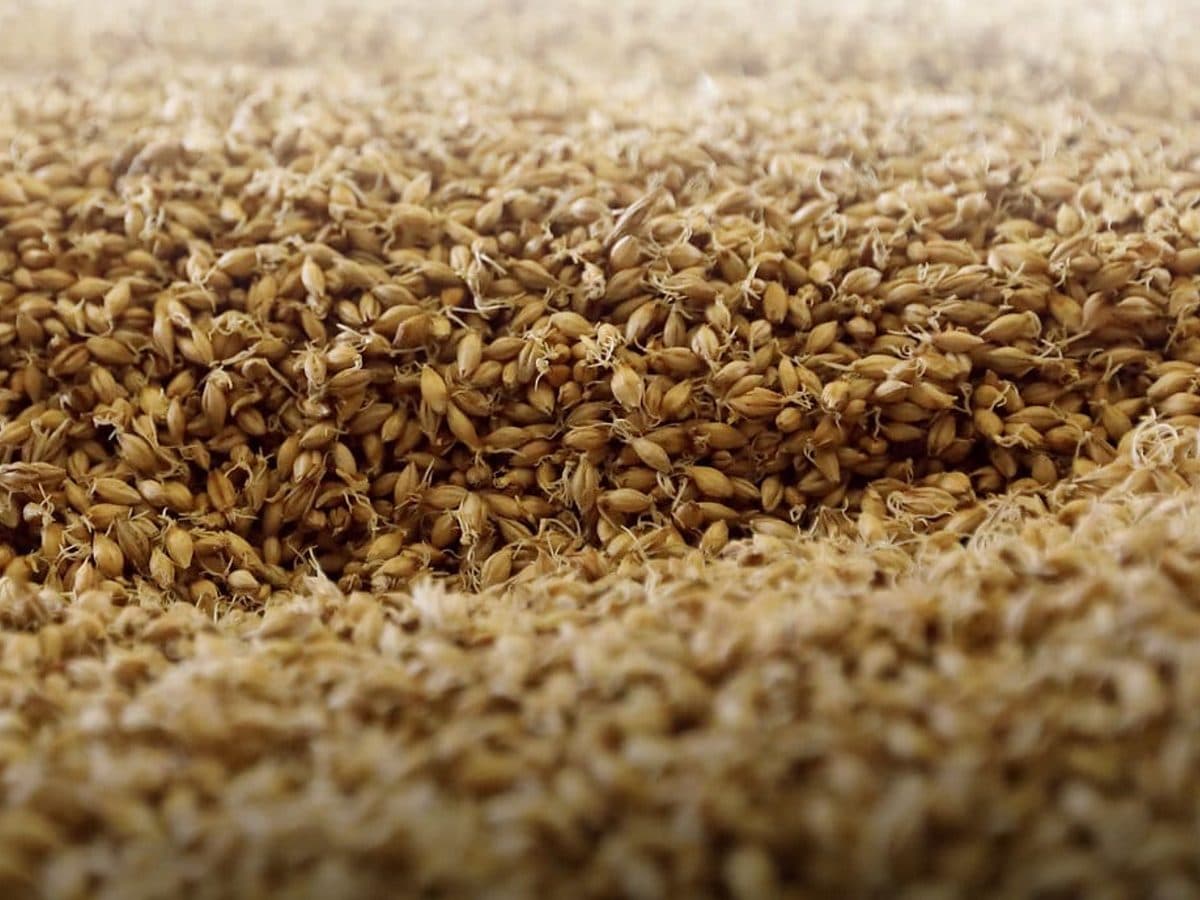
Bori (Barley) in Korean Cooking
Why barley is mixed into Korean rice rather than cooked alone, how much to use, and why it needs a longer soak than the rice it sits with.