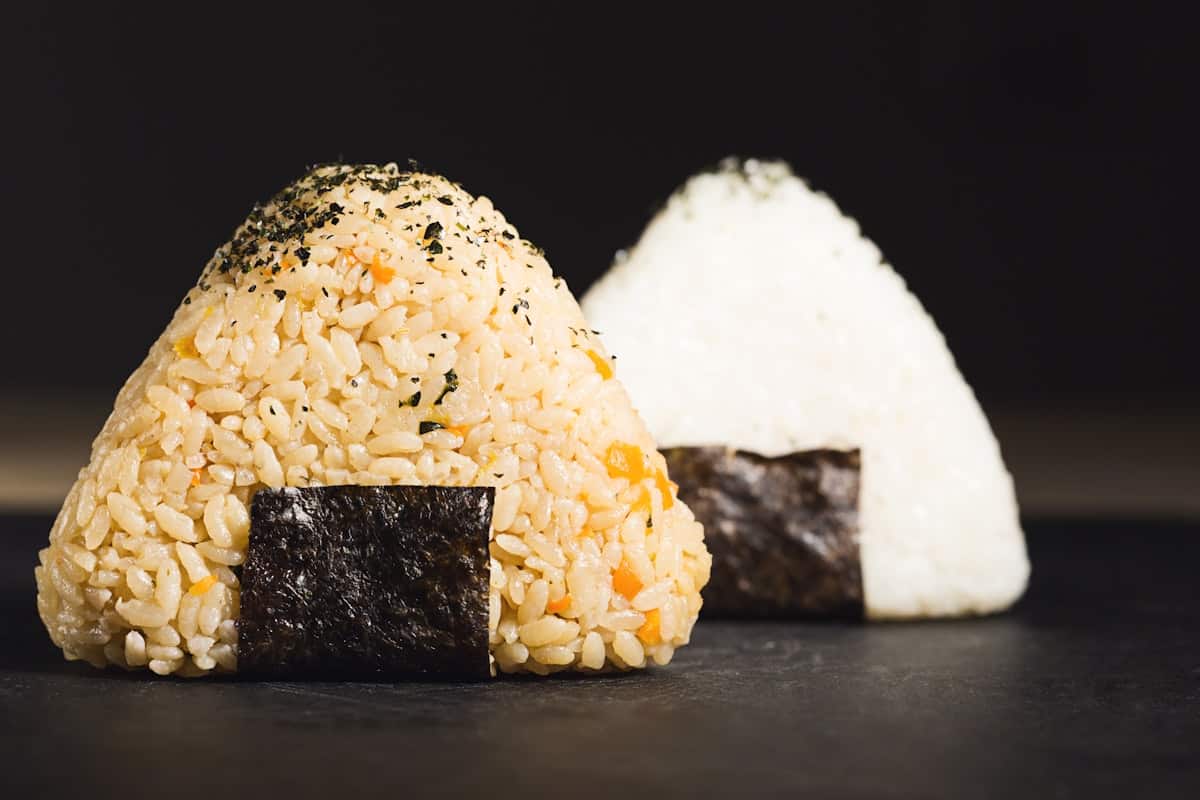
Steps
- 1
Mix the tuna with mayonnaise and soy sauce.
- 2
While the rice is still warm, toss it with sesame oil, sesame seeds, and a pinch of salt.
- 3
Take a portion of rice, flatten it slightly, and add a spoonful of the tuna filling (or kimchi) in the center.
- 4
Wrap the rice around the filling and shape into a ball or triangle, pressing firmly.
- 5
Wrap a strip of seaweed around each rice ball.
- 6
Repeat with the remaining rice and filling.

Did you know — Korean culture
Jumeokbap translates literally to "fist rice" — packed and shaped by hand rather than cut or scooped, which made it exactly the kind of no-utensil, no-mess food that worked for field laborers, hikers, and soldiers alike long before it became a convenience-store staple. The shape is functional first, portable second, and only decorative by accident.
Shaping jumeokbap while the rice is still warm isn't just about comfort — warm rice is naturally stickier and holds its shape far better than rice that's cooled and firmed up, which is why cold leftover rice tends to fall apart no matter how hard you press it.
Pressing firmly while shaping matters more than it seems. A loosely packed rice ball looks fine at first but falls apart the moment it's picked up, while a properly compacted one holds together through being carried, packed, and eaten by hand.
Jumeokbap translates literally to "fist rice" — packed and shaped by hand rather than cut or scooped, which made it exactly the kind of no-utensil, no-mess food that worked for field laborers, hikers, and soldiers alike long before it became a convenience-store staple. The shape is functional first, portable second, and only decorative by accident.
Troubleshooting
Rice balls falling apart? The rice was likely too cool when shaped, or wasn't packed firmly enough — work while it's still warm and press with real intention.
Rice tasting bland? Don't skip the sesame oil and salt in the base seasoning — jumeokbap depends on that layer of flavor since the filling is often just a small pocket inside.
Seaweed going soggy quickly? Wrap it on right before eating rather than far in advance — seaweed pulls moisture from the rice over time and loses its crispness.
Recommended products
- Rice paddle
- Roasted seaweed sheets
More to cook
All Rice & Noodles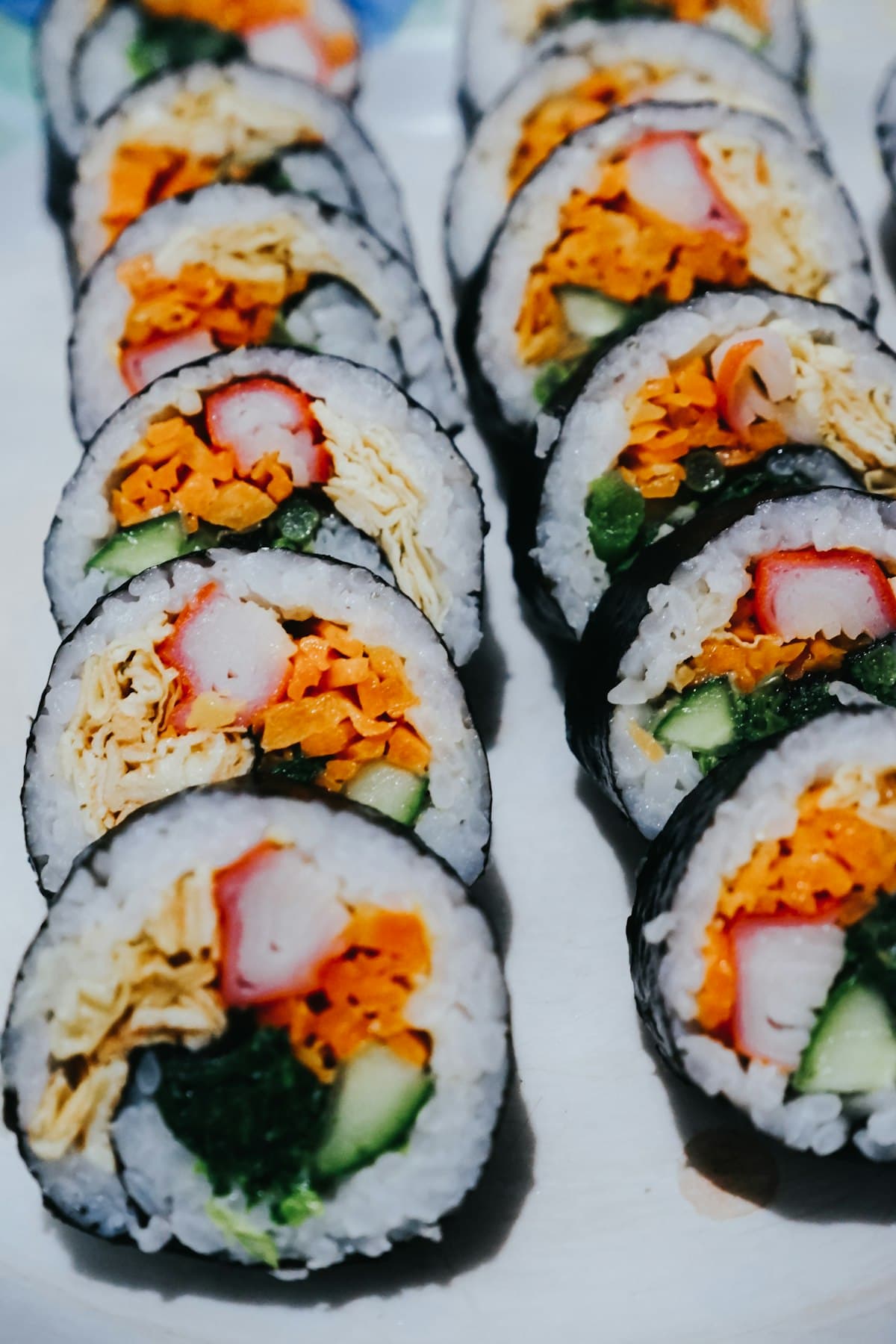
Kimbap (Korean Seaweed Rice Rolls)
Why kimbap isn't 'Korean sushi' — the sesame-seasoned rice, the cooked fillings, and the rolling technique that keeps every slice tight.
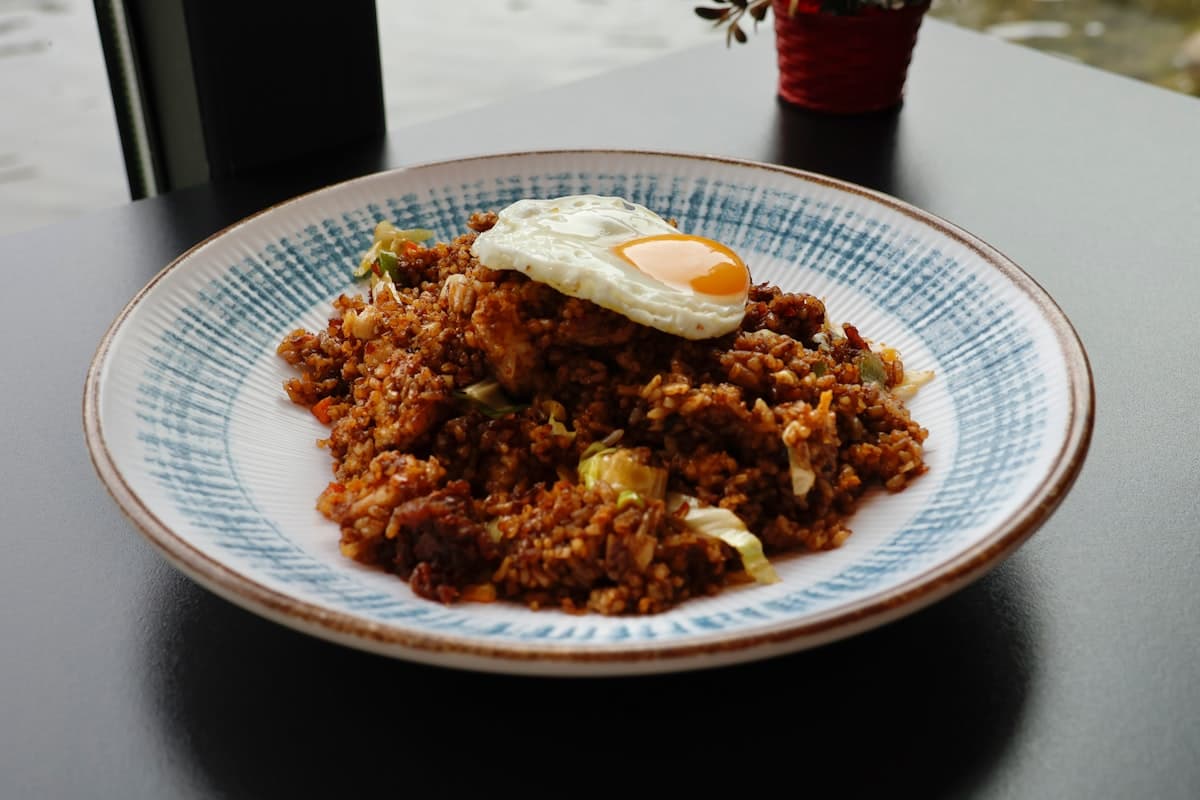
Kimchi Bokkeumbap (Kimchi Fried Rice)
Why kimchi bokkeumbap wants old, over-fermented kimchi specifically, and the high-heat technique that keeps the rice from turning mushy.
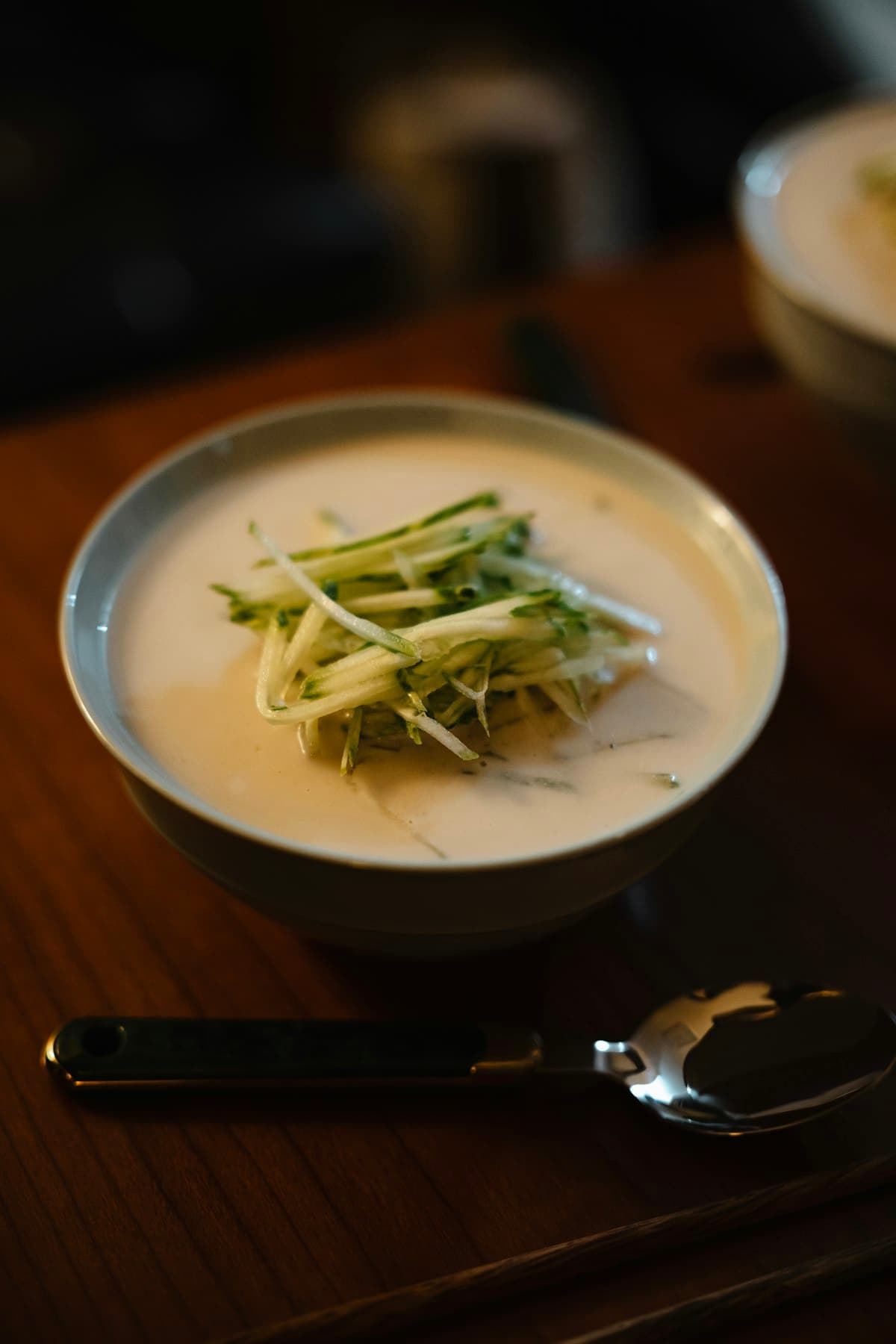
Kongguksu (Cold Soy Milk Noodle Soup)
The soybean-blending technique behind kongguksu's creamy broth, and why the beans need a real soak, not a shortcut.