Photo: anokarina · CC BY-SA
Steps
- 1
Whisk gochujang, vinegar, sugar, soy sauce, sesame oil and garlic into a sauce and chill it.
- 2
Cut every vegetable into similar-sized thin strips and keep them in cold water until needed.
- 3
Boil the buckwheat noodles 4-5 minutes, then rinse hard in cold water until they squeak.
- 4
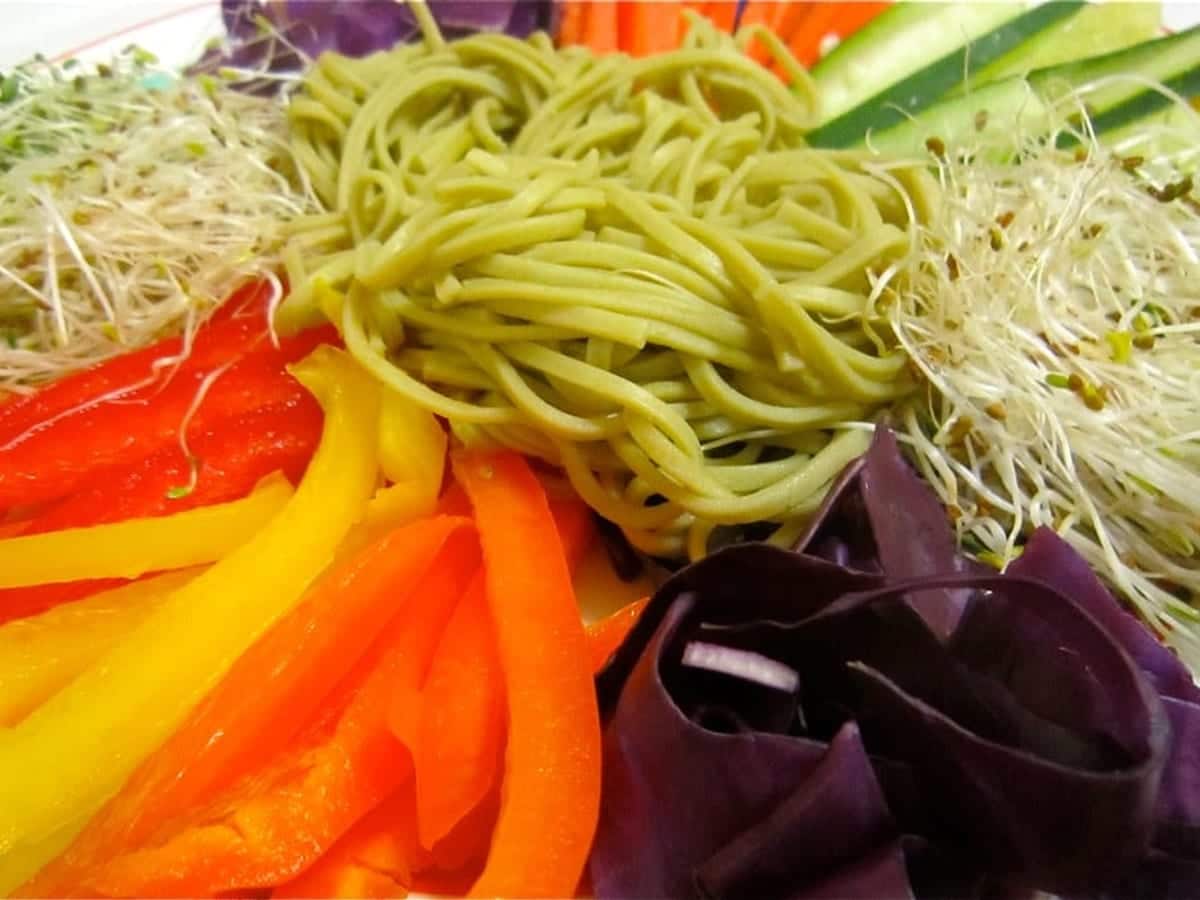
Drain the noodles thoroughly and pile them in the centre of a wide platter.
- 5
Drain the vegetables and arrange them in colour blocks around the noodles.
- 6
Scatter the blanched bean sprouts over the top.
- 7
Bring the platter and the sauce to the table separately.
- 8
Pour the sauce on and toss everything together in front of everyone.
Did you know — Korean culture
Jaengban means tray or platter, and the dish is built for sharing in the most literal way - one large plate, no individual portions, everyone reaching in and mixing together. It is closely associated with Gangwon province, the same buckwheat-growing region that gives Korea makguksu, and the two are often on the same menu.
The platter is not presentation for its own sake - it is the serving method. Everything is arranged raw and separate so it stays crisp, and the sauce only goes on at the very last moment, at the table, with everyone watching. Dressed in the kitchen, the vegetables weep and the whole thing is limp by the time it arrives.
Cutting everything to a similar size matters more here than in most dishes, because it all gets tossed together and eaten in the same mouthful. Uneven cuts mean some strands of vegetable dominate and others disappear.
Cold water is doing quiet work throughout. The cut vegetables sit in it to stay rigid, and the noodles are shocked in it to firm up. Both go onto the platter drained hard, because water is the one thing that will ruin the sauce.
Buckwheat noodles are the traditional choice, and they are worth seeking out — they have a nuttiness that stands up to a strong sauce where wheat noodles just carry it. If you are scaling this up for a table of six, cook the noodles in two batches rather than one crowded pot. Crowded noodles cook unevenly and stick, and this dish shows that immediately.
Troubleshooting
Everything limp on arrival? Dressed too early. The sauce goes on at the table, not in the kitchen.
Sauce watery? Vegetables or noodles still wet. Drain both hard before they hit the platter.
Noodles clumped in a lump? Rinse them under cold running water, rubbing until the water runs clear.
Recommended products
- Korean pantry staples
More to cook
All Rice & Noodles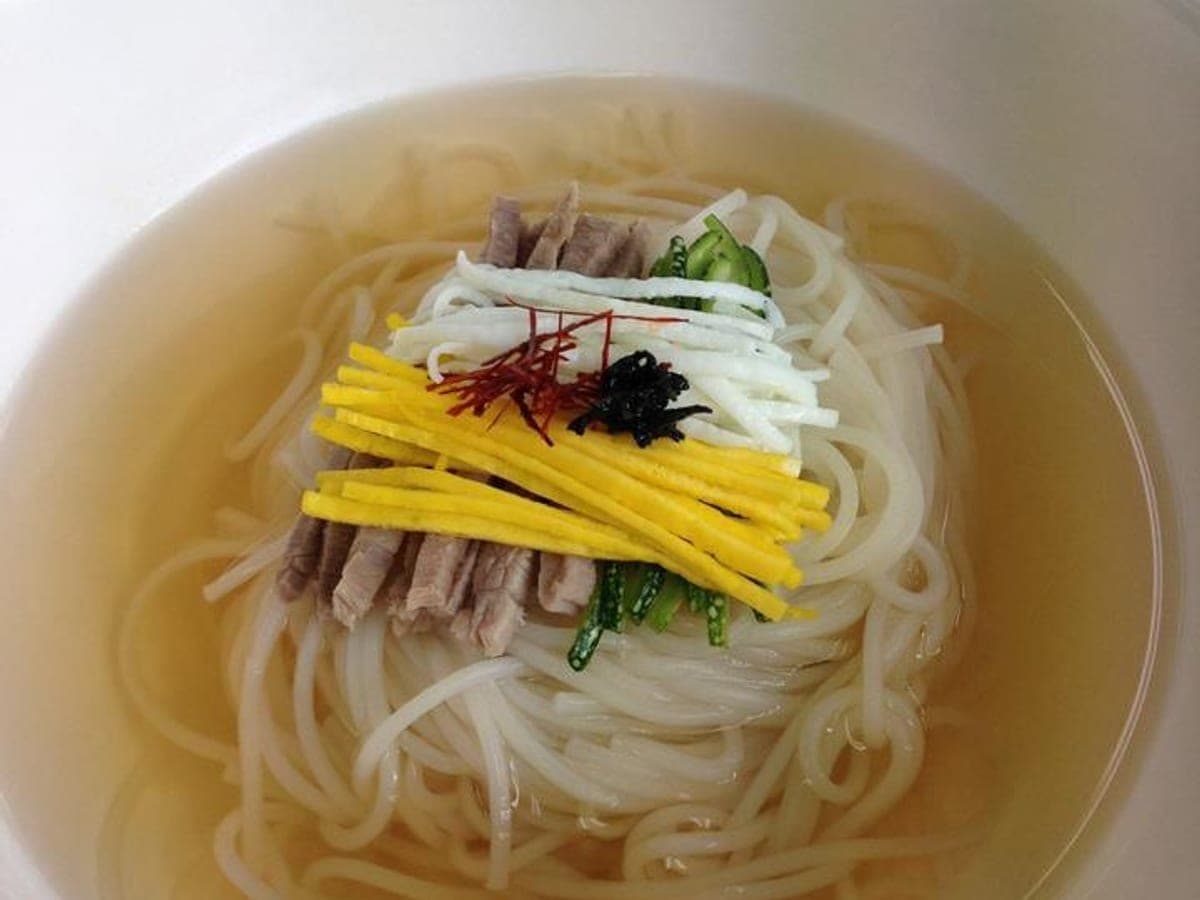
Janchi Guksu (Banquet Noodles)
Why janchi guksu noodles are cooked and rinsed separately from the broth, and how a clear anchovy stock keeps this celebration dish light rather than heavy.
Japchae (Korean Glass Noodle Stir-Fry)
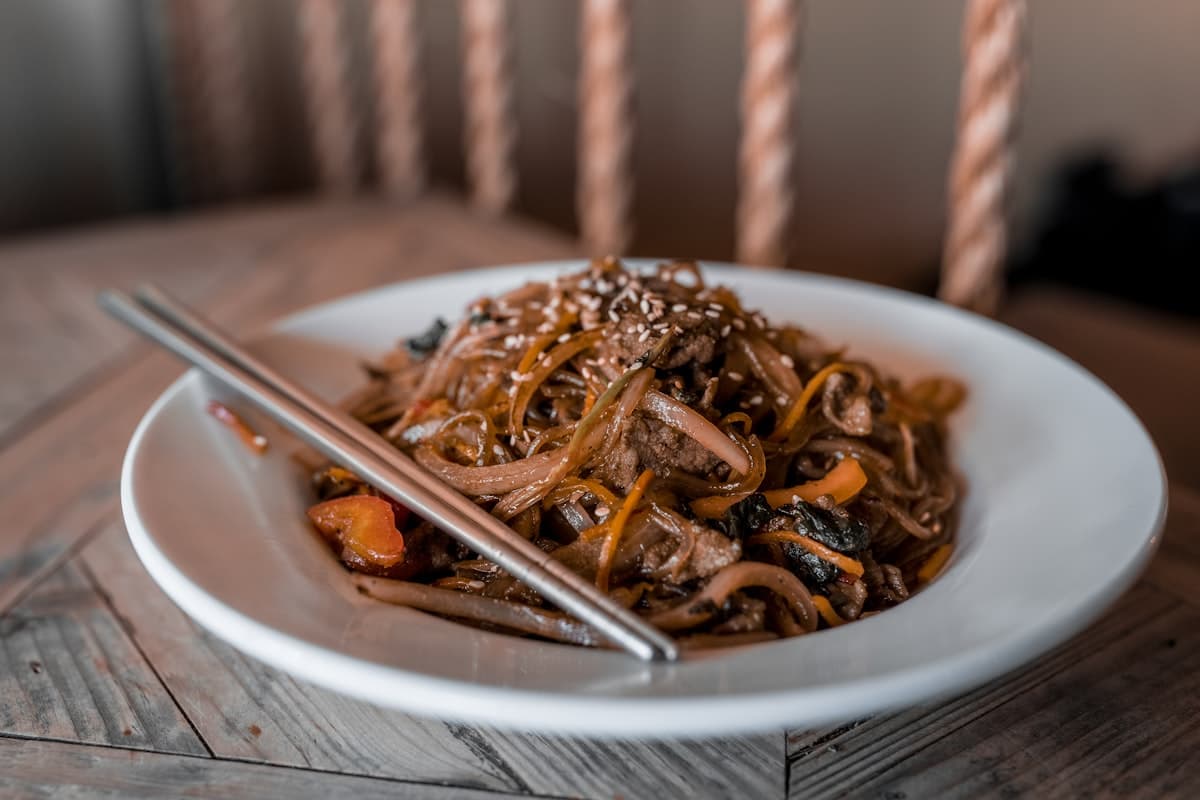
The separate-pan technique behind restaurant-quality japchae, and the one noodle mistake — overcooking dangmyeon — that ruins the texture every time.
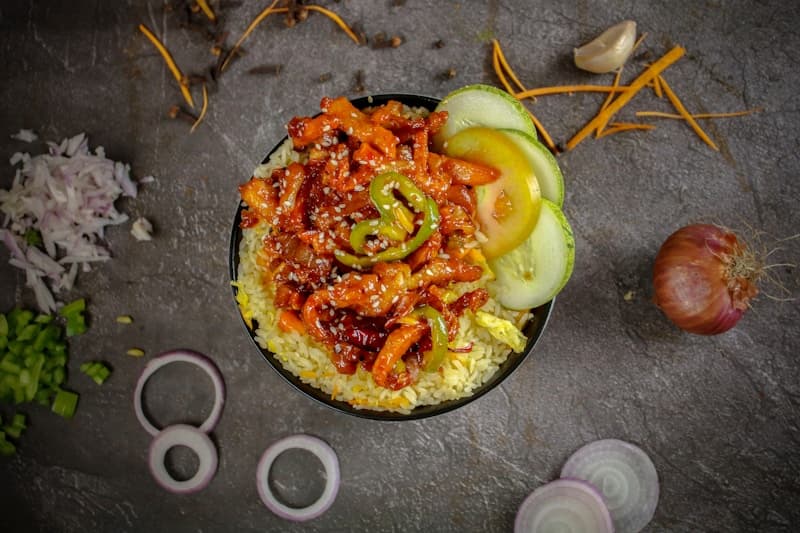
Jeyuk Deopbap (Spicy Pork Rice Bowl)
Why thin-slicing the pork and marinating it briefly, not overnight, is what keeps jeyuk deopbap tender instead of tough on a hot pan.