Steps
- 1
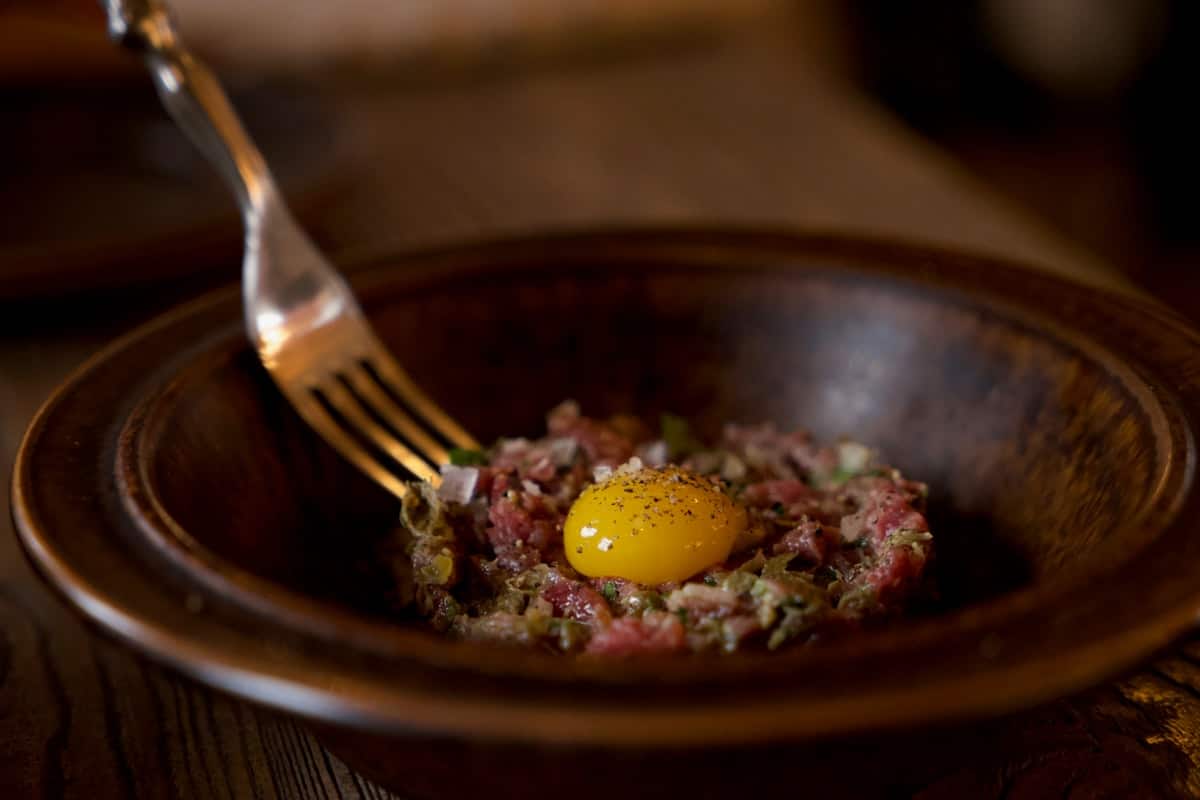
Trim the beef of any sinew and slice it into thin matchsticks.
- 2
Toss the beef with soy sauce, sugar, sesame oil, garlic, and sesame seeds.
- 3
Arrange the julienned pear in a ring or bed on a chilled plate.
- 4
Mound the seasoned beef in the center of the pear.
- 5
Make a small well in the top of the beef and nestle the raw egg yolk into it.
- 6
Scatter pine nuts over the top and serve immediately.
Did you know — Korean culture
Yukhoe belongs to a broader Korean tradition of eating things raw, called hoe, that most people associate only with raw fish. Raw beef versions like yukhoe date back centuries and were historically prized specifically for very fresh, high-quality cuts — the dish only works, and only ever has, with meat trusted enough to eat without cooking it at all.
Yukhoe lives or dies on sourcing, not technique. Because the beef is never cooked, it needs to be genuinely sashimi-grade and as fresh as possible — bought the day it's served, from a butcher you trust, and kept cold until the moment it's plated. There's no marinade or seasoning step that compensates for beef that isn't fresh enough to eat raw.
The julienned pear underneath isn't just a garnish — its sweetness and slight acidity balance the richness of the raw beef and egg yolk, and its crisp texture contrasts with the tender-soft beef. Mixing everything together at the table, right before eating, is part of the dish, which is why it's plated as separate components rather than pre-tossed.
Yukhoe belongs to a much older Korean tradition of eating raw foods, called hoe, that predates the raw-fish dishes most people associate with the word today. Raw beef versions have been documented for centuries and were historically a mark of trust in both the butcher and the cut — a dish only possible with meat good enough, and fresh enough, to skip cooking altogether.
Troubleshooting
Unsure if the beef is safe to eat raw? Only use beef explicitly labeled sashimi- or tartare-grade from a butcher who handles raw-consumption cuts, bought the same day you plan to serve it.
Beef tasting tough or stringy? It likely wasn't trimmed of sinew and connective tissue closely enough, or wasn't sliced thin enough against the grain.
Dish turning watery on the plate? The beef and pear should go on right before serving — sitting too long lets the pear release liquid and the seasoning thin out.
Recommended products
- Sashimi-grade beef (specialty butcher)
- Julienne peeler
More to cook
All Meat & BBQ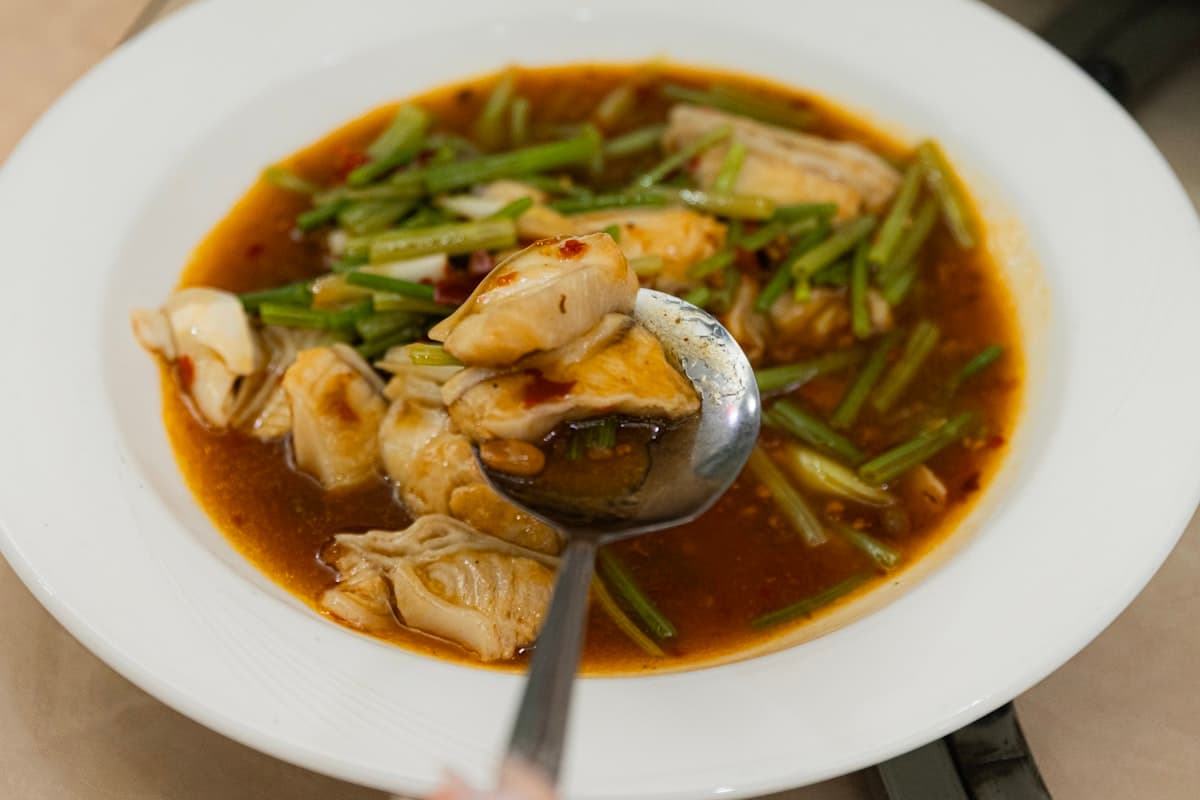
Agujjim (Spicy Braised Monkfish)
The bean sprout and cornstarch technique behind agujjim's thick sauce, and why monkfish holds up to braising better than delicate fish.
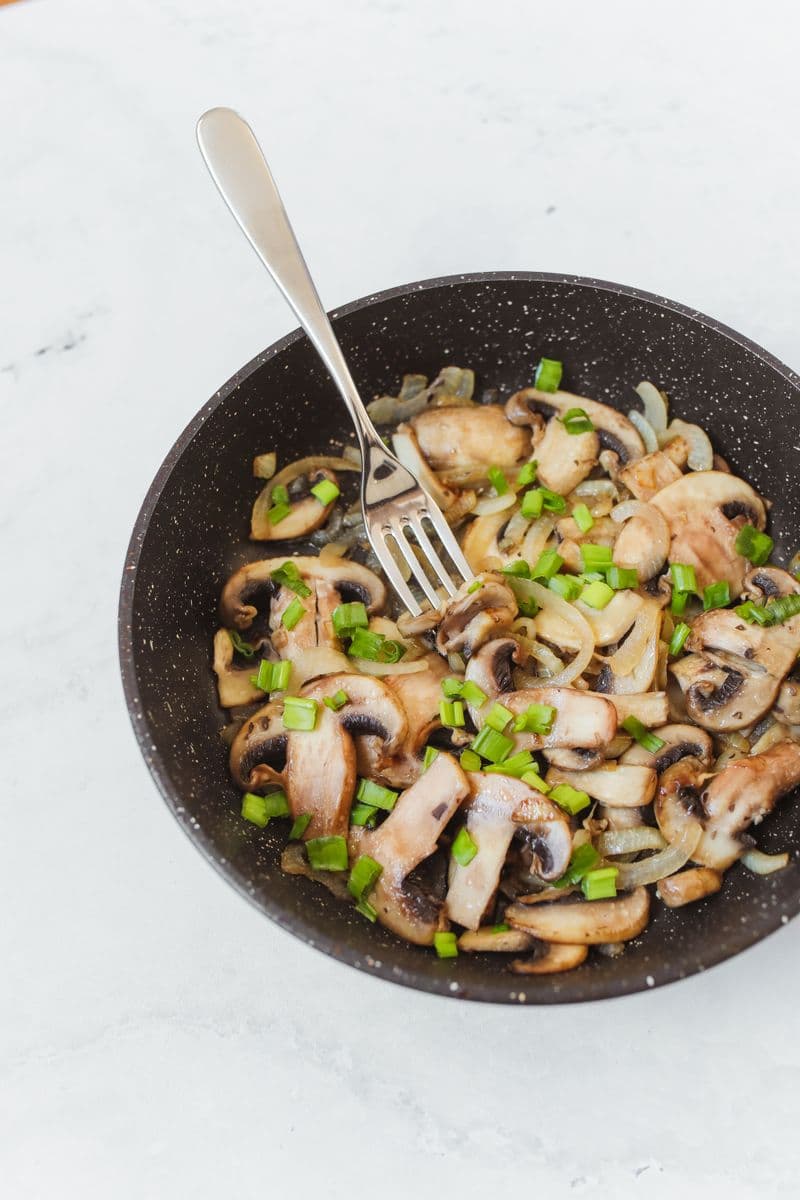
Beoseot Bulgogi (Mushroom Bulgogi)
Why mixing mushroom types changes the texture more than any seasoning choice, and how to marinate mushrooms without turning them mushy.
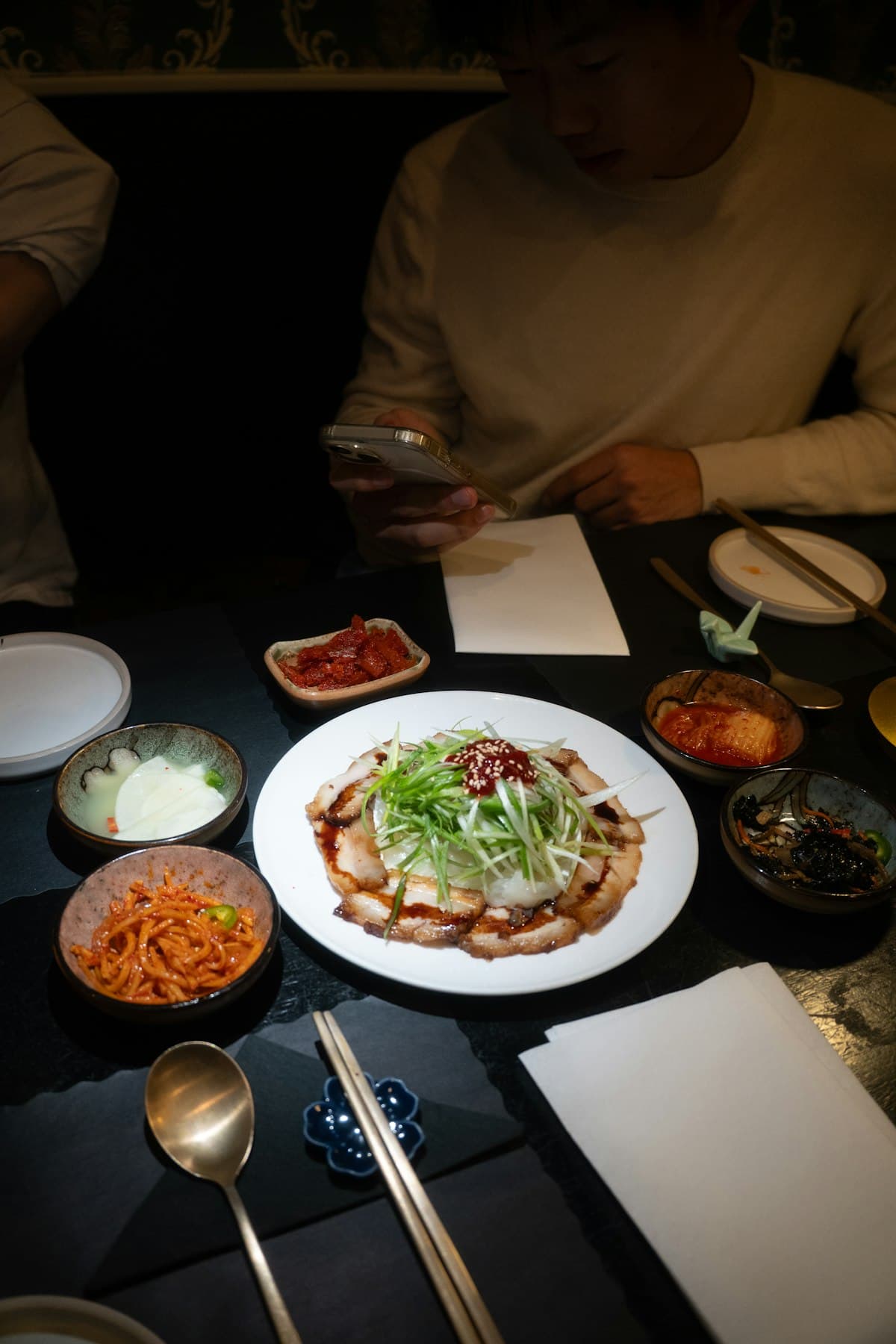
Bossam (Korean Boiled Pork Wraps)
The aromatic brine that makes boiled pork belly taste like more than boiled pork, and why it's always served sliced thin, wrapped in salted cabbage.