Steps
- 1
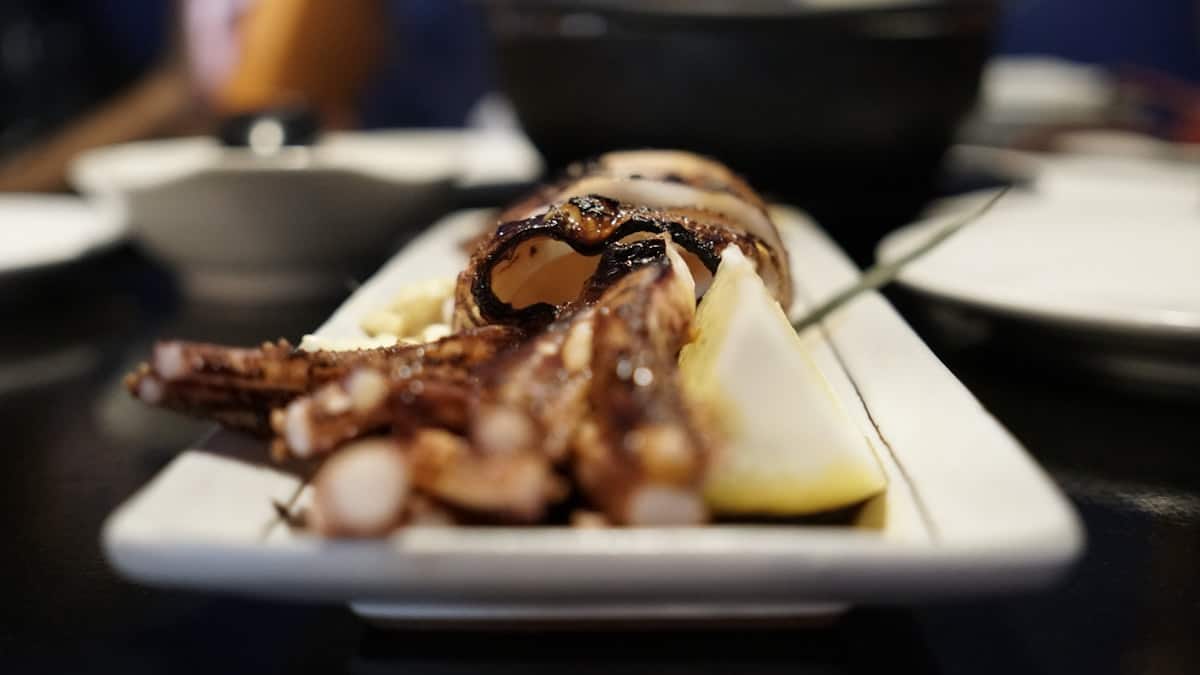
Score the inside of the squid body in a shallow crosshatch pattern, being careful not to cut all the way through.
- 2
Whisk together gochujang, soy sauce, sugar, garlic, and sesame oil into a glaze.
- 3
Brush the squid lightly with the glaze.
- 4
Heat a grill or heavy pan until very hot and lightly oiled.
- 5
Grill the squid 1-2 minutes per side, just until it curls and turns opaque.
- 6
Remove immediately and slice into pieces.
- 7
Serve with a lemon wedge and any remaining glaze on the side.
Did you know — Korean culture
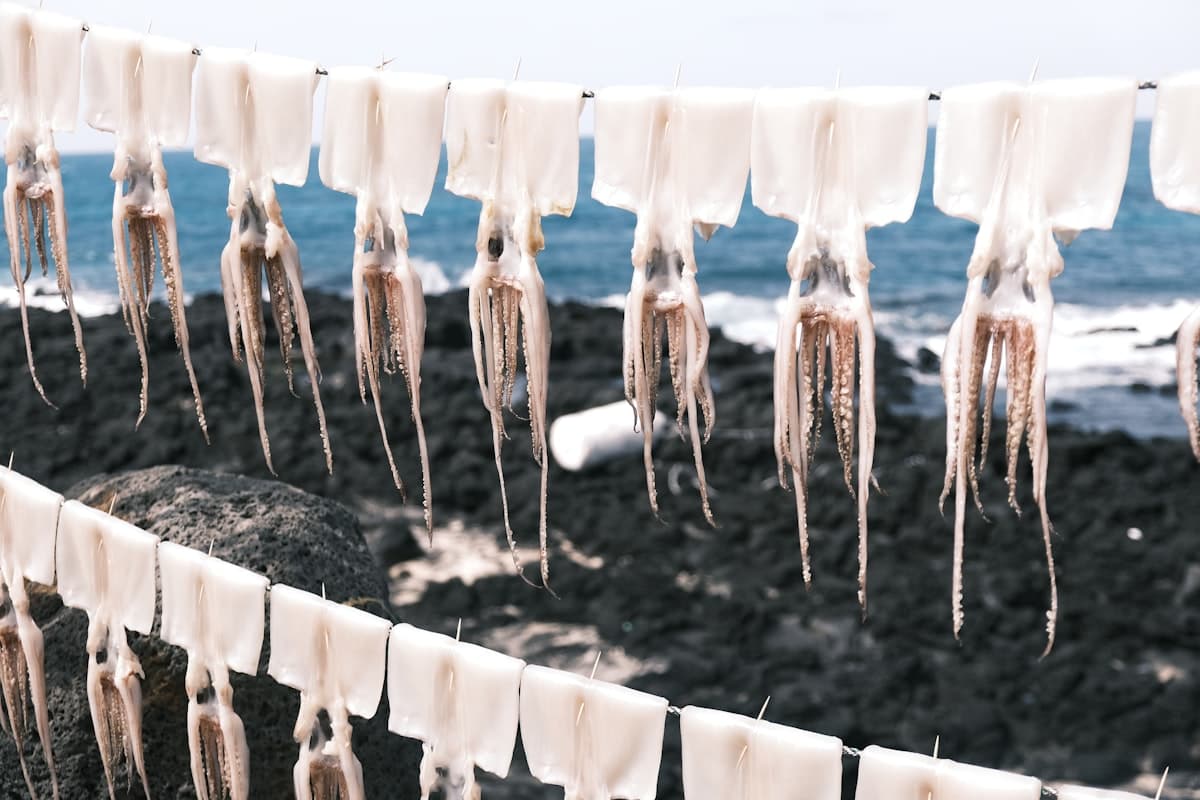
Jeju Island's coastline has long been lined with squid hung out to dry in the sun and sea wind, a preservation method that predates refrigeration and turned squid into a shelf-stable staple rather than something only eaten fresh near the coast. Grilled fresh squid like ojingeo gui and the dried, shredded version sold as a snack come from the same catch — just processed differently depending on how quickly it needs to travel.
Scoring the inside of the squid isn't decorative — it does two real things at once. It helps the glaze cling to more surface area, and it makes the squid curl into an even, attractive shape as it hits the heat, instead of seizing up into a flat, uneven piece.
Squid punishes overcooking faster than almost any other protein on the grill. A minute or two per side over genuinely high heat is usually enough; past that window it turns rubbery fast, with no real way to recover the texture once it's gone too far.
Jeju Island's rocky coastline has long been lined with squid hung out to dry in the sun and sea wind, a preservation method that predates refrigeration and turned squid into a shelf-stable staple rather than something only eaten fresh near the water. Fresh grilled ojingeo gui and the dried, shredded snack version come from the same catch, just processed differently depending on how far it needs to travel before it's eaten.
Troubleshooting
Squid turning rubbery? It was almost certainly overcooked — pull it the moment it curls and turns opaque, usually well under two minutes per side.
Glaze not sticking well? Make sure the crosshatch scoring is deep enough to catch the sauce, and brush it on lightly rather than drowning the squid in glaze before it hits the heat.
Squid curling unevenly? The scoring pattern was probably too shallow or uneven — a consistent shallow crosshatch across the whole surface gives the most even curl.
Recommended products
- Grill pan or outdoor grill
- Gochujang
More to cook
All Meat & BBQ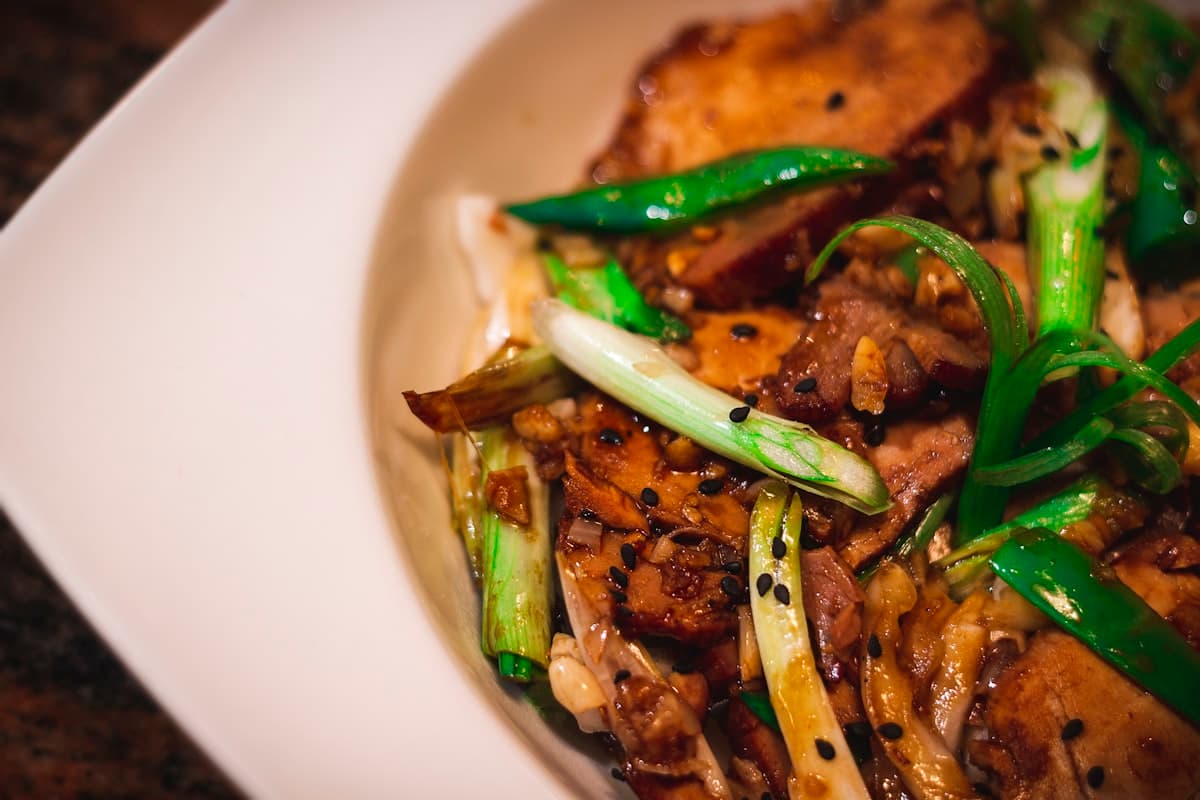
Padak (Green Onion Fried Chicken)
The julienne-and-soak technique behind padak's sharp green onion topping, and why it goes on right before serving, not during frying.
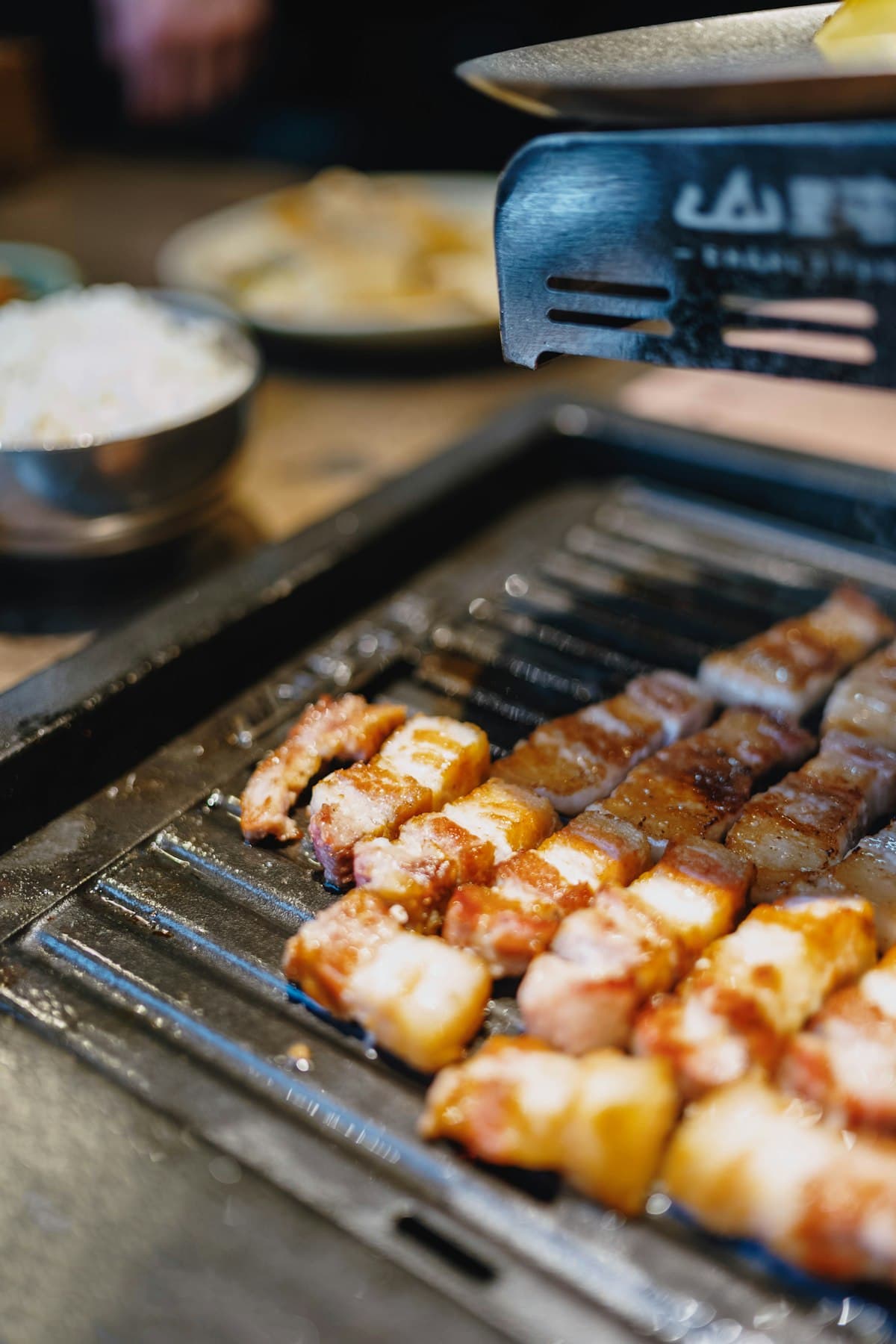
Samgyeopsal (Korean Grilled Pork Belly)
How to grill pork belly the way Korean BBQ restaurants actually do it — the ssamjang ratio, the lettuce wrap, and why you barely need a marinade.
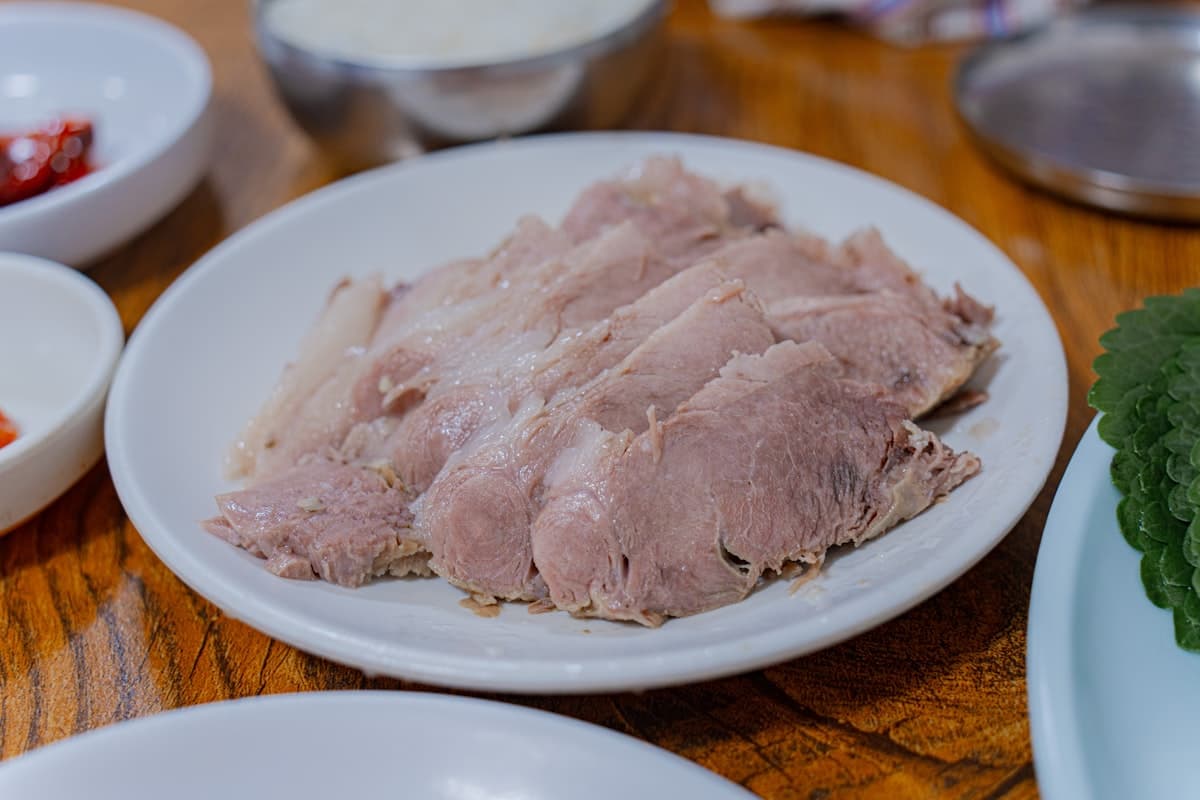
Suyuk (Korean Boiled Beef or Pork Slices)
The aromatics-in-the-water technique behind suyuk, and why chilling the meat before slicing is what keeps it from falling apart.