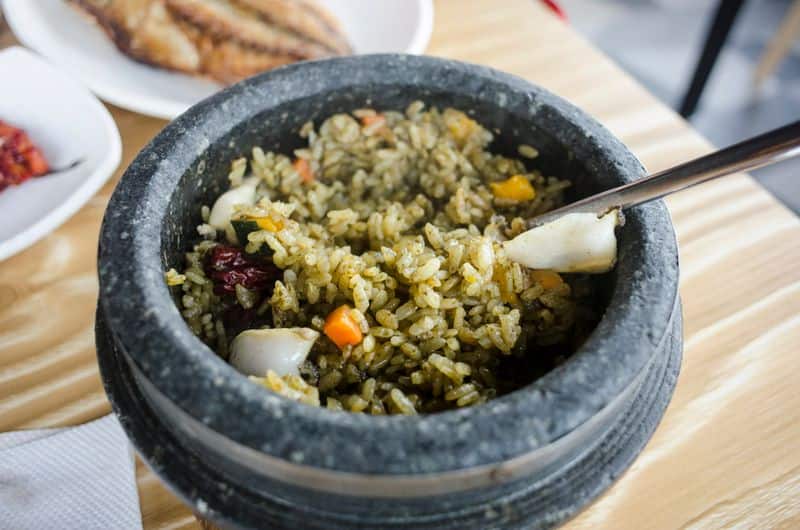
Steps
- 1
Rinse the rice until the water runs mostly clear, then soak 30 minutes and drain.
- 2
Brush the inside of a dolsot (stone pot) generously with sesame oil.
- 3
Heat the empty oiled pot over medium heat for 2-3 minutes until genuinely hot before anything goes in.
- 4
Add the drained rice and water, then scatter the carrot, mushrooms, ginkgo nuts, and jujube over the top.
- 5
Bring to a boil uncovered, then cover and reduce to low.
- 6
Cook 15 minutes, then turn off the heat and leave the lid on to steam another 10 minutes without lifting it.
- 7
Leave the pot undisturbed for a final few minutes so the bottom layer crisps into nurungji.
- 8
Serve straight from the pot with soy-scallion sauce, scraping the crust up as you eat.

Did you know — Korean culture
Stone holds heat far longer than metal, which is the whole reason dolsot dishes exist — the pot keeps cooking after it leaves the stove, so the rice arrives still sizzling, stays warm through the meal, and the crust at the bottom keeps toasting while you eat.
Preheating the oiled stone pot before the rice goes in is what makes a dolsot different from just cooking rice in any pot. Stone holds heat far longer than metal, and getting it properly hot first is what lets the bottom layer of rice start crisping against the surface rather than simply steaming — a cold pot never develops that crust no matter how long the rice cooks.
Leaving the pot alone for the last stretch, lid on and heat off, does two separate jobs at once. The residual heat stored in the stone finishes steaming the upper rice gently, while the same stored heat keeps toasting the bottom layer into nurungji — the golden crust that's half the point of ordering dolsot bap instead of a plain bowl of rice.
Rice cooked and served in the same stone pot stays hot through an entire meal, which is a large part of why dolsot presentations are so common in Korean restaurants — the dish arrives still audibly sizzling and is still warm at the end, and the crust at the bottom keeps developing while you eat.
Troubleshooting
No crust forming at the bottom? The pot likely wasn't preheated enough before the rice went in, or it wasn't left undisturbed long enough at the end.
Rice burnt rather than crisp? The heat was too high during the covered stage — low is right once it comes to a boil; the crust should build from residual stone heat, not direct flame.
Rice unevenly cooked? Skipping the soak leaves the grain centers hard — 30 minutes of soaking makes the whole grain cook at one rate.
Recommended products
- Korean dolsot (stone pot)
- Short-grain rice
More to cook
All Rice & Noodles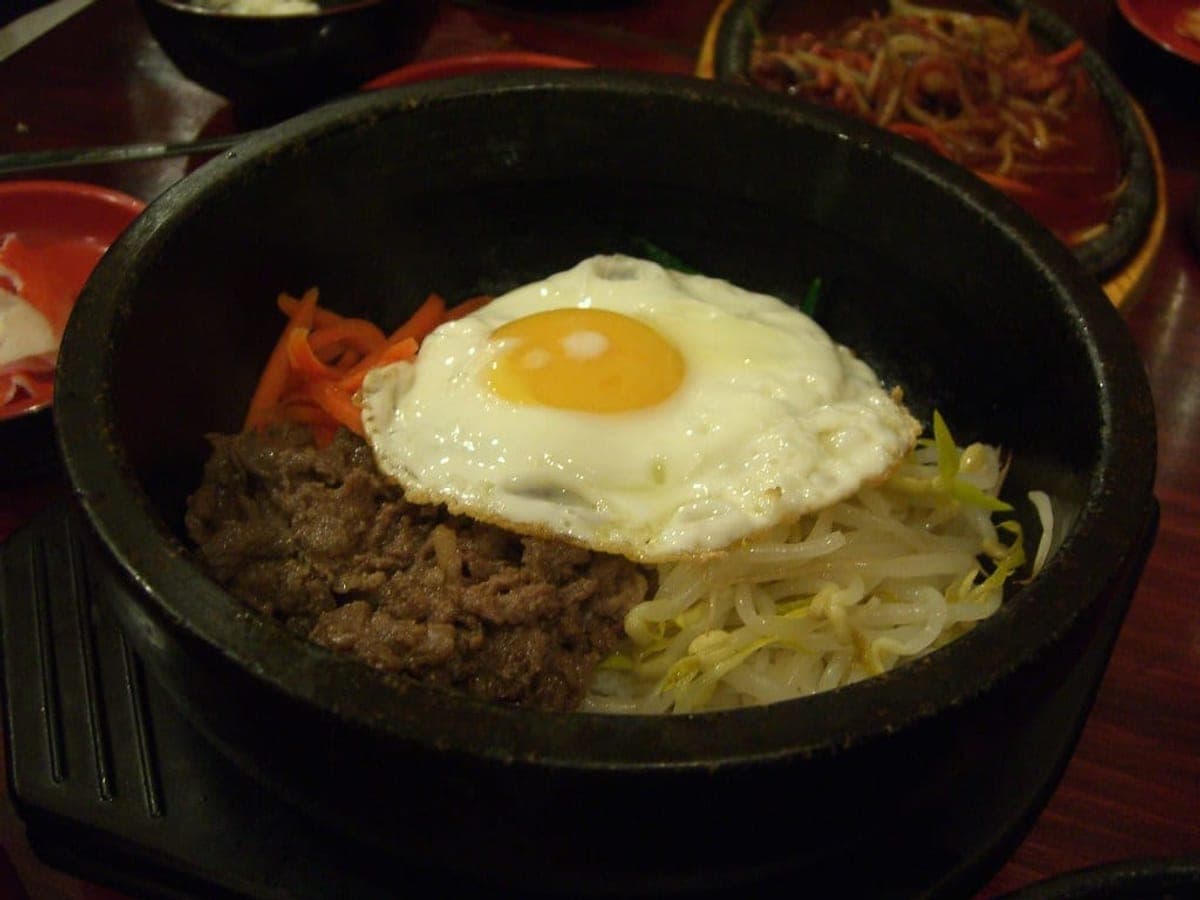
Dolsot Bibimbap (Stone Pot Bibimbap)
How to preheat a dolsot properly so the rice crusts instead of sticking, and why the egg goes in raw at the table rather than cooked in the kitchen.
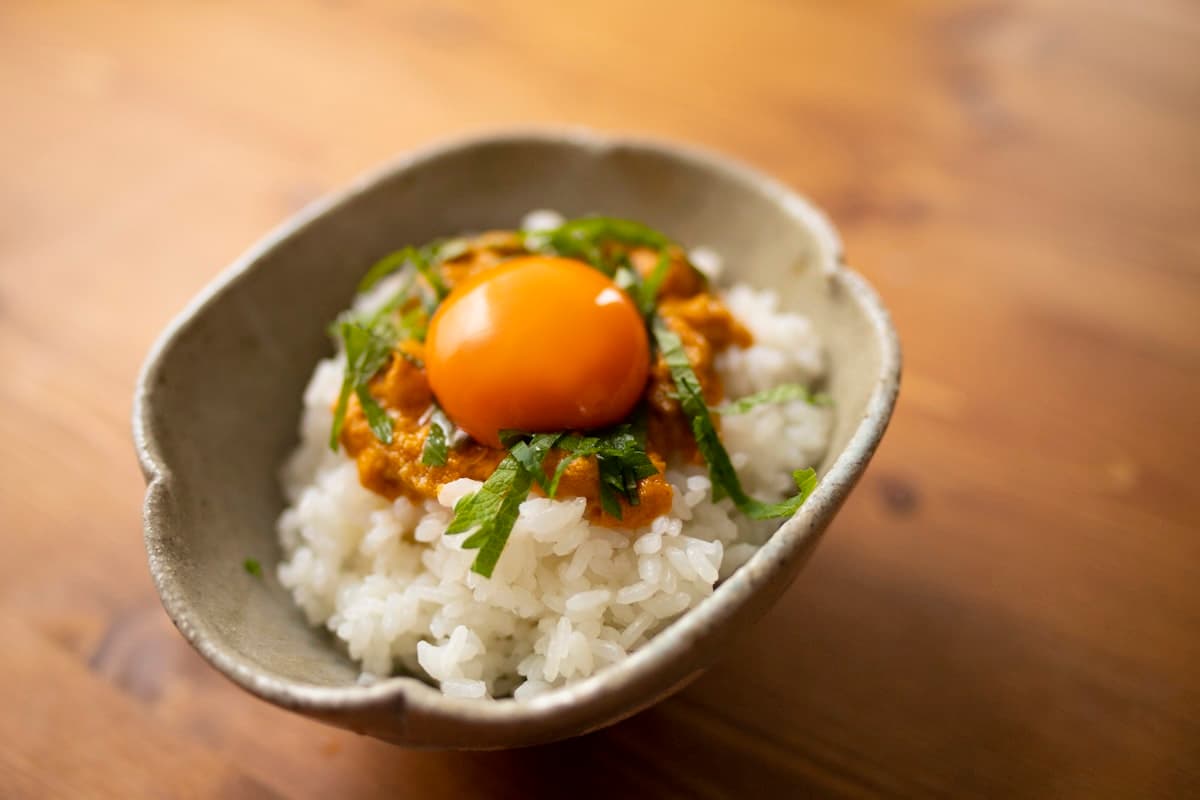
Gyeranbap (Soy-Butter Egg Rice)
The residual-heat technique behind gyeranbap's soft-set egg, and why the rice temperature matters more than the recipe suggests.
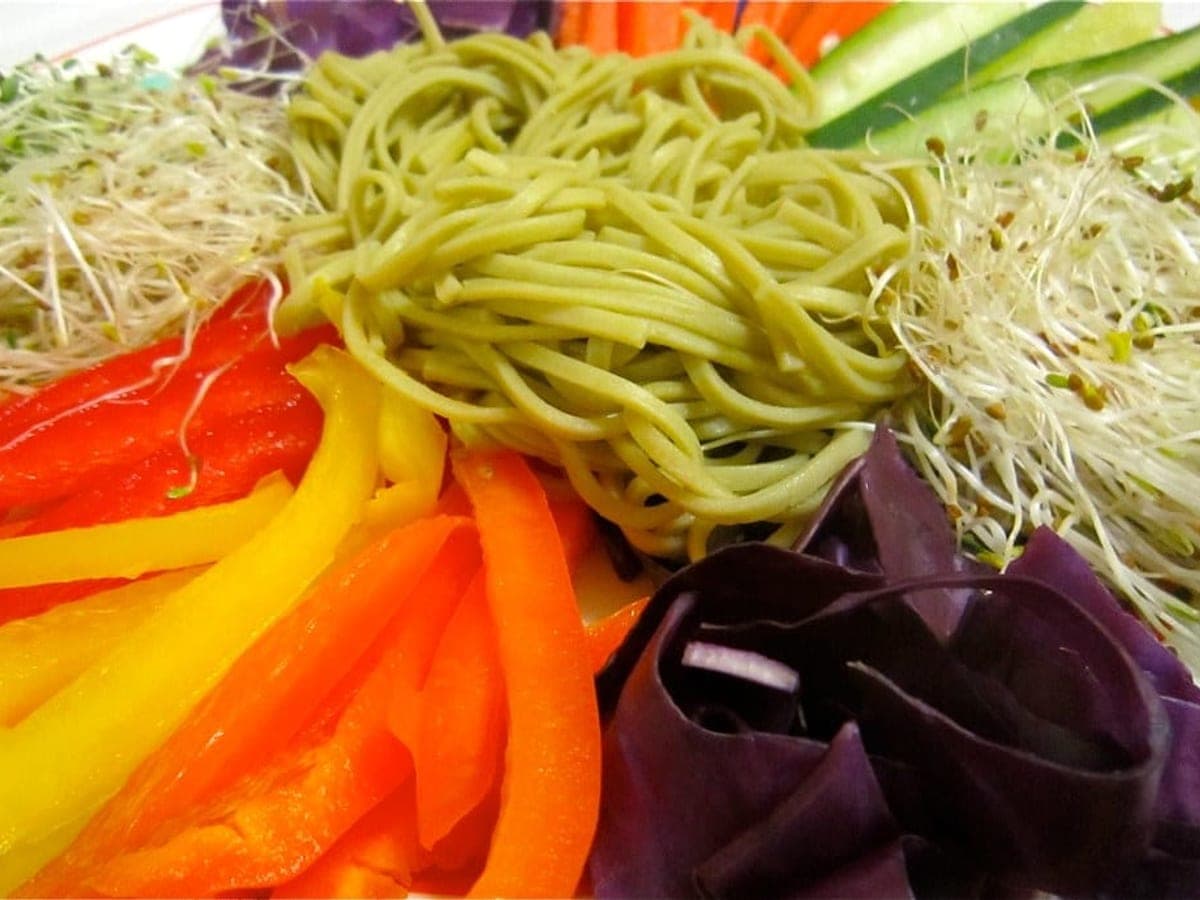
Jaengban Guksu (Platter Noodles)
Why jaengban guksu is served on a wide platter rather than in bowls, and how the sauce goes on at the table so the vegetables stay crisp until the last second.