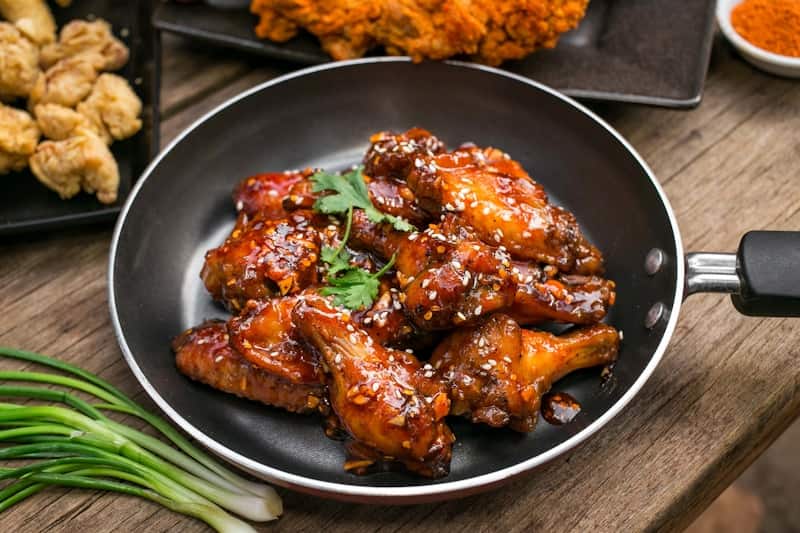
Steps
- 1
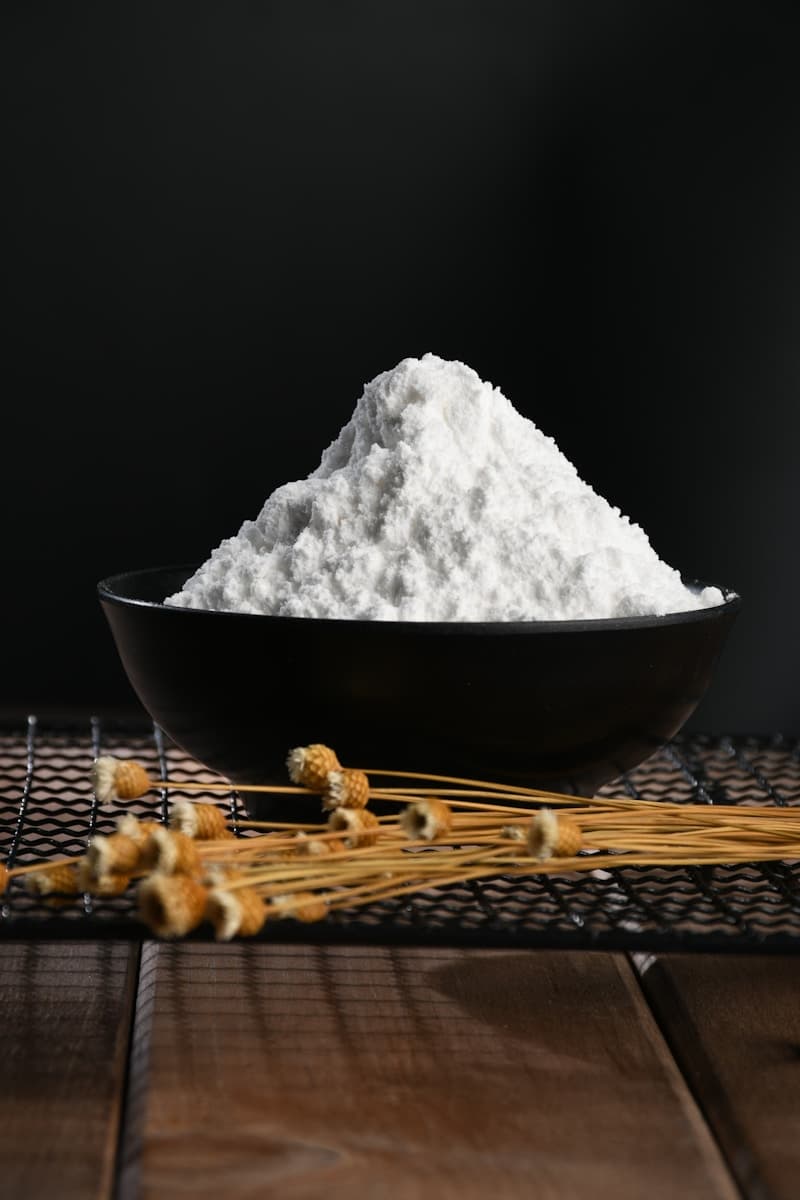
Pat the chicken wings completely dry and toss in potato starch to coat.
- 2
Heat oil to 325°F (165°C) and fry the wings in batches 6-7 minutes, until pale golden. Remove and rest 5 minutes.
- 3
Raise the oil to 375°F (190°C) and fry the wings a second time, 2-3 minutes, until deeply golden and crisp.
- 4
Meanwhile, simmer soy sauce, brown sugar, garlic, ginger, vinegar, and water in a small pan until slightly thickened, about 5 minutes.
- 5
Remove the glaze from heat and stir in sesame oil.
- 6
Toss the hot, freshly fried wings in the glaze off the heat, working quickly so the coating stays crisp.
- 7
Top with green onions and sesame seeds and serve immediately.
Did you know — Korean culture
The double-fry technique behind Korean fried chicken's crunch was specifically credited as the innovation that let it stay crisp under a wet glaze — most fried chicken traditions sauce lightly if at all, since a single fry's crust doesn't hold up to a full glaze the way a twice-fried one does.
The double-fry is the real technique behind ganjang chicken's crunch, not the glaze. The first, lower-temperature fry cooks the chicken through and sets a light crust; the rest afterward lets residual moisture escape rather than staying trapped under the coating. The second, hotter fry is what actually builds the shattering crust — skip it and the wings stay merely cooked, not crisp.
Tossing the wings in the glaze only after both fries, and serving right away, matters just as much. Soy-based glazes are largely water and sugar; the longer fried chicken sits in it, the more that moisture soaks back into the crust and turns it soft. Sauced-and-served-immediately is non-negotiable for the texture to hold.
Korean fried chicken as a genre — ganjang, yangnyeom, and the many variations that followed — became a defining national comfort food in the late 20th century, with the double-fry technique specifically credited as the innovation that let Korean fried chicken stay crisp under a wet glaze in a way most Western fried chicken, sauced only lightly if at all, never needed to solve.
Troubleshooting
Crust went soggy after saucing? It likely sat too long before serving — glazed Korean fried chicken is meant to be eaten within a few minutes of tossing.
Coating not crisp even before saucing? The second fry temperature was probably too low — it needs to be noticeably hotter than the first fry to finish the crust properly.
Glaze too thin to coat evenly? Simmer it a little longer before tossing — it should coat the back of a spoon, not run off it.
Recommended products
- Deep-fry thermometer
- Potato starch
More to cook
All Meat & BBQ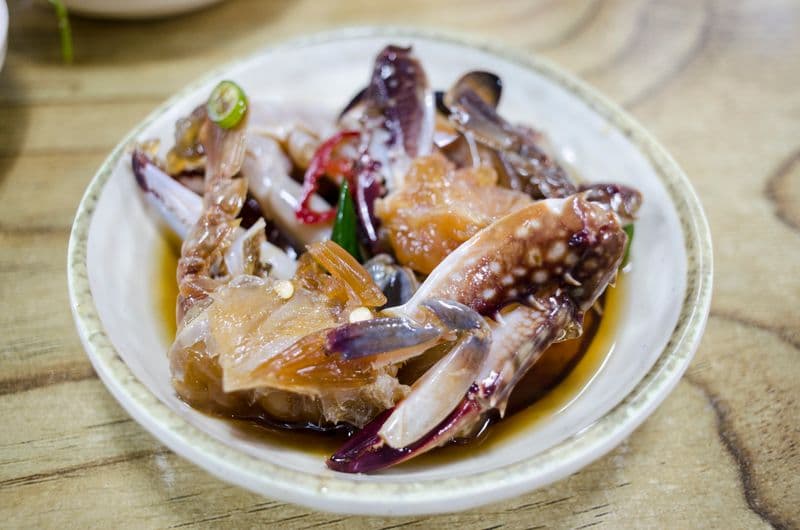
Ganjang Gejang (Soy Marinated Raw Crab)
Why the marinade needs to be boiled and fully cooled before it ever touches raw crab, and how short cures compare to the traditional multi-day soak.
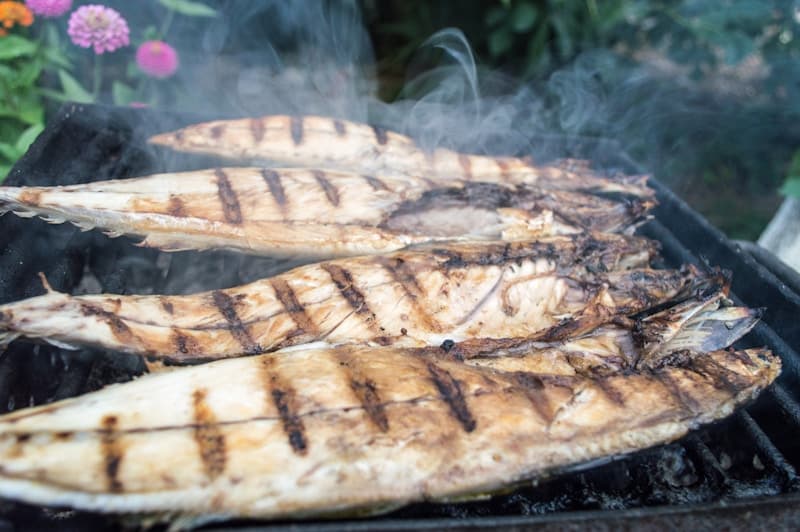
Godeungeo Gui (Grilled Mackerel)
Why salting mackerel ahead of time and starting skin-side down are the two things that separate crisp godeungeo gui from a dry, sticking mess.
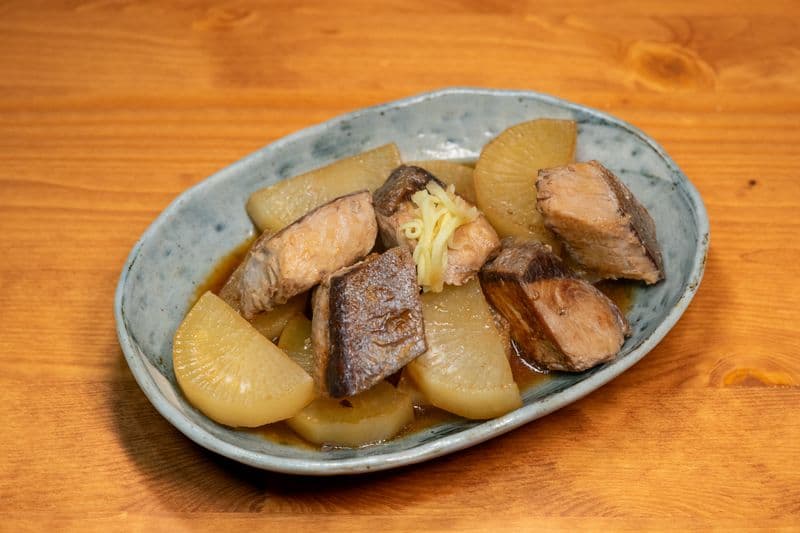
Godeungeo Jorim (Braised Mackerel)
Why a bed of radish under the fish matters as much as the sauce, and how simmering uncovered at the end is what actually thickens the glaze.